※ This post is content provided for medical information purposes.
It is not subject to review under Article 56, Paragraph 2, and Article 57 of the Medical Service Act,
and we would like to inform you that this post is not intended as an advertisement.
Hello,
I am Seong Hyeon-ju, director of Cheongdam OK Clinic.

| ▶ Full Member of the Korean Academy of Aesthetic Plastic Surgery (KACS) |
|---|
| ▶ Full Member of the Korean Society for the Study of Obesity (KSSO) |
| ▶ Full Member of the Korean Academy of Aesthetic Medicine and Obesity (KAAM) |
| ▶ Full Member of the Korean Society of Liposuction Surgery (KSSL) |
| ▶ Full Member of the Korean Society of Aesthetic Surgery (KSAS) |
When starting a diet, people adjust their eating habits
and combine aerobic or strength training,
expecting overall weight loss.
However, even when weight has decreased,
some people remain concerned because fat in specific areas,
such as the lower abdomen or flanks, remains unchanged.
For this reason, they may search for ways to lose abdominal fat
and try various methods, including abdominal exercises,
dietary changes, and aerobic exercise.
Because abdominal fat distribution and body shape vary from person to person,
simply losing weight may not be enough to refine the lines of the areas you want to change.
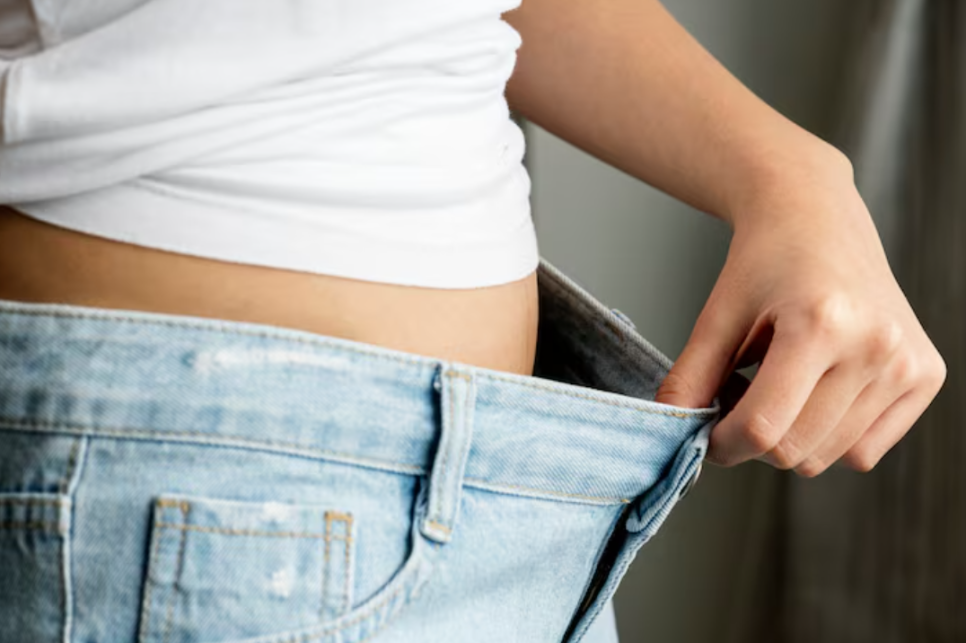
Today, we will look at ways to lose abdominal fat that are useful to understand alongside dieting,
as well as the principles of liposuction
and how it may be applied.
| Table of Contents |
|---|
| 1. Why Abdominal Fat Remains 2. The Limitations of Exercise and Diet 3. How Abdominal Liposuction Works 4. When Liposuction May Be Needed |
- Why Abdominal Fat Remains
The basic way to reduce abdominal fat
is to control calorie intake and exercise regularly
to reduce overall body fat.
However, the order in which fat is lost
and the areas where fat accumulates
can vary depending on an individual's body shape and fat distribution.
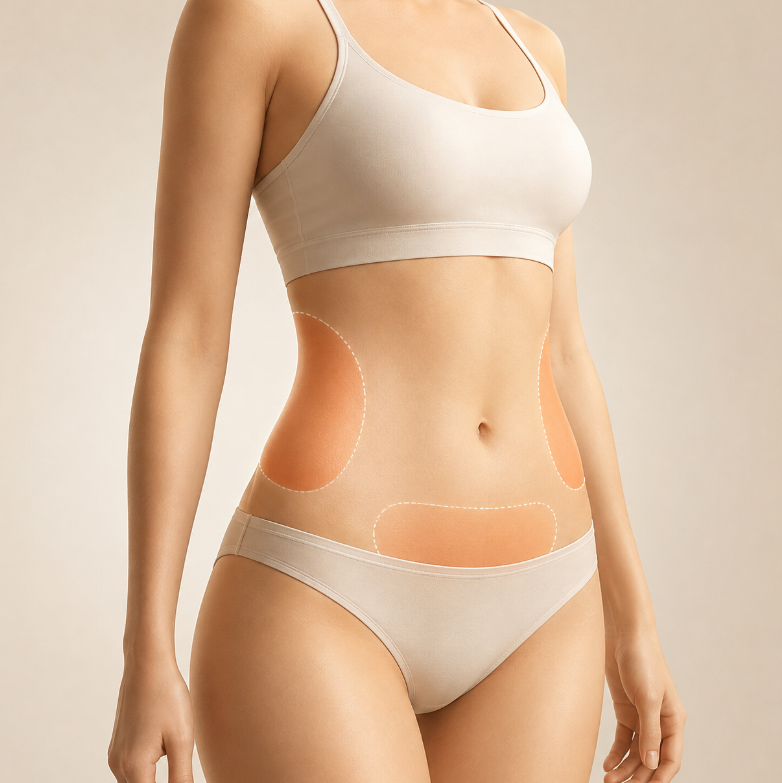
In particular, fat around the lower abdomen, flanks, and waist
may appear to remain relatively prominent
even after weight has been lost through dieting.
Doing a lot of abdominal exercises
does not necessarily make it possible to selectively reduce
only the subcutaneous fat on the abdomen.
Therefore, when looking for ways to lose abdominal fat,
it is important to examine overall body-fat distribution
rather than focusing only on the number on the scale.
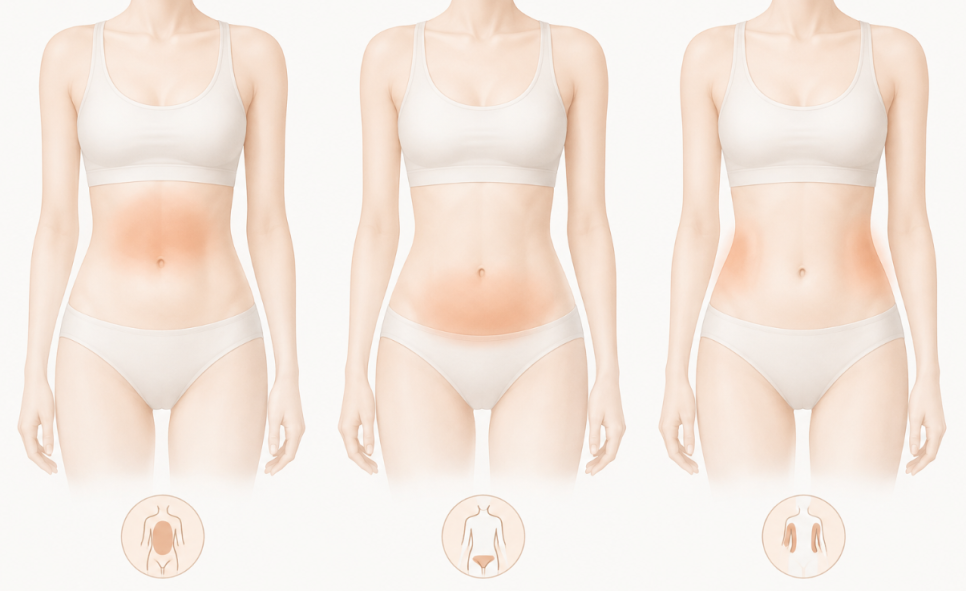
It is important to assess together
which areas retain a significant amount of fat
and whether additional weight loss is needed.
- The Limitations of Exercise and Diet
Diet and exercise are the most fundamental methods
for managing weight and body fat,
and maintaining them consistently is important.
However, because dieting reduces fat throughout the body,
it is difficult to selectively lose fat
only from the areas you want to target.
There are also cases where weight has decreased sufficiently
but the lower abdomen remains,
or the waistline is not clearly defined because of flank fat.
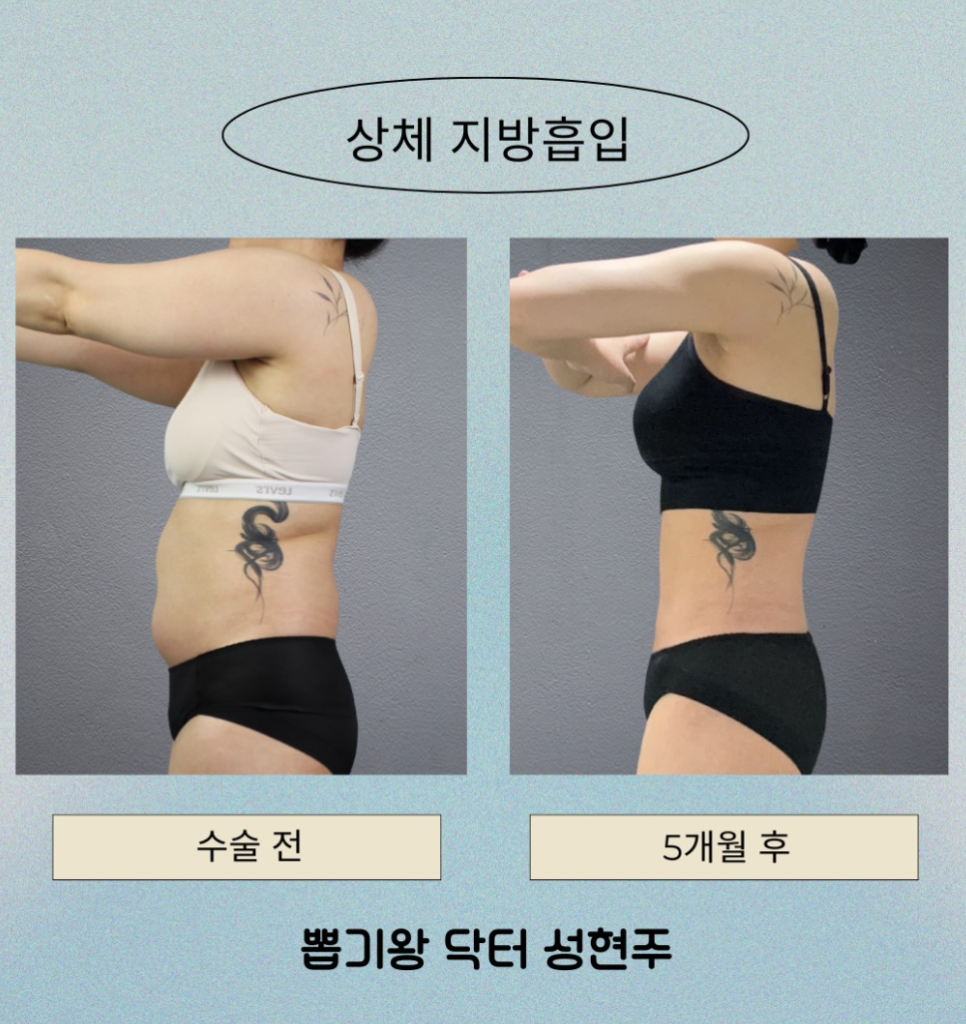
The upper body may become thinner first while the abdomen remains,
or losing more weight may also reduce areas you do not want to lose,
such as the face or breasts.
If localized subcutaneous fat remains in certain areas even after dieting,
other ways to lose abdominal fat may also be considered.
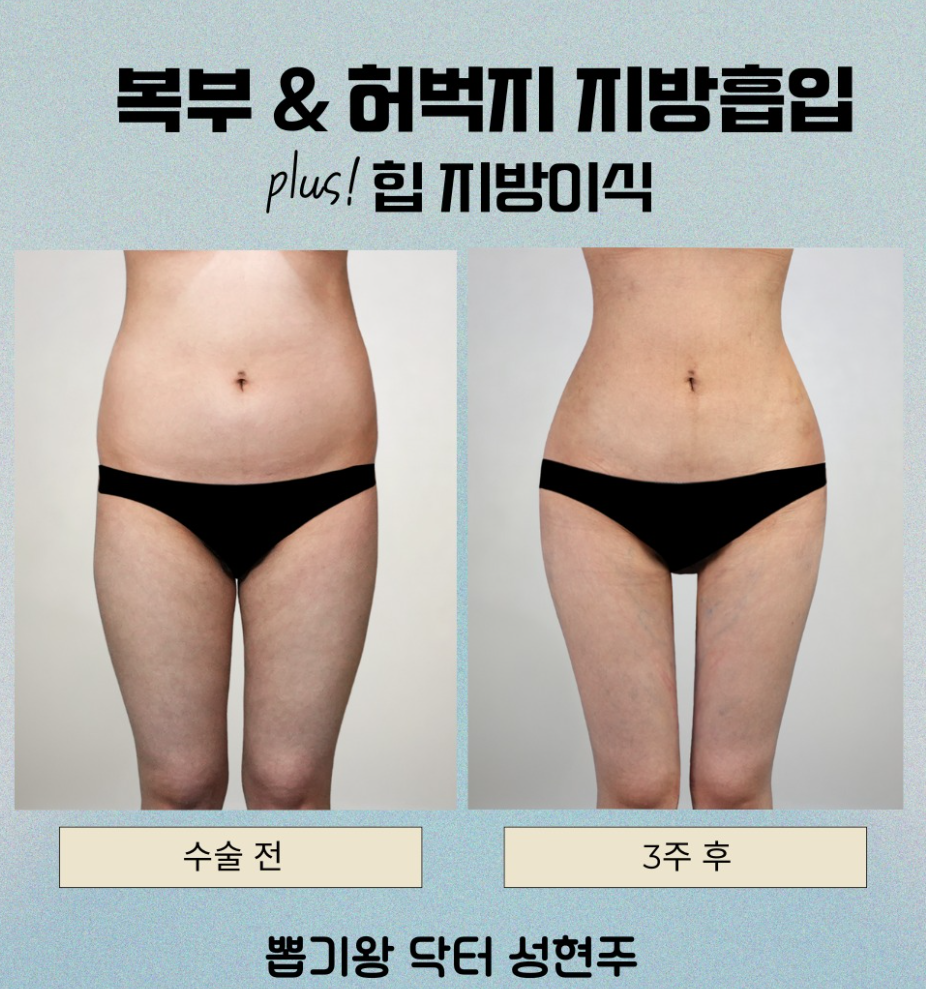
One of these is abdominal liposuction.
Rather than significantly reducing body weight itself,
liposuction is intended to reduce subcutaneous fat in specific areas
and refine the body's contours.
- How Abdominal Liposuction Works
Abdominal liposuction involves inserting
a thin cannula through a small incision
and suctioning out the subcutaneous fat beneath the skin.
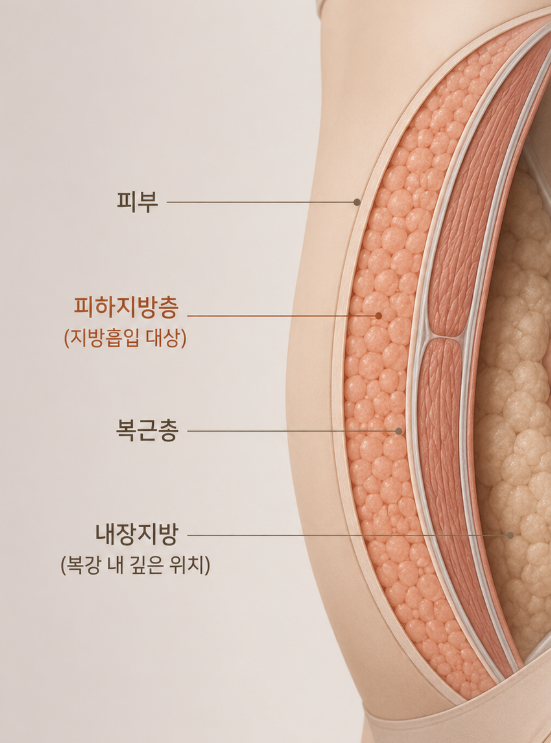
Simply removing a large amount of fat
from the center of the abdomen
does not necessarily create natural-looking contours.
This is because the abdomen is naturally connected
in one continuous curve—not only across the upper and lower abdomen,
but also through both flanks and the waist.
Therefore, if considering liposuction as a way to lose abdominal fat,
it is necessary to assess the amount of fat along with skin thickness,
fat distribution, and overall body shape.
It is also important to examine whether the upper abdomen is relatively thick,
whether fat is concentrated in the lower abdomen,
and whether it extends to the flanks.
Based on these factors, an overall abdominal design is planned
by considering the areas to be suctioned
and the amount of fat that should remain.
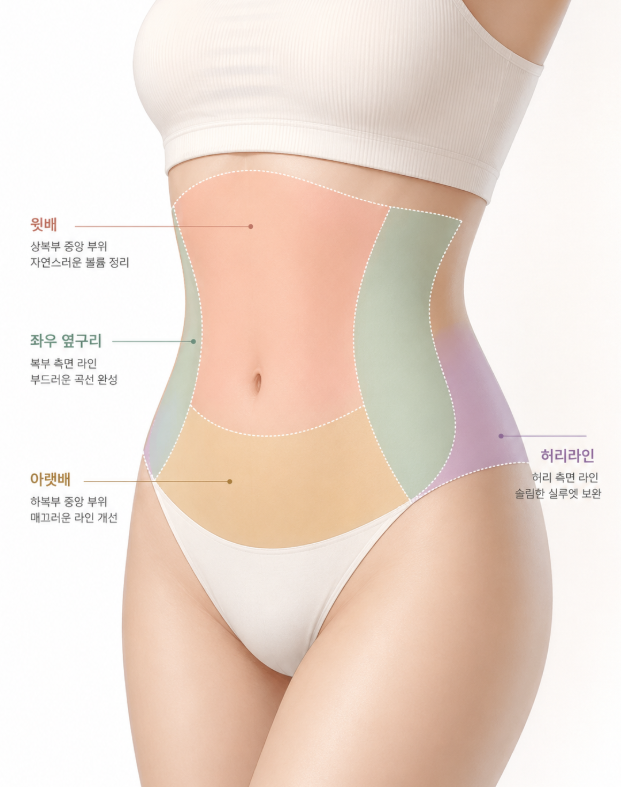
Rather than removing an excessive amount of fat,
it is important to consider balance so that the abdomen, waist, and flanks
connect naturally.
- When Liposuction May Be Needed
If fat remains around the lower abdomen or flanks
despite consistently following a diet and exercising,
abdominal liposuction may be considered.
In particular, there are cases where overall body weight is not high,
but fat is concentrated in the abdomen
or the waistline is not clearly defined.
Because abdominal liposuction physically removes fat cells
from the subcutaneous fat layer,
a reduction in abdominal volume may be expected.
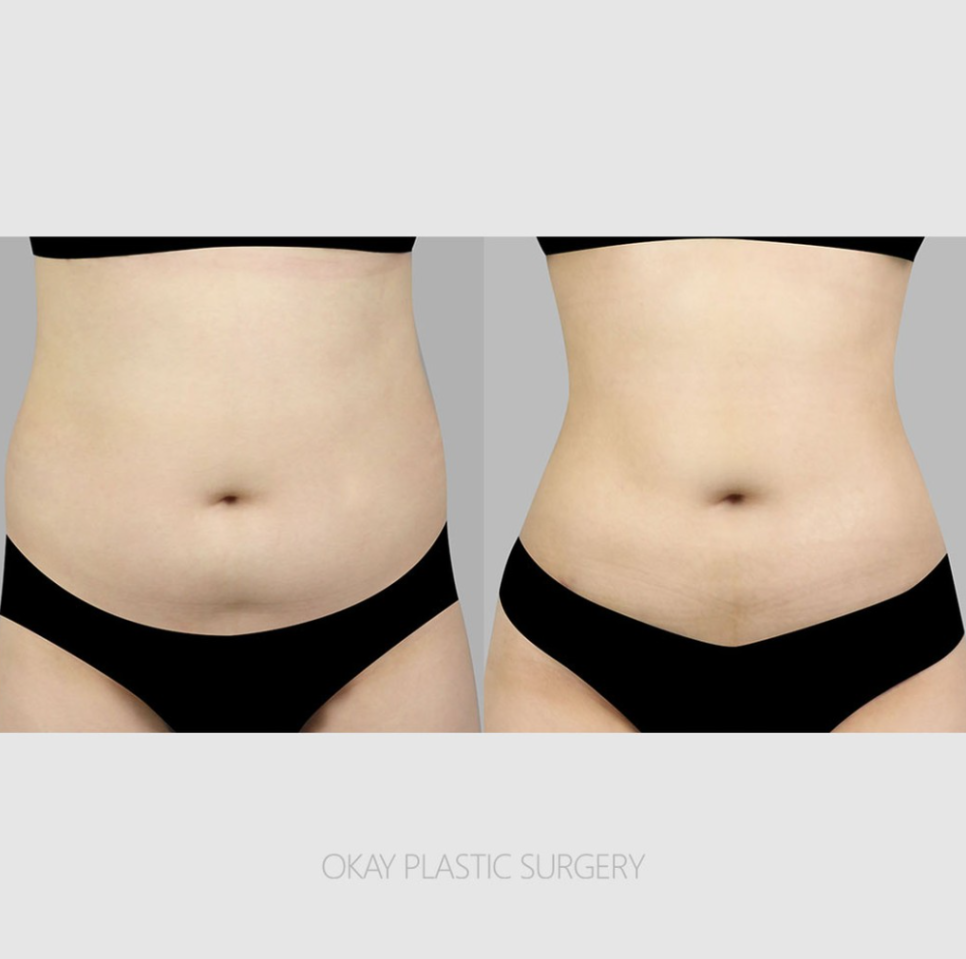
Reducing the protruding appearance of the lower abdomen
and also refining the areas around the flanks and waist
may help improve the overall silhouette.
However, even if liposuction is chosen as a way to lose abdominal fat,
it is not a method for removing visceral fat,
nor is it a weight-loss surgery.
In addition, if weight increases after liposuction,
any remaining fat cells may become larger,
so consistent weight management is necessary.
Ultimately, rather than viewing one method as the only answer
for losing abdominal fat,
it is necessary to consider the current fat distribution
and overall body shape together.
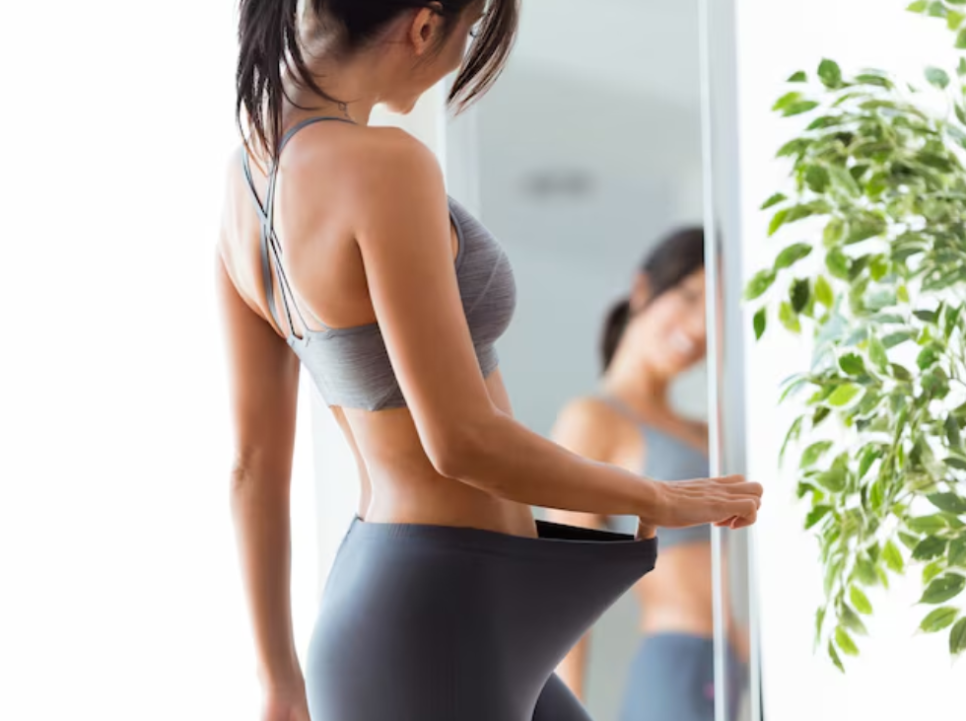
If you remain concerned about fat in a specific area
even after managing your overall body fat through dieting,
it is advisable to first assess the current condition of your abdomen.
Because the appropriate range of liposuction and the changes that can be expected
vary according to the individual's fat volume, skin elasticity, and body shape,
sufficient consultation is necessary.
↓↓↓ Related Content ↓↓↓
-Clinic Hours-
| Weekdays 10:00–19:00 (last registration at 18:30) Saturdays 10:00–16:00 (last registration at 15:30) Public holidays / Wednesdays and Sundays: Closed regularly |
-Contact-
| ▶ Cheongdam OK Clinic |
|---|
| Consultation phone: 02-3446-7588 KakaoTalk inquiries |
-How to Get Here-