Have you ever looked in the mirror and thought, "I wish my teeth were a little prettier..."?
These days, there are many ways to create a beautiful smile while preserving your natural teeth as much as possible.
Among them, one treatment that is especially getting attention is no-prep laminate.
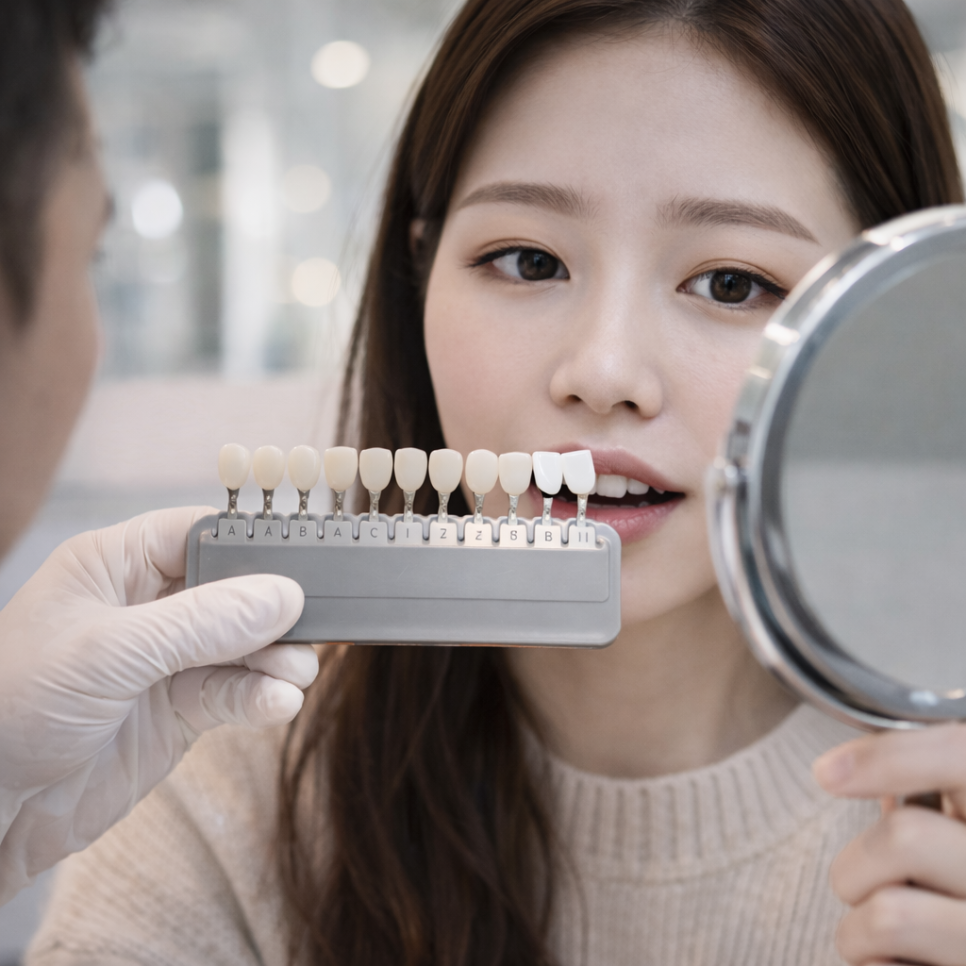 Today, let’s take a detailed look at no-prep laminate, which helps complete a beautiful smile while carefully protecting your natural teeth.
Why is no-prep laminate getting so much attention?
Recently, as more people have become interested in cosmetic dental treatment, no-prep laminate, which minimizes damage to natural teeth, has become very popular.
Traditional laminate required shaving off about 0.3 mm to 0.5 mm of the tooth surface, but no-prep laminate, as the name suggests, is a method of attaching a thin restoration with little to no tooth reduction.
This is its biggest advantage.
I think this treatment is very appealing because it can preserve the original structure of the tooth as it is.
The procedure is relatively quick and there is almost no pain, so it is less burdensome than many dental treatments.
It is especially recommended for cases where the teeth are small, the front teeth are slightly spaced apart, or when adding just a bit of volume could make the smile look much more beautiful.
 When is no-prep laminate suitable?
No-prep laminate is not a treatment that can be applied to everyone, and the best results are achieved under specific conditions.
It is especially well suited for patients with "microdontia," where the teeth are smaller than normal and need more volume, or for cases where there are natural gaps between teeth that can be beautifully filled with a custom design.
It can also be a good choice when the teeth are relatively well aligned and you want to restore worn areas or make the tooth color brighter.
However, if the tooth alignment is severely irregular, discoloration is too severe, or if you have a bruxism habit like I do, it is better to carefully consider regular laminate or other orthodontic methods.
If you are considering no-prep laminate, I think it is important to first consult thoroughly with the medical staff and receive an accurate diagnosis of which treatment is most suitable for your tooth condition.
Rather than focusing only on the word "no-prep," it is wiser to find the optimal solution that fits you.
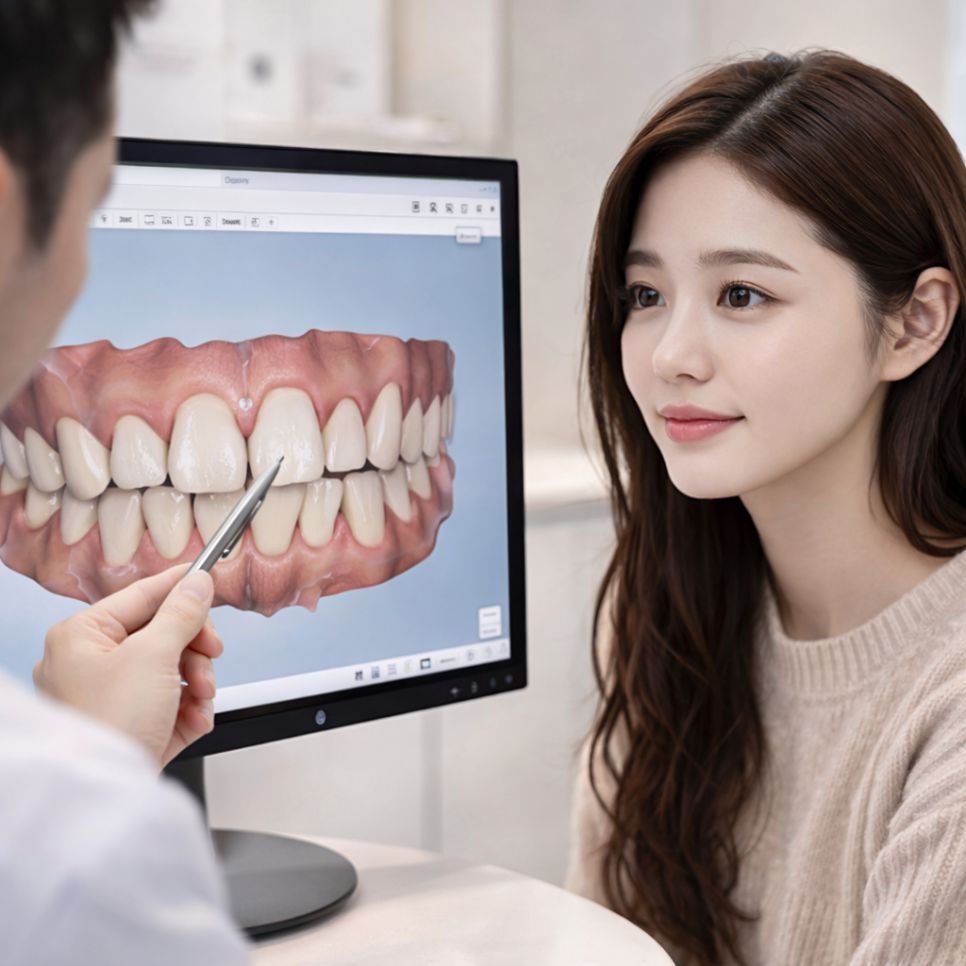 What is the difference between regular laminate and no-prep laminate?
The biggest difference between regular laminate and no-prep laminate is whether or not tooth reduction is performed.
Regular laminate assumes about 0.2 mm to 1.2 mm of tooth reduction in order to change the shape of the teeth, but no-prep laminate involves little to no shaving of the tooth, or only minimal surface adjustment of about 0.1 mm.
I think this is the main reason many people prefer no-prep laminate.
Because of this difference, no-prep laminate often does not require anesthesia, and the procedure feels much less burdensome.
In addition, because the restoration is bonded while the enamel is fully preserved, there is an academic consensus that the risk of detachment is relatively lower than with traditional procedures.
I see this as a very positive factor when thinking about dental health.
However, an important point here is that the term "no-prep" may not necessarily mean that the teeth are left completely untouched.
Very fine surface adjustment may still be necessary, so it is wise to confirm the exact amount of reduction with the medical staff before deciding on the procedure.
I always think transparent information sharing is important.
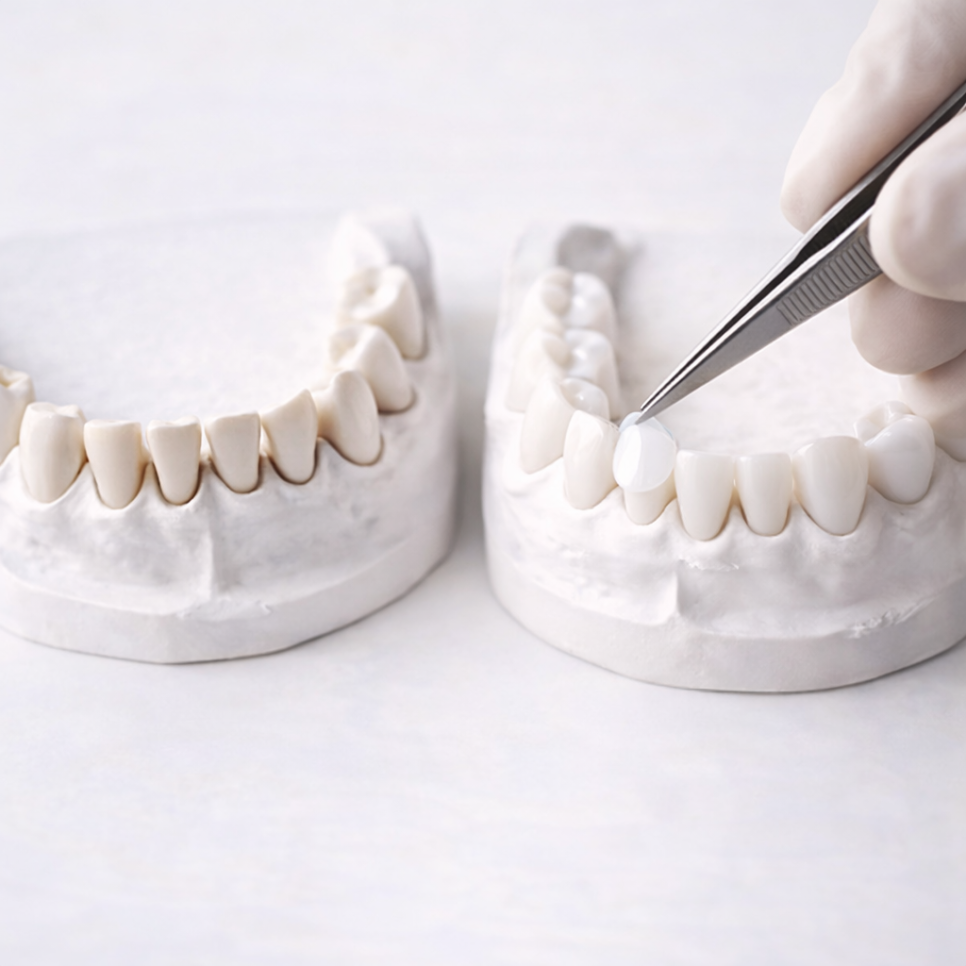 What kinds of laminate materials are there?
The material used for laminate greatly affects the durability and aesthetics of the treatment, so it must be chosen carefully.
The main materials used are ceramic (porcelain), resin, and zirconia.
Each material has clear pros and cons, so it is best to choose according to your own situation.
Ceramic laminate tends to have a long lifespan of around 10 to 15 years on average, and it has excellent color stability, so there is less concern about discoloration.
In particular, lithium disilicate ceramic is known for its high strength and natural aesthetics, and is popular with many people.
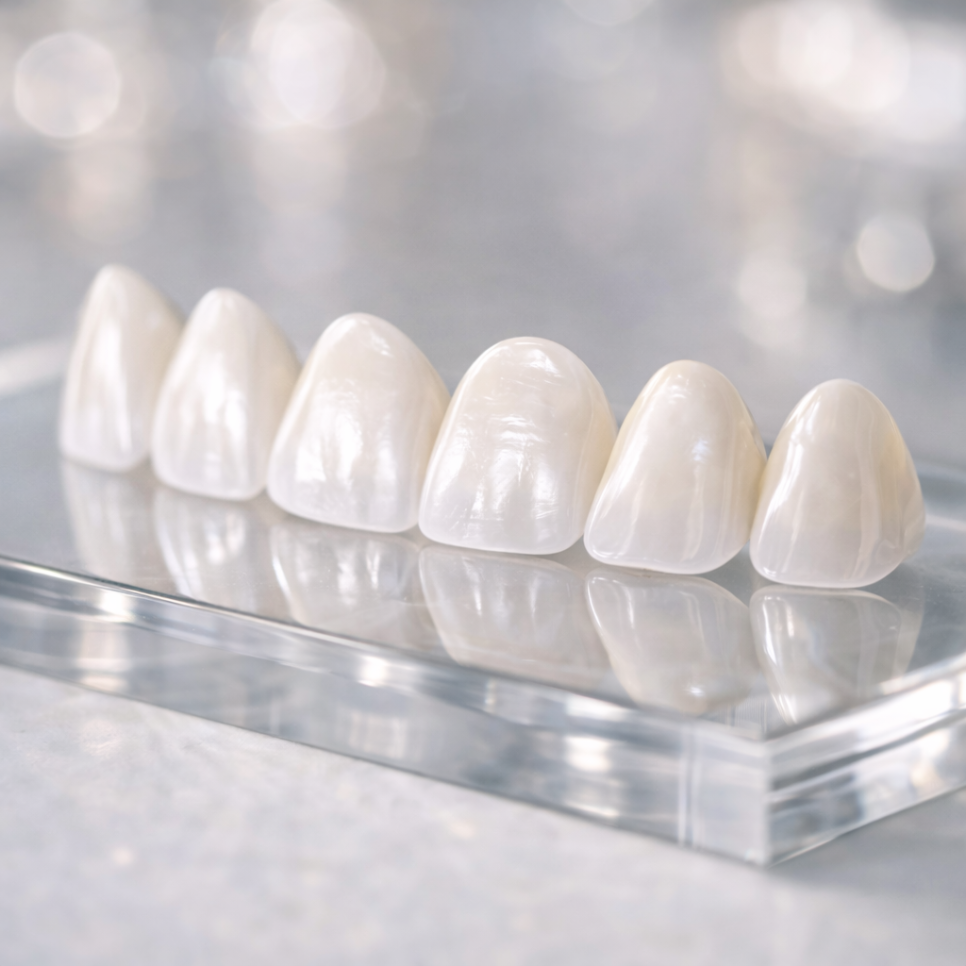 I would recommend this material if you want a natural-looking smile.
On the other hand, resin laminate has the advantage of being easy to make and lower in cost, but its lifespan is shorter, around 3 to 7 years on average, and it may be more vulnerable to discoloration and wear.
Therefore, when choosing a material, you should discuss it thoroughly with the medical staff and consider your lifestyle, budget, and desired aesthetic results in an overall way.
Post-treatment care is the key factor that determines laminate lifespan
The average lifespan of no-prep laminate is about 10 to 15 years, but depending on how you care for it after the procedure, it can last more than 20 years.
To use laminate for a long time, I want to emphasize that proper tooth brushing and flossing are the most important parts of maintaining oral hygiene thoroughly.
Also, habits such as biting directly into hard or chewy foods with your front teeth, such as almonds or dried squid, or biting your nails can greatly increase the risk of fracture or detachment, so they must be avoided.
These small habits affect laminate lifespan more than you might think.
 It is important to carefully check the condition of the laminate through regular dental checkups and scaling, and to detect and manage early whether gum inflammation or secondary caries has developed.
I think consistent care is ultimately the secret to preserving a beautiful smile for a long time.
What should you watch out for with no-prep laminate?
No-prep laminate has the great advantage of requiring minimal tooth reduction, but there are also a few things to keep in mind.
First, the bonding method itself is not much different from regular laminate, so even though it is "no-prep," it is not something that can be easily removed later.
When removing it, fine surface adjustment may be needed in the process of removing the strong adhesive, so you should understand it as a semi-permanent treatment and decide carefully.
Second, because it is attached without shaving the tooth, it can create a sense of bulk or volume, making the teeth look larger than they originally are or slightly protruded.
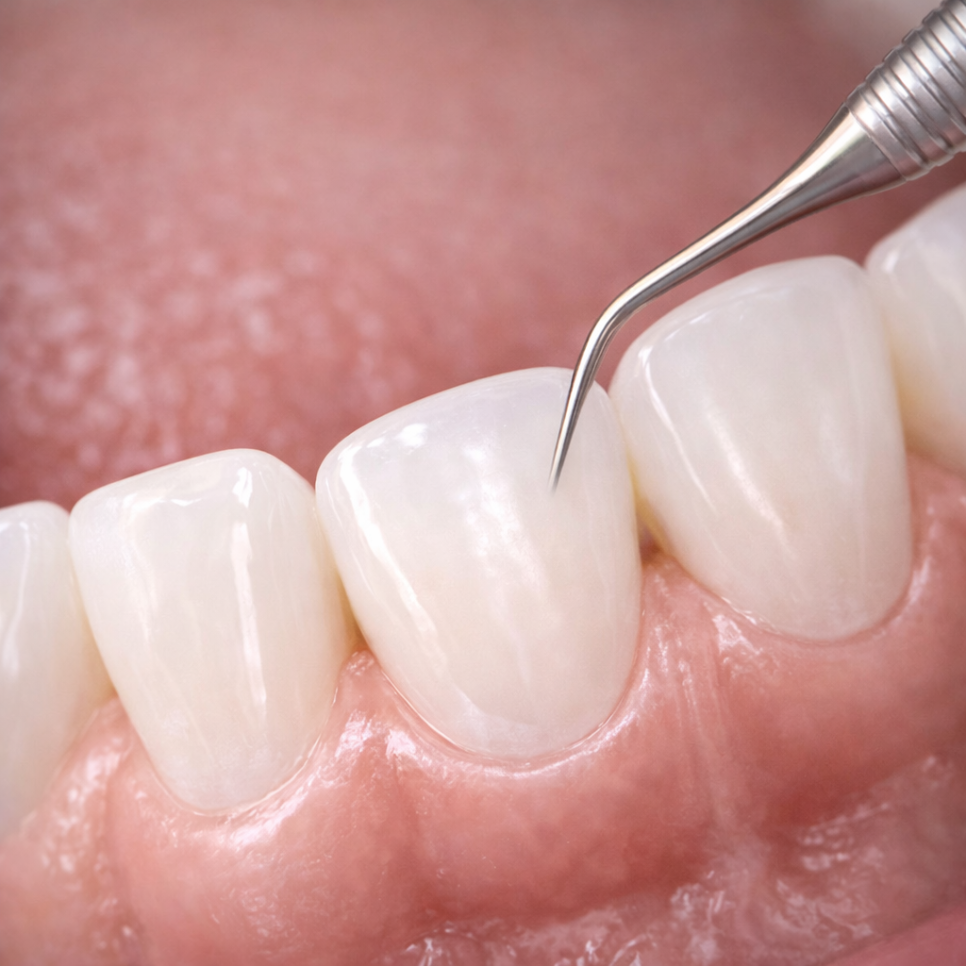
This can be a disadvantage, especially for people whose teeth are already protruded.
So it is important to understand the expected results accurately through sufficient consultation before treatment.
Third, if the finish at the border between the laminate and the gums is not clean, gum inflammation can occur, so delicate technical skill from the medical staff is essential.
I think choosing an experienced medical team is a key factor that determines the success and satisfaction of no-prep laminate.
 A wise choice for a beautiful smile
So far, we have looked in detail at no-prep laminate, which is essential for preserving natural teeth.
No-prep laminate is certainly an appealing option because it minimizes tooth reduction while helping preserve natural teeth and create a beautiful smile.
However, as with any procedure, it is important to make a wise choice by considering your tooth condition, lifestyle habits, and the results you expect in a comprehensive way.
I hope this information helps you set your own criteria for choosing the most suitable no-prep laminate and maintain a healthy, beautiful smile for a long time.