♥ Click the image above to watch the related video. ♥

The breasts are one of the body parts that symbolize femininity. The bust, which develops through secondary sexual development, ages faster than expected after the mid-20s. While many people pay close attention to signs of aging that begin in the skin, they often do not focus on changes in the upper body line. Over time, it can gradually sag and shrink, causing the size to decrease.
Hormonal changes that occur suddenly during pregnancy and childbirth also cause the fat and glandular tissue in the breasts to lose firmness. Sagging can bring inconvenience to daily life and lead to feelings of withdrawal and a loss of confidence. Some people feel more stressed as their appearance changes, and even when they wear nice clothes, they feel far from the image they had hoped for, leading to frustration. If you want to correct this area and change to a more voluminous body line, it may be helpful to undergo breast ptosis correction that considers balance by analyzing your individual body shape and adjusting it to an appropriate size and shape.

It is said that sagging can occur due to reduced skin elasticity, changes caused by pregnancy and breastfeeding, natural physical traits, or sudden weight changes. The shape of the bust that women worry about can also vary from person to person. Since the degree of drooping and the balance between both sides differ, the current condition must be analyzed carefully, and it should be correctly determined whether breast ptosis correction is needed before proceeding.

Depending on the position of the nipples, it can be inferred that the bust is sagging. If this point is more than about 3 cm below the inframammary fold, the condition becomes noticeable and can be clearly inferred. Some people can tell just by looking, while others feel that even one aspect of the upper body line is lacking.
It is said that some people have breasts that are not large but sit about 1 cm below the inframammary fold, or have volume but the prominent part is 2–3 cm lower, leaving them feeling quite dissatisfied.
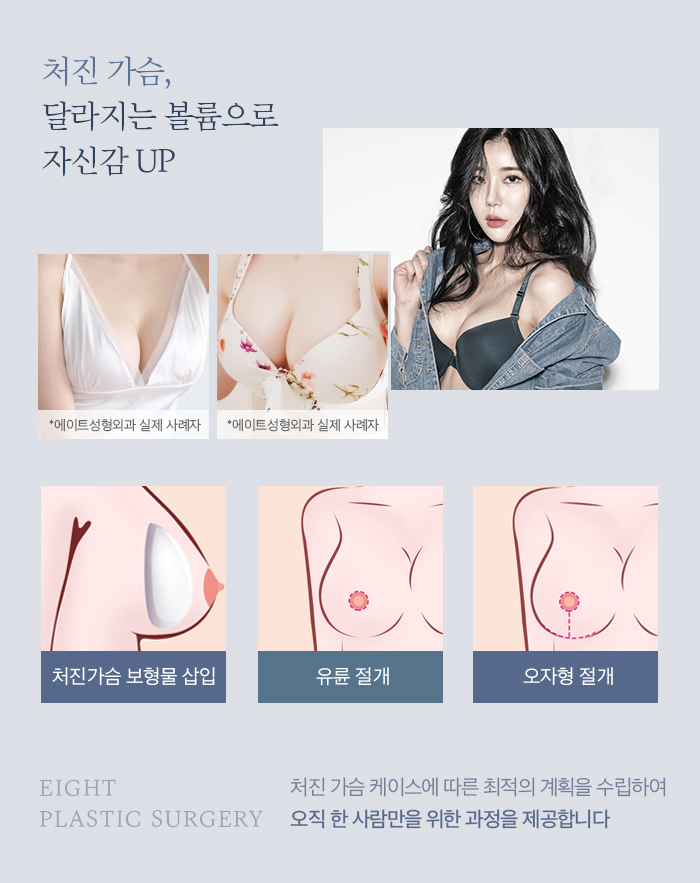
As such, the breast ptosis correction method is said to be carried out differently depending on the shape of the bust. For those whose nipple position is above the inframammary fold and whose upper body volume has disappeared, or whose breasts have sagged but not severely, it is good to insert material that helps preserve the shape without distorting it. This creates upper volume and overall volume, giving the body a more three-dimensional line.
And in the case of those whose prominent part is below the inframammary fold, a method is needed to correct the position for breast ptosis according to the person’s style among the mild, moderate, and severe stages. For those who have little volume and appear to sag downward significantly, the two steps mentioned above need to be performed together. The goal is to lift them into the proper position and help replenish the lacking volume.
We have explained the process of breast ptosis correction and filling in material that helps preserve the shape. In addition, augmentation procedures, areolar expansion, which simultaneously adjusts breast ptosis and the size of the areola, and, in cases where the bust is actually large and therefore sags, an O-shaped incision are used to shape it in a way that suits the body.
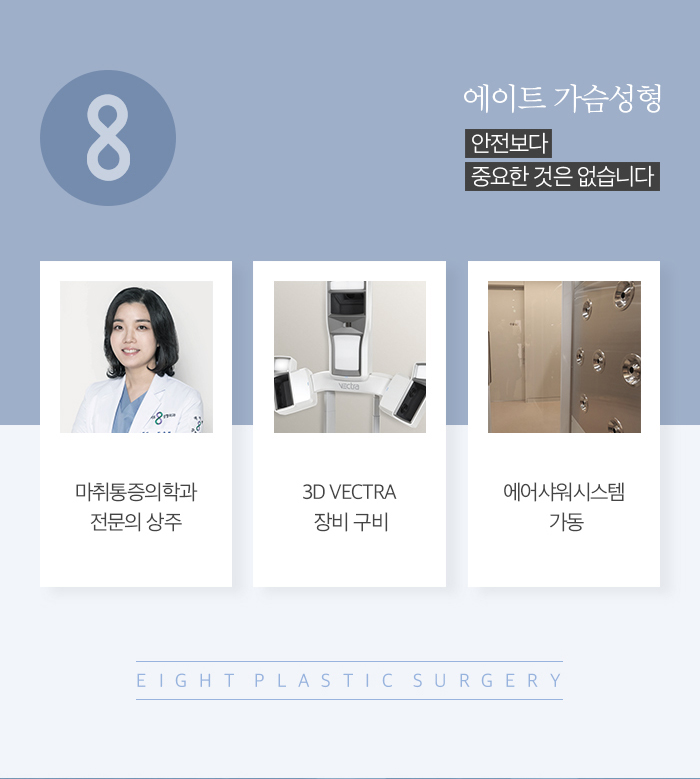
We strive to carefully analyze physical conditions so that each person can be given a harmonious size. An experienced and skilled specialist in solutions directly handles the procedure and provides care. We hope you make a wise decision at a place that systematically establishes a customized plan that considers not only the direction you are pursuing but also a beautiful design and proportions.