As summer arrives, many people leave inquiries about breast augmentation and come in for consultations. However, there are also quite a number of people who ask about breast ptosis surgery rather than breast augmentation. Drooping breasts can occur for various reasons: breasts becoming saggy because they are large, breast sagging after breastfeeding or childbirth, or loss of volume after rapid dieting. Since the concerns differ from person to person for many reasons, it is advisable to receive an accurate diagnosis and learn about possible improvement methods.


Previous image
Next image
Usually, when breasts sag because they are large, the space between the breasts and the abdomen decreases, and when the skin touches, sweat can form and skin friction can occur, which may lead to skin problems. In summer, the situation can feel even more uncomfortable and the discomfort can increase. This can also lead to shoulder pain and may be a cause of back pain. The larger the breast size, the greater the load from the neck down to the shoulders and lower back, so if these problems continue for a long time, asymmetry in body shape may also occur, making it helpful to look for a way to improve it.
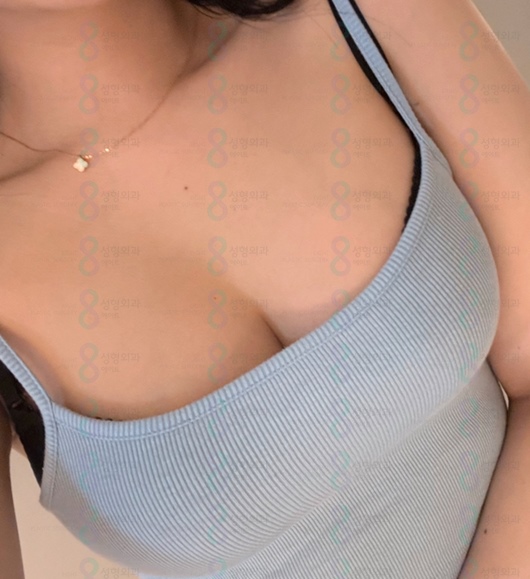
People considering breast ptosis surgery may look into it for these reasons as well. Even when wearing clothes, they may worry because the body looks bulky and the fit does not look flattering, and many people also seek consultation because breastfeeding or post-childbirth sagging breasts have lowered their self-esteem.
Generally, sagging breasts are classified into stages based on the distance between the nipple and the inframammary fold, and the appropriate surgical method may differ accordingly. Usually, when the nipple is located 4–5 cm above the breast fold, it is considered normal; when the nipple is within 1 cm above the breast fold, it is considered mild; when the nipple appears to be 1–3 cm below the breast fold, it is considered moderate; and when it appears to be more than 3 cm below, it is considered severe.
These causes can range from the large breast size mentioned earlier to changes in glandular tissue development after breastfeeding, decreased hormone secretion in the area that nursed, and resulting shrinkage of glandular tissue or sagging due to reduced skin elasticity. Sagging after dieting can also be caused by these factors.
However, unless the breasts were originally somewhat large, the cause is often volume loss. This can be classified using the nipple-to-fold distance described above. If the position of the nipple is normal or around the mild stage, breast ptosis surgery using implants can be sufficient for correction.
If the sagging is severe, a lifting procedure may be necessary. This can be done by resetting the position of the nipple or by reducing the breast volume. Because the incision area and surgical method vary in detail depending on an individual’s physical characteristics and the condition of the breast tissue, it is important to consult sufficiently with a board-certified plastic surgeon who has 전문적인 의료지식? Wait translate fully: professional medical knowledge and expertise in breast anatomy and breast surgery.
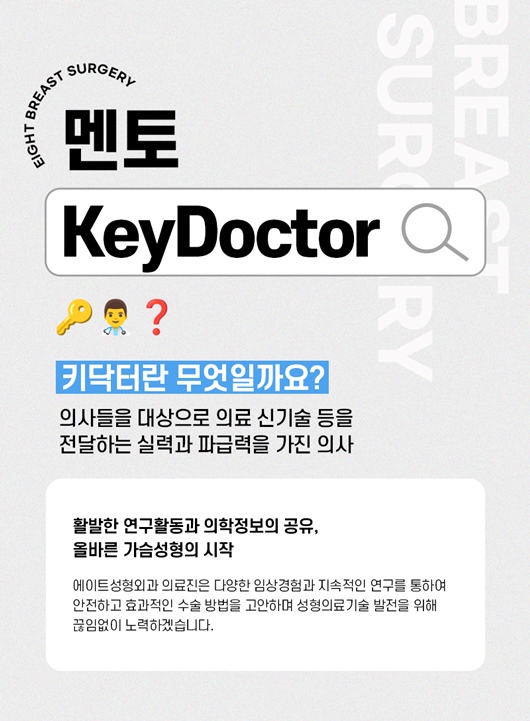
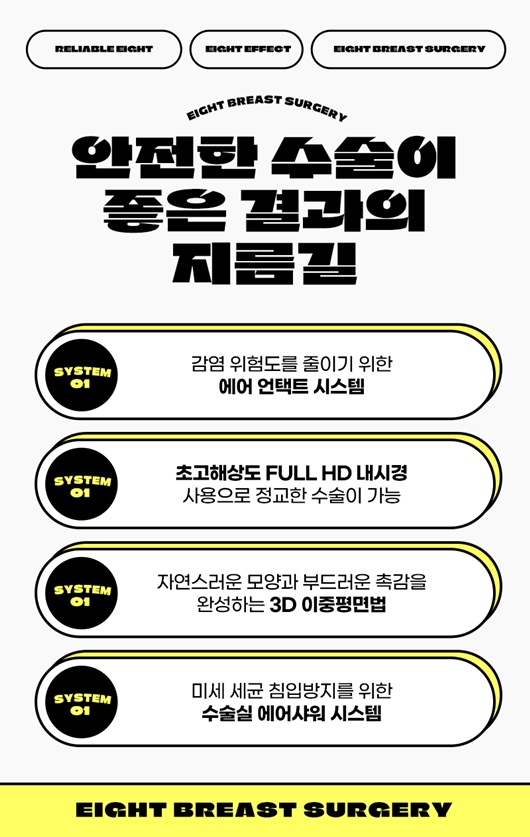
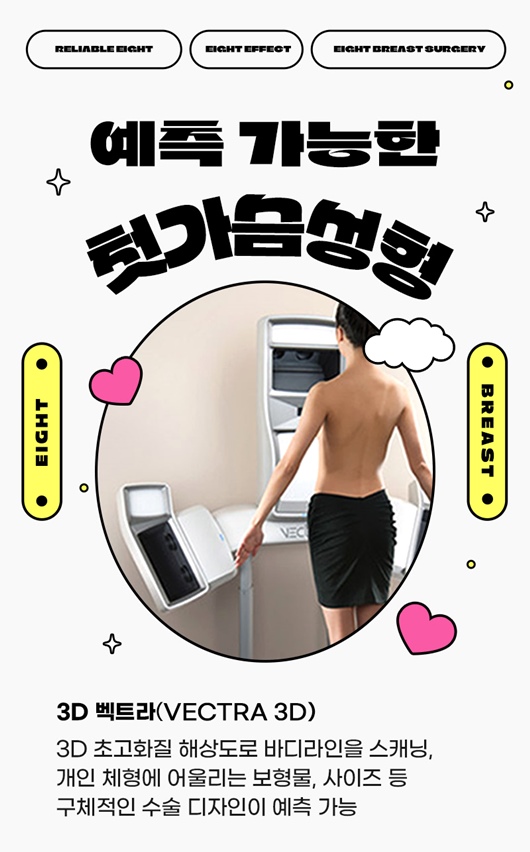
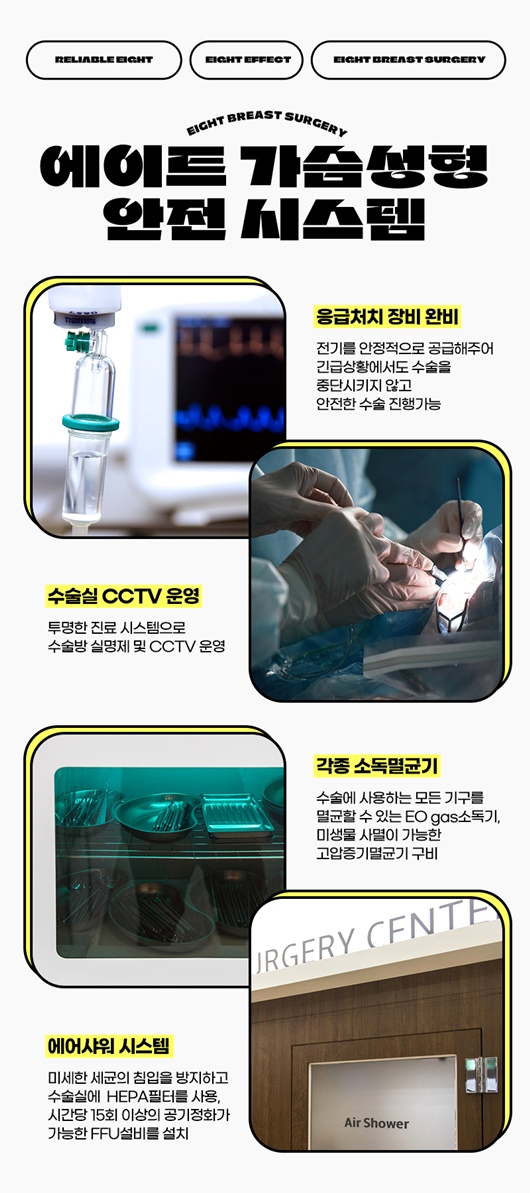
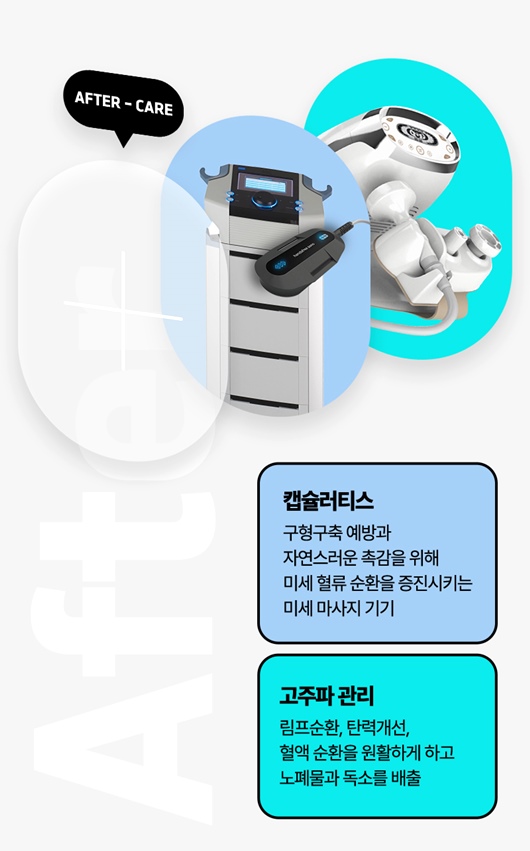
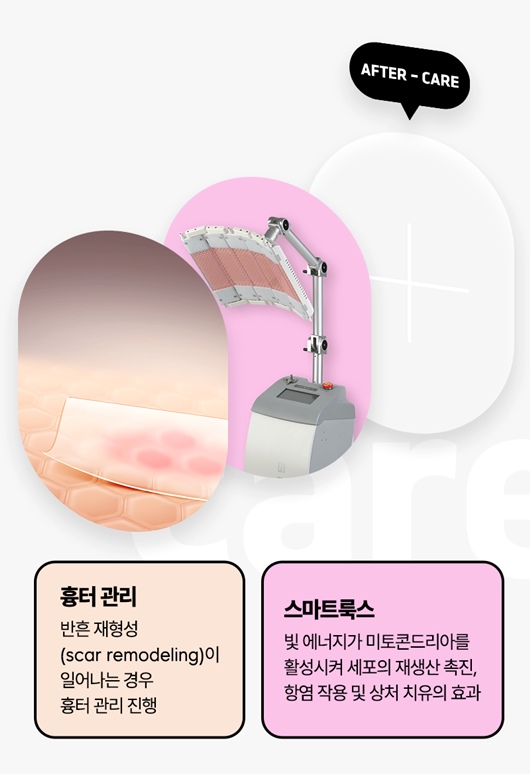
At Eight, where Mentor Kidoctor is on site, you can receive more specialized care, so there is no need to worry. In cases of moderate or severe symptoms, tissue removal may be necessary during breast ptosis surgery, which can also raise concerns about scarring. Here, we help manage scars through various aftercare services, and because the surgery is performed with precise and detailed care to minimize tissue removal, you can expect a stable procedure while also reducing the burden of recovery. This is possible thanks to the expertise and know-how of the director as well as the specialized medical system in place.
Previous image
Next image
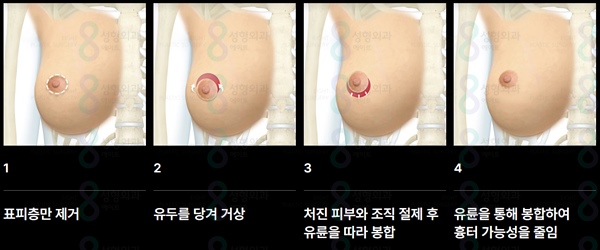
Breast ptosis surgery for breast reduction purposes can be performed with peri-areolar incisions or anchor-shaped incisions. A peri-areolar incision removes some breast tissue while excising skin along the circumference of the areola. By removing the epidermal layer and pulling up the nipple, a lift can be achieved. After excising the sagging skin and tissue, suturing is performed to match the areola, which can reduce the possibility of scarring and, accordingly, significantly lowers the burden of scars or nerve damage. It can be performed when the degree of breast sagging is not severe.
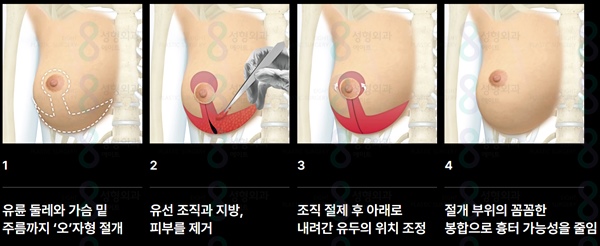
An anchor-shaped incision can be performed when the degree of sagging is severe. This method makes an incision in an anchor shape from the nipple to the inframammary fold, removing glandular tissue, fat, and sagging skin while lifting the drooping nipple and correcting it by suturing. It is a surgical method in which an anchor-shaped incision is made from the nipple to the breast crease. By removing glandular tissue, fat, and skin, the downward-drooping nipple is moved upward, and both sides of the skin are pulled together and sutured. It is suitable for cases where the breasts are very large and sagging is severe, or where little to no skin elasticity remains. Because suturing is done with careful attention to the incision site, expertise is needed to reduce the burden of scarring.
Of course, these methods vary greatly from person to person, so it is important to consult thoroughly with a board-certified plastic surgeon. Today, we looked at breast ptosis surgery like this, and for the details, I recommend visiting the clinic, receiving an examination, and discussing the plan in detail with the director.