Types of Breast Implants, Pros and Cons, and What to Look for When Reading Breast Augmentation Before-and-After Reviews
If you are preparing for breast augmentation, the first thing to consider is the choice of implant and the resulting changes before and after surgery. Today, for those looking for breast augmentation reviews while getting ready, I will organize useful information about breast augmentation before and after surgery.

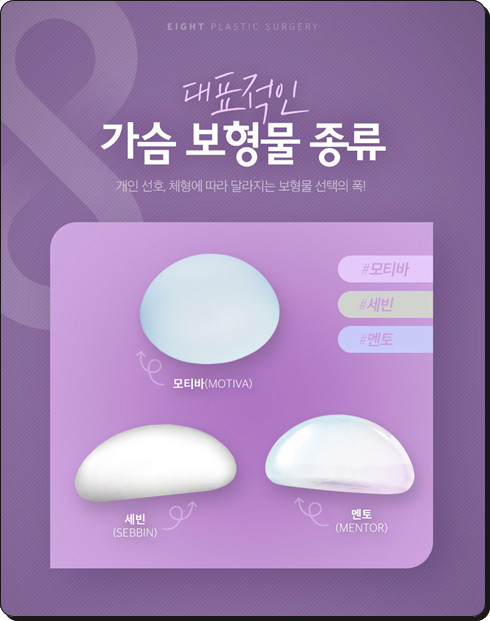
- Types of breast implants and their pros and cons – Mentor / Sebbin / Motiva
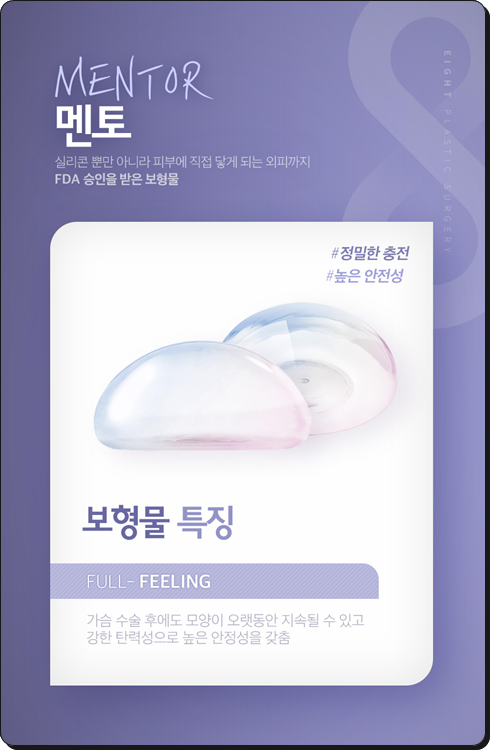
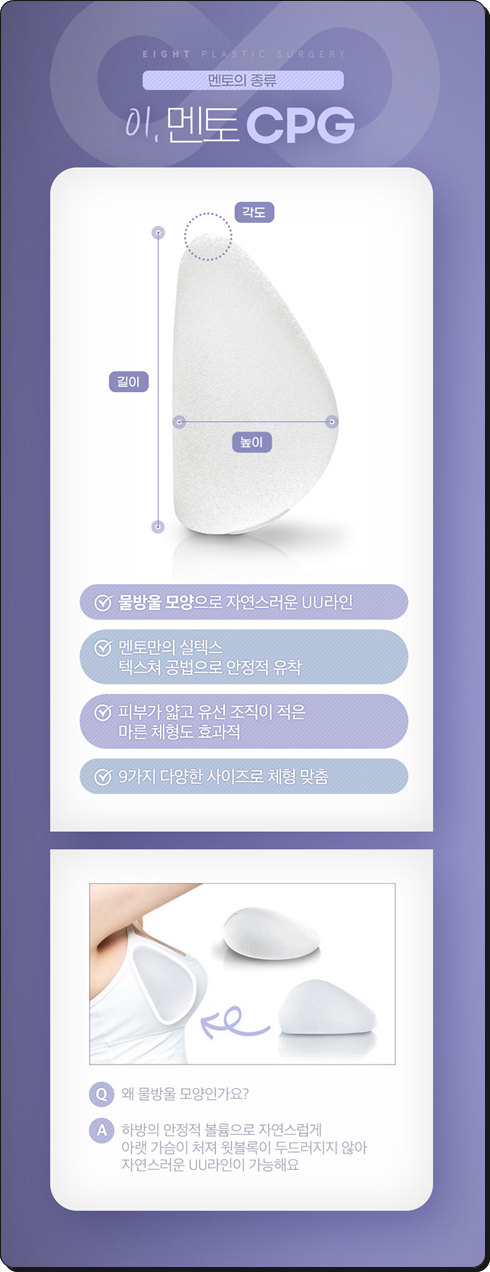
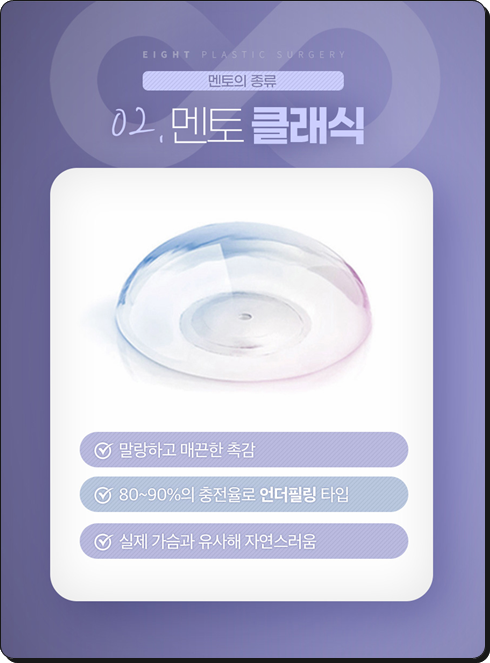
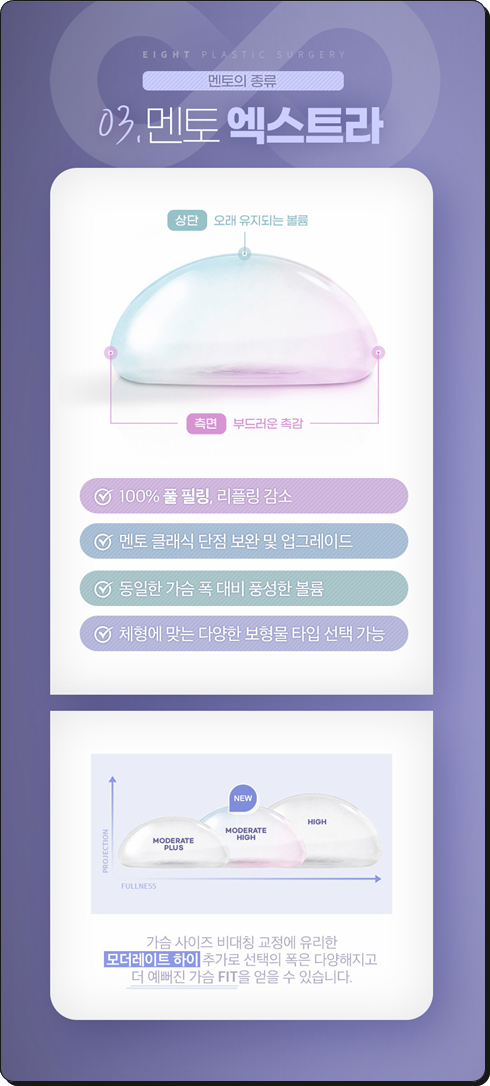
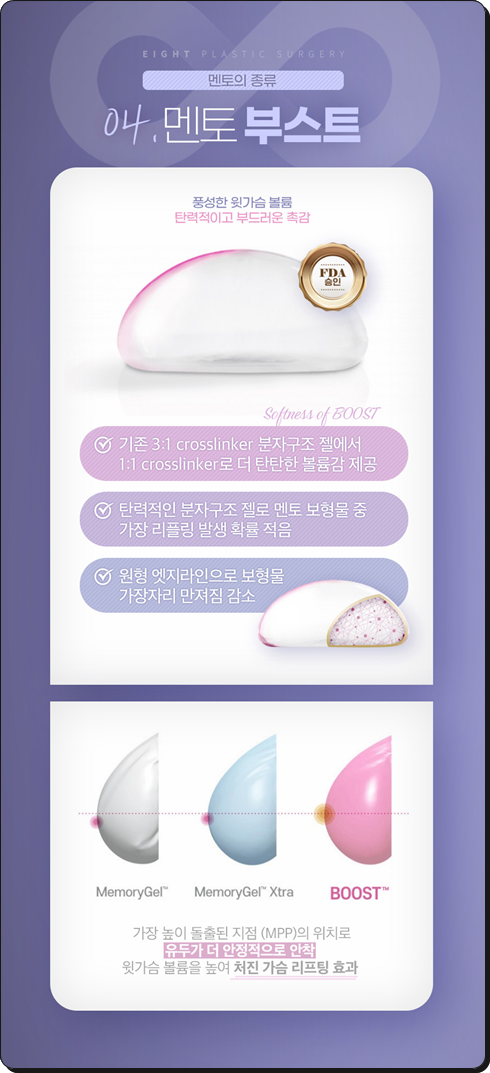
🔷 1) Mentor
An implant that continues to be chosen for its long-term clinical data and safety.
Pros
-
U.S. FDA approved, with extensive long-term data
-
Solid support + natural feel
-
A wide range of types for body-shape customization
-
Good post-surgery shape retention
Cons
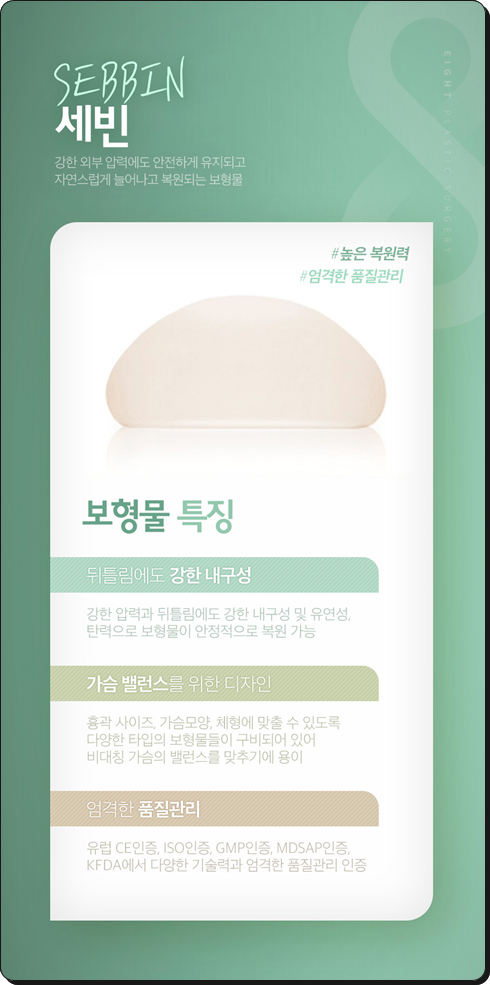
🔷 2) Sebbin
An implant made to European standards; a brand increasingly chosen by people who prefer a balance between feel and shape retention.
Pros
-
A feel that is between soft and firm
-
Customization for body shape through various textures and designs
-
Good shape stability, making it excellent for medium- to long-term retention
-
The price range is relatively more affordable
Cons
-
Brand recognition is lower than Mentor and Motiva
-
If the skin is very thin, careful selection is needed compared with other implants
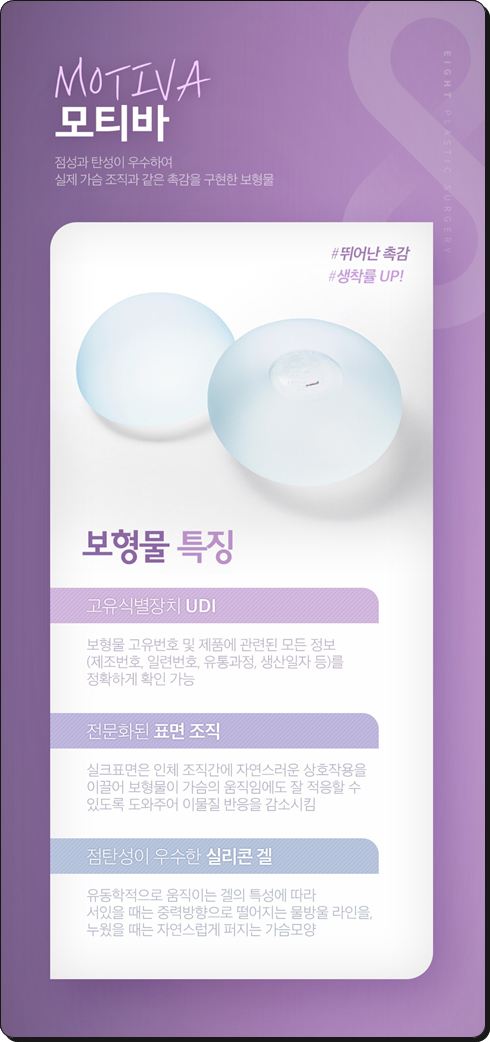
🔷 3) Motiva
Known for its soft feel, elasticity, and natural movement, it is one of the more preferred brands.
Pros
-
Very soft and natural feel
-
Natural movement and relatively low rippling rate
-
High satisfaction for those who want a natural breast line
Cons
- Key points to check before and after breast augmentation surgery
Before and after breast augmentation surgery, you should refer to the medical institution’s system.
✅ The role of air-untact and full HD endoscopy (reducing pain & recovery)
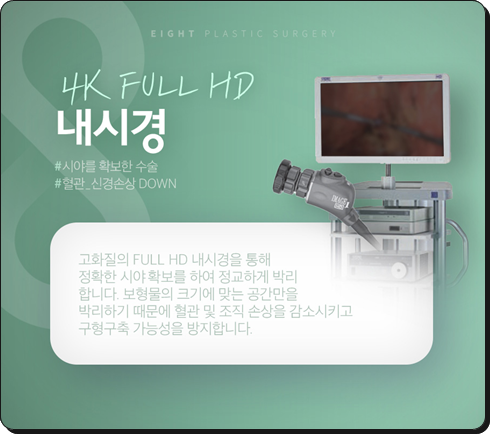
When breast surgery is performed using an air-untact system together with full HD endoscopy, it helps significantly reduce pain.
● Why?
-
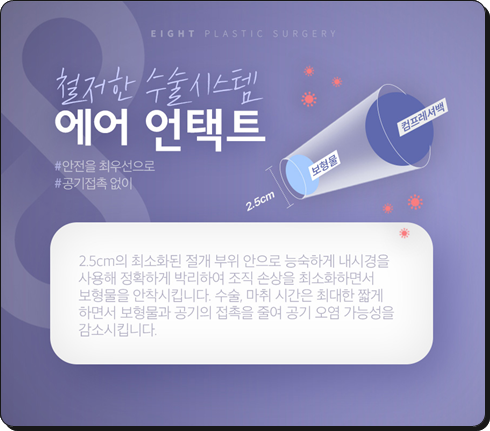
Minimal incision is possible, minimizing tissue damage at the incision site
-
Reduced bleeding and bruising, which lowers early swelling
-
Dissection is performed while viewing enlarged images through the endoscope, enabling precise surgery and shortening the operation time
-
Shorter operation time reduces anesthesia time, lowering overall pain and burden
-
The implant is inserted quickly without hand contact
-
Air contamination and bacterial exposure ↓ → lower infection risk
✅ Reasons for capsular contracture and prevention points
The exact single cause of capsular contracture has not been clearly identified, but it is known to occur due to the following complex factors.
● Causes of capsular contracture
-
Differences in contracture rates depending on implant material
-
Improper dissection (when the pocket space is not uniform)
-
Hematoma or seroma occurrence
-
Bacterial infection
-
Biological response / immune response
-
Implant position, surgical environment, and more
● How to prevent it?
-
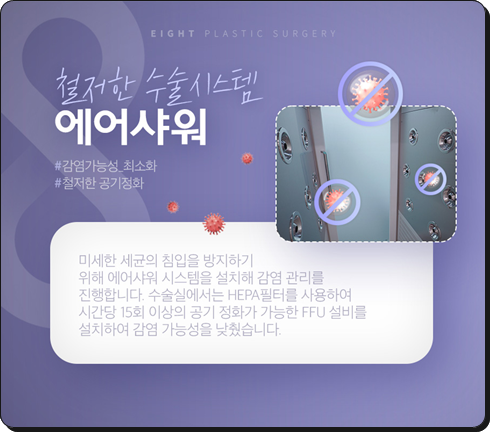
Operating room with an air-shower sterile system
-
Minimize air contamination and perform accurate dissection using endoscopy
-
Reduce tissue damage with minimal incisions
-
Fast and precise implant insertion (minimizing contamination)
-
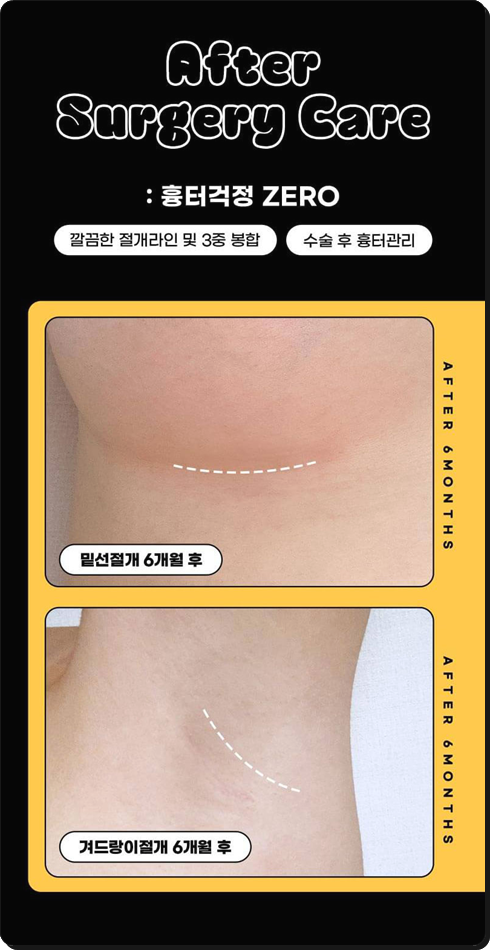
Strictly follow precautions during the post-surgery recovery period
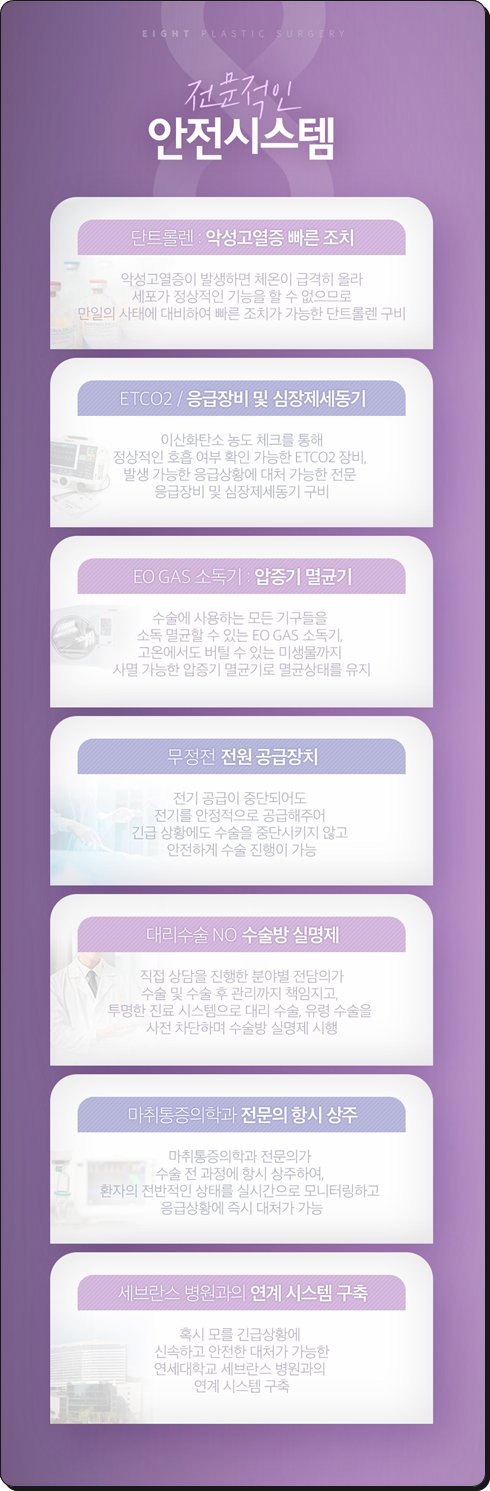
✅ Systems to check when choosing a medical institution
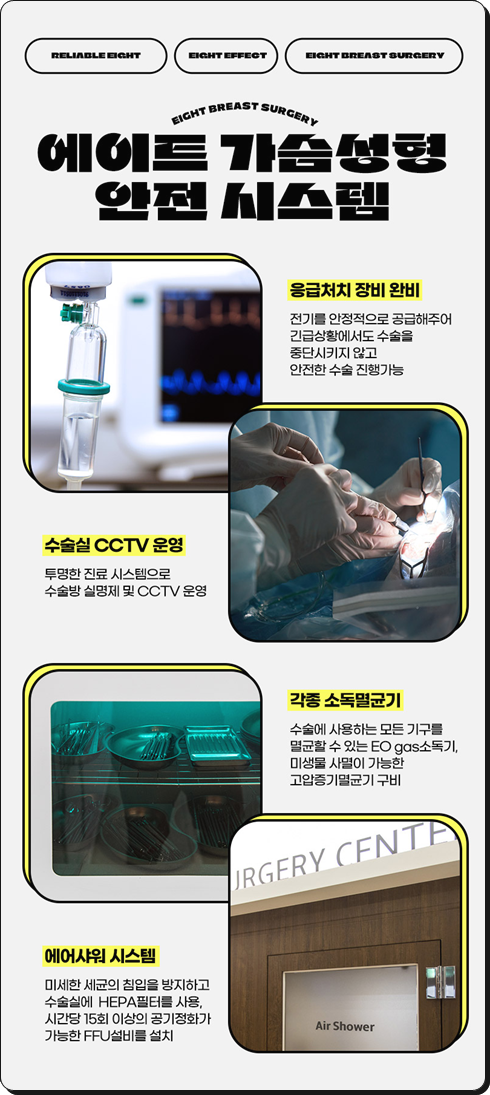
To prevent complications from breast augmentation, it is important to check the hospital’s surgical equipment, operating room environment, and management system together.
● Essential checklist
-
Whether CCTV is installed in the operating room
-
Whether an air-shower sterile system has been established
-
Use of air-untact (no-touch insertion) and full HD endoscopy
-
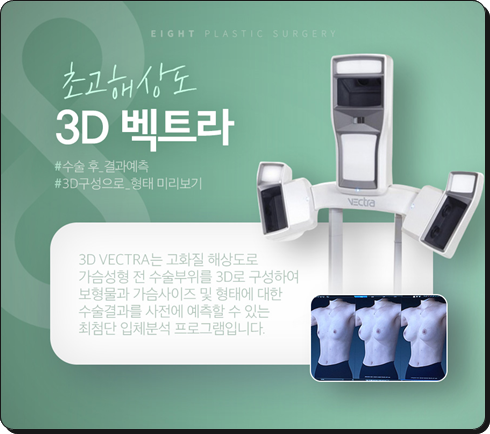
3D Vectra (breast line and volume simulation system)
-
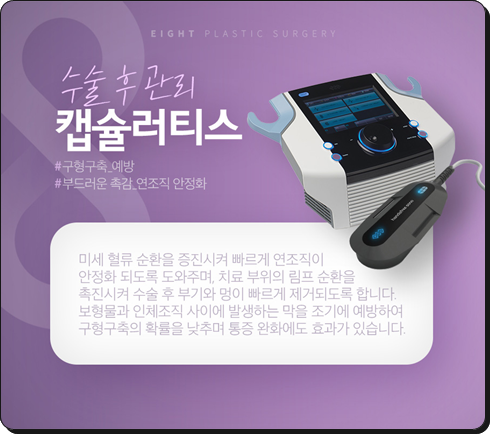
Capsulertis (early capsular contracture care program)
-
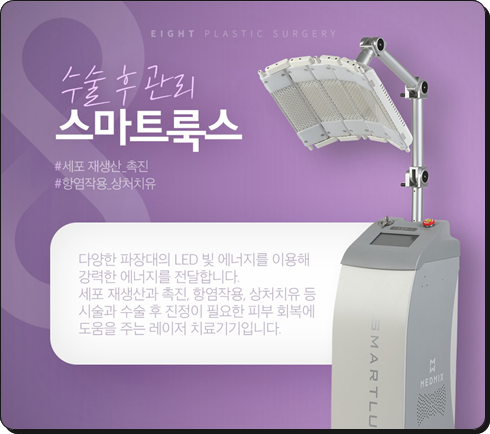
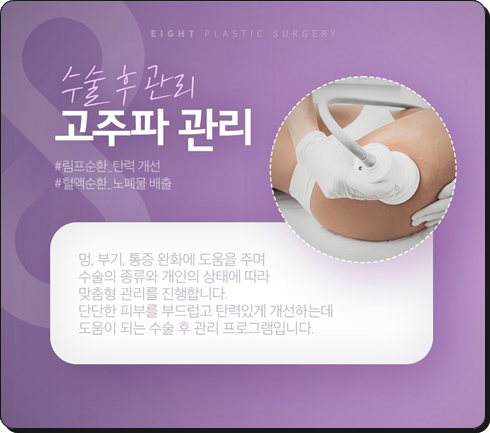
SmartLux (scar and swelling recovery management)
The better these systems are in place, the more they can help reduce the likelihood of complications such as infection, contracture, and asymmetry.
✅ Points for assessing expertise
Depending on the medical institution, some hospitals are officially designated by Mentor’s headquarters as a “breast training center.”
This means the hospital meets a certain standard in implant and breast surgery education, surgical skill level, and medical systems, so it is a useful reference for assessing expertise.
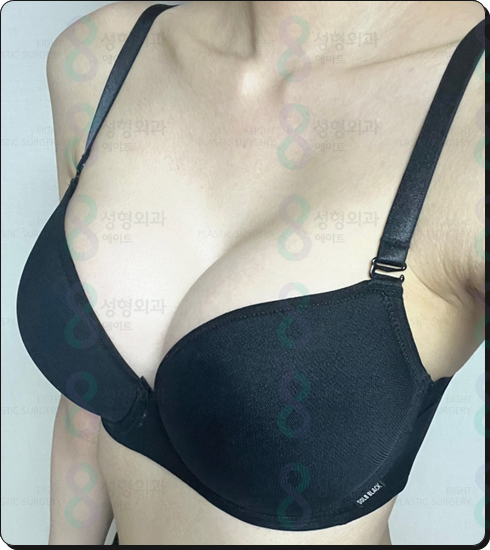
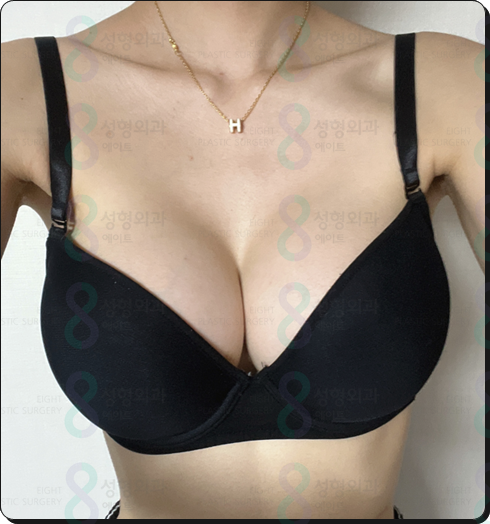
- Points mentioned in breast augmentation reviews
🔍 1) Pain and recovery period
-
Many reviews say, “The first 2–3 days were the most uncomfortable”
-
In general, daily life is possible within 1 week
-
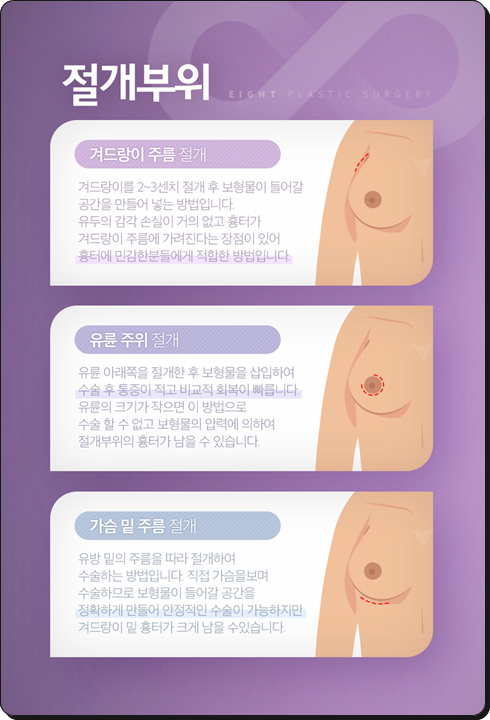
Pain varies depending on whether the muscle layer is dissected or on the incision site
🔍 2) When the feel changes
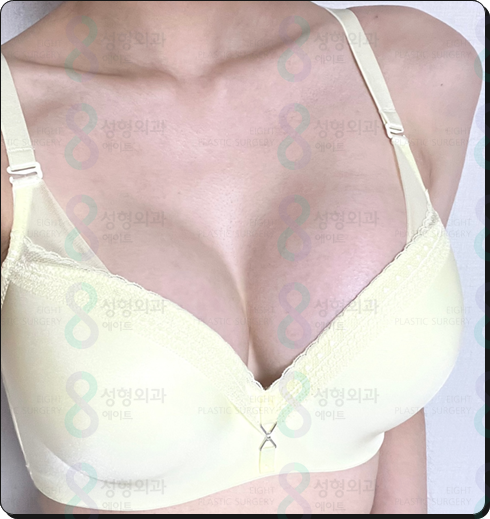
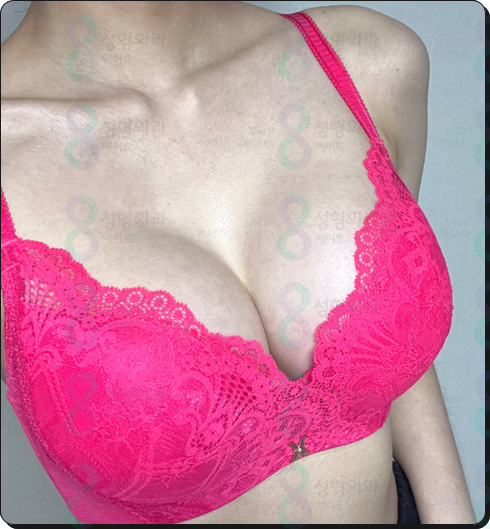
🔍 3) Satisfaction with symmetry and contour
-
This is the part that carries the most weight in reviews
-
Whether the upper volume is excessive
-
The degree to which the inner line (cleavage) comes together (there are individual body-shape differences, such as pectus carinatum)
-
Ongoing care is needed (follow precautions carefully)
- Summary
Breast surgery is important to perform by applying the appropriate implant type and size, as well as the surgical technique, according to the individual’s body shape and physical characteristics, the condition of the breast tissue, and preferences. In addition, since results can vary depending on differences in the implant selection, dissection method, breast analysis, and surgical equipment (endoscopy and air-untact system), we recommend making sure to consult thoroughly with a board-certified plastic surgeon at a medical institution with the proper expertise and to establish a detailed plan.
If you want a more satisfying result, please refer to the website, visit the clinic, and have a detailed conversation with the director to learn more about the specifics.