
Breast Augmentation Surgery Review: Implants, Recovery Time, and How to Minimize Side Effects
When preparing for breast augmentation surgery, you will likely look into reviews, implant price information, and ways to reduce side effects or recovery time after breast augmentation surgery. Today, we’ll talk about things that may help you make a plan.
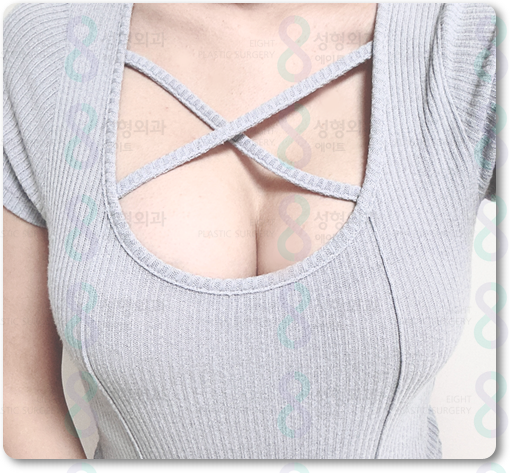
- Breast Augmentation Surgery Reviews
There are common points mentioned in many breast augmentation surgery reviews.
✔ 1) Satisfaction with size changes
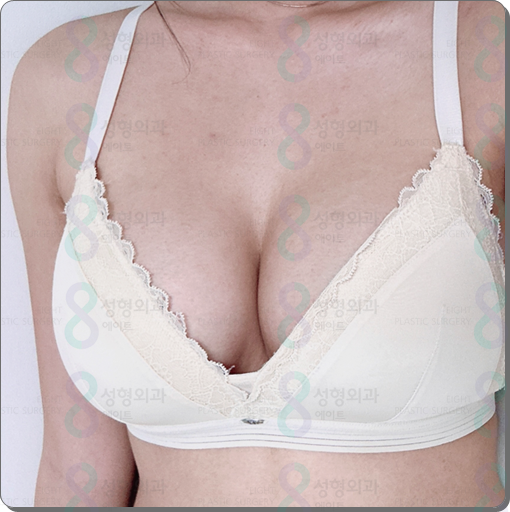
This is the most common review point. In most cases, when the procedure is done with a cc size that suits the basic body type and chest wall structure without overdoing it, people often say it looks natural and clothes fit better. On the other hand, there are also reviews saying they wished it were a little bigger than expected.
✔ 2) Texture
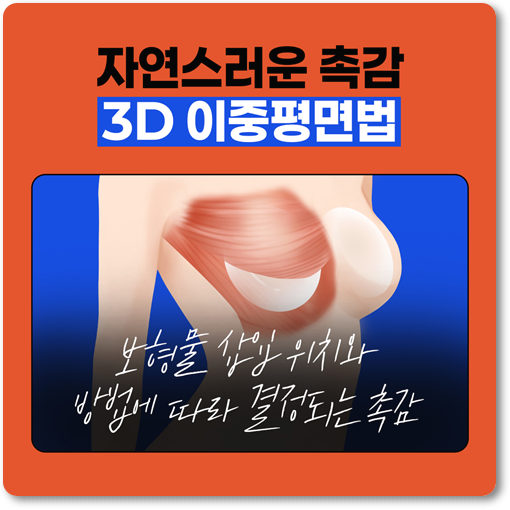
Some people feel it is stiff at first, but once the implant settles well and becomes stable, the change in texture feels natural over 3 to 6 months.
✔ 3) Pain
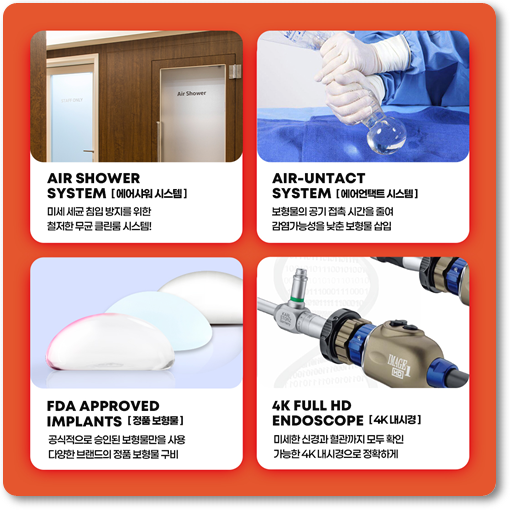
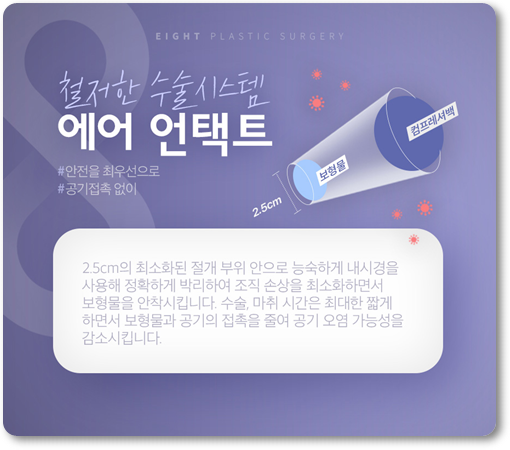
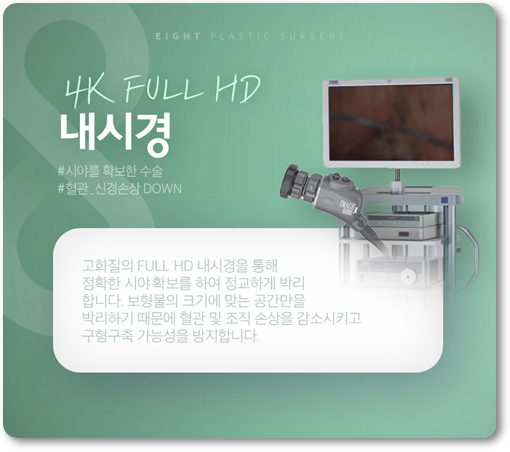
A pulling, heavy discomfort similar to muscle soreness is common for the first few days. Recently, however, know-how such as endoscopy, air-touch techniques, and precise dissection can reduce the burden of pain. Of course, these systems vary by medical institution.
✔ 4) Scarring
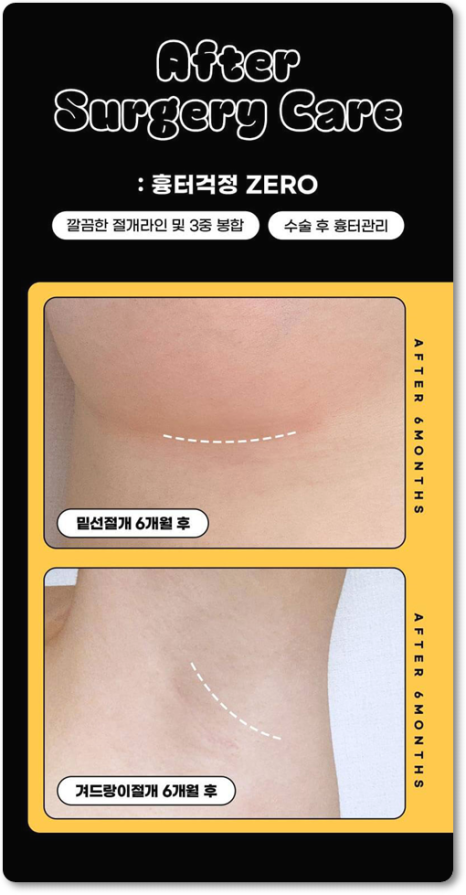
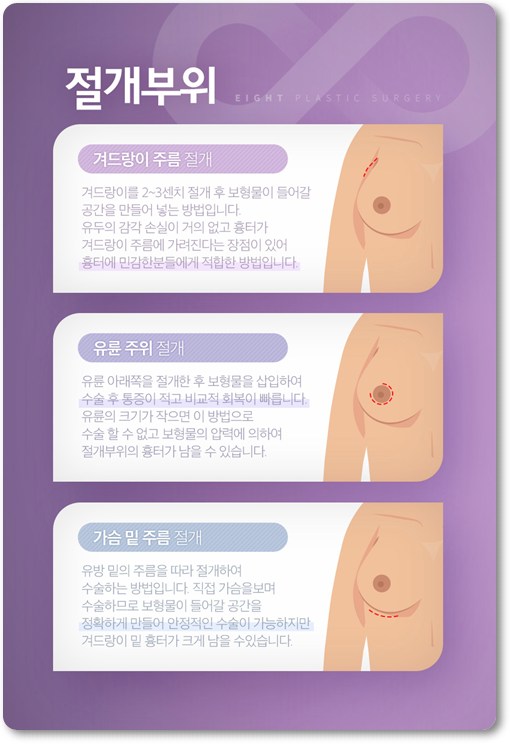
Satisfaction with reviews varies somewhat depending on the incision site (armpit / inframammary fold / areola), but places with a professional system and know-how tend to have less concern about scarring.
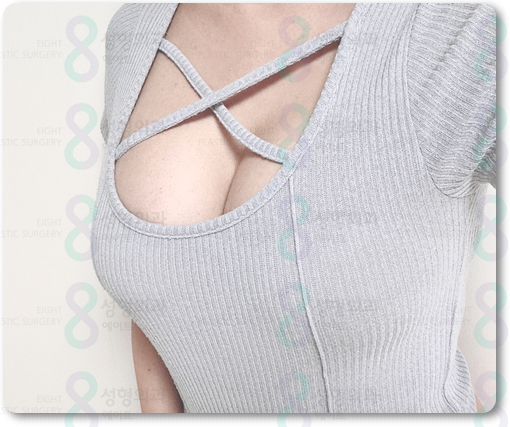
- Breast Augmentation Surgery Implants — Selection Criteria
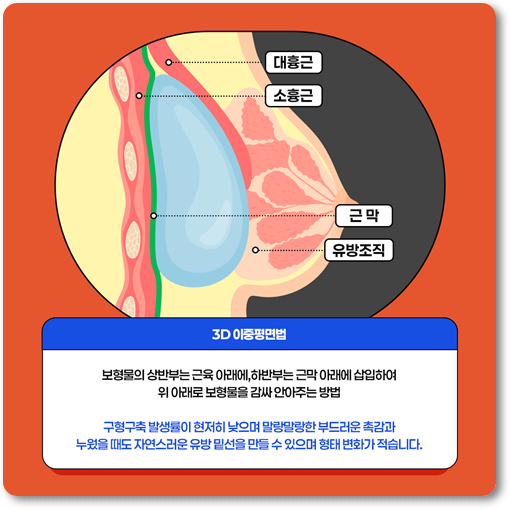
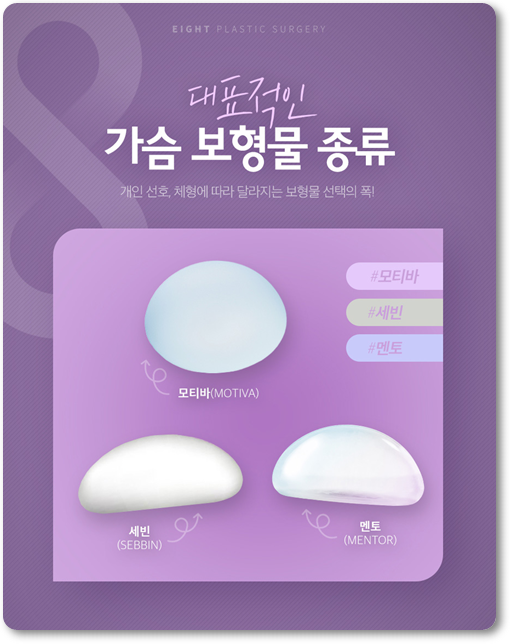
When it comes to implants, what matters most is not just the brand, but whether they match your texture, shape, durability, and body condition.
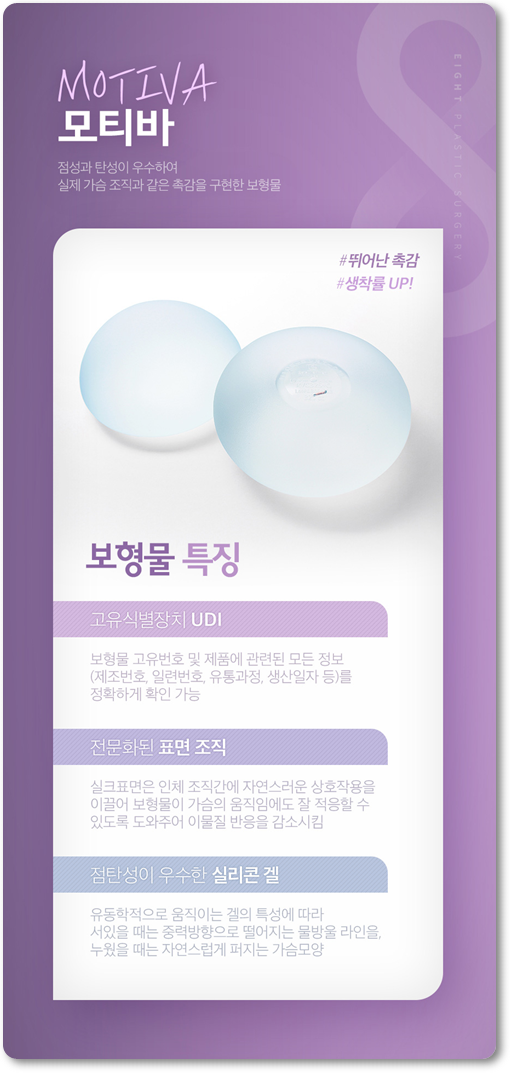
✔ 1) Motiva
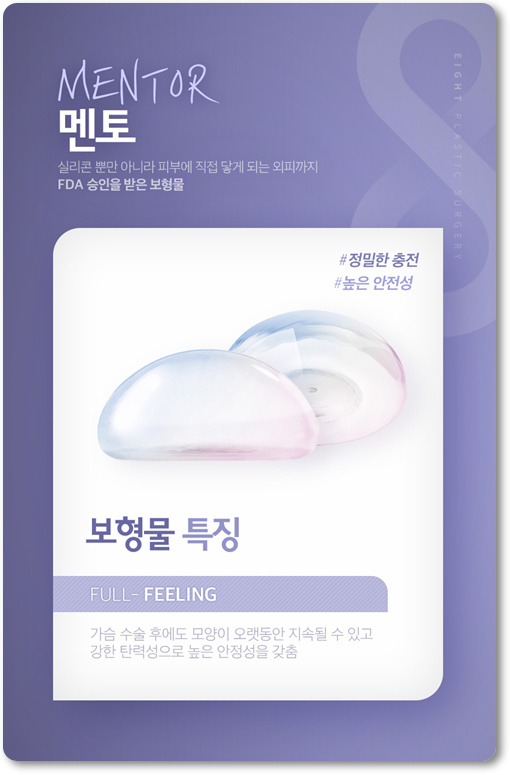
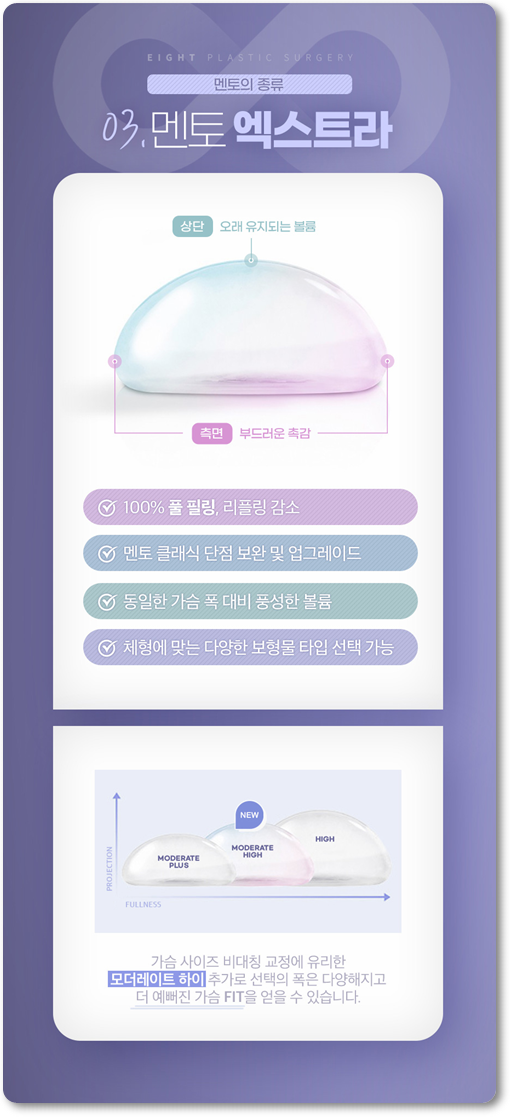
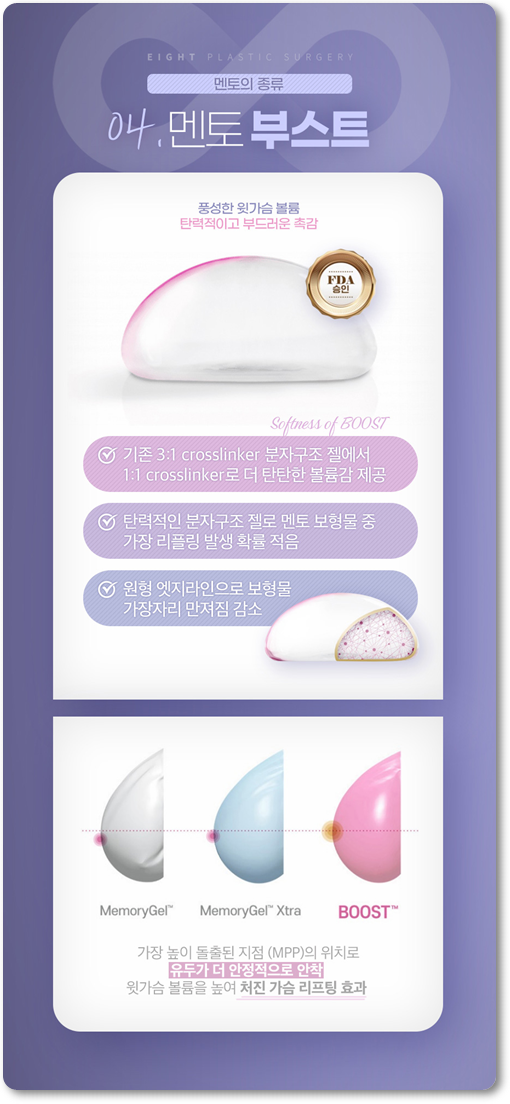
✔ 2) Mentor
-
Stable durability
-
A wide range of types and profile options
-
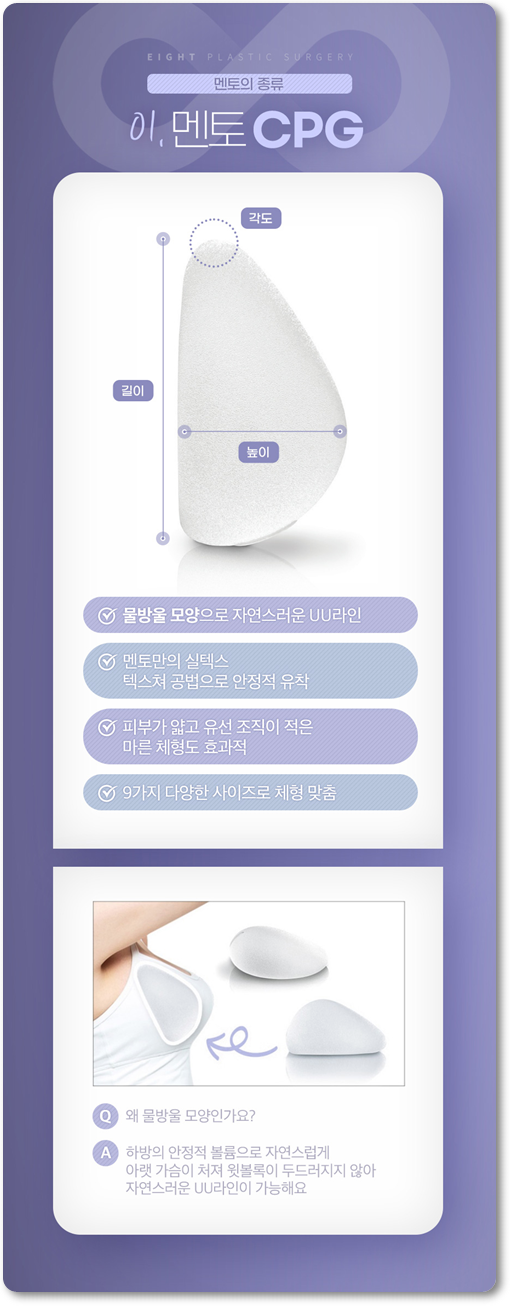
Teardrop implants available (Mentor CPG)
-
Suitable for both natural and glamorous lines
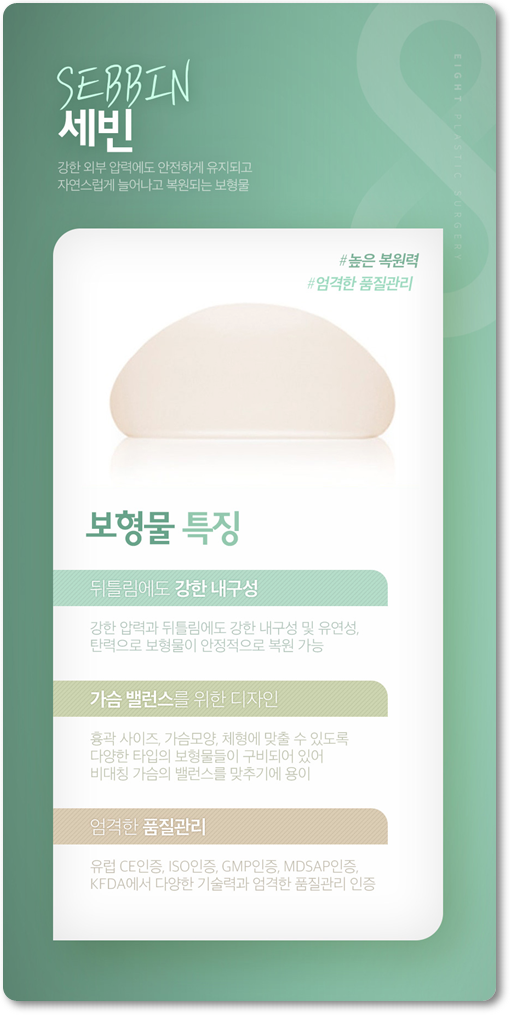
✔ 3) Sebin
-
Features such as firmness, texture, and durability
-
Consultation with a doctor is essential depending on body type, skin thickness, and chest width
✔ Key points for choosing an implant
-
Skin thickness
-
Amount of glandular tissue (how naturally a line can be created)
-
Chest wall / breast width (if too narrow, a high-profile option may not be possible)
-
Desired shape (natural / defined line)
-
Budget range you are considering
-
Whether you like the feel of the implant when touching it
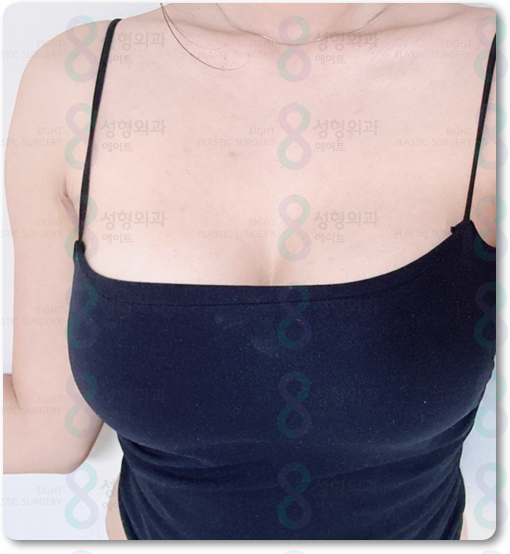
- Preventing Side Effects from Breast Augmentation Surgery
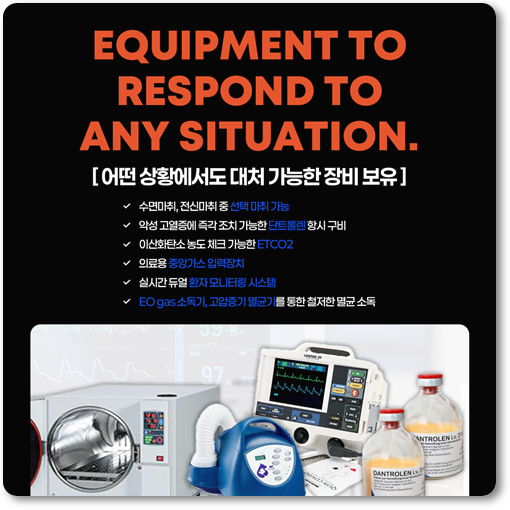
Breast augmentation is relatively safe, but to prevent possible side effects, precise dissection, expertise in handling implants, infection control, and aftercare are important.
✔ 1) Capsular contracture
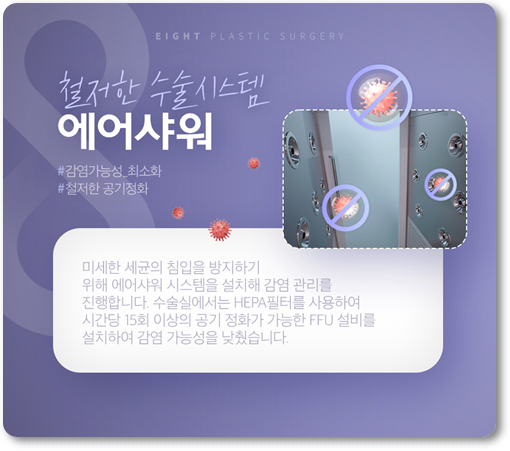
A condition in which the implant becomes hard. The risk can be lowered by having surgery at a place that performs full HD endoscopic dissection, uses an air-shower system for asepsis, and follows strict sterilization protocols.
✔ 2) Rippling
Can occur if the skin is thin or there is little fat. It can be minimized by choosing texture-focused implants such as Motiva or Mentor Boost.
✔ 3) Asymmetry
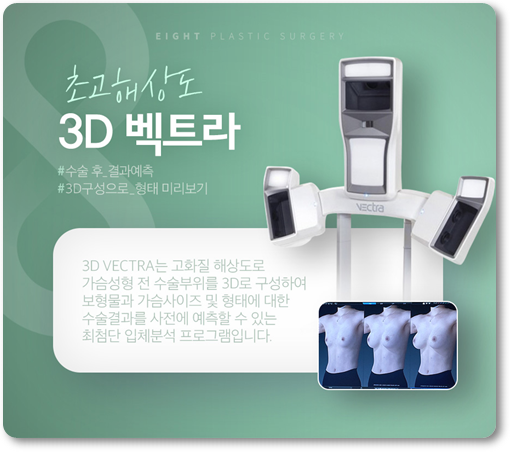
The chest wall itself may be asymmetrical, so accurate preoperative measurements are key. 3D Vectra analysis may be helpful.
✔ 4) Sensory changes
Reduced sensation is natural at first and often recovers over 3 to 6 months.
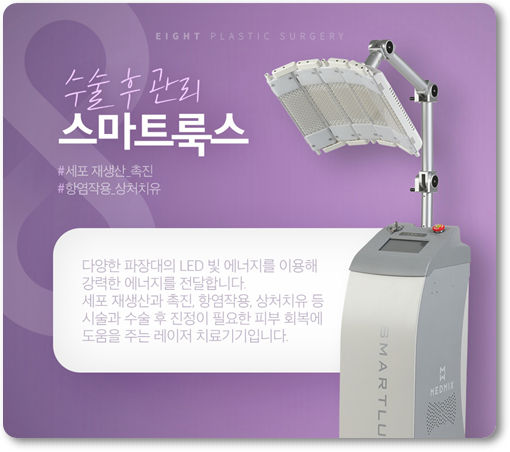
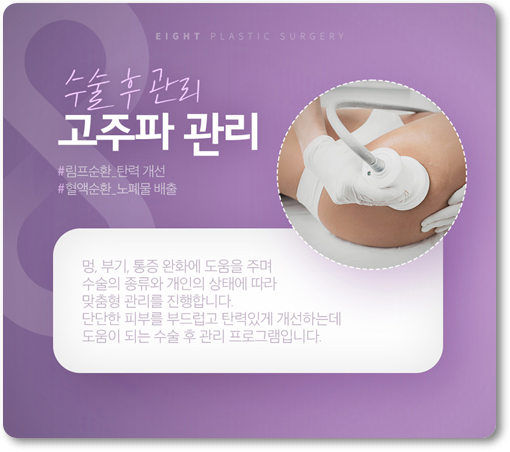
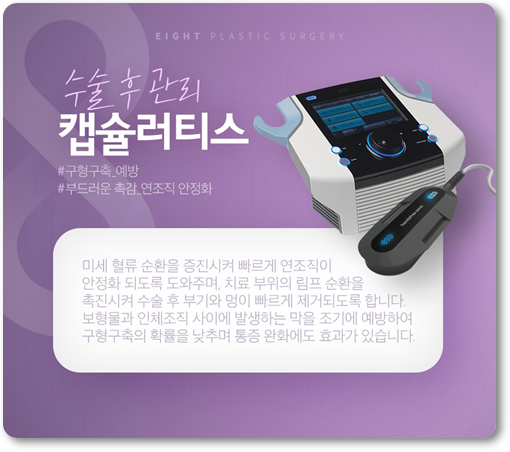
Aftercare provided by medical institutions, as well as capsule care and Smart Lux management, can be very helpful for recovery.
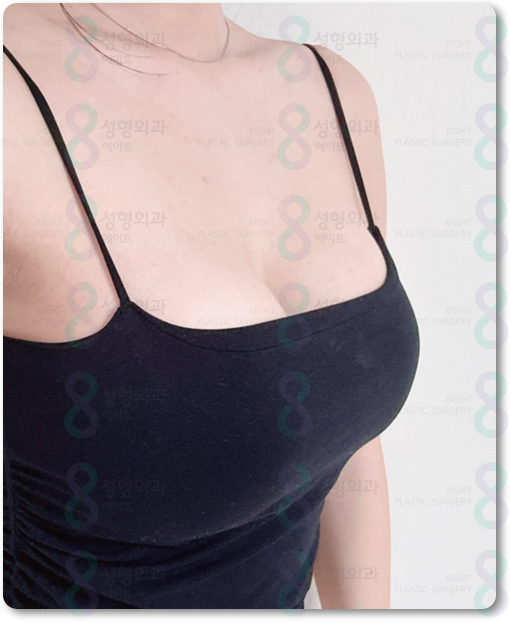
- Recovery Period After Breast Augmentation Surgery
In general, recovery after breast surgery is faster than many people expect. In some cases it can be as short as 1 to 2 days, and on average, many people have little difficulty with daily life after about a week. In particular, people in office jobs that do not require strenuous movement often return to work between 3 days and 1 week after surgery.
Initial recovery (1 week)
At most hospitals, showering is allowed starting one week after surgery, and the timing for stitch removal and recovery may vary slightly from person to person.
Caution period (2 weeks to 1 month)
From 2 weeks to 1 month after surgery, you should be careful with
Because these activities should be avoided, the recovery period after breast surgery is often explained as about 1 month.
During this period, consistently following the precautions given by the hospital is very important for stable results.
※ Standards may differ slightly by hospital, and recommended guidelines may also vary depending on your personal recovery speed.
Follow-up checks and long-term recovery (3 to 6 months)
Most medical institutions perform periodic follow-up checks according to the postoperative schedule.
During this process, they check things such as
-
whether the implant is settling in place properly
-
whether swelling is progressing normally
-
when it is appropriate to return to daily life
Because of this, it is safest to follow the medical staff’s guidance according to your progress.
It takes about 3 to 6 months for the implant to settle stably and for the incision site to heal completely.
Therefore, it is better to think of recovery as a short-term 1-month recovery plus a longer 3- to 6-month stabilization period.
- Breast Augmentation Surgery Q&A
Q. What criteria should be used to choose breast augmentation implants?
It depends on skin thickness, amount of glandular tissue, chest wall length, and the desired line. Rather than focusing only on the brand, it is important to choose a type, cc size, and surgical method that fit your body type.
That is why personalized consultation with a highly experienced board-certified plastic surgeon is essential.
Q. What should be especially avoided during the recovery period?
- No sauna / hot packs / intense exercise
- Maintain proper posture to prevent sagging
- Be careful with arm use (avoid overusing your arms for about 1 month)
Q. How can side effects be prevented?
- Precise dissection with full HD endoscopy and an air-touch system
- Aseptic air-shower systems, safety systems, and various aftercare programs
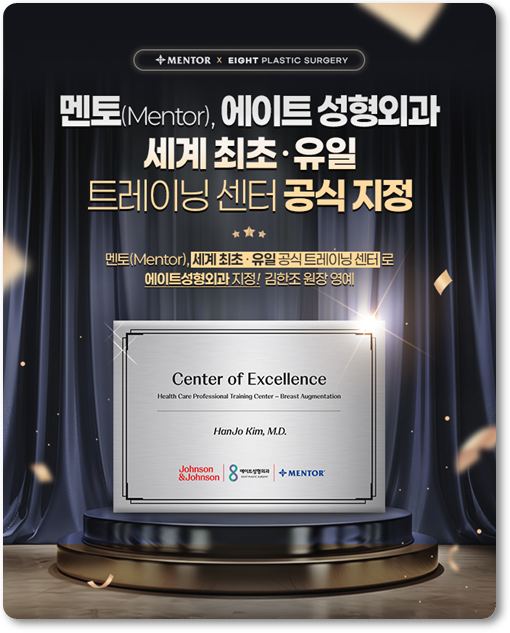
- Check the expertise of the medical institution — some medical institutions have been designated as breast training centers by the Mentor brand headquarters.
Closing
It is difficult to establish a clear standard by looking only at surgery reviews, and because there are many different implant types, it can be even more confusing. Also, since the types of implants available vary by medical institution, you should make sure to check whether they can perform the specific types that require expertise, as well as implants from various brands (such as Mentor CPG and Mentor Boost). We recommend consulting thoroughly with a board-certified plastic surgeon at a place with a professional system and structure, so you can receive safe, customized care.


Previous image
Next image
Previous image
Next image
Previous image
Next image