What Type of Male Rhinoplasty Is Right for You? A Complete Guide from Average Costs and Recovery Time to Consult-Tour Tips
As more men become serious about self-care, demand for improving the face’s central feature, the nose, has surged. Unlike women’s noses, a man’s nose needs a straight line that extends cleanly from the glabella to the tip, along with the three-dimensional definition of the T-zone 이어ing from the brow bone. Today, for those dreaming of a successful transformation, we’d like to share helpful tips for achieving a no-fail result in male nose surgery.
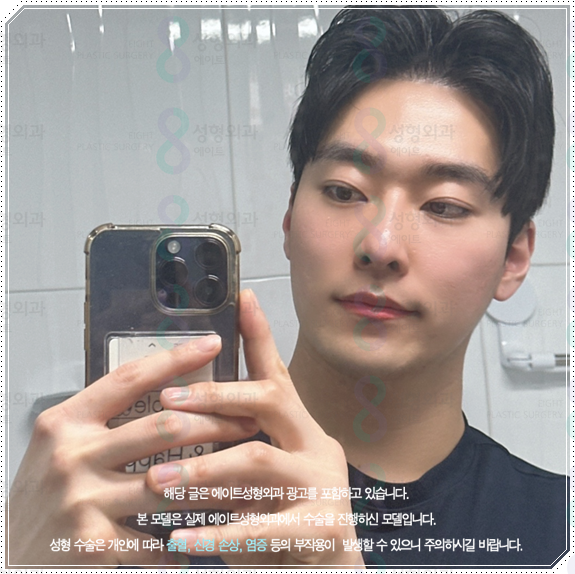
- What type of male rhinoplasty is right for me?
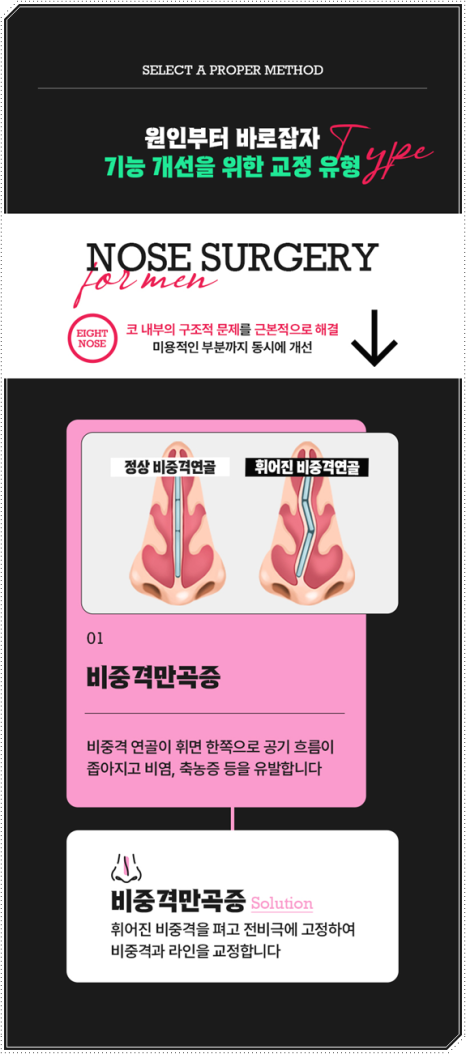
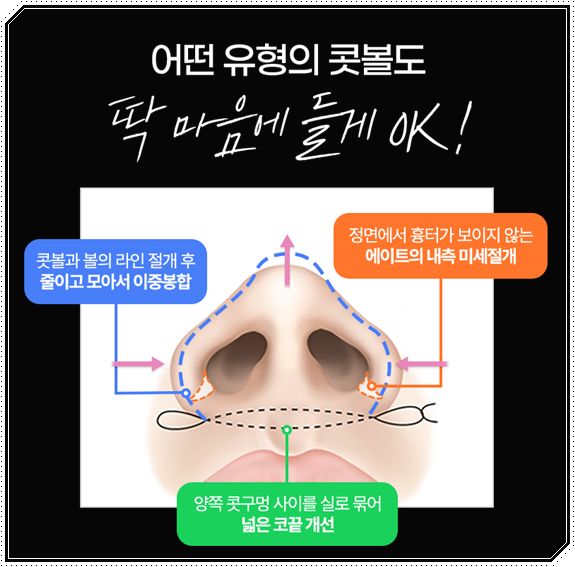
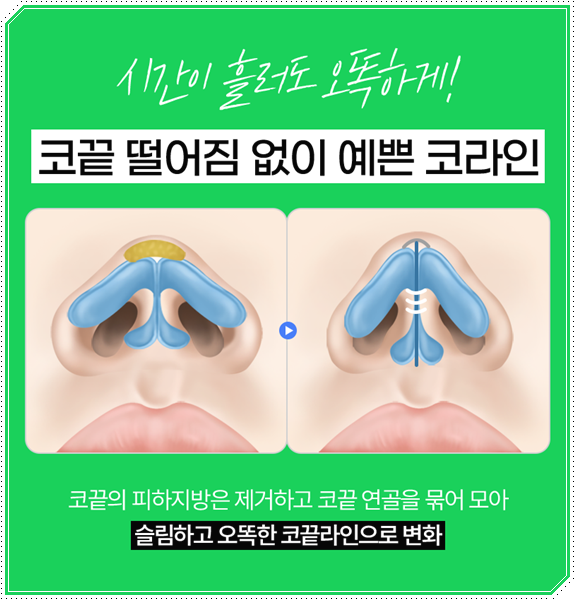
Common types of male rhinoplasty are divided into detailed, area-specific correction methods such as bridge surgery, tip surgery, and alar reduction, as well as type-based nose surgeries for cases like a dorsal hump nose, crooked nose, or bulbous nose. In many cases, a combination of methods may be applied depending on the detailed type, condition, and preferences. Since men’s noses differ from women’s in skin thickness and skeletal structure, the approach must also be different from the start.
-
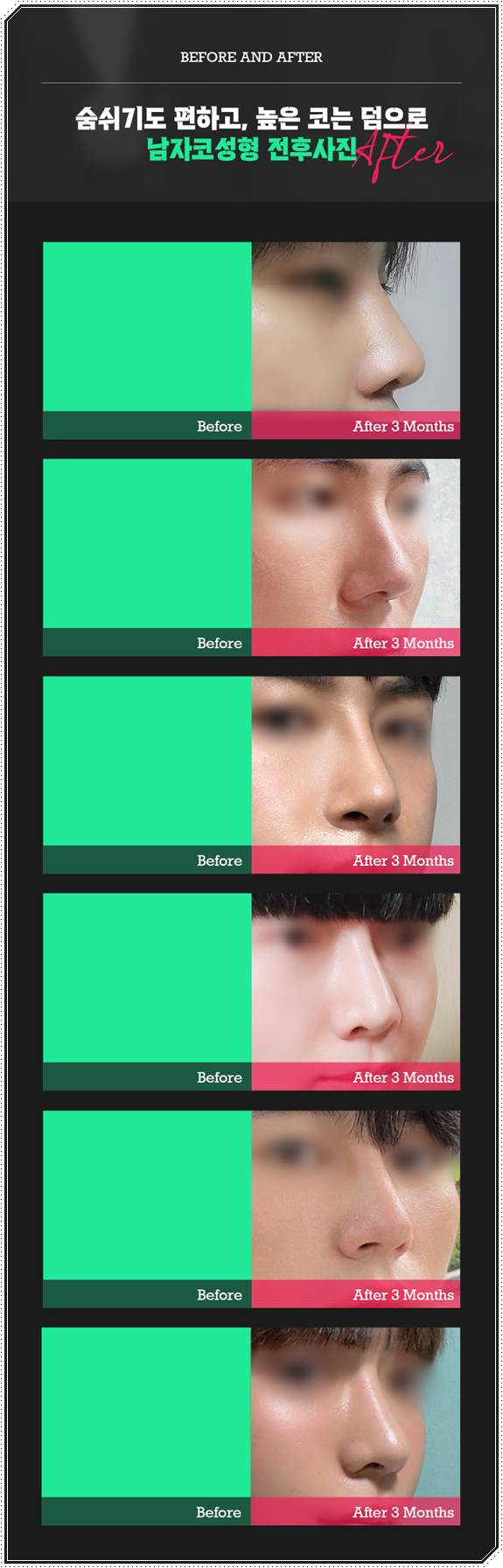
Straight-line rhinoplasty: The style most preferred by men, emphasizing a clean, strong, masculine look.
-
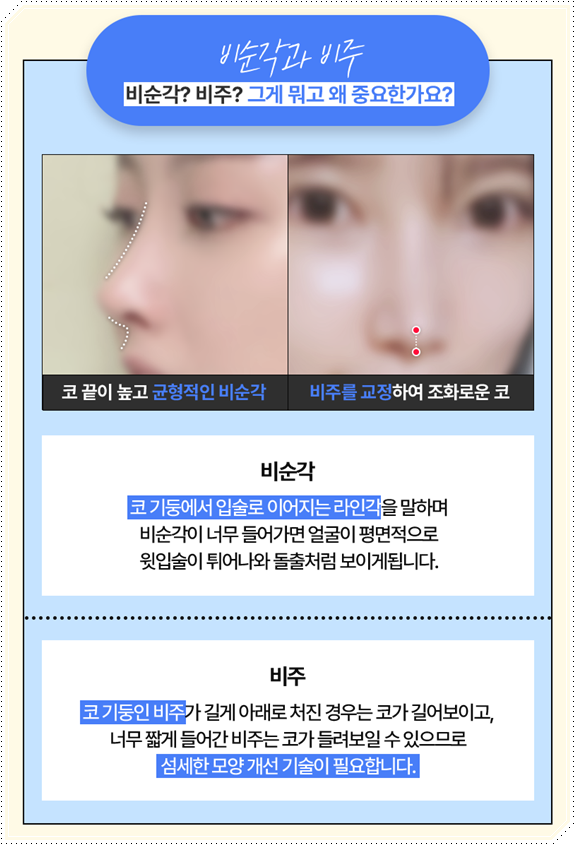
Dorsal hump/bulbous nose correction: Refines a protruding bridge or a blunt tip to create a more intelligent impression.
-
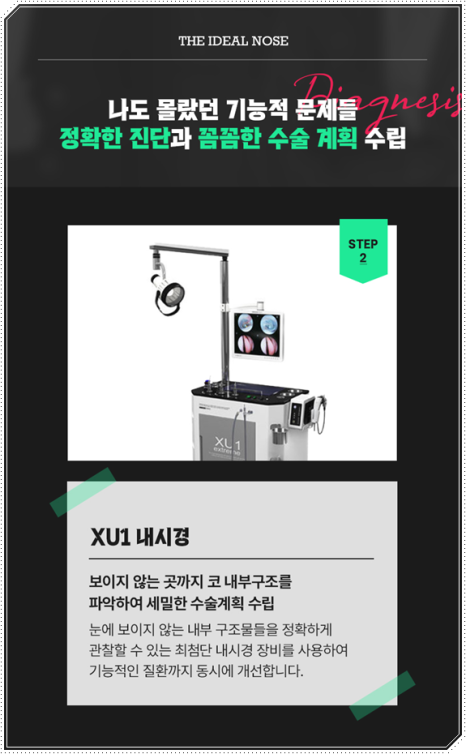
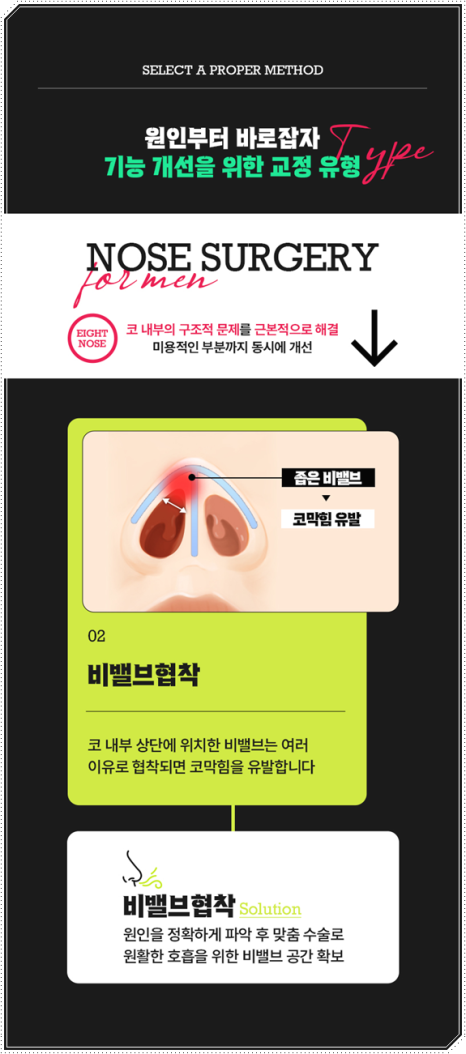
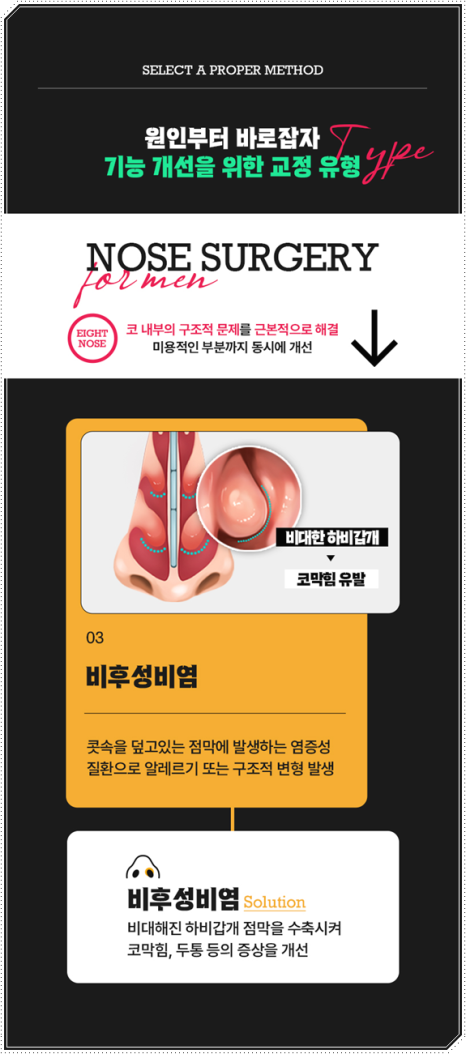
Functional rhinoplasty: Through XU1 endoscopy, it precisely diagnoses conditions such as rhinitis or a deviated septum, improving both appearance and breathing comfort at the same time.

- The original creator of the “natural yet refined nose,” Eight Plastic Surgery
The recent plastic surgery trend of the “natural yet refined nose” (a line that is both natural and glamorous) was first established and popularized in the industry by Eight Plastic Surgery. Eight’s unique know-how, which enhances three-dimensional definition while still looking like your own nose, has received overwhelming support from men who want a “confident side profile.”
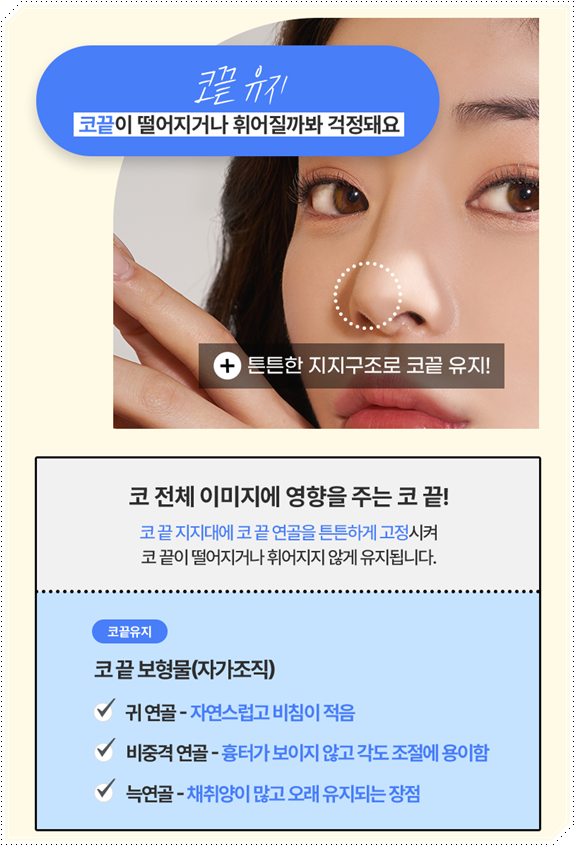
That is why many people are also curious about Eight’s male rhinoplasty costs. In general, rhinoplasty costs are determined more by the difficulty of the surgery, the materials used, and whether functional improvement is included, rather than by whether the patient is male or female. Typically, basic surgery to raise a low bridge and refine the tip is priced at around 2 million to 3.5 million KRW. However, if the procedure includes dorsal hump correction or osteotomy to straighten a crooked nose, which are common concerns for men, or if special materials such as autologous rib cartilage are used, the cost may vary from 2 million KRW to over 4 million KRW.
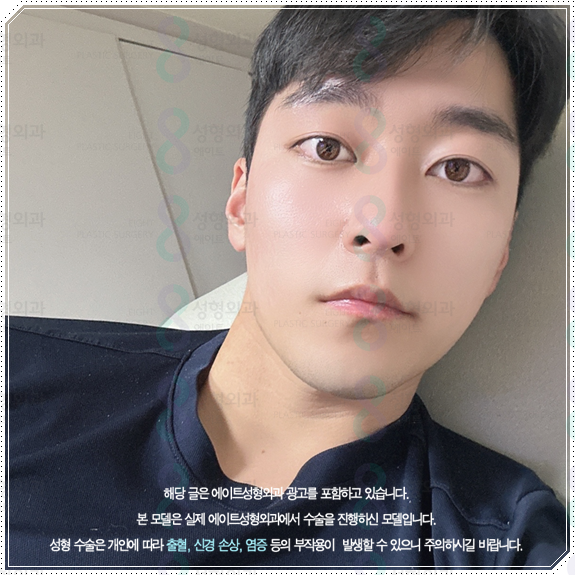
- Eight’s one-of-a-kind rhinoplasty system
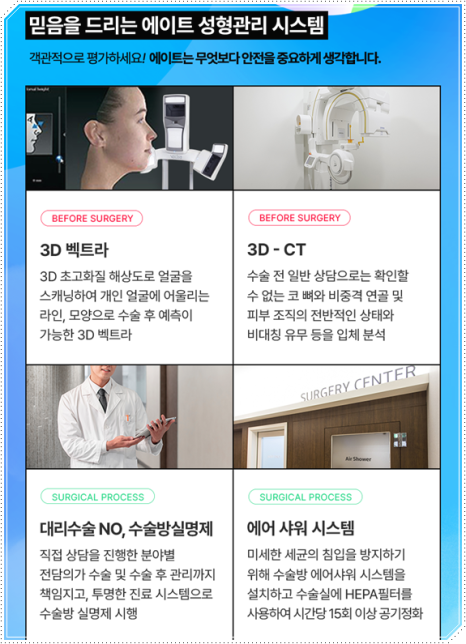
Eight improves surgical precision not only through stylish design, but also through accurate diagnosis using advanced equipment.
-
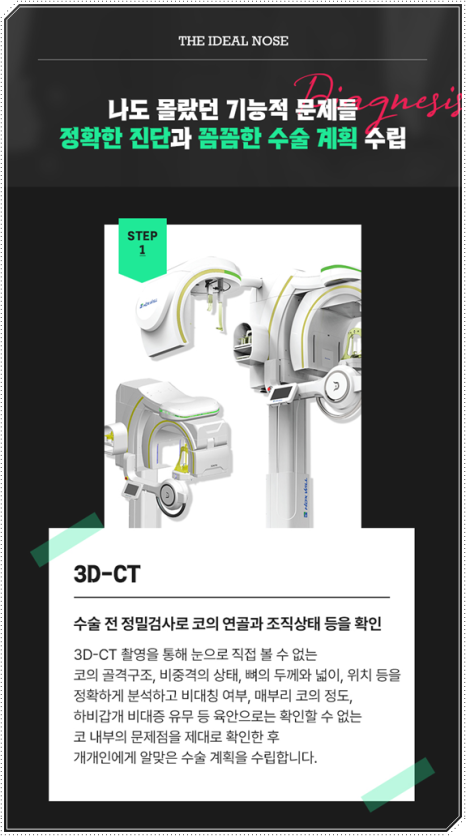
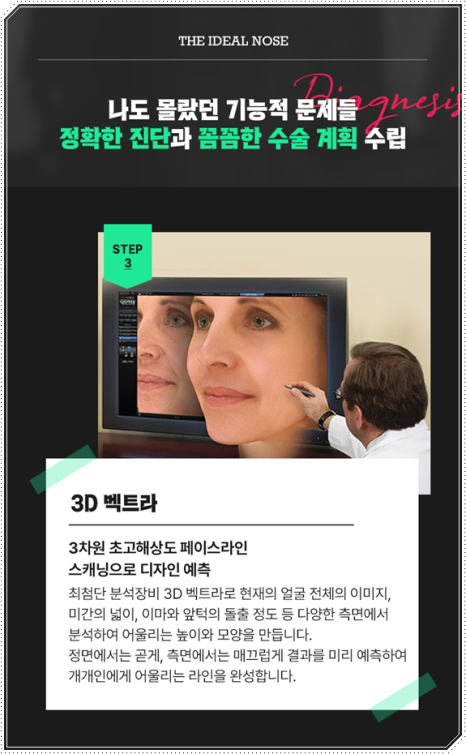
3D-CT & 3D Vectra: Before surgery, the nasal bone structure is analyzed in three dimensions, and the post-surgery appearance is previewed through a 3D virtual simulation to minimize design errors.
-
XU1 endoscopy system: By accurately observing even internal nasal structures that are not visible to the eye, a detailed surgical plan is established that does not miss functional issues and improves them at the same time.
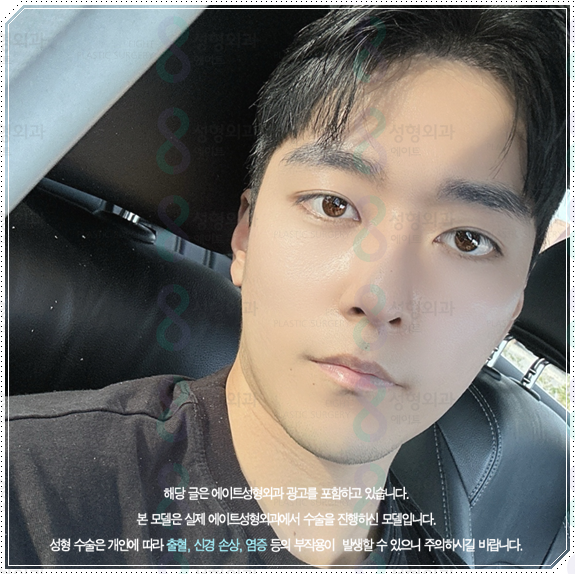
- How long is the recovery period after male rhinoplasty?
A question many men ask before surgery is: “When can I return to work/exercise?” Here is the timeline based on Eight’s systematic nose surgery care system.
-
Surgery day to day 3 (intensive recovery management period): A splint is placed on the bridge of the nose and packing is placed inside the nose for support. Since you must breathe through your mouth, your lips may become dry, so staying hydrated is important. For up to 48 hours, swelling should be managed with cold compresses.
-
Day 5 to day 7 (important transition period in recovery): This is when the packing inside the nose, external stitches, and splint are removed. From this point on, major swelling and bruising noticeably subside, and returning to daily life such as going out lightly or office work becomes possible.
-
Week 2 (stabilization period): As residual swelling decreases, the outline of the straight line gradually becomes visible. Be careful not to apply strong pressure to the nose when applying makeup or shaving.
-
Month 1 (completion stage): This is the period when the internal tissue stabilizes. From this point, light aerobic exercise such as jogging is possible, but it is advisable to be careful with ball sports or wearing glasses, which may put impact on the nose, until 2 to 3 months.
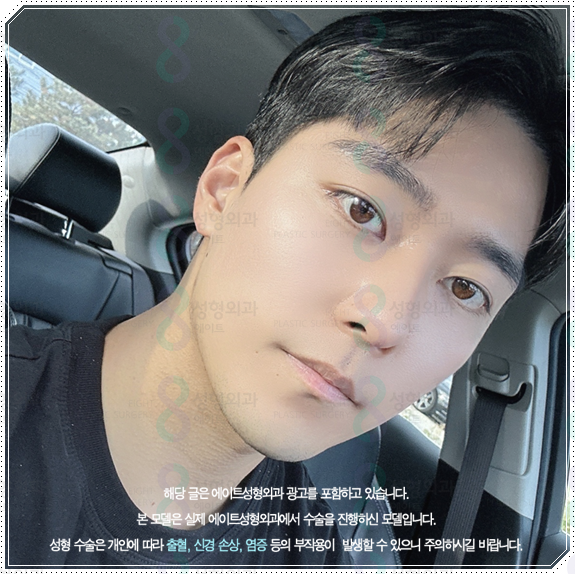
- [Thorough safety-oriented system] A safe environment for surgery
Eight Plastic Surgery follows a university-hospital-level safety protocol that allows patients to feel secure.
-
Real-name operating room system & CCTV installation: Under the responsible care of a board-certified plastic surgeon, everything from consultation to surgery and follow-up checks is carefully handled through the real-name operating room system, and CCTV installation in all operating rooms ensures a transparent and safe surgical environment.
-
Dedicated 1:1 anesthesiology specialist: From the start to the end of surgery, a specialist in anesthesiology and pain medicine is on-site and stably monitors vital signs in real time.
-
Sterile clean room and air shower: Through an air shower system that blocks external contamination at the source, we strive for 0% infection.
-
Uninterruptible power supply (UPS): We are fully equipped with safety systems so that surgery can continue without interruption even in an emergency.

- Postoperative skin care at Eight Dermatology to speed up recovery
Eight does not end with surgery alone. Through a post-op dermatology care program that begins immediately after surgery, it provides swelling-laser treatment and regenerative care. When professional skin care is combined, bruising and swelling can be reduced faster than the usual recovery period, helping patients return to social life earlier.
- Consult-tour tips for no-fail male rhinoplasty
-
Surgeon expertise: Check whether the plastic surgeon understands the sharp, straight lines preferred in men.
-
Safety equipment: Be sure to check whether an anesthesiology specialist is on-site, as well as UPS, operating-room CCTV, and a real-name operating room system.
-
Advanced diagnostic equipment: Confirming the presence of precise analysis tools such as 3D-CT, Vectra, and XU1 endoscopy can increase the likelihood of success.
In conclusion, the nose is the key to transforming your image. If Eight’s original design for the “natural yet refined nose” is combined with a thorough safety system, you can complete the confident T-zone line you’ve been dreaming of. Please check with Eight Plastic Surgery for a detailed consultation!