When Can You Exercise After Breast Augmentation, and How Long Is the Recovery Period? A Guide to Safe Recovery
Hello. Today, I would like to provide a detailed overview of two questions that many people considering breast augmentation or preparing for surgery often have: “When can I exercise after surgery?” and “How long is the overall recovery period?”
Creating a beautiful breast contour is important, but safe recovery should be the top priority. Strenuous exercise can cause the implants to shift or delay recovery, so it is essential to understand the appropriate management strategy for each stage after surgery.
- Why Is the Recovery Period After Breast Augmentation Important?
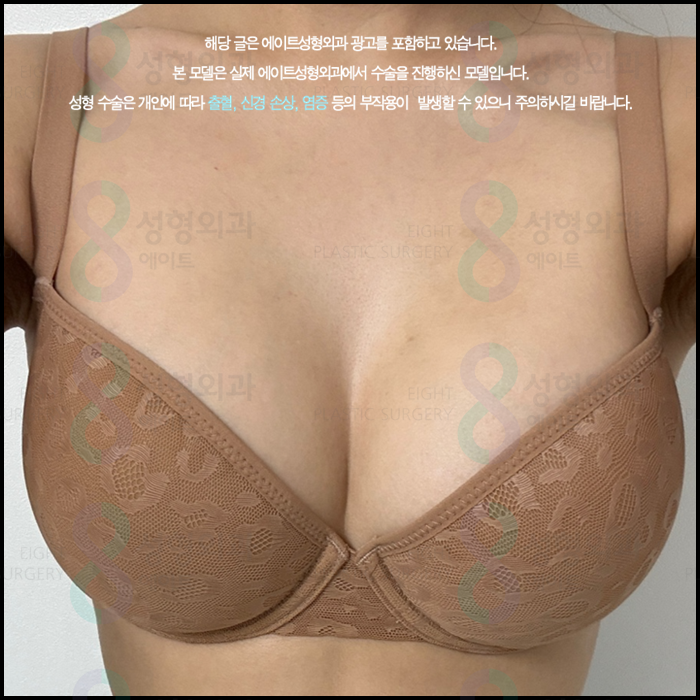
Breast surgery requires time for the implants to settle into position and for the surrounding tissues to naturally adhere to them. Immediately after surgery, the body’s tissues are in a state of minor injury, so excessive movement or an elevated heart rate can cause swelling, pain, or a hematoma.
In general, stabilizing the body is the top priority during the first week after surgery, and a gradual return to daily activities and exercise takes place between weeks 4 and 8.
- Recommended Exercise Timeline After Breast Augmentation
The timeline may vary depending on the implant’s position—above or below the muscle—and each individual’s rate of recovery. The information below is a general guideline. You must consult your treating medical professional and decide based on your own condition.
| Stage | Period | Recommended activity level |
|---|
| Stage 1 | Day of surgery to week 1 | Light walking, such as a stroll |
| Stage 2 | Weeks 2–3 | Return to daily activities and light cardio |
| Stage 3 | Week 4 | Moderately intense cardio, such as running |
| Stage 4 | Week 6 | Lower-body-focused weight training |
| Stage 5 | After week 8 | Upper-body strength training and gradual chest exercises |
-
Walking (week 1): Light walking from the day after surgery can help improve circulation and reduce swelling. However, fast running that causes a rapid increase in heart rate should be avoided.
-
Cardio (weeks 2–4): Light cardio that does not involve substantial upper-body movement, such as using an indoor bicycle, may be possible starting two weeks after surgery. After four weeks, you may begin light running, but until week 8, you should wear a highly supportive sports bra to minimize breast movement. (The timeline may vary depending on individual progress.)
-
Lower-body exercise (week 6): Lower-body exercises such as squats and leg presses may be started with light weights after approximately six weeks.
-
Chest strength training (after week 8): Exercises that directly engage the pectoral muscles, such as bench presses, push-ups, and dips, should be resumed last. If the implants were inserted beneath the muscle, caution is necessary for up to 12 weeks to help prevent implant displacement caused by muscle contraction.
- Precautions: Be Sure to Remember These Points!
-
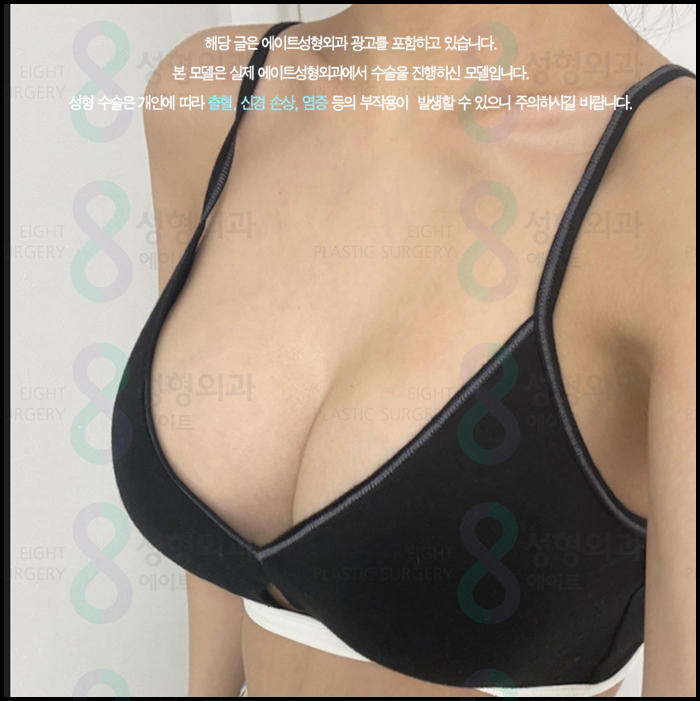
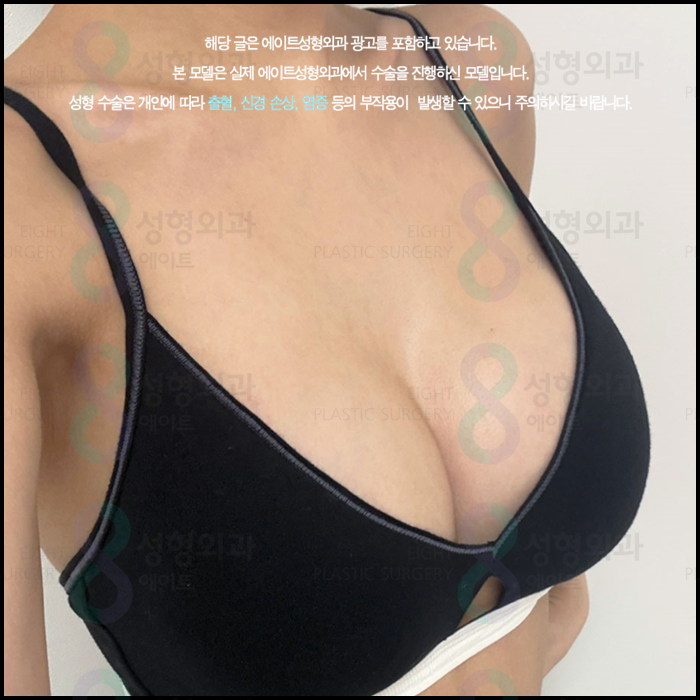
Wear a sports bra: When returning to exercise, the most important consideration is controlling breast movement. Wearing a sports bra with greater compression and support than regular underwear can help the implants adhere securely in place. It is generally worn after the use of postoperative compression garments and until approximately two months after surgery. Since this may vary depending on individual progress, it is important to decide after having your recovery checked by your medical professional.
-
Pain is a “stop” signal: If you experience a sharp, tingling pain or discomfort in the breast area during exercise, immediately reduce the intensity or stop exercising and rest.
-
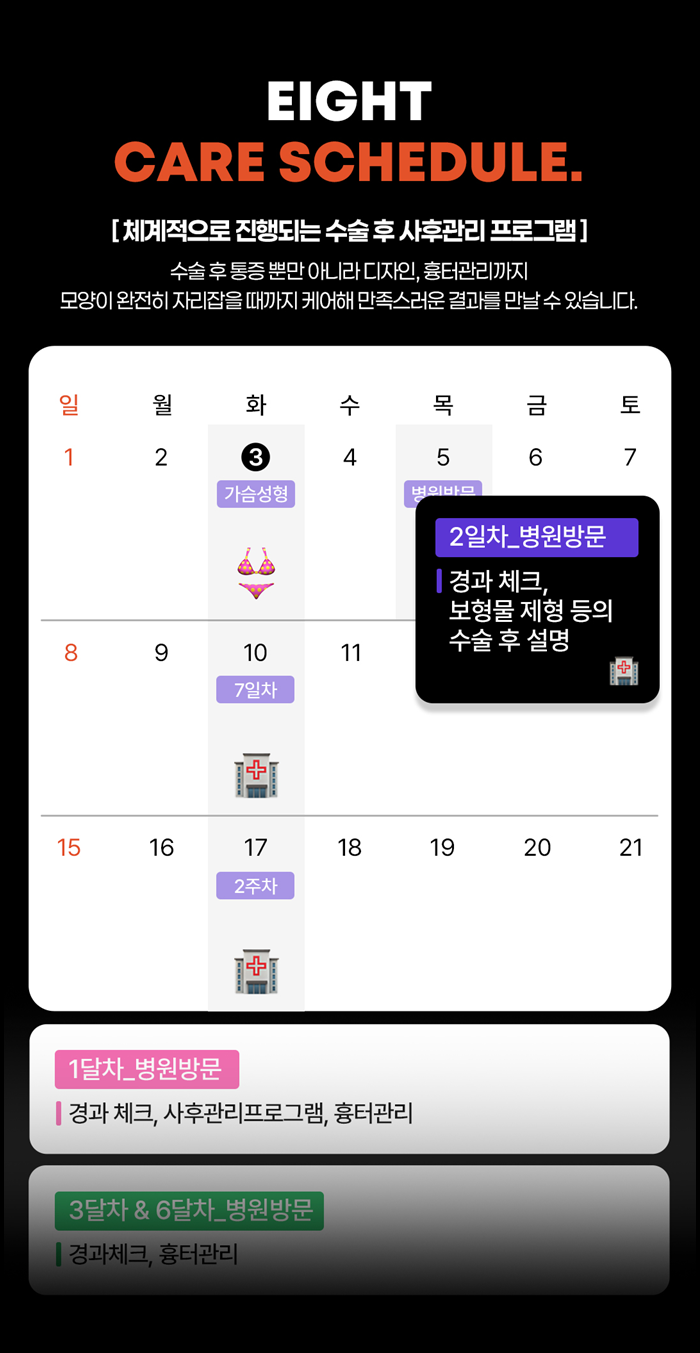
Communicate with your medical professional: The incision site, implant type, and implant position vary from person to person. At regular follow-up appointments, inform your medical professional about the type of exercise you are planning and confirm when you can begin. This is the safest approach.
Conclusion: Recovery Is About “Direction,” Not “Speed”
Rather than rushing to resume exercise after breast augmentation, listening to your body’s signals and returning gradually is ultimately the best way to achieve a more beautiful and natural-looking result.
I hope this step-by-step guide is helpful for a safe recovery. If you have additional questions or need personalized guidance based on your individual condition, we recommend visiting the clinic at any time for a thorough consultation with a qualified medical professional.
This post was written for the purpose of providing medical information. The information provided represents general medical views, and the recovery process and results may vary depending on the patient’s individual condition and the surgical method used. Be sure to consult your treating specialist regarding a specific diagnosis and postoperative care. [In compliance with Article 56, Paragraph 1 of the Medical Service Act]