Concerned About Living Without a Bust? Breast Augmentation Surgery Prices, Side Effects, and Ways to Increase Breast Size Without the Burden
For women, the breasts are more than just a body part. They are an important factor that determines how clothes fit and helps build confidence. Perhaps for this reason, many people make various efforts to add even a little volume. They may try consistent massages, dietary changes, or shapewear, but everyone likely realizes that these methods alone have limitations when it comes to fundamentally changing a naturally determined body shape or an already established breast shape.
As a result, many people eventually begin considering breast augmentation as a last resort. However, once they start looking into it, they face numerous concerns, from the cost of surgery to worries about side effects. Today, for those considering breast augmentation, I would like to organize the key criteria for making a safe and informed choice that you should know before surgery.
When It Comes to Volume Concerns, Your Body Shape Is Ultimately the Key
When deciding to undergo surgery, many people insist on choosing the largest size possible. However, the true standard for successful breast augmentation is harmony with your body. Since the width of the rib cage, skin thickness, and amount of breast tissue vary from person to person, the results can differ greatly even when the same type and size of implant are used.
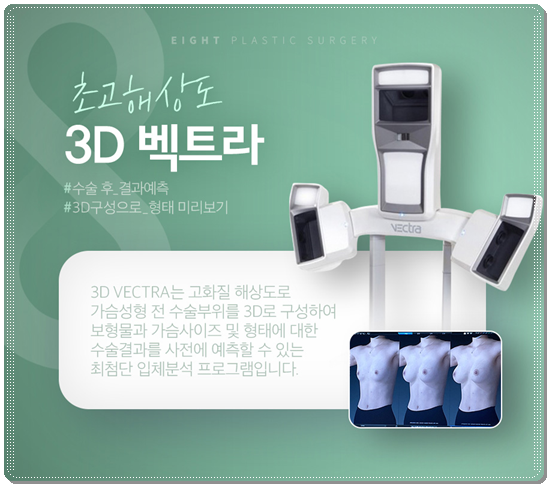
Therefore, when choosing a plastic surgery clinic, you should not look only at the price. It is essential to check whether the clinic can analyze your body shape three-dimensionally using equipment such as the 3D Vectra system and identify the most natural silhouette for you.
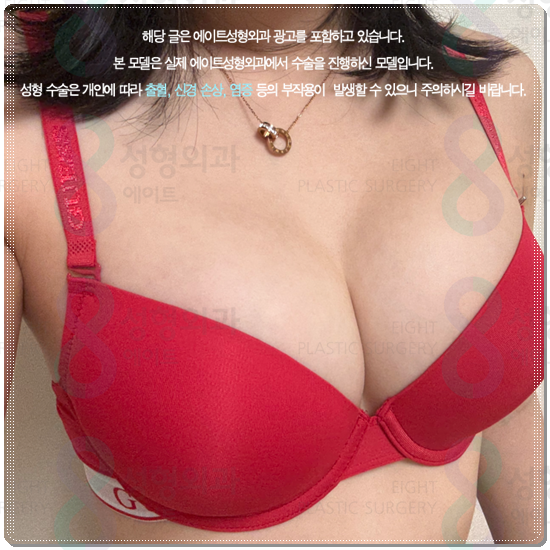
How Should You Assess Breast Surgery Prices and Side Effects?
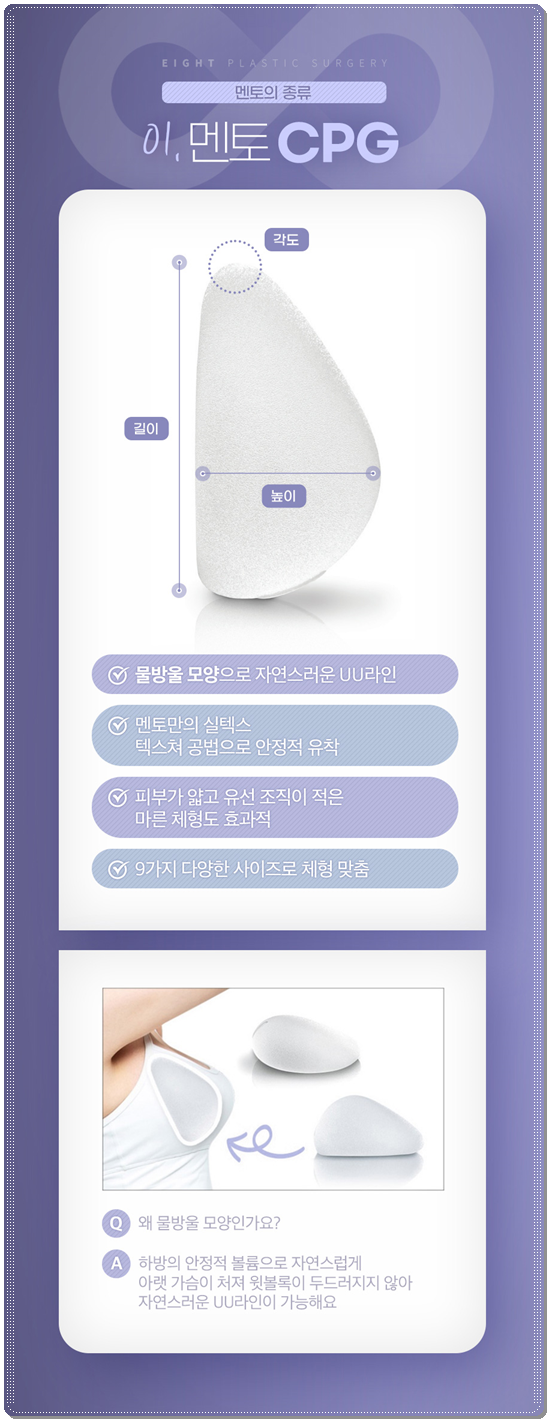
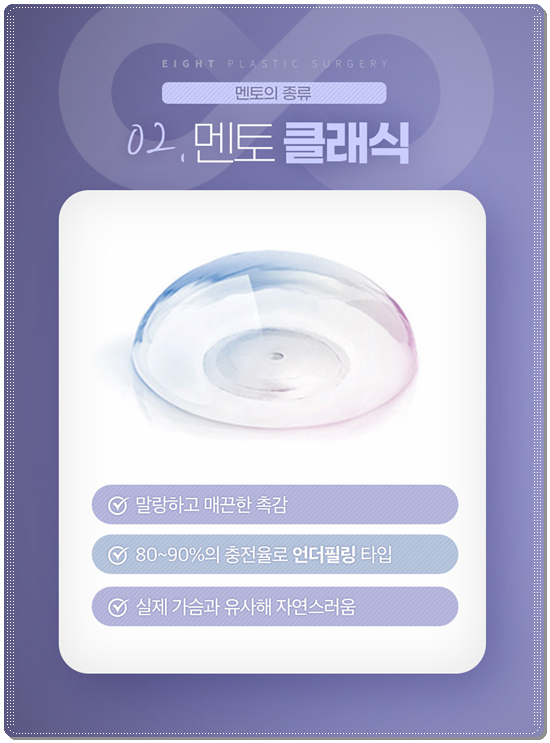
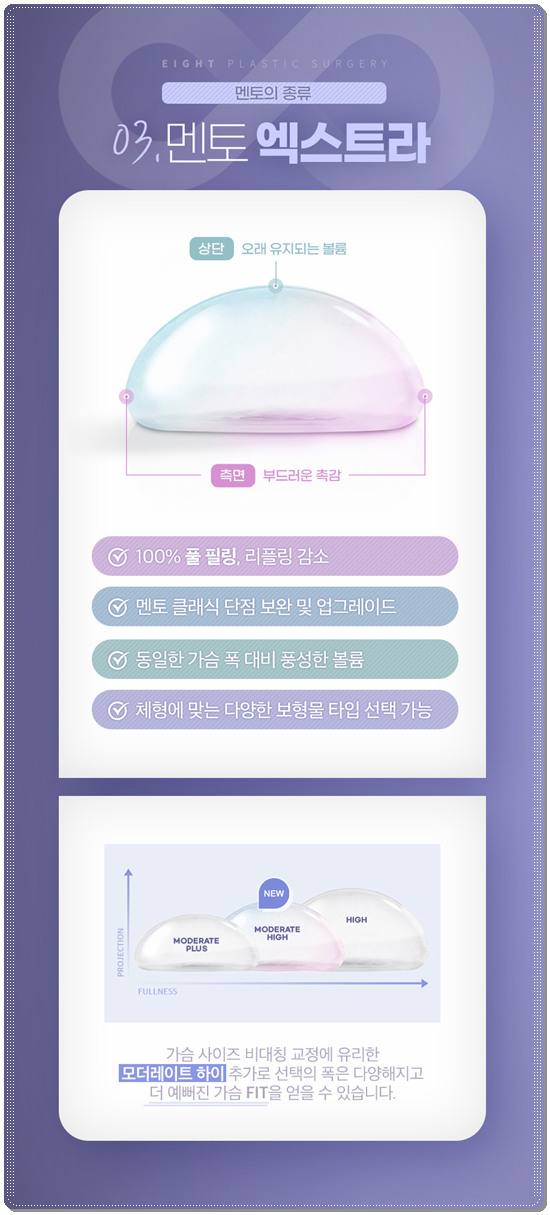
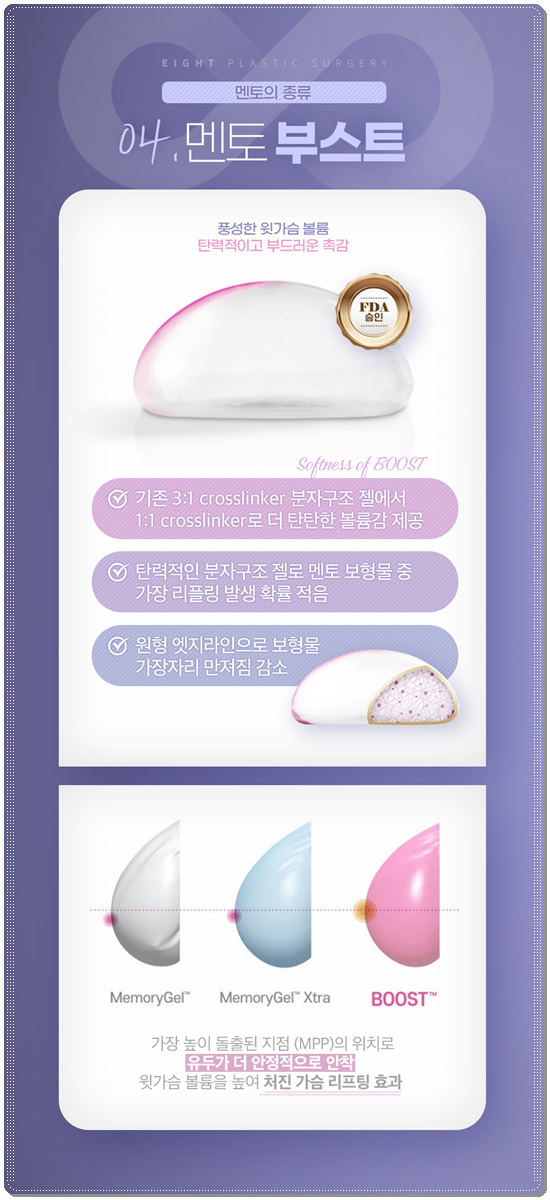
Of course, the cost of surgery is a realistic concern when researching breast augmentation. In general, breast augmentation surgery costs range widely, from approximately 4 million won to as much as 13 million won. This is because the price varies considerably depending on the type of implant used, such as Motiva, Mentor, or Sebbin; the technical features of each implant; and the difficulty of the procedure based on the patient’s body shape.
You should carefully examine not only the cost of the implant but also the type of anesthesia, the precision of the surgery, and what kind of systematic aftercare program is included. Rather than simply looking for the cheapest option, checking whether surgical safety and professional aftercare are sufficiently guaranteed within your budget is ultimately the best way to achieve a successful result without revision surgery.
Above all, breast augmentation is a complex procedure that involves placing a foreign object—an implant—inside the body. For this reason, safety measures that can reduce the burden of potential side effects are particularly important. You should carefully assess how well the clinic is equipped with systems to prevent infection and capsular contracture, as well as whether it provides close monitoring until the tissue has stabilized after surgery.
The most representative side effects after breast augmentation include capsular contracture, in which the tissue surrounding the implant becomes hard, as well as implant rupture, asymmetry, and rippling, in which wrinkles become visible on the skin’s surface. These side effects can be influenced by individual factors, but to a considerable extent they are determined by the precision of the surgical process and hygiene management. To reduce the risk of side effects, a surgical environment that prevents infection at its source is essential.
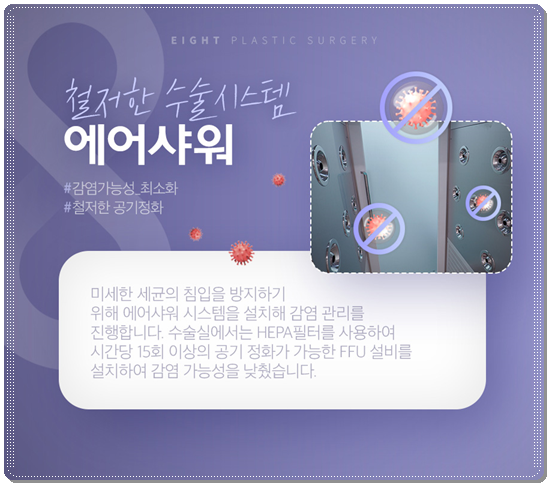
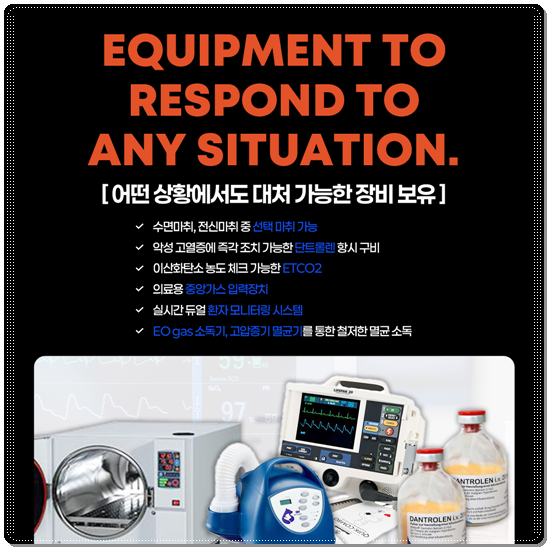
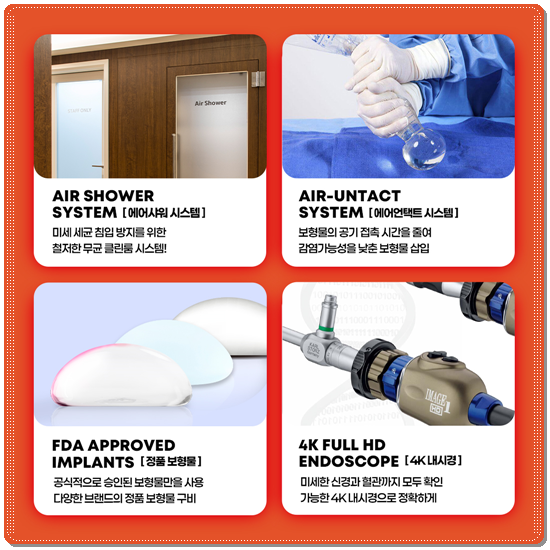
As a basic measure, you should check whether the clinic operates a university-hospital-level anesthesia safety system throughout the entire surgical process. It is advisable to confirm that an anesthesiologist is on site, carefully checks the patient’s condition before surgery, and closely manages vital signs through real-time monitoring during the procedure so that the team can respond quickly and accurately in an emergency. You should also check whether the clinic operates an advanced clean operating room to prevent infection. Determine whether an air-shower system is installed at the entrance to the operating room to prevent fine dust and bacteria in the air from entering, whether the interior is thoroughly maintained in a sterile condition, and whether regular disinfection and hygiene management are performed to rigorously prevent the risk of secondary infection. These safety measures manage even microscopic contaminants that cannot be seen and provide the basic yet powerful foundation for preventing infection and capsular contracture, two of the most significant complications of breast augmentation.
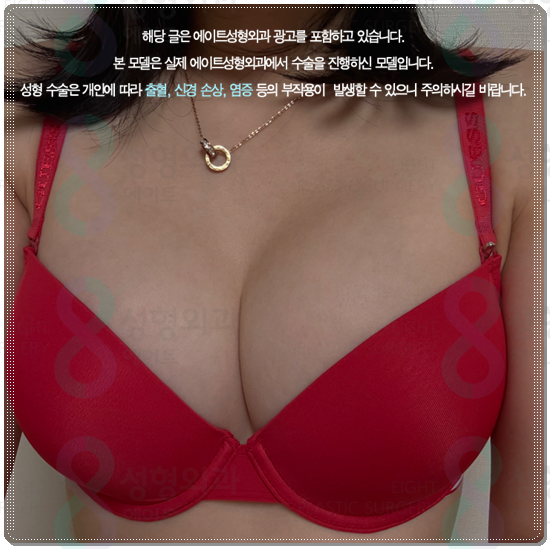
Aite’s Technology for Enhancing Safety
Aite Plastic Surgery, which I pay close attention to in the field of breast augmentation, has been designated as a “Mentor Official Breast Training Center (Center of Excellence).” This means that it has received international recognition not simply for performing many surgeries, but for its in-depth understanding of implants, safety systems, and high-level clinical outcomes. In fact, Aite’s medical team serves as an educational institution that passes on advanced surgical techniques and expertise to medical professionals around the world.
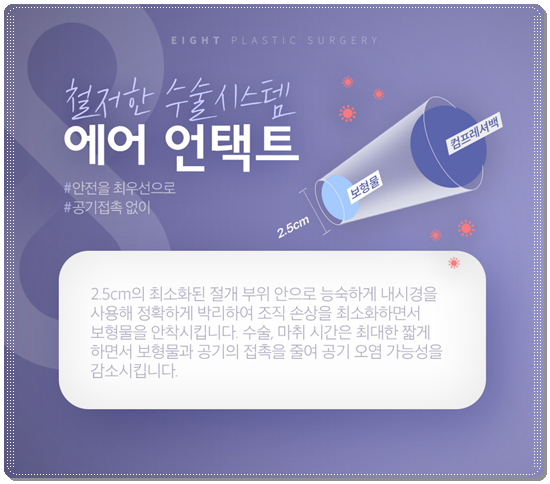
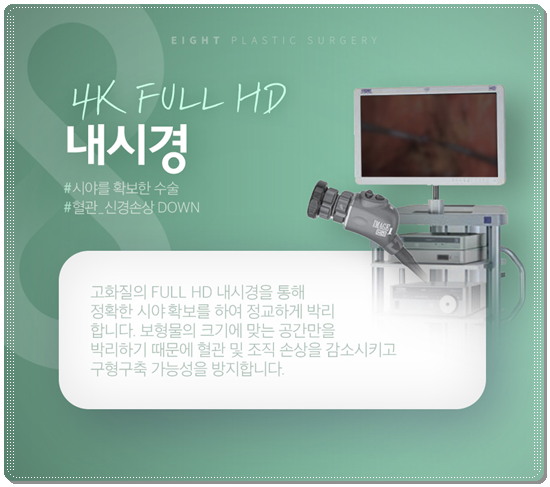
For example, as part of its system, Aite first uses 3D Vectra virtual surgery to precisely analyze the patient’s rib cage width, skin elasticity, and the condition of the mammary gland tissue in three dimensions, establishing an individualized surgical plan. During surgery, 4K Full HD endoscopy is used to observe small blood vessels and nerves in real time and perform delicate dissection, minimizing bleeding and tissue damage while creating a “dry pocket” in which the implant can settle securely. In particular, during implant insertion, the clinic applies an air-uncontact system and uses a special Keller funnel to insert the implant without touching it directly by hand, thereby preventing bacterial infection caused by air exposure and reducing the possibility of capsular contracture at its source. These multifaceted safety systems play a key role not only in carrying out the procedure but also in preventing side effects and supporting rapid tissue recovery.

Why Is Postoperative Care as Important as the Surgery Itself?
Completing the surgery successfully is important, but postoperative care—the process in which the implant and your body become accustomed to each other—also determines the quality of the result. At Aite, the following programs are provided through its dermatology department to support tissue stabilization and offer more reassuring care.
-
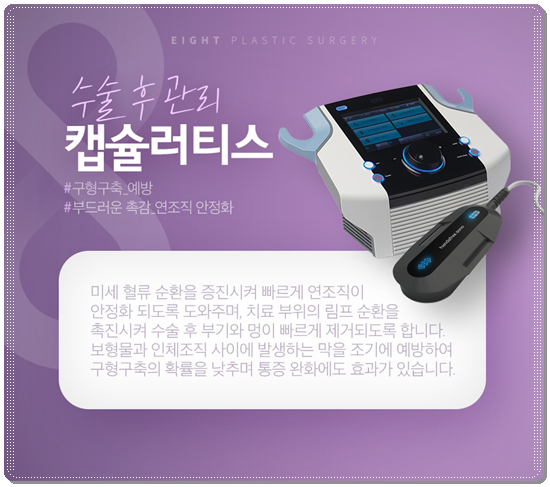
Capsular Tightening: This is an ultrasound massage technique that helps improve circulation, reduce swelling more quickly, and relieve pain.
-
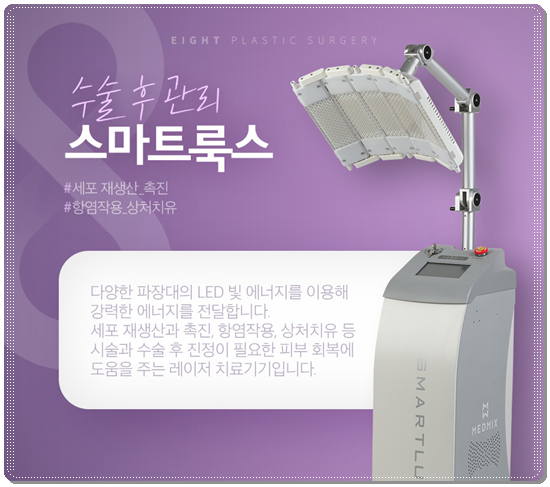
Smartlux: This light therapy supports skin regeneration and helps surgical wounds heal more quickly.
-
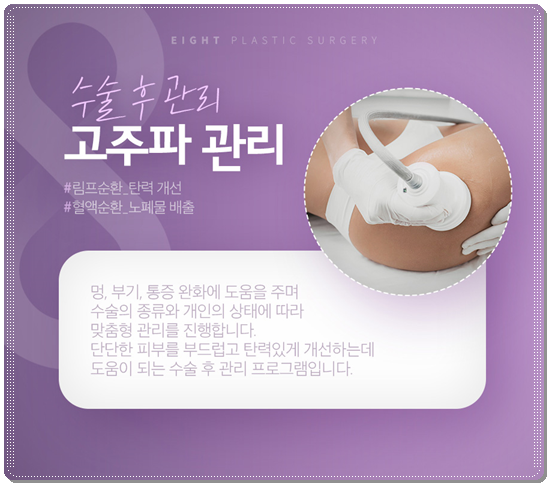
Radiofrequency care: Radiofrequency energy gently relaxes tissue that may temporarily become firm after surgery, helping it eventually achieve a soft texture that feels more like natural breast tissue.
A Final Note Before We Wrap Up
Breast augmentation is not simply a procedure to change your appearance; it is a process of regaining your confidence. While the cost is also important, the key factor that determines satisfaction after surgery is whether the clinic can provide safe treatment and professional postoperative care through to the end. Many people also search for ways to increase breast size without surgery. Rather than becoming stressed by vague concerns, you may achieve greater satisfaction in the future by developing a safe plan suited to your body shape with a board-certified plastic surgeon at a medical institution that follows established principles. You may find yourself satisfied each time you look in the mirror after surgery.
(Notice pursuant to Article 56 of the Medical Service Act: This post was written for the purpose of providing medical information and includes advertising for Aite Plastic Surgery. All plastic surgery procedures may cause side effects such as inflammation, bleeding, or nerve damage depending on the individual’s condition. Be sure to decide whether to undergo surgery only after having a detailed consultation with a qualified medical professional.)