Why Do Breast Augmentation Surgery Prices Differ by Type, and How Can You Avoid Side Effects?
As summer approaches and body contours become more visible, more people are turning to breast augmentation to address concerns they have had about their breasts. When people decide to undergo breast surgery and begin researching, they usually compare various surgical options, costs, and, above all, expected results. Today, we will take a detailed look at what price range may be appropriate for breast augmentation surgery, which types of implants are available, and how potential side effects can be prevented when choosing a procedure suited to an individual’s body shape and needs.
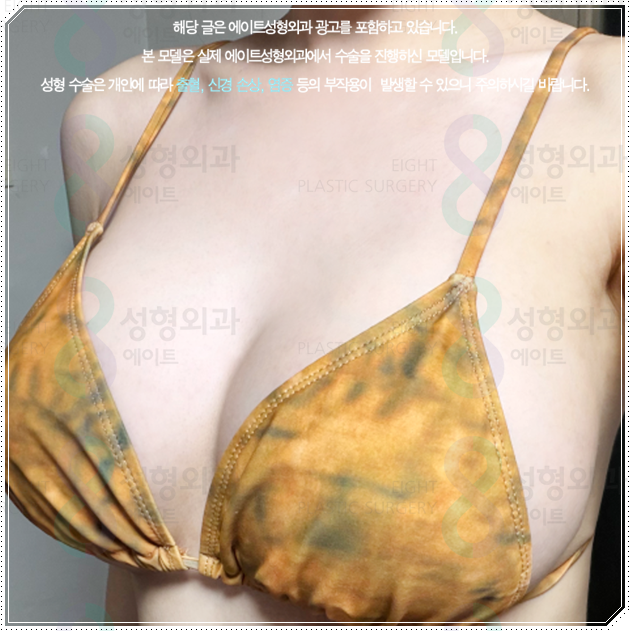
- How are the types of breast augmentation surgery classified?
Breast augmentation procedures are generally classified according to the brand and characteristics of the implants primarily used. The choice is made based on each implant’s features, as well as the individual’s rib cage structure, desired volume, and specific breast condition. Motiva and Mentor implants are used most commonly in Korea, and each brand offers various product lines according to texture and shape.
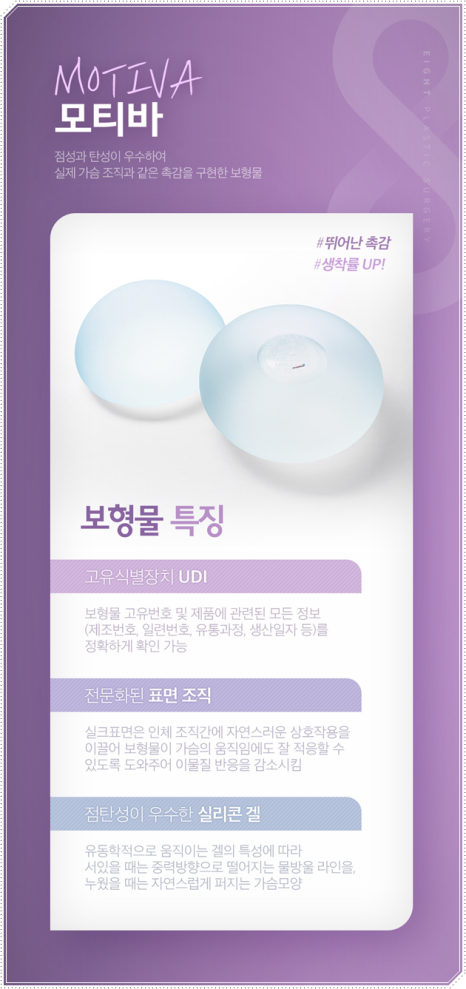
Motiva: A premium implant that combines the advantages of smooth and textured implants to create a natural silhouette and movement in response to gravity. Its BluSeal technology helps prevent silicone gel diffusion and lowers the likelihood of capsular contracture. A microchip (UDI) is also embedded inside, allowing the implant’s history to be checked transparently.
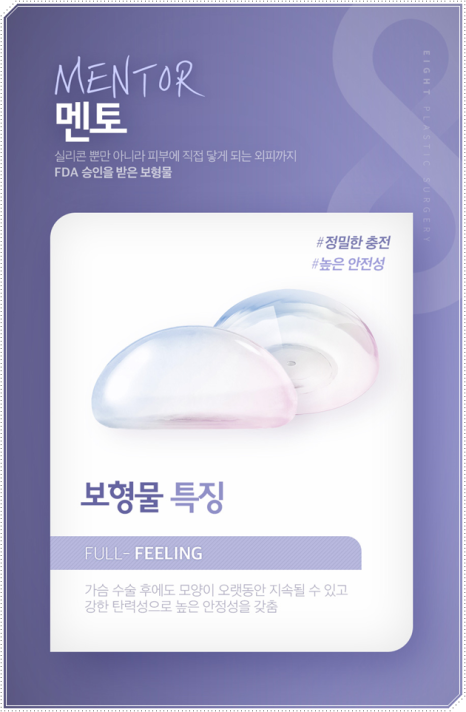
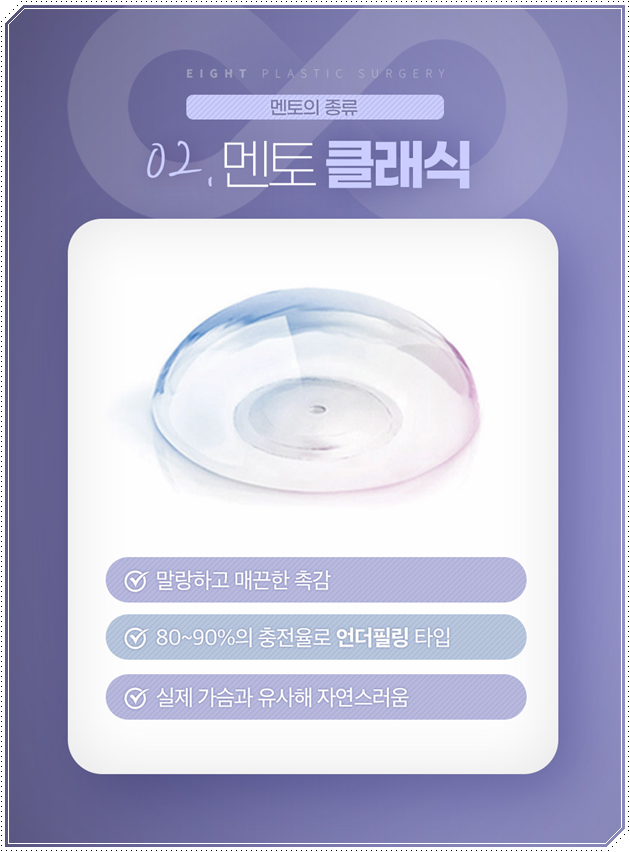
Mentor Smooth: A classic implant known for its soft surface feel and natural movement. It is suitable for body types with a certain degree of flexibility in the breast tissue and causes less of a foreign-body sensation when lying down or moving.
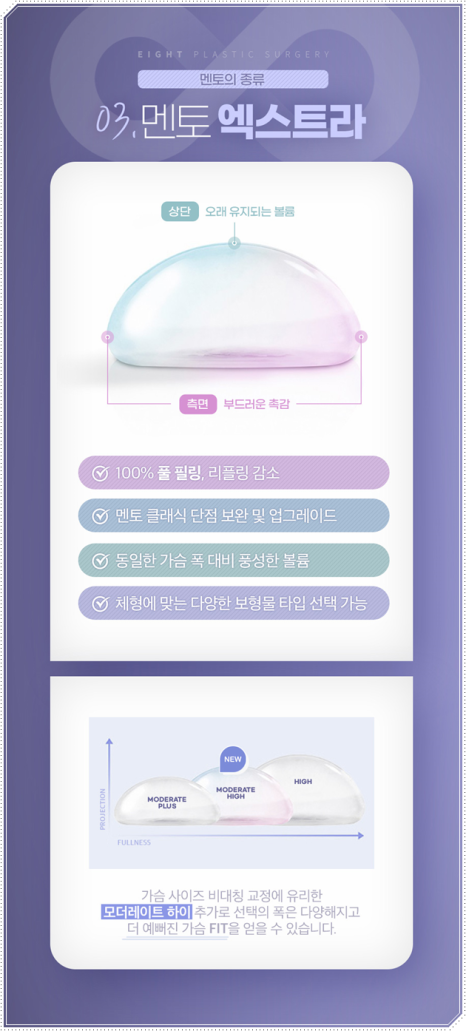
Mentor Xtra: An implant filled with a large amount of filler, creating resilient volume and a fuller upper-breast contour. It is often chosen by those seeking a balanced silhouette because of its excellent durability and ability to maintain its shape.
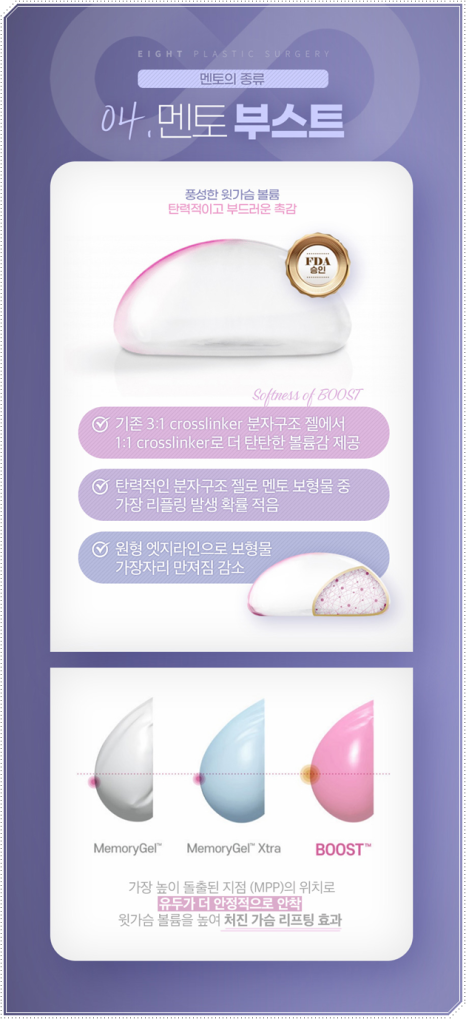
Mentor Boost: A recently noted product line in which the implant’s flexibility and resilience work together, allowing its shape to change naturally in response to gravity. It is a premium implant with high satisfaction in terms of feel and movement.
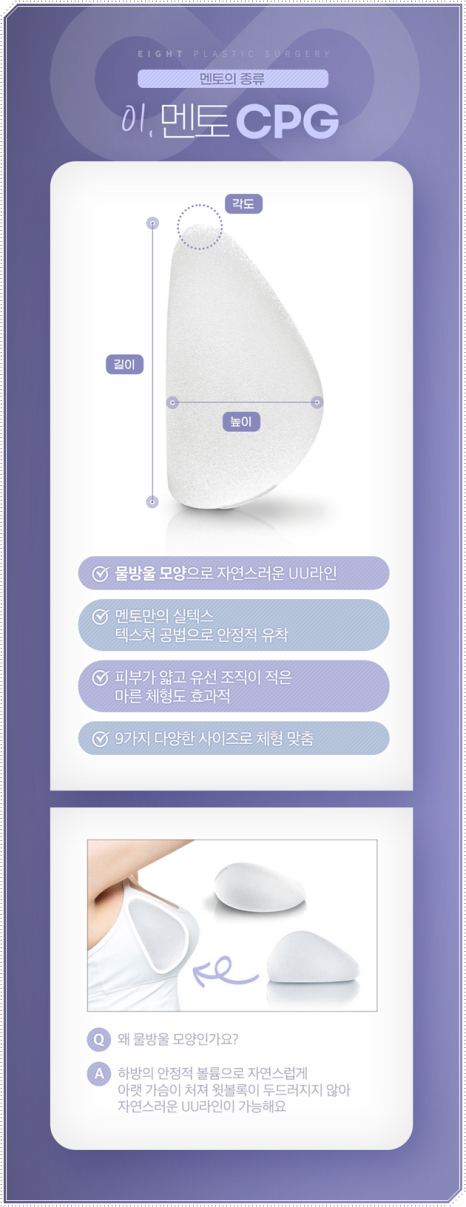
Mentor CPG (teardrop implant): Manufactured with an ergonomic teardrop design, it provides natural upper-to-lower asymmetry and maintains stable volume without shape distortion, including in people with a hollow upper breast or a slender body type.
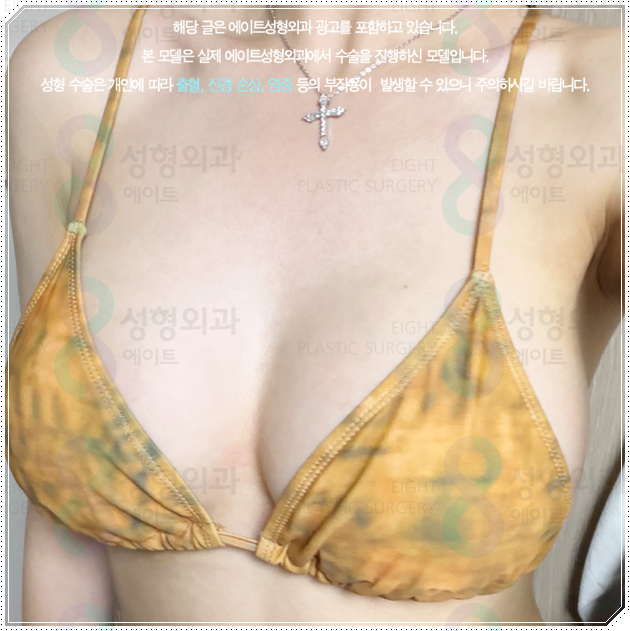
- Why do breast augmentation prices differ according to type and conditions?
The commonly reported average price of breast augmentation surgery ranges widely from KRW 4 million to KRW 13 million. This difference in cost can be confusing when searching for information. The reasons for the broad price range of breast surgery include the following.
-
Implant type and material costs: Differences begin with the basic cost of the implant, depending on the brand and advanced technologies used in each product line.
-
Anatomical difficulty and surgical scope: The surgical plan and scope vary according to the individual’s physical characteristics and surgical difficulty, including the amount of breast tissue, the degree of rib cage asymmetry, whether the rib cage is narrow or broad, and whether the procedure is a revision surgery. These factors result in differences in cost.
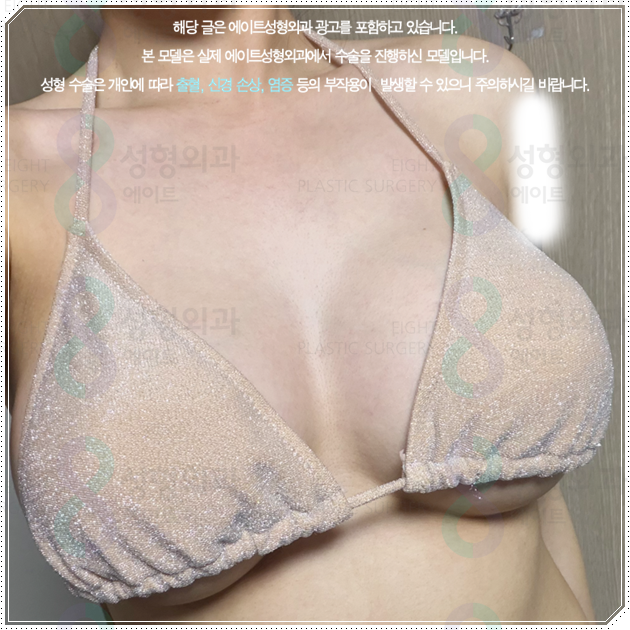
- How can you avoid side effects of breast augmentation surgery?
Because breast surgery is a surgical procedure that involves inserting a foreign object into the body, there is a possibility of potential side effects. Commonly reported side effects of breast surgery include the following.
-
Capsular contracture: A foreign-body reaction causes the capsule to thicken and compress the implant, making the breast hard and causing pain or deformity\
-
Rippling: In people with thin tissue or a slender body type, folds in the implant may become visible or palpable through the skin
-
Implant malposition: The implant may shift during the settling process, resulting in asymmetry, lateral displacement, or bottoming out
-
Bleeding, hematoma, and infection: A microvascular rupture may cause blood to collect, or bacterial infiltration may lead to an inflammatory response involving redness, warmth, and pain
So how can the likelihood of these breast augmentation side effects be reduced? Eight provides assistance with side-effect prevention through the following specialized systems.
- Capsular contracture and infection
Capsular contracture, in which the breast becomes hard as the capsule thickens due to bacterial exposure or tissue damage during implant insertion, is an inflammatory response.
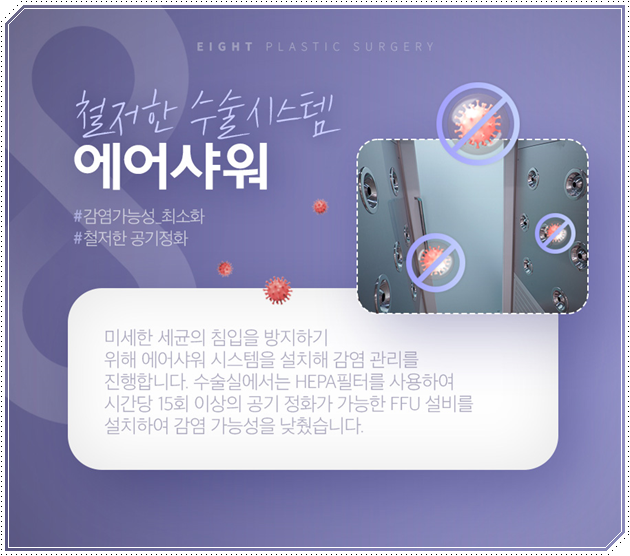
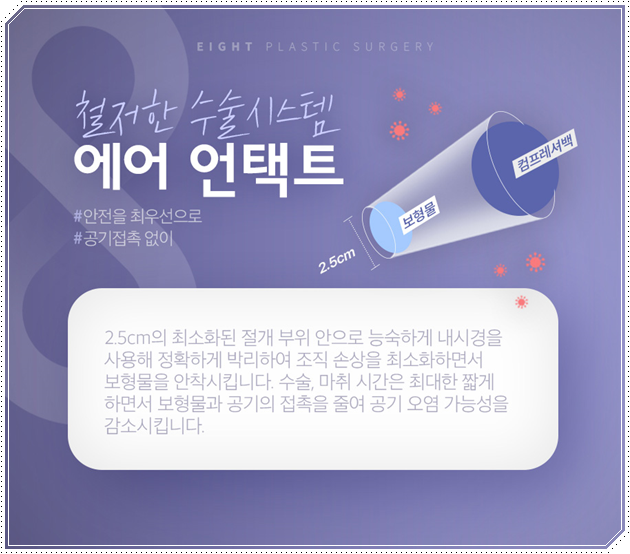
Eight applies an air-untact system that minimizes air contact and tissue damage without directly touching the implant with bare hands. This fundamentally blocks contact with airborne contaminants and helps prevent minor infections caused by air contamination. In addition, the operating rooms are equipped with an air-shower system and maintain a sterile clean system, allowing patients to receive care with greater reassurance.
- Implant malposition and rippling
Bilateral asymmetry, lateral displacement in which the implant shifts outward, and rippling, in which folds become visible due to thin tissue, may occur when body-shape analysis is insufficient.
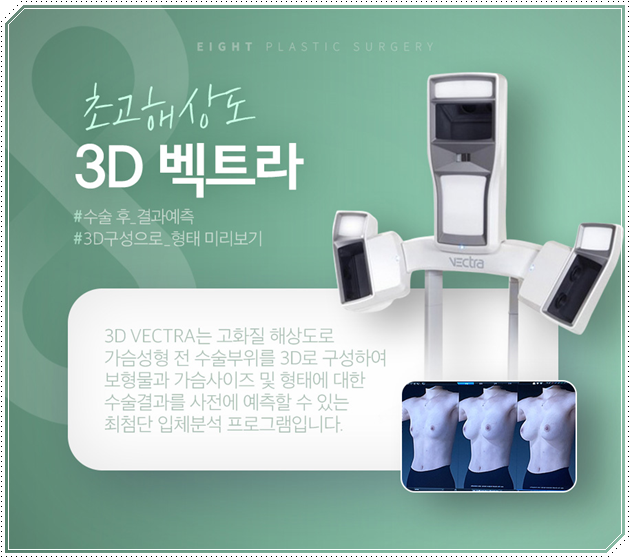
Through precise 3D Vectra scanning, the amount of breast tissue and rib cage structure are analyzed three-dimensionally. This helps determine the volume and implant type ideal for the body’s proportions and effectively prevents implant displacement.
- An unnatural implant border
If the implant is placed in the wrong layer, its border may become visible or the texture may feel hard.
With the 3D dual-plane technique, the upper portion is placed beneath the pectoralis major muscle and the lower portion beneath the fascia. This provides stable coverage from above and below, creating a natural feel and movement.
- Bleeding and hematoma
If small blood vessels are damaged while dissecting the space inside the surgical site where the implant will be placed, blood can collect and form a hematoma. This may cause one breast to swell rapidly and may be accompanied by severe pain or bruising.
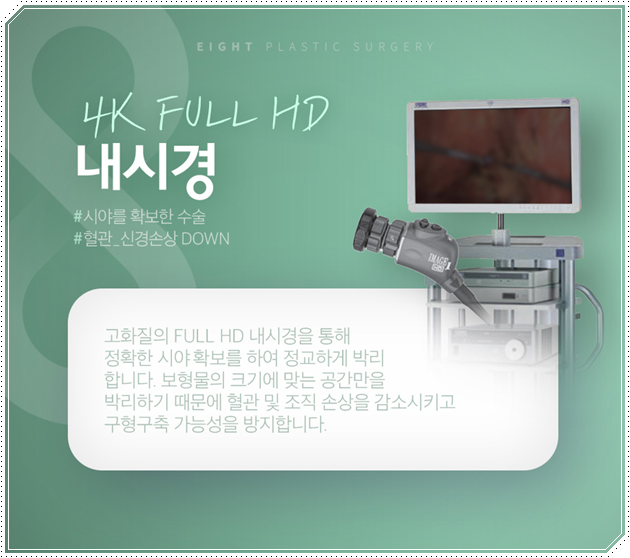
During surgery, Eight actively uses full-HD endoscopic equipment to directly monitor small blood vessels, nerves, and tissue structures that are difficult to see with the naked eye on a high-definition screen while performing the dissection. Supported by the air-untact system, the team directly identifies possible causes of bleeding within the surgical field and performs precise hemostasis. By minimizing tissue damage during surgery and fundamentally blocking the risk of acute hematoma or bleeding, the procedure is intended to support a safe and rapid recovery.
- Tissue stiffness
This refers to tissue becoming stiff during recovery, leaving residual swelling and hardness.
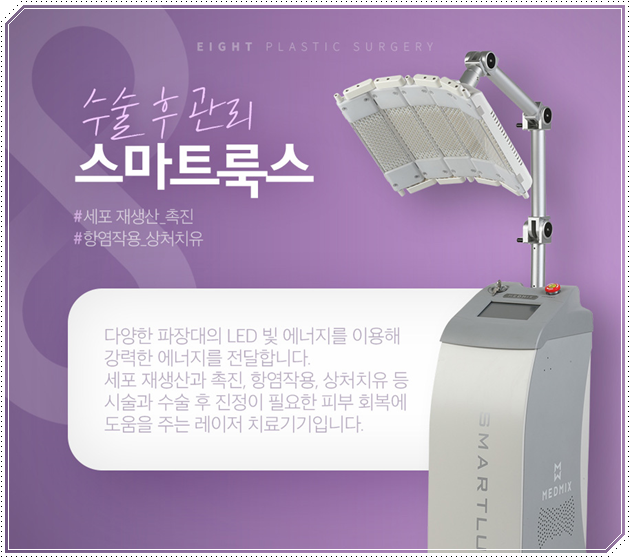
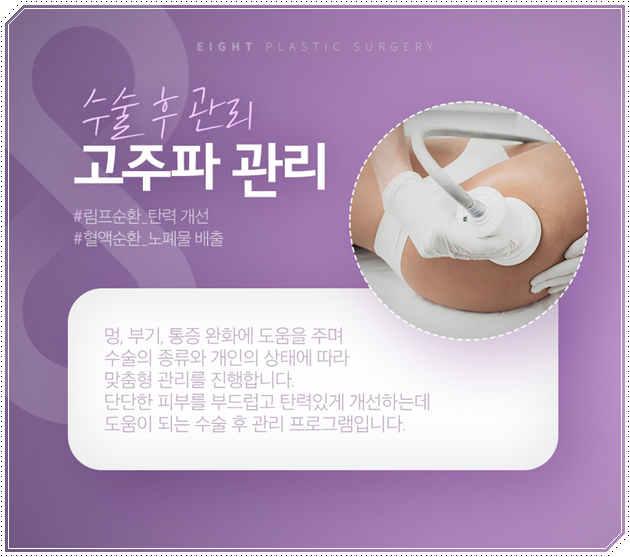
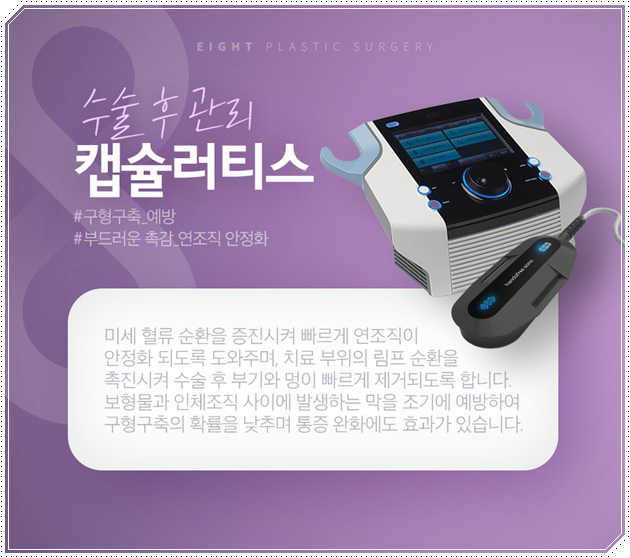
The possibility of side effects is managed throughout the recovery period through systematic postoperative aftercare provided by the dermatology department, including Smart Lux (LED cell regeneration), Capsulartis (microvibration and ultrasound tissue relaxation), and radiofrequency treatment (deep-heat collagen regeneration).
Eight has also established various safety systems, and an anesthesiologist is stationed on-site, helping provide care with greater reassurance.
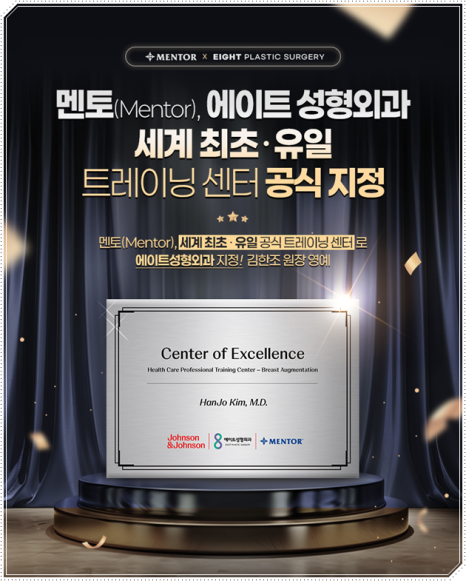
Johnson & Johnson, which supplies the global breast implant brand Mentor, operates a “Center of Excellence Training Center” for medical institutions that have passed strict global standards. Eight Plastic Surgery Clinic is the only institution in Korea to have been selected for this program and officially operates a breast surgery training center. This designation is awarded after a comprehensive evaluation of clinical capabilities, proficiency with the latest implants, and patient safety management systems. At Eight, patients can therefore receive care with greater reassurance. The clinic also leads professional training and workshops for medical professionals in Korea and abroad, helping disseminate global standards for safe and systematic breast augmentation. In this regard, it may be considered a medical institution with advanced technical expertise and professional capabilities.
As discussed above, when considering breast augmentation, choosing a clinic supported not only by careful consideration of the procedure types and costs, but also by thorough diagnosis, a side-effect prevention system, and systematic recovery care can be said to be a way to achieve safe and satisfactory results.
If you have concerns, please refer to the information provided today and be sure to discuss them sufficiently with a board-certified plastic surgeon so that you can make more systematic preparations.
※ This post was written in compliance with Article 56, Paragraph 1 of the Medical Service Act and includes medical advertising for Eight Plastic Surgery Clinic. All surgeries and procedures may involve side effects such as bleeding, inflammation, bruising, swelling, and capsular contracture depending on the individual. Therefore, please make a careful decision only after receiving an in-person consultation with a plastic surgeon with extensive clinical experience.

Previous image
Next image