
Why Choose Partial Incision Instead of Non-Incision Double-Eyelid Surgery? Meaning, Cost, and When Does the Swelling Go Down?
One of the main concerns for people planning double-eyelid surgery is which surgical method to choose. In particular, many people consider the non-incision and incision methods. The non-incision method looks natural, but there may be concern about the possibility of the fold coming undone. A full incision provides strong fixation, but the scar and lengthy recovery period can feel burdensome. Partial-incision surgery is a representative method chosen to address the shortcomings of these two approaches. However, learning about partial incisions can also raise various questions. Today, we will discuss why many people choose partial-incision double-eyelid surgery instead of the non-incision method.
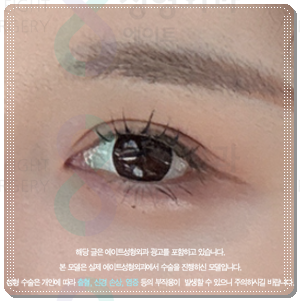
- Why Choose It Instead of Non-Incision Surgery: Meaning and Features of Partial-Incision Double-Eyelid Surgery
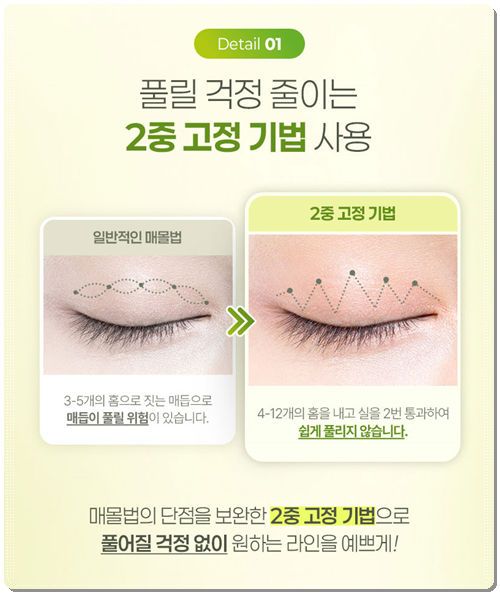
Partial-incision double-eyelid surgery appropriately combines the advantages of incision and non-incision methods. It is performed by making tiny incision openings in the eyelid.
-
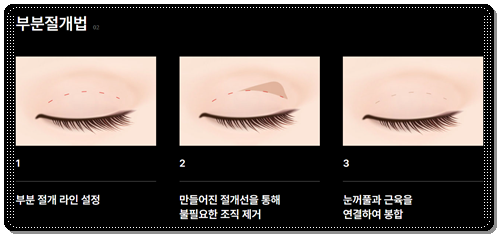
Meaning of partial-incision double-eyelid surgery: Instead of making a long incision across the entire eyelid, 2–3 mm micro-incision openings are made only where necessary. Through these openings, excess fat or thick muscle tissue inside the eyelid is refined, and the double-eyelid line is fixed. Because an incision is made in some areas while other areas are sutured using the non-incision method, the procedure is also referred to literally as a partial incision.
-
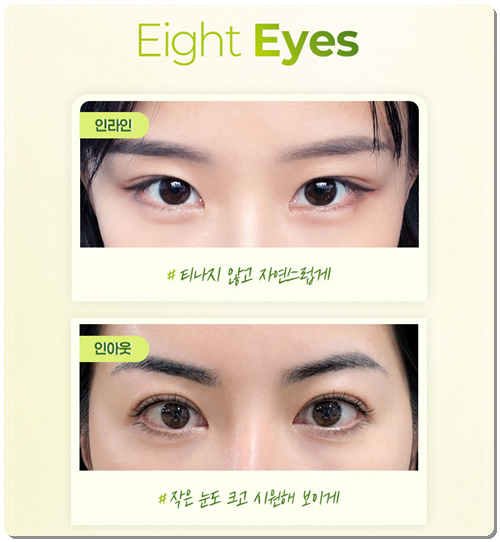
Why choose it instead of the non-incision method?: It is usually selected as an alternative when there is a slight amount of eyelid fat or the skin is somewhat thick, making it more likely that the fold will loosen with the non-incision method alone, but the condition is not severe enough to require a full incision. It is also suitable for people who are concerned about scars and swelling. Compared with the non-incision method, it offers much stronger fixation, while reducing the burden of scarring and recovery time compared with a full incision.
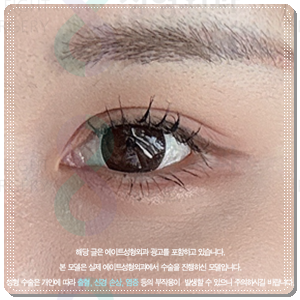
- When Does It Start to Look Better After Double-Eyelid Surgery? Partial-Incision Swelling Timeline
The recovery period is one of the most important factors for people preparing to return to their daily routines. Swelling after partial-incision double-eyelid surgery is generally less severe than with the full-incision method, so recovery is faster. However, because micro-incisions are still involved, care is needed at each stage.
-
Initial swelling and bruising (days 1–3 after surgery): From immediately after surgery through approximately the third day, swelling and bruising are most prominent. During this period, applying cold compresses regularly can constrict the blood vessels and help reduce the spread of swelling and bruising.
-
Reduction of major swelling and return to daily activities (days 4–7 after surgery): Warm compresses are recommended from this point onward. Around the time the stitches are removed, redness and significant swelling begin to visibly subside. Light outings and routine activities gradually become possible during this period.
-
Dissipation of residual swelling and a natural-looking line (from 2 weeks to 1 month onward): As the residual swelling that can make the eyes look sausage-like gradually subsides, the double-eyelid line settles into a softer, more natural appearance that looks like your own eyes. From this point, taking walks along with other care may help improve circulation and speed the reduction of residual swelling.
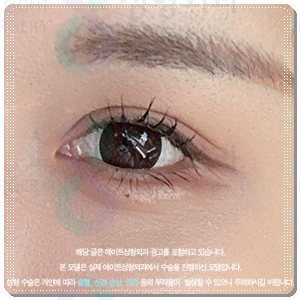
- Partial-Incision Double-Eyelid Surgery Cost for a Reasonable Budget
The cost of partial-incision double-eyelid surgery generally ranges from approximately KRW 800,000 to KRW 1.5 million. This price can vary depending on the surgical method and extent of surgery applied to the individual’s eye condition, as well as the difficulty of the procedure.
-
Factors determining the cost: The budget may differ depending on whether the procedure involves partial incision alone, whether ptosis correction to improve eyelid-opening strength is performed at the same time, or whether additional combined procedures such as medial or upper canthoplasty are included.
-
Tips for making a sensible choice: Rather than focusing solely on the price, carefully check whether the clinic accurately assesses the thickness of your eyelid skin and the amount of fat, then recommends a suitable crease and surgical method. This is a reliable way to improve satisfaction with the result.
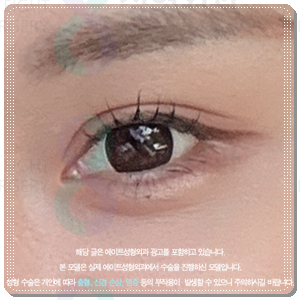
- Safety System Checklist for Successful Eye Plastic Surgery
To maintain satisfactory results over the long term and prevent complications, the clinic’s medical environment is important in addition to the surgeon’s clinical experience.
-
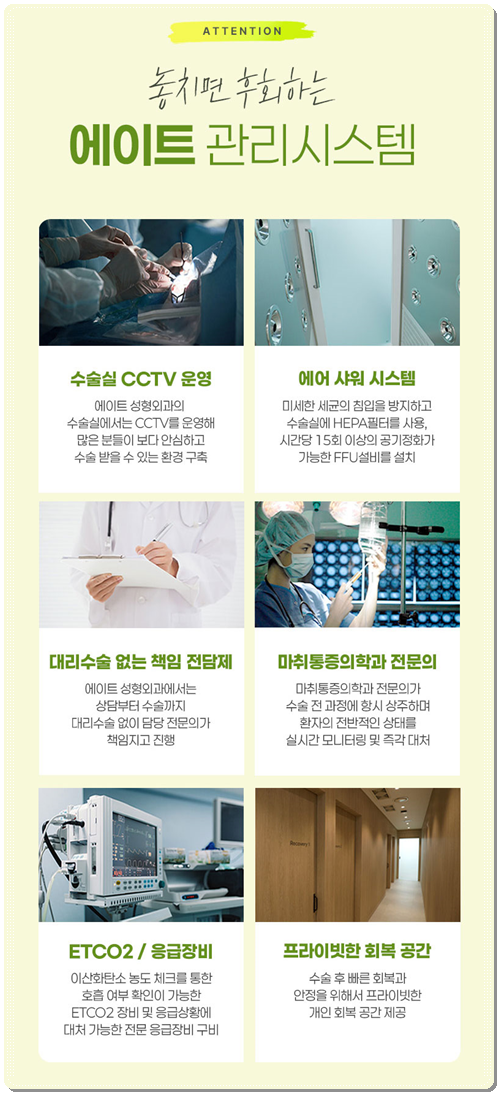
Thorough infection control: It is advisable to check whether the clinic has an aseptic operating-room cleanroom system and other measures designed to prevent the entry of microorganisms and reduce the risk of infection.
-
Emergency response system: Check whether a safety system is in place in which a specialist in anesthesiology and pain medicine remains on-site and monitors the entire surgical process.
-
Systematic post-operative care: A post-operative care system should be in place to carefully oversee the recovery process, including swelling-reduction laser treatment and individualized recovery programs.
Today, we discussed partial-incision surgery rather than full-incision or non-incision double-eyelid surgery. Partial incision is an efficient method that can provide both the natural appearance of the non-incision method and the fixation strength of the incision method. Of course, for eye plastic surgery such as double-eyelid surgery, the appropriate surgical method varies depending on your eye shape and the improvements you want. Therefore, please have a thorough consultation with a board-certified plastic surgeon before creating a surgical plan and crease that best suits your eyes.
※ This post was prepared in accordance with Article 56 of the Medical Service Act and related guidelines and includes medical advertising for Eight Plastic Surgery Clinic. After eye plastic surgery, side effects such as swelling, bruising, bleeding, and inflammation may vary from person to person. Please make a careful decision after having a detailed consultation with a plastic surgeon with extensive clinical experience before undergoing the procedure.






Previous image
Next image