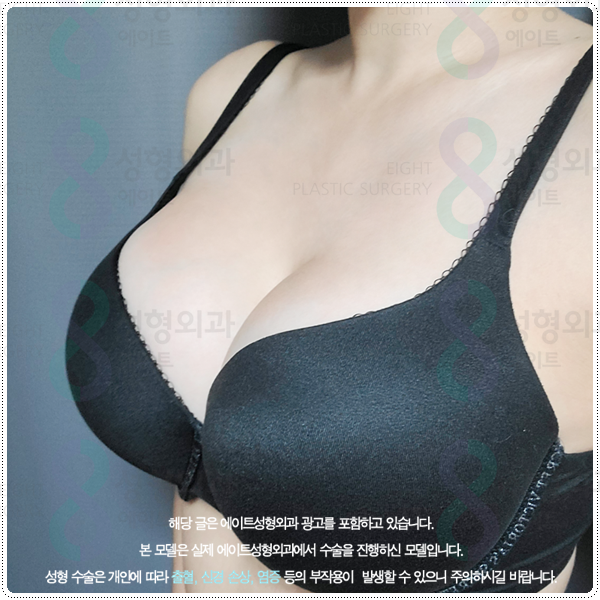
When You Are Worried About Scars and Pain After Breast Revision Surgery: Finding the Right Timing and Vivid Reviews
Even after time has passed since breast augmentation surgery, many people find themselves sighing whenever they look in the mirror because of unexpected problems, and feel overwhelmed at the thought of having to return to the operating table. Since the memory of the first surgery may remain painful, the mere fact of having to undergo another procedure can inevitably make the fear even greater. In particular, when deciding to undergo revision surgery, many people first worry about pain, the scars that may remain, and when exactly they should have the surgery again. With the hope of breaking the cycle of repeated revision surgeries and making this the true final procedure, let us carefully review the key points and wise approaches that must be considered when contemplating successful breast revision surgery.
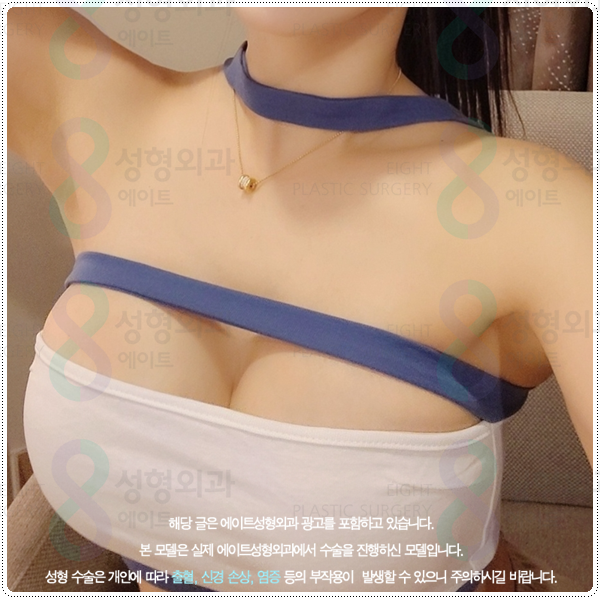
- Why Do People Decide to Undergo Breast Revision Surgery Again? Main Causes and Solutions
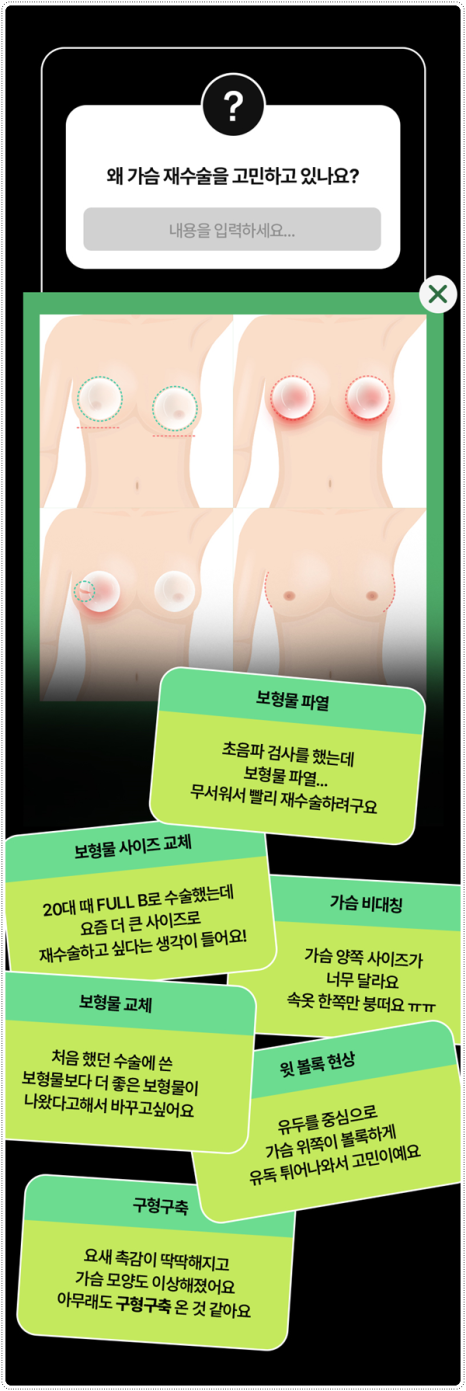
In most cases, breast revision surgery involves physical discomfort and pain beyond simple dissatisfaction with appearance, so accurately identifying the cause is the first priority.
-
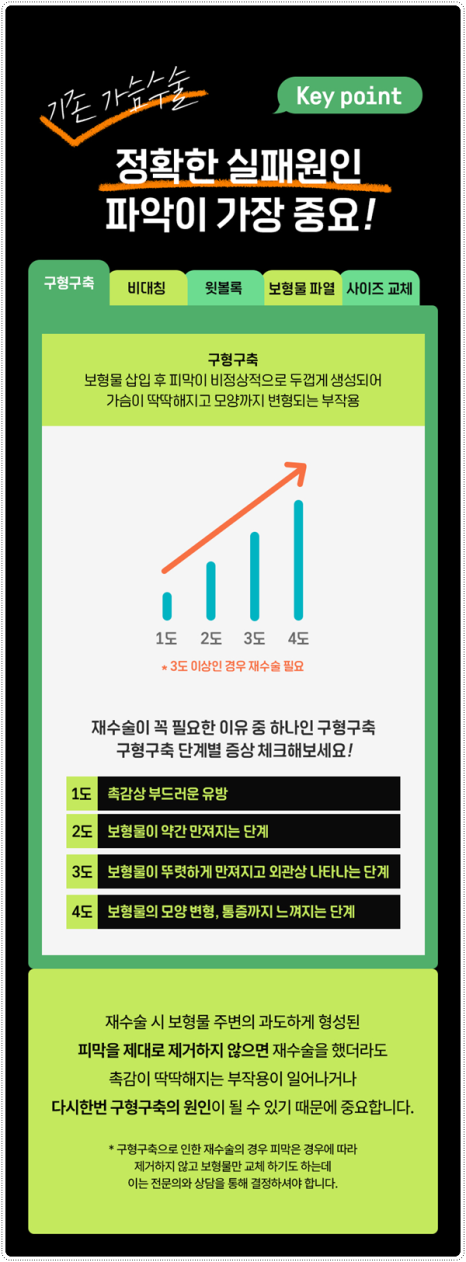
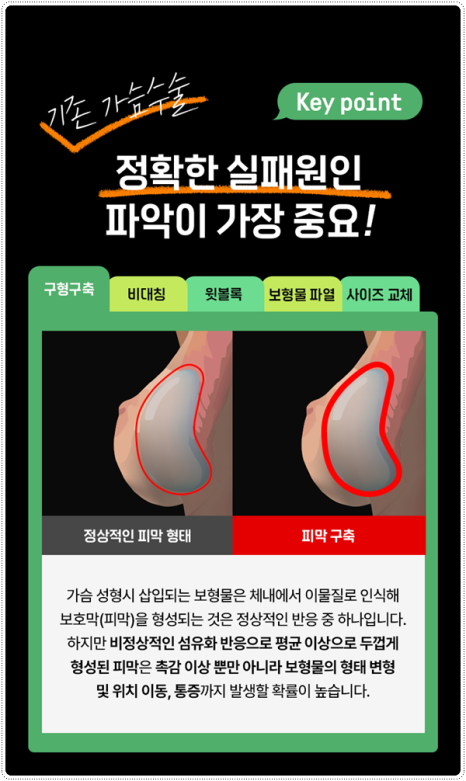
Capsular contracture: This is a representative complication in which the breasts become as hard as rocks or produce a tingling pain. It occurs when the capsule around the implant becomes abnormally thick due to inflammation, a hematoma, individual factors, or other causes. In this case, the cause must be carefully analyzed, the thickened capsule precisely removed, and the implant replaced with a new one to help prevent the breasts from becoming hard again.
-
Implant rupture and deformation: This refers to cases in which an implant is damaged, causing its contents to leak or its shape to change. Pain or swelling may accompany these symptoms, and the existing implant must be promptly removed and replaced with a new one.
-
Rippling and implant visibility: This is when the folds of an implant can be seen through the skin or felt by hand. It mainly occurs when a person has thin soft tissue or when the implant’s fill ratio and viscoelasticity do not suit their body shape. It may be improved by replacing the implant with a newer, highly cohesive implant or by reinforcing insufficient soft tissue through autologous fat grafting or artificial dermis.
-
Dissatisfaction with size or shape, and asymmetry: This refers to cases in which the results do not meet expectations or the inframammary fold position or breast size differs between the two sides. An ideal balance and volume on both sides can be achieved by changing the implant size or type and carefully repositioning the implant pockets.
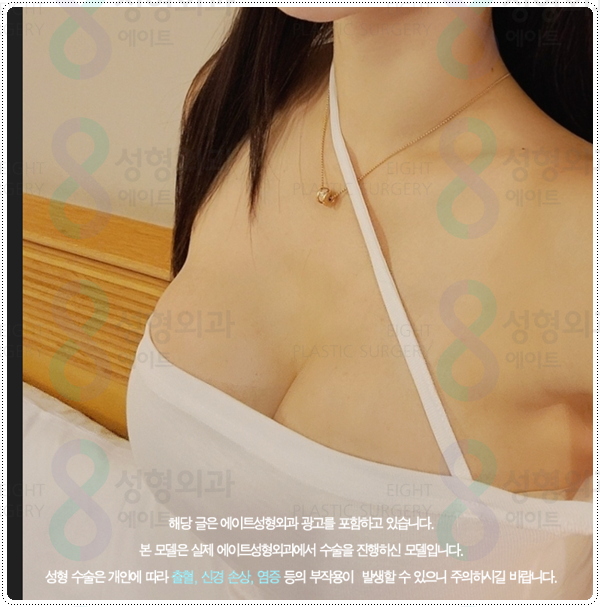
- The Ideal Timing for Revision Surgery: When Is It Best to Decide?
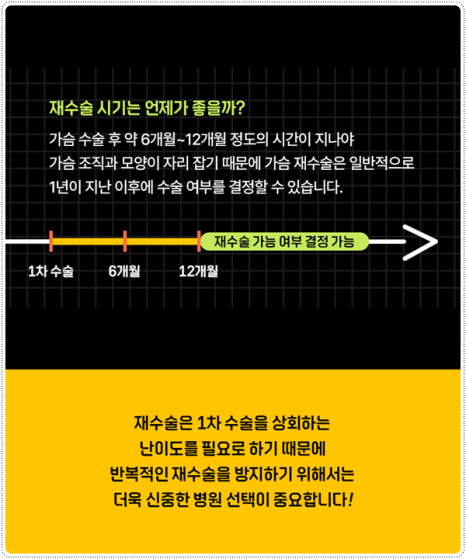
Many people wonder whether revision surgery can be performed immediately when their condition is uncomfortable. In general, breast revision surgery is recommended as a stable time for surgery after at least six months have passed since the previous procedure. This is because the breast tissue needs approximately this amount of time to become sufficiently soft and settle, allowing the internal condition resulting from the previous surgery and the cause of the problem to be accurately diagnosed. If revision surgery is rushed before the tissue has healed, the procedure may become more difficult and the recovery period may also be prolonged.
However, if an implant has ruptured or an urgent situation involves severe pain to the point that daily life is impossible due to serious inflammation or capsular contracture, you should promptly consult a board-certified plastic surgeon and take appropriate action regardless of the timing.

- A Precise System to Reduce Concerns About Pain and Scars After Breast Revision Surgery
Breast revision surgery is anatomically more complex and requires a higher level of technical difficulty than primary surgery. Therefore, to reduce the burden of pain and breast revision scars while improving the quality of the result, it is important to carefully examine the systems and facilities available at the clinic.
-
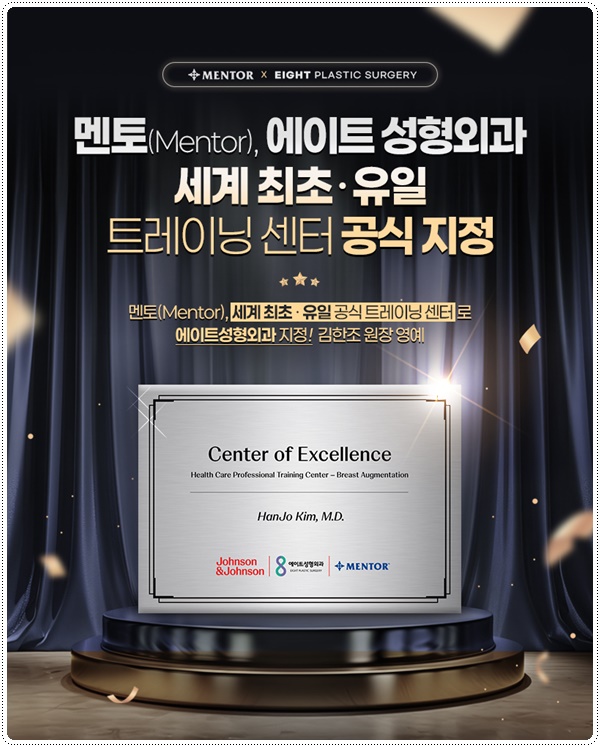
Official designated training center for the global implant brand Mentor: As the world’s first officially certified Mentor breast training center designated by Mentor, it presents safe, high-quality revision surgery solutions optimized for each individual’s body shape and condition, based on extensive clinical experience and anatomical expertise.
-
Air shower and sterile clean system: Before entering the operating room, an air shower thoroughly removes fine dust and bacteria attached to the body. A sterile cleanroom system and thoroughly sterilized medical instruments are used to eliminate infection factors, a major cause of complications, at the source.
-
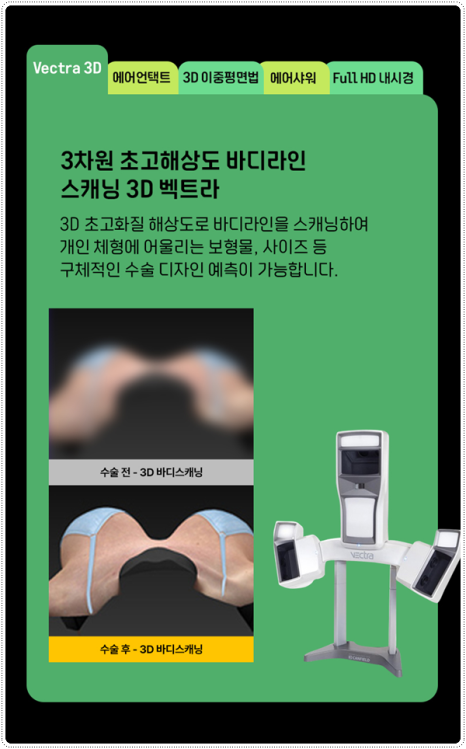
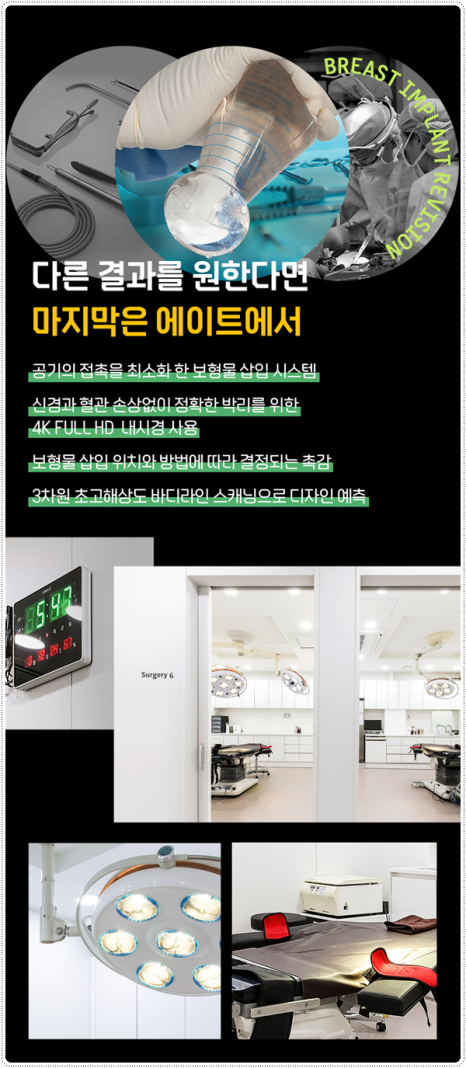
Precise dissection and minimal tissue damage: A 4K FULL HD endoscope is used as far as the inframammary fold to directly identify tiny blood vessels and nerves and perform delicate dissection. A dry pocket that minimizes bleeding is created, and three-dimensional 360-degree dissection is performed, greatly reducing concerns about implant displacement, scars, and tissue damage.
-
Air-uncontact system: A specially designed Keller funnel is used to insert the implant with minimal pressure and without directly touching it by hand. Accurate placement is possible through a small incision of approximately 2.5 cm, significantly reducing the risks of postoperative scarring, pain, and infection.
-
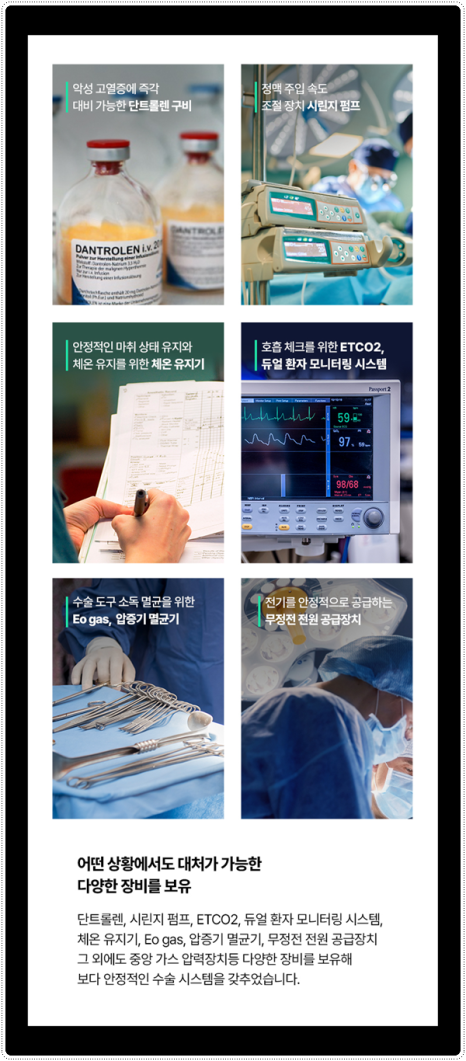
One-to-one monitoring by an anesthesiologist: To help reduce fear of pain, an anesthesiologist remains present from the beginning of surgery through recovery, monitoring vital signs in real time and helping maintain safe breathing.
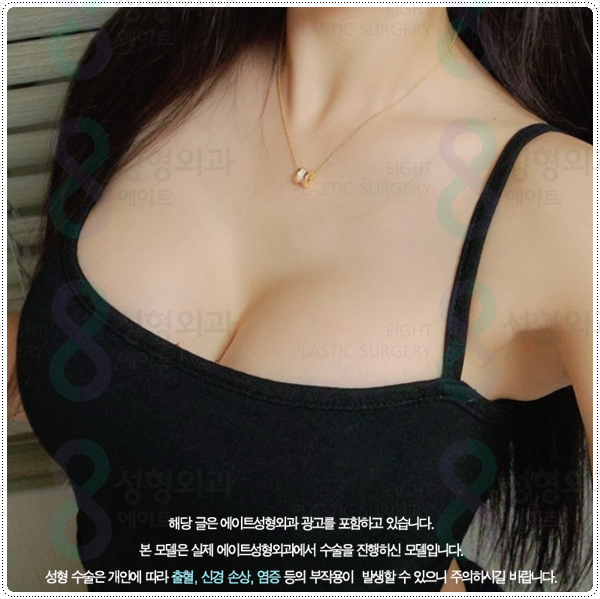
- A Systematic Aftercare Program for Reassurance Through the End of Recovery
As you can usually see from breast revision surgery reviews, the recovery process is just as important as the surgery itself for stability, satisfaction with the results, and a faster recovery. Care that helps gently relieve swelling and bruising after breast surgery and loosens hardened tissue should be provided alongside the recovery process to achieve satisfactory softness and a natural contour.
-
Capsulitis and radiofrequency care: This promotes microcirculation, helps the tissue around the implant stabilize early, helps prevent capsular contracture, and gently relaxes hardened areas.
-
SmartLux and regenerative laser: Using LED light sources, this treatment supports cell regeneration in irritated skin and induces an anti-inflammatory effect, helping shorten the wound-healing period.
-
Customized scar and swelling care: In addition to the initial effort to minimize the incision area, moisturizing care and scar care tailored to each stage of recovery can help support stable results.
Today, we discussed breast revision surgery for those considering another procedure after their first surgery. In general, breast revision surgery requires a process that goes beyond simply changing one’s appearance and also helps address the emotional wounds caused by the difficulties experienced over time. If you would like to receive an accurate diagnosis of your current breast condition and the cause of your discomfort, we recommend starting with thorough communication with a plastic surgeon who has extensive clinical experience and expertise.
※ This post was prepared for informational purposes in compliance with Article 56 of the Medical Service Act and the Enforcement Decree of the same Act, and includes medical advertising for Eight Plastic Surgery. Since bleeding, capsular contracture, infection, scarring, and other complications associated with breast surgery and revision surgery may vary from person to person, please make a careful decision after having a thorough consultation with an experienced board-certified plastic surgeon before surgery.