Ptosis Correction Cost: What Are the Criteria for Choosing Non-Incisional or Incisional Surgery?
If you unconsciously tense your forehead when trying to open your eyes wide, or often hear that you look tired and sleepy, it may be necessary to examine not only the issue of double eyelids but also the factors related to your ability to open your eyes. In such cases, a procedure known as eye-opening correction may be considered.
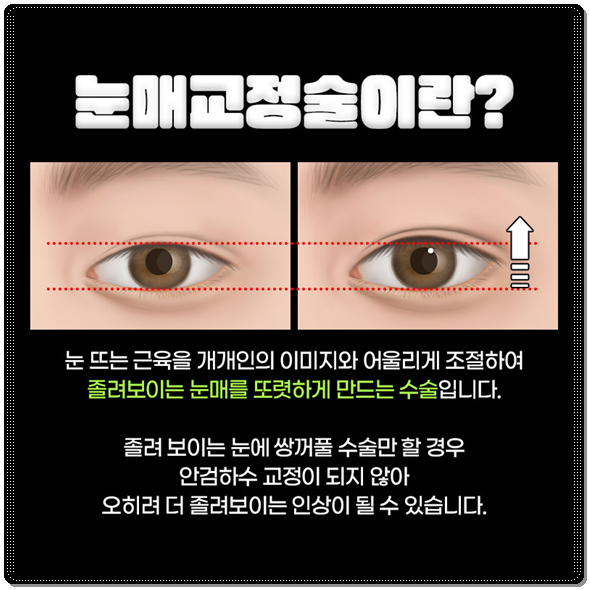
Eye-opening correction differs from surgery that simply creates a double-eyelid crease. It aims to create a clearer appearance by supplementing the function of the muscles that open the eyes. It is generally performed to correct symptoms of ptosis, but whether the non-incisional or incisional method is appropriate varies from person to person. Since the recovery process and cost also differ, it is important to choose a method suited to the condition of your eyes.
How much should you expect to pay for non-incisional eye-opening correction?
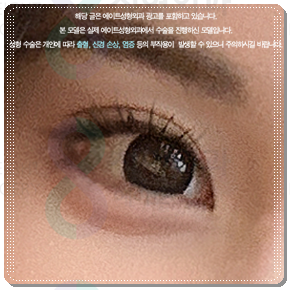
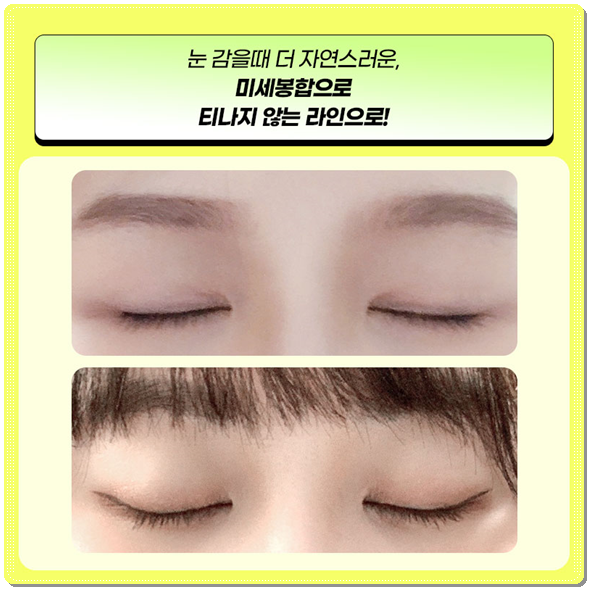
The non-incisional method adjusts the tension of the muscles that open the eyes without making an incision in the skin. It may be considered when there is little skin sagging and tissue elasticity is relatively well maintained. Since the correction is performed through tiny access points, there is relatively less concern about incision scars, and it is often chosen by people seeking a natural change in the appearance of their eyes.
The cost of non-incisional eye-opening correction is generally around KRW 1.1 million to KRW 1.5 million, but the actual price may vary depending on the severity of the individual’s ptosis, whether there is asymmetry between the eyes, and the extent of correction required. Rather than deciding on surgery based solely on cost, the priority should be to first confirm whether the method is suitable for your eye structure.
How does it differ from incisional eye-opening correction?
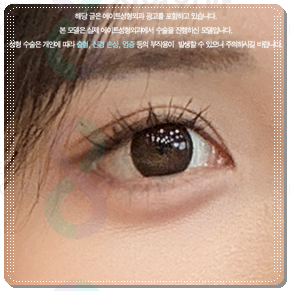
When the eyelids are thick or accompanied by sagging skin, the incisional method may be more suitable. Incisional eye-opening correction involves making an incision within the necessary area, removing unnecessary fat and tissue, and directly correcting the muscles that open the eyes. It can provide a more stable correction and may also be used when a wider range of correction is needed.
The appropriate surgical method may differ depending on the condition of each person’s eyes. These are general guidelines, so it is important to receive a diagnosis of your ptosis symptoms and eye appearance after having a thorough consultation with a board-certified plastic surgeon. The cost of incisional eye-opening correction is generally around KRW 1.5 million to KRW 2.5 million, although the price may also vary depending on the extent and difficulty of the procedure.
How long is the recovery period for non-incisional eye-opening correction?
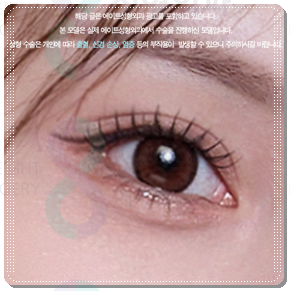
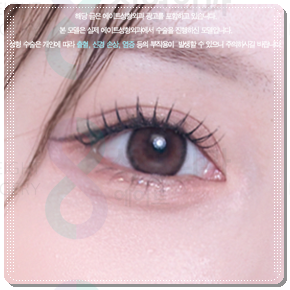
Because the non-incisional method does not involve an incision, recovery is generally considered relatively quick. Swelling and slight bruising may occur immediately after surgery, but these usually gradually improve over time.
The recovery period for non-incisional eye-opening correction varies from person to person. Generally, applying cold compresses for two to three days after surgery can help manage swelling. After about one week, the significant swelling gradually subsides, and many people are able to return to their daily activities. Between two weeks and one month, residual swelling gradually decreases, and the appearance of the eyes often becomes more natural. As the tissue continues to stabilize, the results often settle into a more natural appearance at around three months. However, recovery speed may vary depending on an individual’s constitution, the condition of the tissues around the eyes, and the extent of surgery. Therefore, the recovery period should be understood as a general reference, and it is important to follow the guidance of your medical team during recovery.
There are factors more important than cost in eye-opening correction
Eye-opening correction is not simply a procedure to make the eyes look larger; it must also take into account the movement and function of the eyelids. Therefore, if you are planning surgery, it is advisable to check the following aspects as well.
-
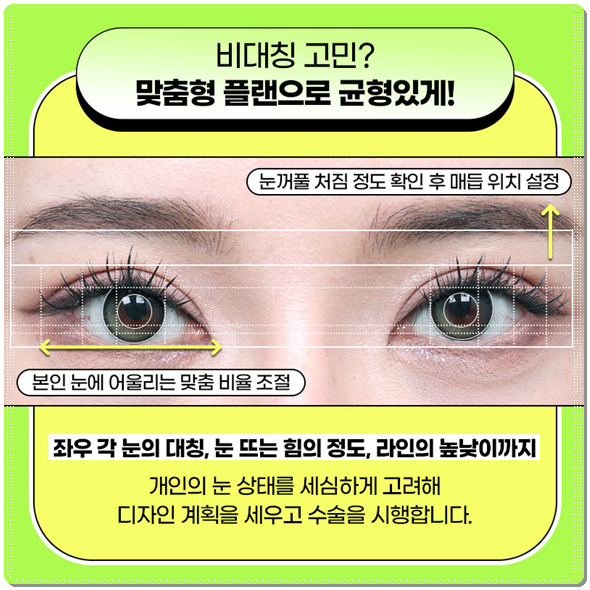
A detailed diagnostic system that carefully analyzes eyelid thickness and the degree of sagging
-
Whether an anesthesiology and pain medicine specialist is present, along with an emergency response system
-
An operating-room infection-control and safety system, including an air-shower system
-
A systematic post-treatment dermatology program, including swelling management and scar care after surgery
These factors may have an important effect on satisfaction beyond a simple comparison of costs.
Conclusion
For ptosis correction, it is important to first determine which method is appropriate for the current condition of your eyes, rather than deciding on surgery based only on a KRW 300,000–500,000 difference in cost. The non-incisional method can reduce the burden of recovery, while the incisional method may provide more stable correction when there is skin sagging or a large amount of tissue.
After receiving a thorough assessment of your eye structure and ability to open your eyes, choosing an appropriate surgical method may help you achieve a more natural and defined appearance. Please use the information provided here as a reference, and be sure to discuss your options with a board-certified plastic surgeon as you prepare for treatment.
※ This article is intended to provide general medical information and includes medical advertising. After surgery, unexpected outcomes such as swelling, inflammation, or differences between the two sides may occur depending on an individual’s constitution and recovery process. Please make a careful decision after having a thorough consultation with a board-certified plastic surgeon.
Previous image
Next image