
What Is the Average Price of Mentor Boost, and What Are the Surgical Methods and Recovery After Surgery for Enhancing Small Breasts?
If you are concerned about having a small breast size, breast augmentation may be considered as a way to add volume. When considering breast surgery, it is necessary to first examine your body type, breast tissue, and skin condition rather than simply focusing on increasing size. In particular, if your breasts are relatively small, planning a natural contour requires considering not only the implant size but also its width and projection.
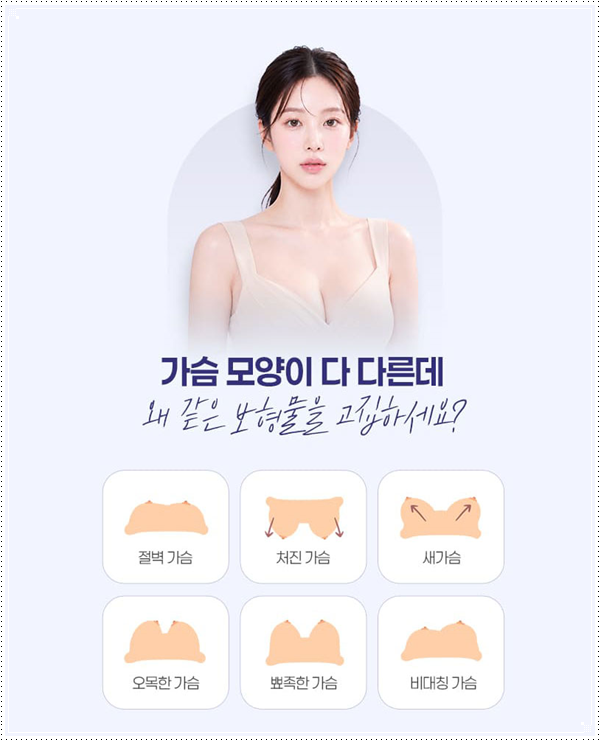
Before choosing an implant, it is advisable to check the shape of the breasts and the width of the rib cage and receive a consultation about how the options differ depending on the surgical method. Even when implants with the same volume are used, the appearance after surgery may vary depending on body type and the amount of existing tissue.
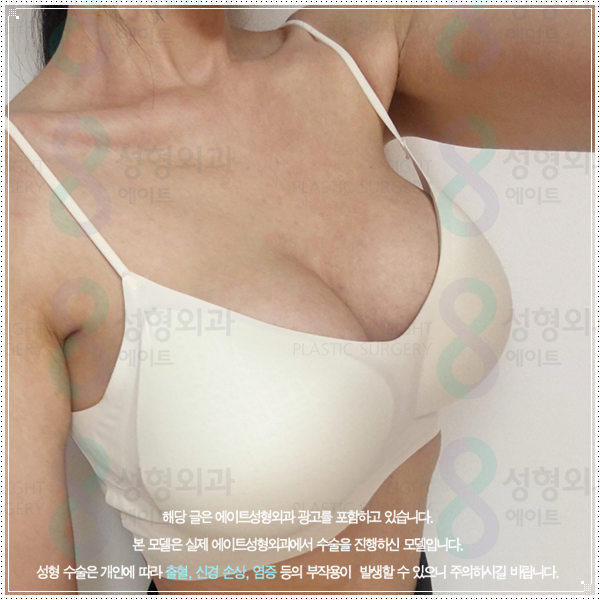
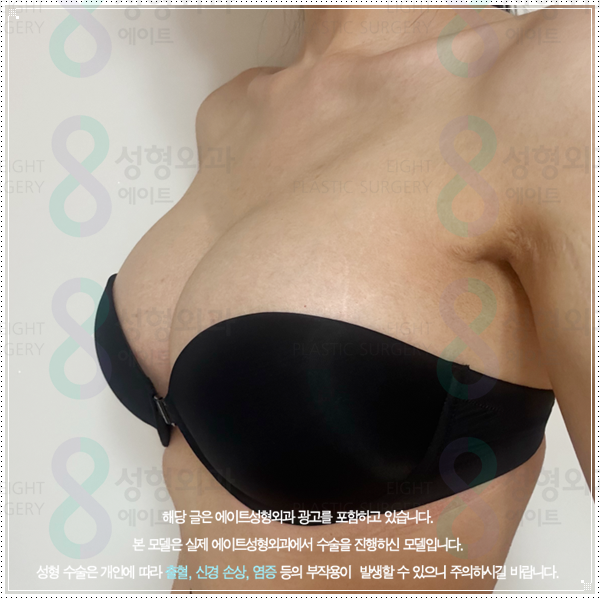
Methods for Enhancing Small Breasts
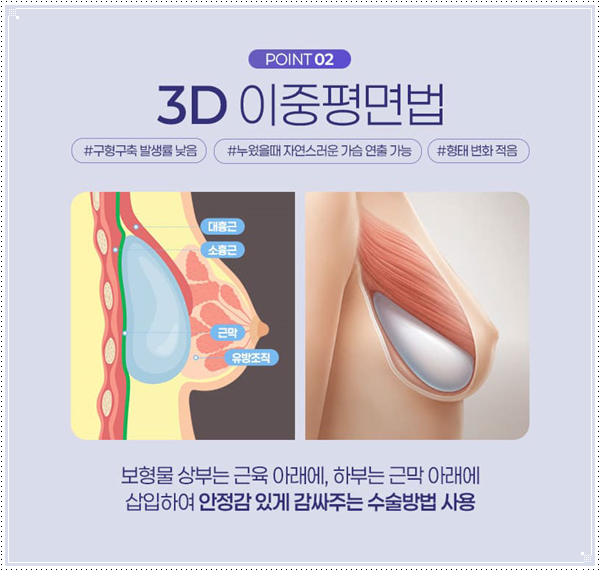
Methods for increasing volume include using implants or considering fat grafting. Implants are generally used because, in the case of fat grafting, satisfaction with the results may be lower for people who did not already have a certain amount of breast volume. When there is little breast tissue, satisfaction with implants tends to be higher. However, when planning breast augmentation, it is important to determine how much the skin can accommodate the implant. Choosing a size that matches the rib cage and existing tissue should take priority over simply selecting a large implant. In implant surgery, not only the product volume but also its width, height, projection, surface, and the characteristics of the internal gel are considered. Therefore, even if you want to enhance very small breasts, the same implant or size will not necessarily be suitable for everyone.
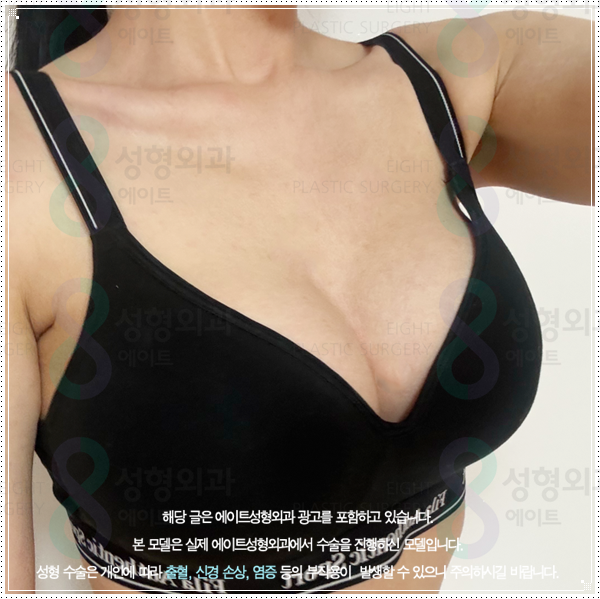
What Kind of Product Is Mentor Boost?
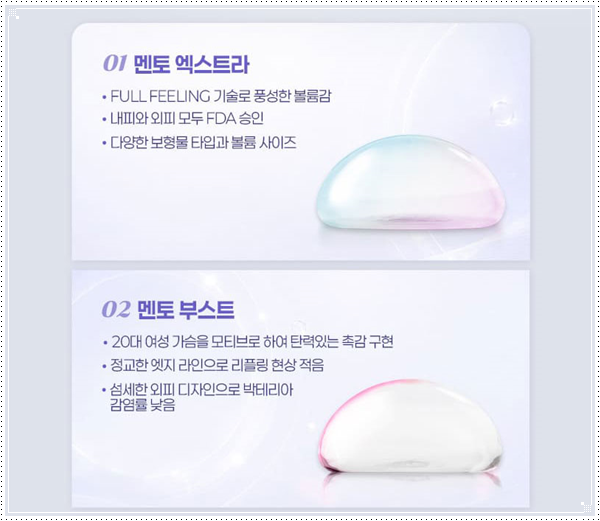
When looking into Mentor products, you can find several types of implants. Among them, Mentor Boost is a newer implant that has recently become popular. According to official Mentor materials, Mentor Boost was designed to improve shape stability based on the respective characteristics of existing Mentor implants, and it uses cohesive gel inside.
The goal is to achieve a soft feel while maintaining the implant’s shape through the filling characteristics of the gel and the design of the outer shell. In particular, Mentor materials explain that Mentor Boost was designed to help reduce rippling, in which wrinkles in the implant are visible or palpable, and was developed to maintain its shape while providing the desired degree of projection. It is also available in various sizes and profiles, allowing it to be selected according to body type.
Therefore, the same size of Mentor Boost is not suitable for everyone. In general, implant selection should be made appropriately by comprehensively considering the width of the rib cage, existing tissue, skin condition, and desired volume.
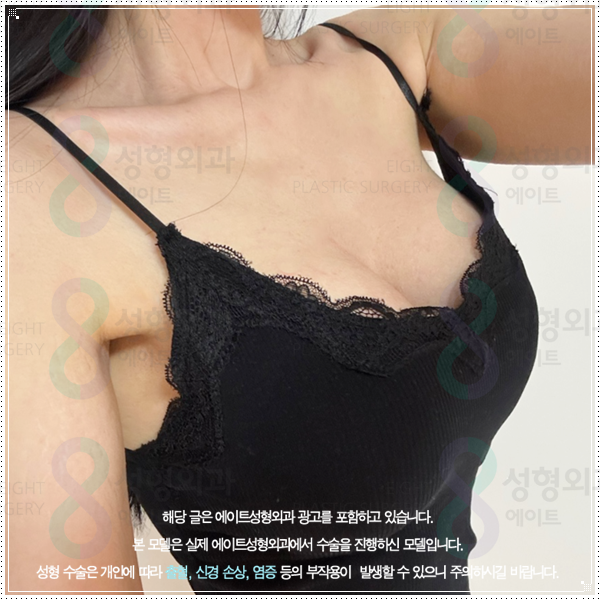
What Is the Price of Mentor Boost?
The current average price of Mentor Boost is set at KRW 12 million to KRW 14 million. The actual cost of breast augmentation may vary depending on the surgical method applied after consultation and the breast implant used. Because the condition of the breasts and the difficulty of the procedure are also taken into account, individual costs may differ even when the same product is selected. Therefore, when comparing surgical prices, it is important to check various components, such as anesthesia, the surgery itself, and examinations, rather than looking only at the implant price.
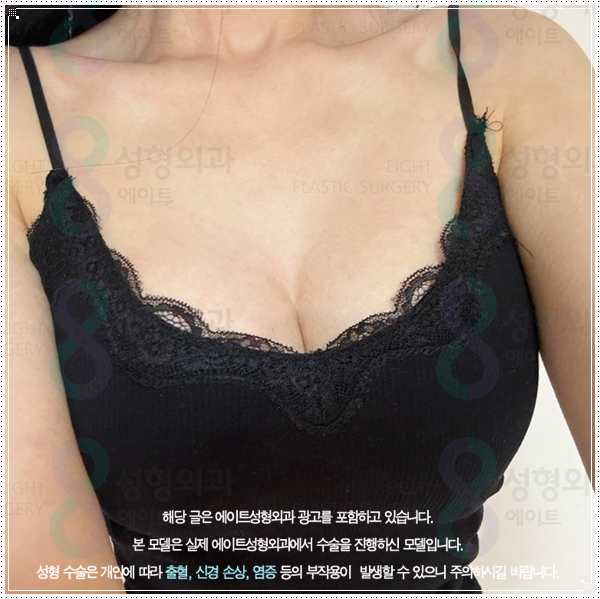
How Long Does Recovery Take After Surgery?
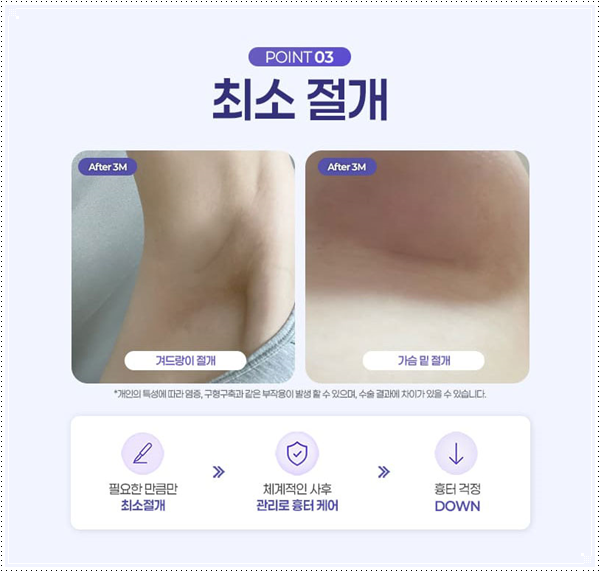
The recovery period after breast augmentation varies from person to person. In many cases, light daily activities become possible around 3–5 days after breast surgery. During the first week after surgery, swelling, bruising, tightness, or pressure in the breasts may remain, so it is advisable to avoid lifting heavy objects or making large movements with the arms. From the second week after breast augmentation, as the condition stabilizes, light activities can gradually be increased. After approximately 3–4 weeks, most people experience significantly less discomfort during daily activities. However, you may be advised to wait longer before starting exercises that involve substantial impact or stimulation to the breasts, such as running or weight training. Generally, even after approximately one month of recovery from breast augmentation, it cannot be assumed that the internal tissues have fully stabilized. It may take several months for the implants to settle into position and for the tissues to adapt naturally. Therefore, it is advisable to follow your medical team’s instructions regarding the precise timing for resuming exercise and methods of postoperative care, according to the incision location, implant, and individual recovery status.
Previous image
Next image
Systems to Check
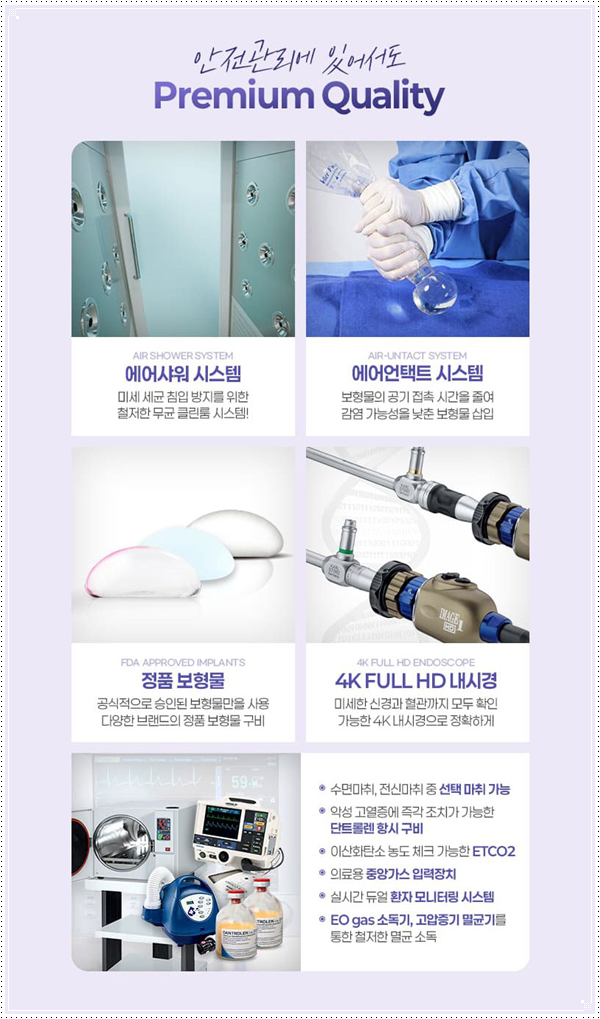
In general, you should check whether the clinic operates a system in which the medical professionals responsible for each field who conduct the consultation personally oversee the process from surgery through postoperative care. It is also advisable to check whether the clinic operates an aseptic clean system and an air-shower system for infection control in the operating room, as well as whether an anesthesiology and pain medicine specialist is on site.
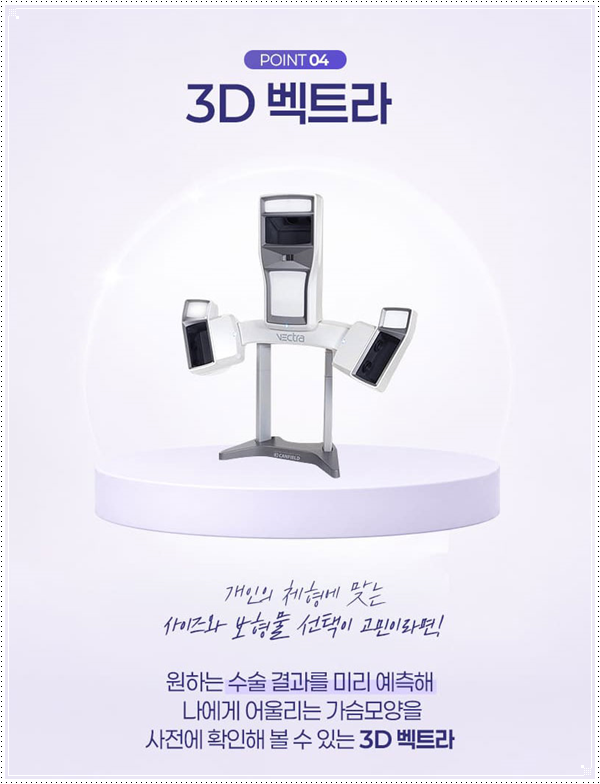
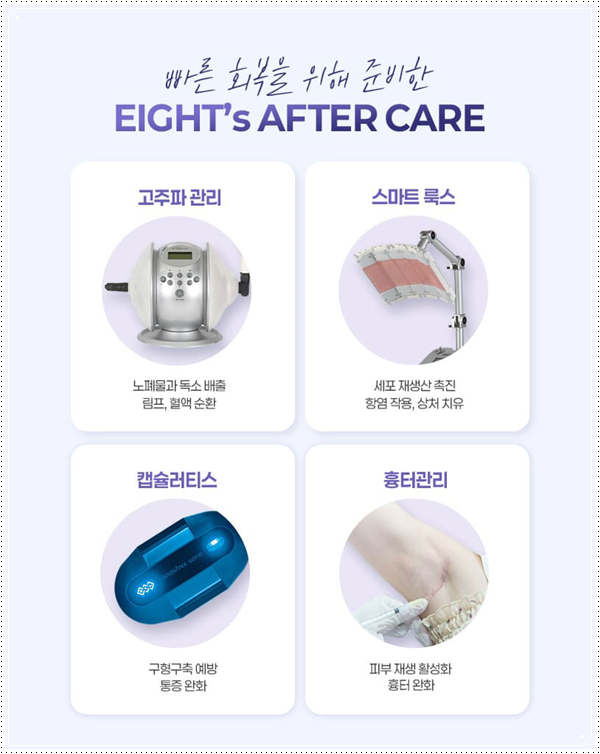
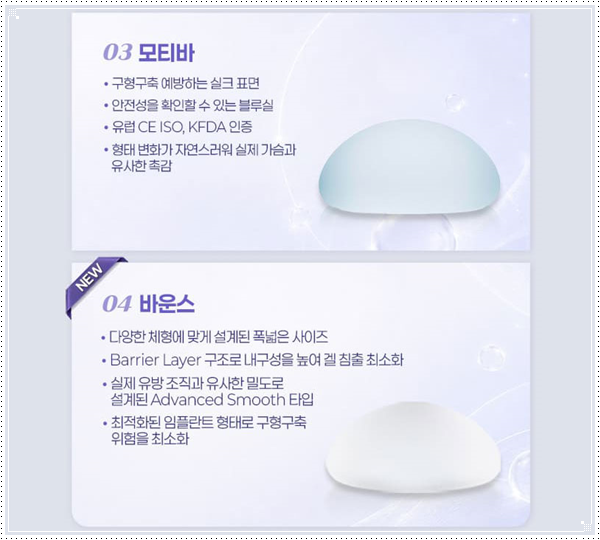
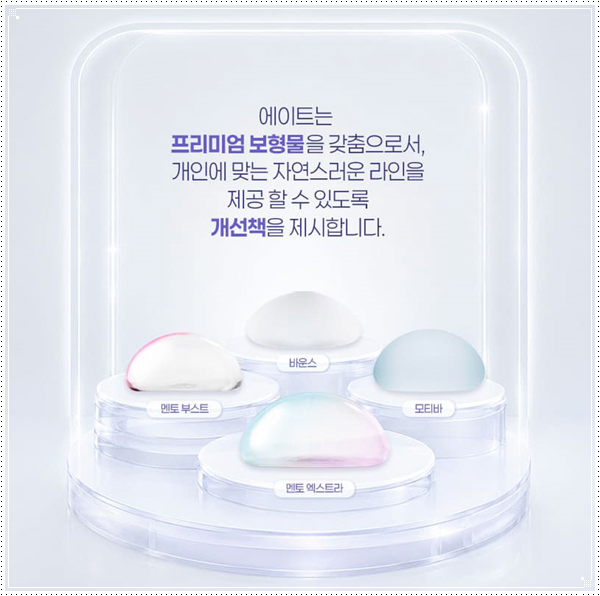
It is also advisable to check whether the clinic uses genuine implants such as Mentor, Motiva, and Bounce, whether it analyzes each patient’s body type and rib cage width in detail using a 3D Vectra system, and whether it provides dermatological aftercare such as Capsulartis and SmartLux after plastic surgery.
When choosing a clinic, it is therefore advisable to consider not only the price but also how the process connects from consultation to surgery, recovery, and postoperative care.
Eight Plastic Surgery Clinic, Designated as an Official Mentor Training Center
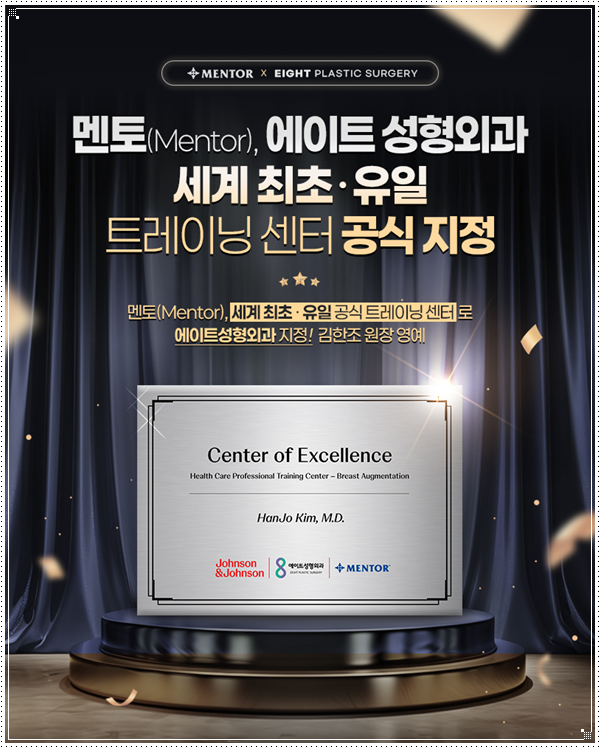
One point worth noting about Eight Plastic Surgery Clinic’s relationship with Mentor is its designation as a Mentor Center of Excellence Training Center.
In 2025, Mentor officially designated Eight Plastic Surgery Clinic as the world’s first Center of Excellence Training Center and selected Director Kim Han-jo as the medical professional in charge of the center. The criteria described by Mentor include clinical outcomes, proficiency with the latest implants, the ability to train medical professionals, and the patient safety management system.
Director Kim Han-jo also participated in the early clinical research on Mentor Boost, has presented related surgical cases and data at domestic and international conferences, and shares experience using Mentor Boost and surgical expertise at the Asia-Pacific Breast Aesthetic Surgery Symposium. The director is known for expertise in breast augmentation. If you are considering Mentor Boost, it is advisable to check not only the product price but also how well the medical team understands the product’s characteristics, which specifications are suitable for your breast condition, and how the surgical process and postoperative care will be carried out.
Previous image
Next image
Conclusion
Surgical methods for improving the volume of small breasts may vary depending on the individual’s body type and tissue condition. Rather than deciding based only on breast size, it may be helpful to research which surgical method is appropriate and to review experiences related to the recovery process and postoperative care. Of course, because breast surgery reviews are based on individual experiences, it is important not to expect the same result as that described by someone else. Instead, the decision should be made after consulting sufficiently with a medical professional based on your own breast condition.
※ This content is intended to provide general medical information. Surgical methods, results, and recovery processes may differ from person to person. Before surgery, consult sufficiently with a medical professional to confirm the expected effects, possible side effects, and precautions, and make a careful decision.