Precautions Before/After Rhinoplasty
#RhinoplastyPrecautions #RhinoplastyPain #NoseScarTissue
#RhinoplastyPrecautions #LuohoPlasticSurgery
The nose serves as the center of the face 👃
Even small changes in nose shape can dramatically change the overall impression of the face.
Many people consider rhinoplasty for various reasons, such as having a low nose bridge, a nose that is too short or too long, a slightly crooked bridge, or wide nostrils.
Men are also showing greater demand for rhinoplasty in order to achieve clearer, more defined facial features.
That is why rhinoplasty should be planned carefully, taking into account many factors such as choosing the right clinic, finding a line that suits your face shape, and deciding on the surgical method.
In particular, many people seem to be curious about what to do before and after surgery when it comes to rhinoplasty precautions, so I will briefly explain them.
Rhinoplasty Precautions
To make it easier to understand, I will divide them into precautions before surgery and after surgery.
The five main precautions to follow before nose surgery are summarized below.
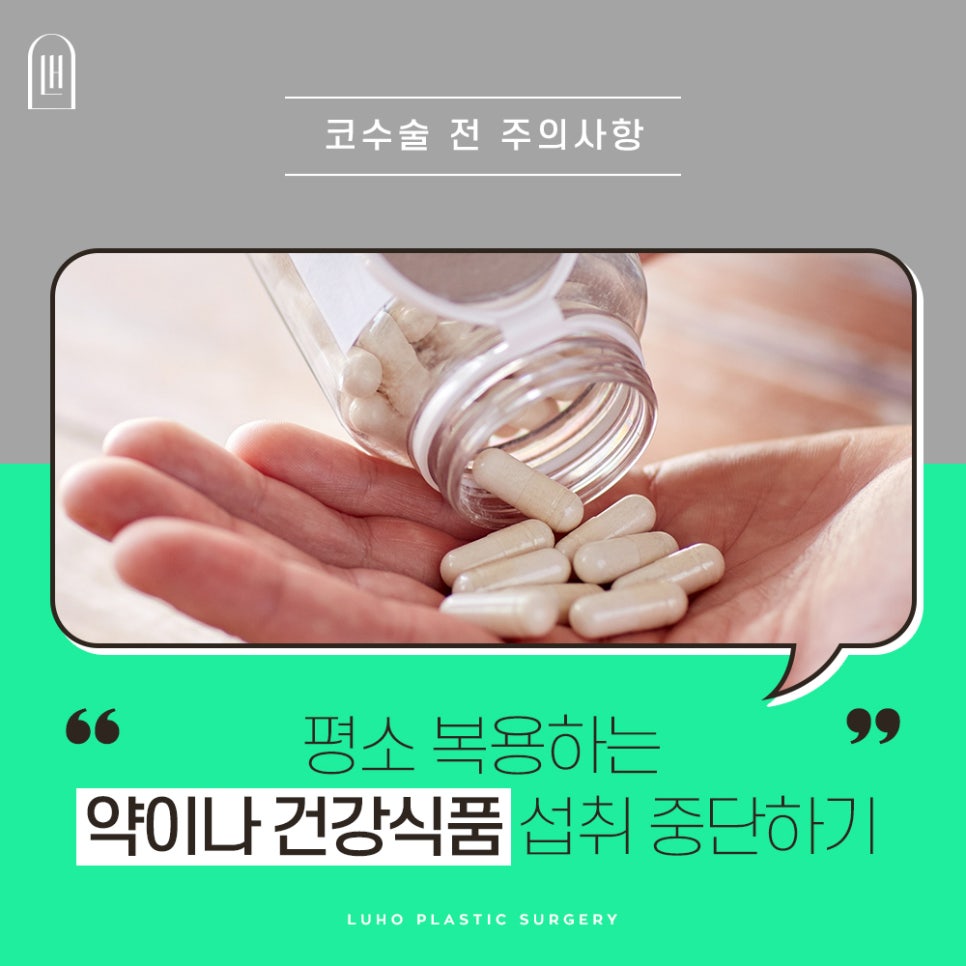
Stop taking regular medications or health supplements
You must обязательно share this with your doctor before surgery.
For example, aspirin thins the blood, and red ginseng promotes blood circulation,
so excessive bleeding may occur during surgery.
Please avoid taking medications that interfere with blood clotting, such as aspirin, vitamin E, omega-3, krill oil, and herbal medicine, starting at least one week before surgery.
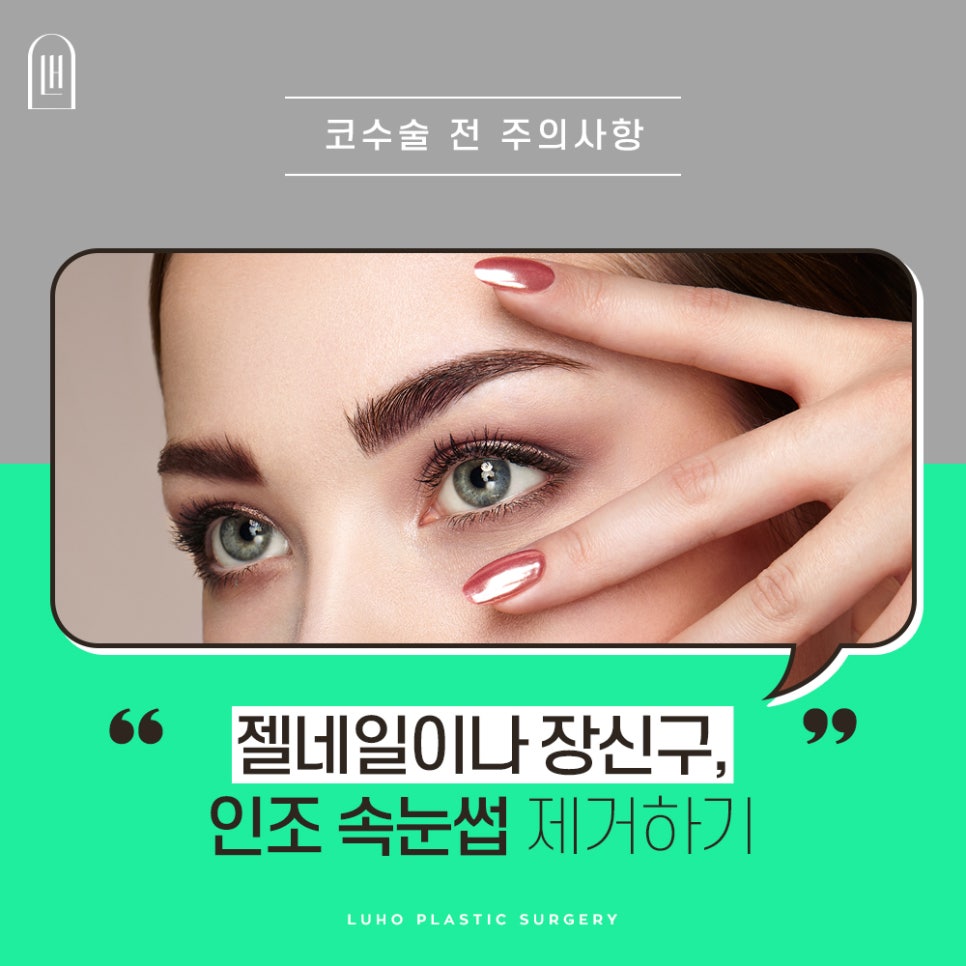
Remove gel nails, jewelry, and false eyelashes
During surgery, a monitoring device is attached to the fingernails or toenails to check whether breathing is being maintained and to measure oxygen saturation.
Because of this, nail polish or pedicure products that interfere with the reading should be removed before surgery.
Also, metal jewelry carries a risk of electric current and shock.
Please avoid wearing rings, earrings, or necklaces.
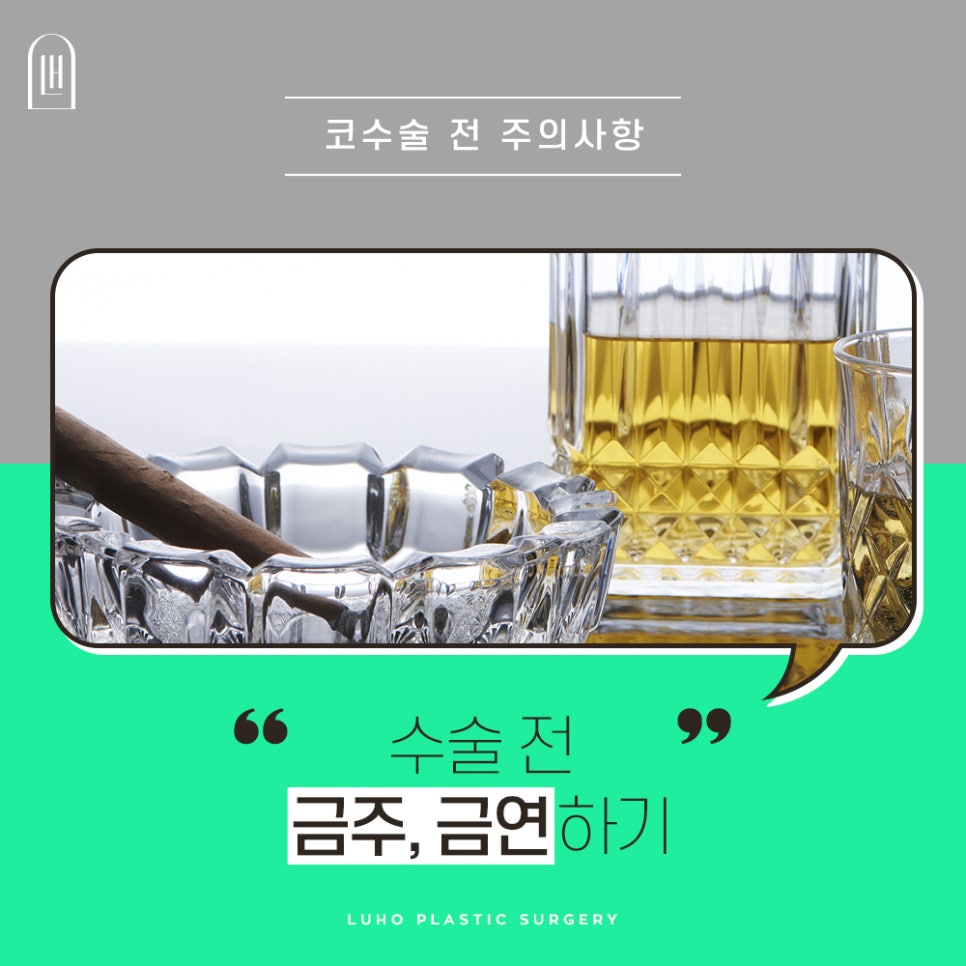
No drinking or smoking before surgery
Alcohol and smoking can increase the risk of side effects before and after surgery, so quitting smoking is essential starting at least one week before surgery.
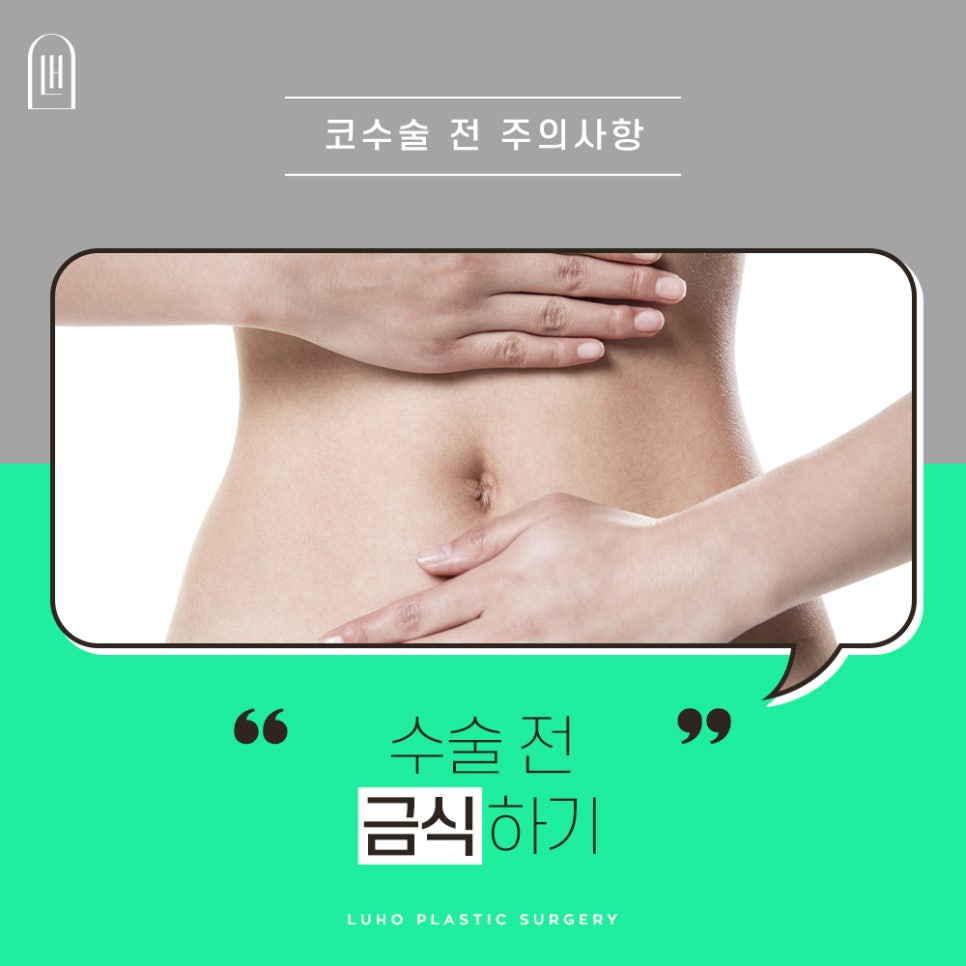
Fast for 4–6 hours before surgery
Most rhinoplasty procedures are performed under sedation anesthesia.
To prevent side effects such as aspiration pneumonia caused by food reflux while sedation is being administered, you must fast for 4–6 hours before surgery, and you should not drink water either.
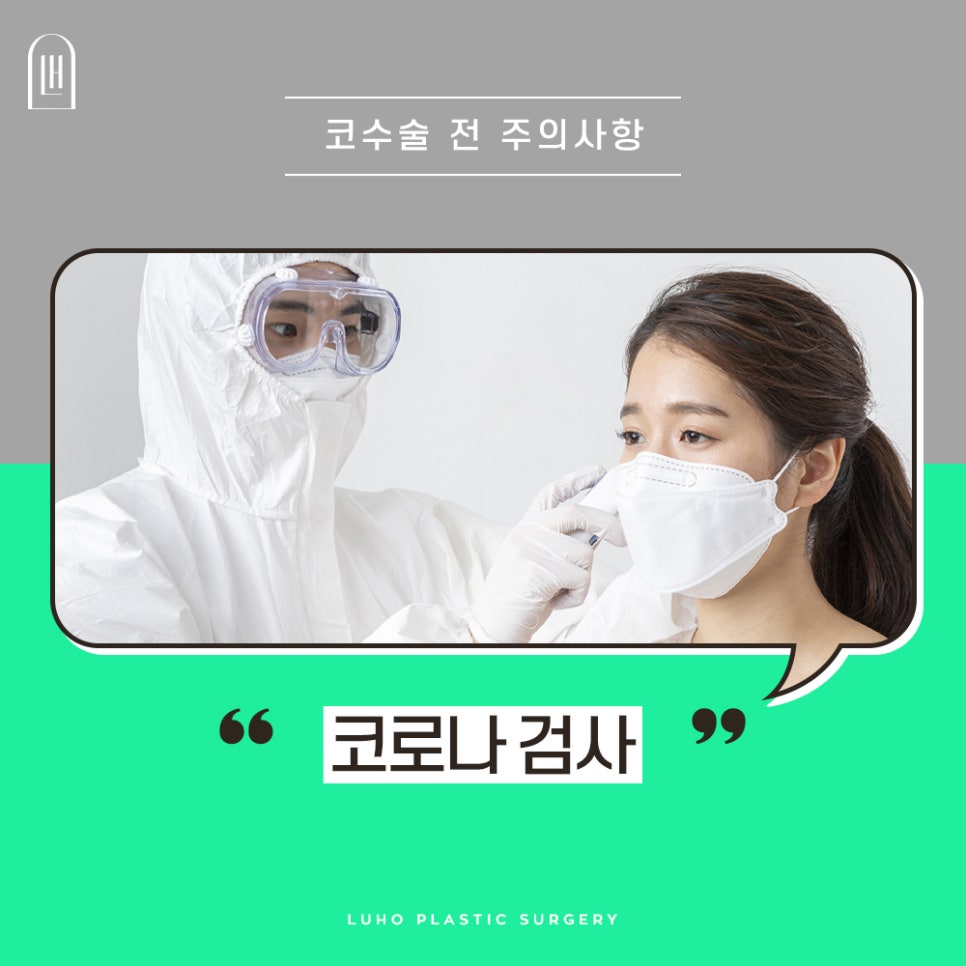
Get tested for COVID-19
One exception that must be followed is getting a COVID-19 test.
Since this is a space shared with other people, do not forget to get tested for COVID-19 before surgery and wash your hands thoroughly.
If you have even one symptom—such as phlegm, cough, sore throat (pharyngitis), throat swelling, nasal congestion, runny nose, headache, muscle pain, body aches, diarrhea, vomiting, abdominal pain, nausea, or dizziness accompanied by nausea—you must get tested for COVID-19 and receive a negative result before surgery can proceed.
Please follow this together until COVID-19 is fully over!
We have looked at the precautions to follow before rhinoplasty.
You should also carefully review and follow the precautions after surgery.
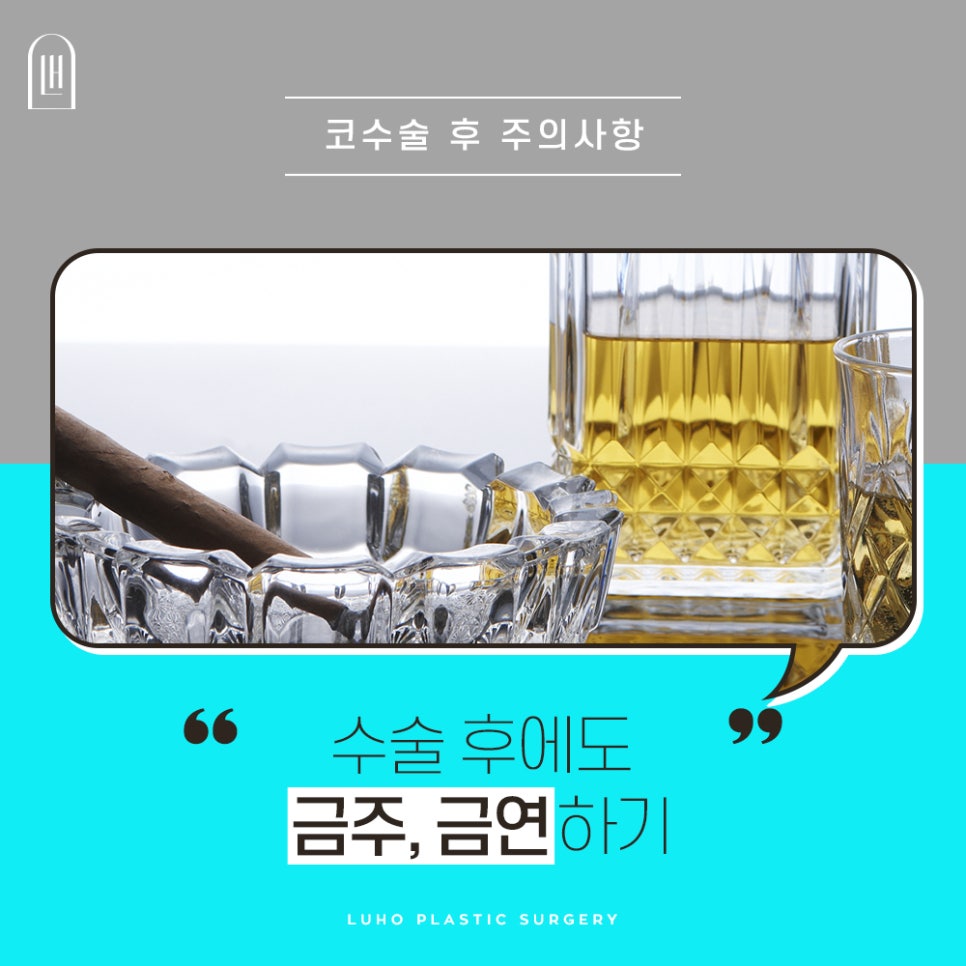
No drinking or smoking after surgery either
If you drink alcohol or smoke,
blood circulation toward the nose decreases,
which can slow recovery and cause various side effects.
Therefore, you should avoid drinking and smoking for one month after surgery.
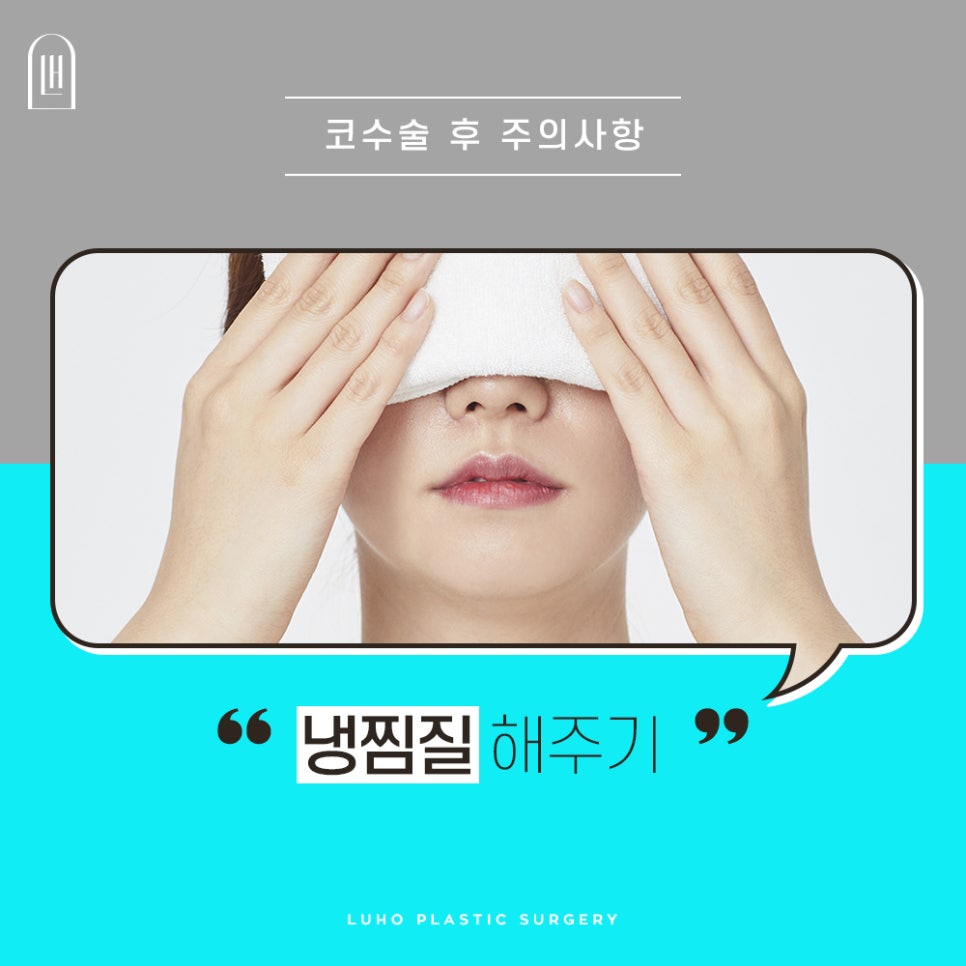
Apply cold compresses
From immediately after surgery up to about 48 hours later, applying cold compresses frequently can help reduce swelling and bleeding.
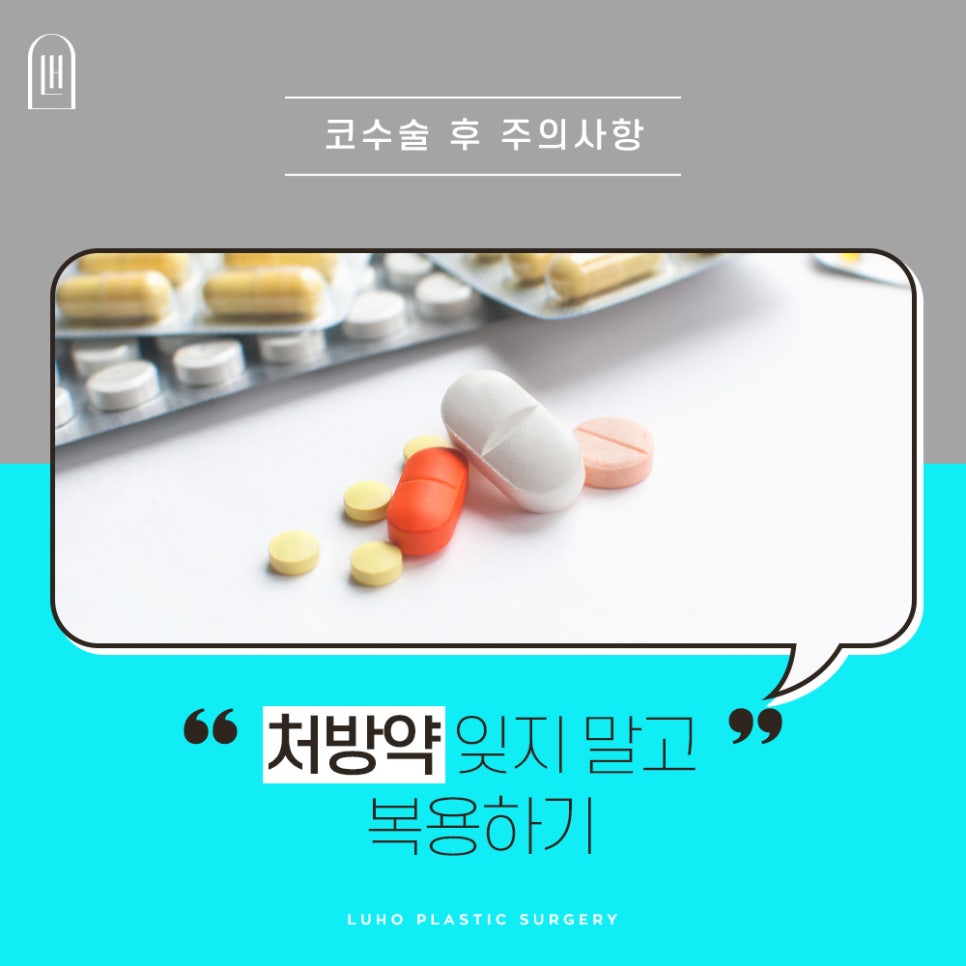
Do not forget to take the prescribed medication
Sometimes people forget and stop taking their medication partway through.
You must take the medication prescribed by the hospital after surgery consistently.
Usually, antibiotics and anti-inflammatory pain relievers are prescribed after surgery, and if necessary, medication for the stomach may also be prescribed.
If severe pain continues after surgery, be sure to consult your doctor and take additional prescribed medication.
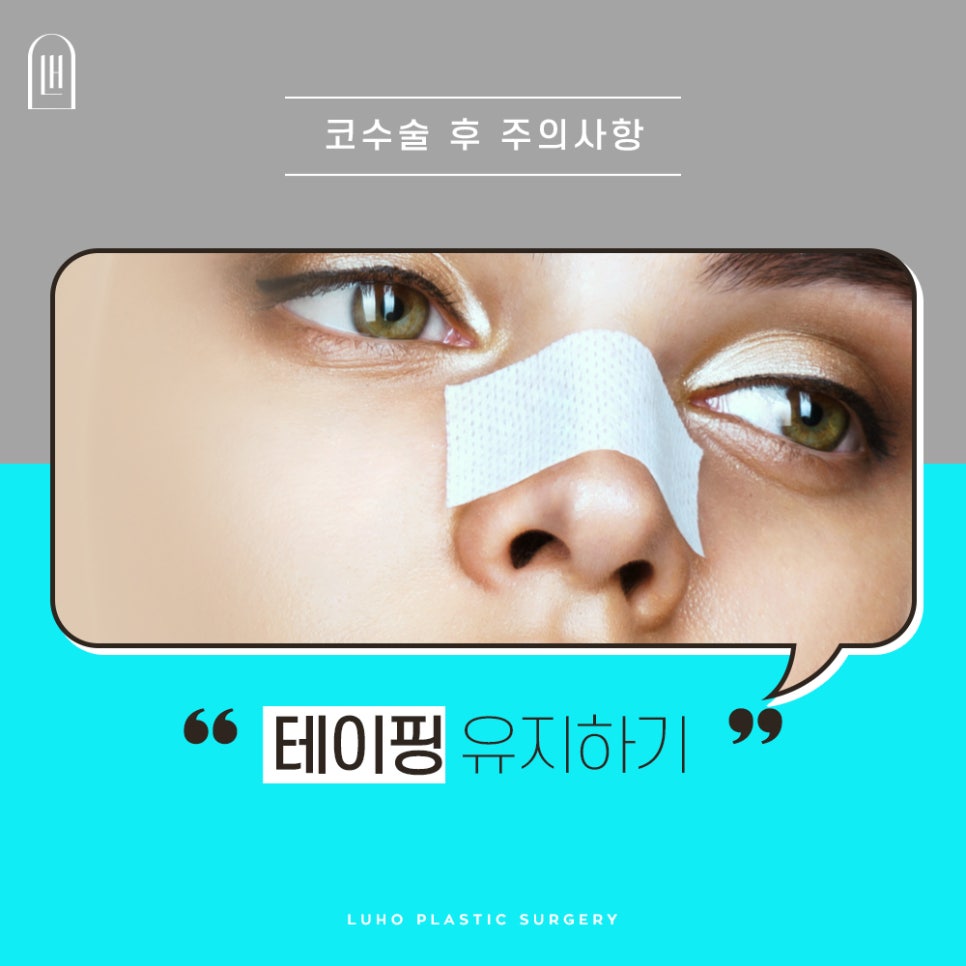
Keep the taping on
After nose surgery, paper tape is usually applied to the surgical area.
Because the tape itself has a compressive effect, it helps reduce swelling.
In addition, a splint is fixed on top of it.
The splint also has its own compressive effect, so it reduces bleeding and swelling and helps maintain a beautiful nose shape.
Please do not remove it for at least one week.
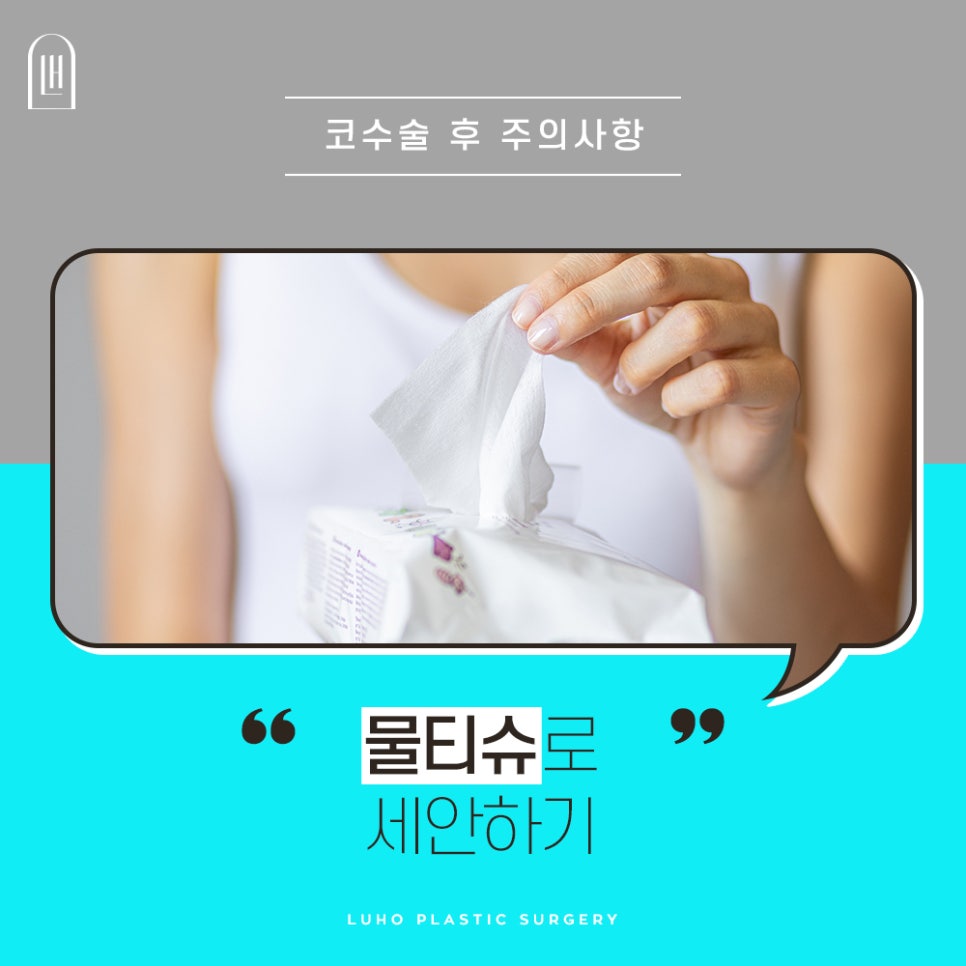
Wash your face with wet wipes
Sutures are usually removed 1–2 weeks after surgery.
However, even after the sutures are removed, the skin is not completely healed.
That is why washing with water is only possible starting two days after the sutures are removed.
Until then, the most effective way to clean your face is to wipe it with wet wipes while avoiding the surgical area.
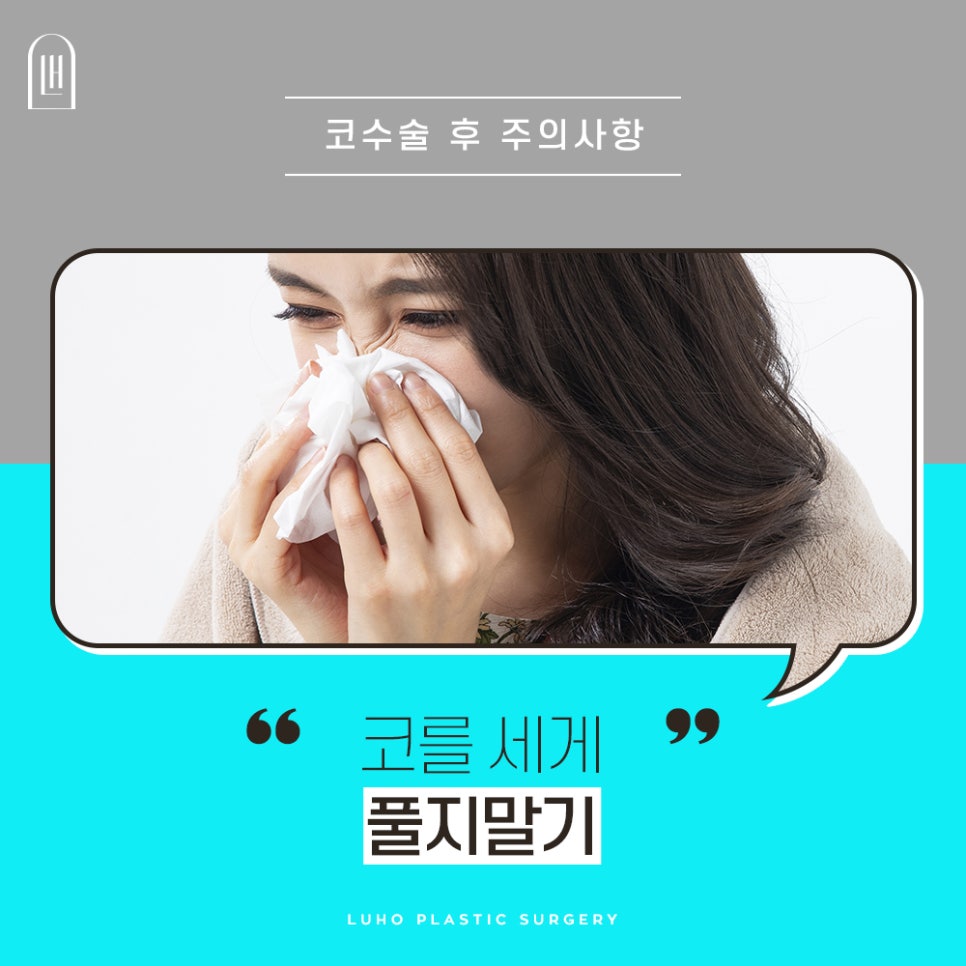
Do not blow your nose forcefully
For about one week after surgery, blood or discharge may flow from the surgical area,
but this is a natural occurrence, so do not be alarmed.
Also, if the nose is irritated, the same thing can happen even after a week.
Please do not blow your nose forcefully for up to one month after surgery.
We also provide a YouTube video related to rhinoplasty precautions,
so please refer to it :)
Luho Plastic Surgery Clinic
Directions
4th Floor, Sinsa Mi Tower, 616 Gangnam-daero, Gangnam-gu, Seoul
Clinic Hours
Weekdays 10:00 AM - 7:00 PM
Saturdays 10:00 AM - 5:00 PM
.
.
.
#RhinoplastyPrecautions
#RhinoplastyPain
#NoseScarTissue
#RhinoplastyPrecautions
#LuohoPlasticSurgery