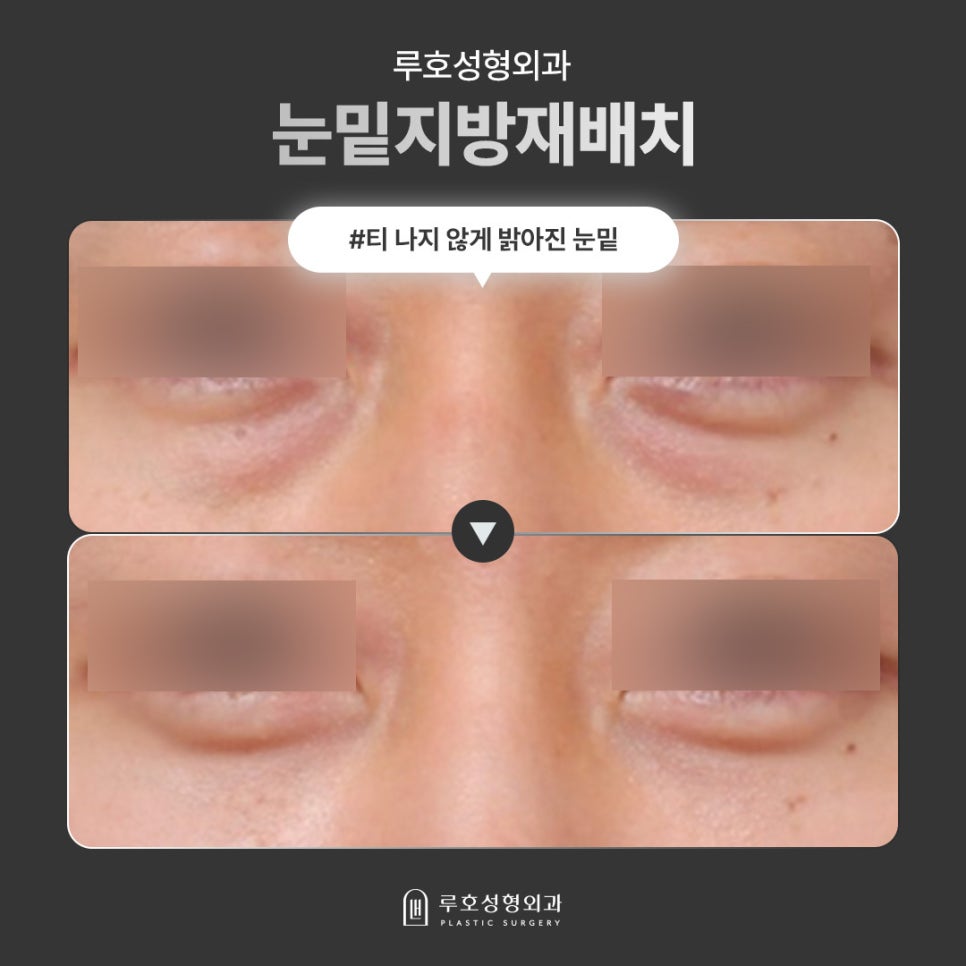
The darkness under the eyes caused by structural dark circles,
or an appearance that looks tired and heavy,
is not simply due to having too much fat.
Shadows are created by the uneven level extending from beneath the lower-eye fullness to the tear trough ligament.
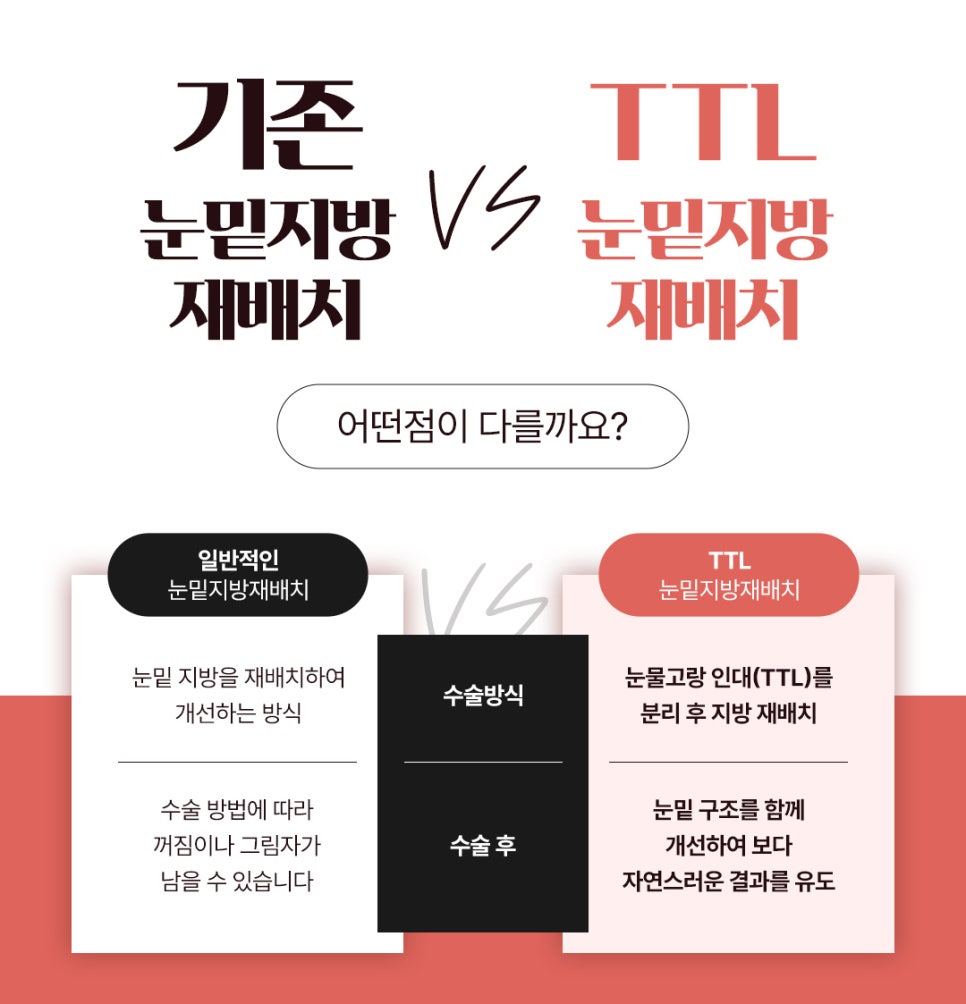
Changing the structure rather than the surface: TTL under-eye procedure
Ruho Plastic Surgery’s under-eye fat repositioning
does not simply remove or reposition fat.
The tear trough ligament is released first so that hollowness and shadows do not remain,
and then the fat is repositioned.
This allows the under-eye contour to transition naturally.
These photographs were taken and posted with the patient’s consent.
Surgical results and recovery may vary from person to person.
Three characteristics before surgery
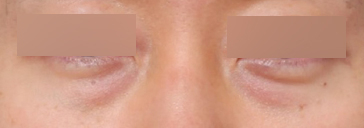
✔️ A clear level difference between the under-eye fat and tear trough.
✔️ A long shadow formed beneath the eyes.
✔️ Slight left-right asymmetry, with one under-eye area appearing somewhat deeper.
Because the tear trough ligament area was relatively deep,
the shading that began on the inner side extended toward the center,
making the area look like pronounced dark circles.
The patient appeared older than their actual age
and had a fatigued, low-energy appearance.
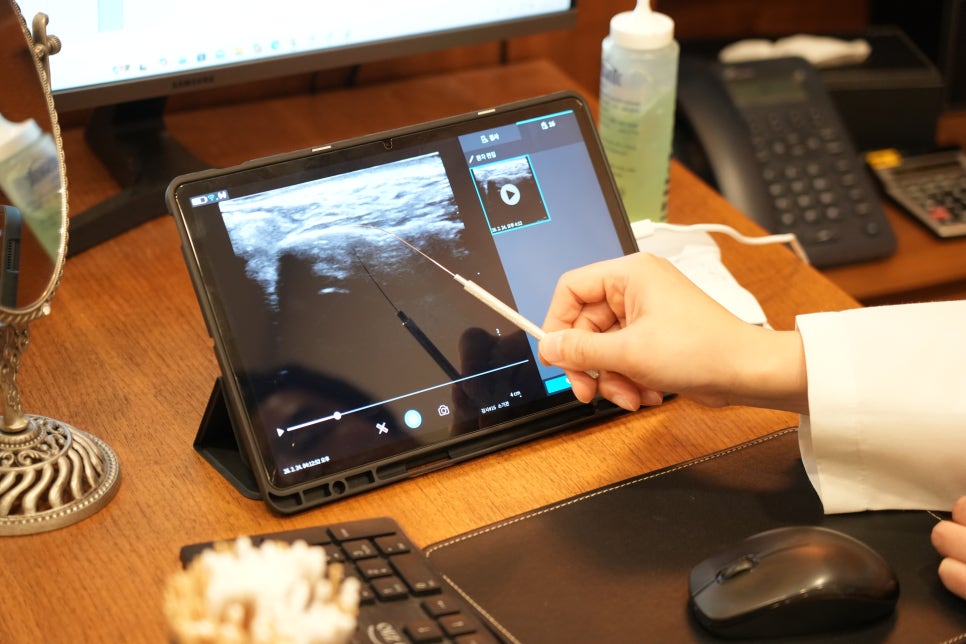
Identifying structures that are difficult to see with the naked eye
Under-eye dark circles and puffiness
are difficult to diagnose based only on their visible causes.
For under-eye procedures, Ruho Plastic Surgery uses ultrasound examinations
to assess the amount and location of fat, the depth of the trough, and other factors,
then establishes an individualized treatment plan.
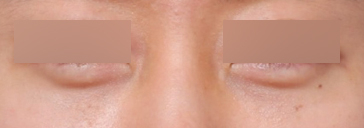
These photographs were taken and posted with the patient’s consent.
Surgical results and recovery may vary from person to person.
Three changes after surgery
❇️ A smooth curve formed from the under-eye area to the front cheekbone.
❇️ The appearance of structural shadows was reduced.
❇️ Only the under-eye area was refined while the lower-eye fullness was preserved.
By filling the hollowed areas through fat repositioning,
the dark circles were noticeably reduced.
The under-eye procedure naturally brightened the eye area
while preserving the patient’s masculine appearance.

It is difficult to determine the cause of under-eye dark circles
based on appearance alone.
Because the approach must also be comprehensive,
structural factors need to be considered.
We encourage you to identify the exact cause at our clinic,
where even unseen structural issues can be assessed through ultrasound examination.
Thank you.