A nose surgery you made a difficult decision to undergo,
leaves 2 out of 10 people considering revision surgery
because the results differ from their expectations.
However, if you choose a hospital based only on its reputation
without analyzing why the surgery failed,
another unsatisfactory result may occur.
Today, through an actual case,
we will look at the key points when choosing female rhinoplasty revision surgery.
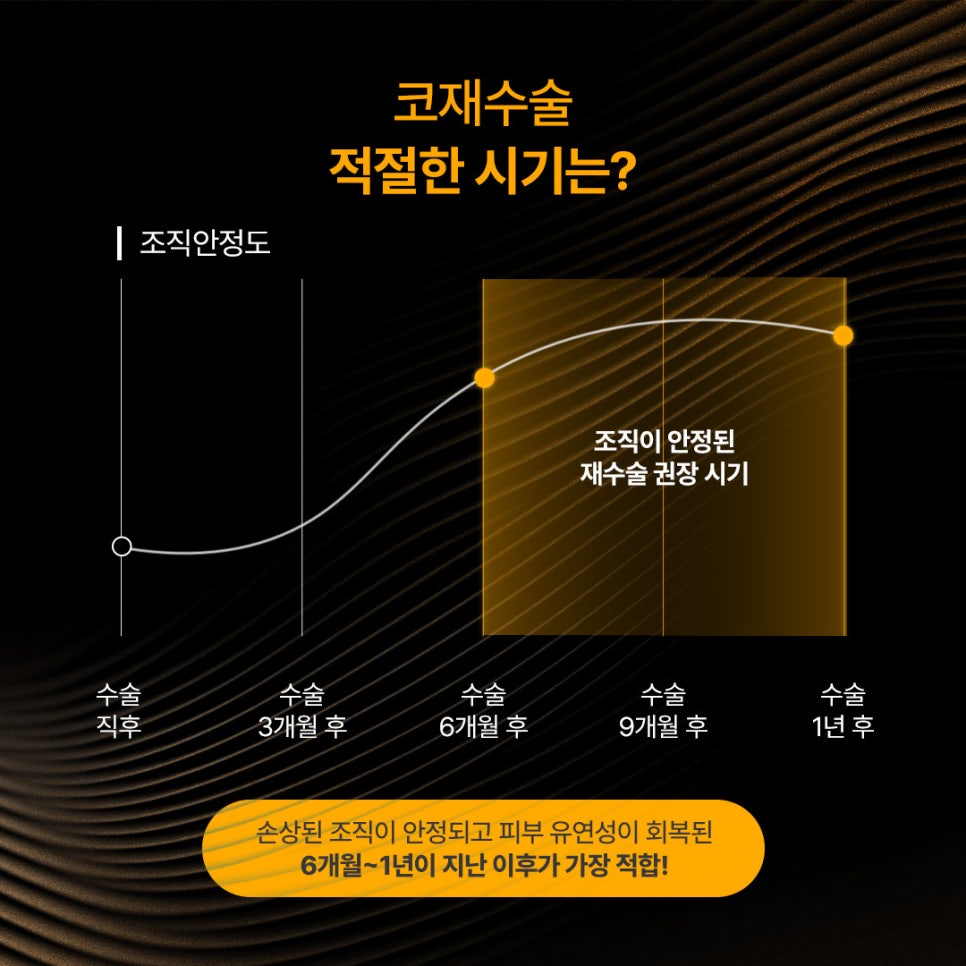
The timing of rhinoplasty revision surgery
is predetermined.
Many people want to undergo revision surgery quickly
if they are dissatisfied after their operation.
However, in general, it is safest to proceed only after a minimum of 6 months to 1 year,
once the tissues have stabilized.
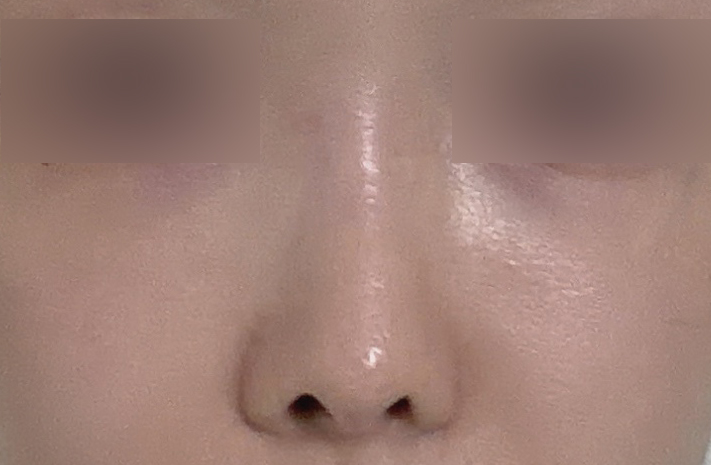
These photographs were taken and posted with the patient's consent.
Surgical results and recovery processes may vary from person to person.
3 points that led to the decision to undergo revision rhinoplasty
| Feature 1. | A short nasal tip that appeared turned upward. |
|---|
| Feature 2. | Relatively prominent nostril exposure. |
| Feature 3. | A nasal structure with insufficient columellar show. |
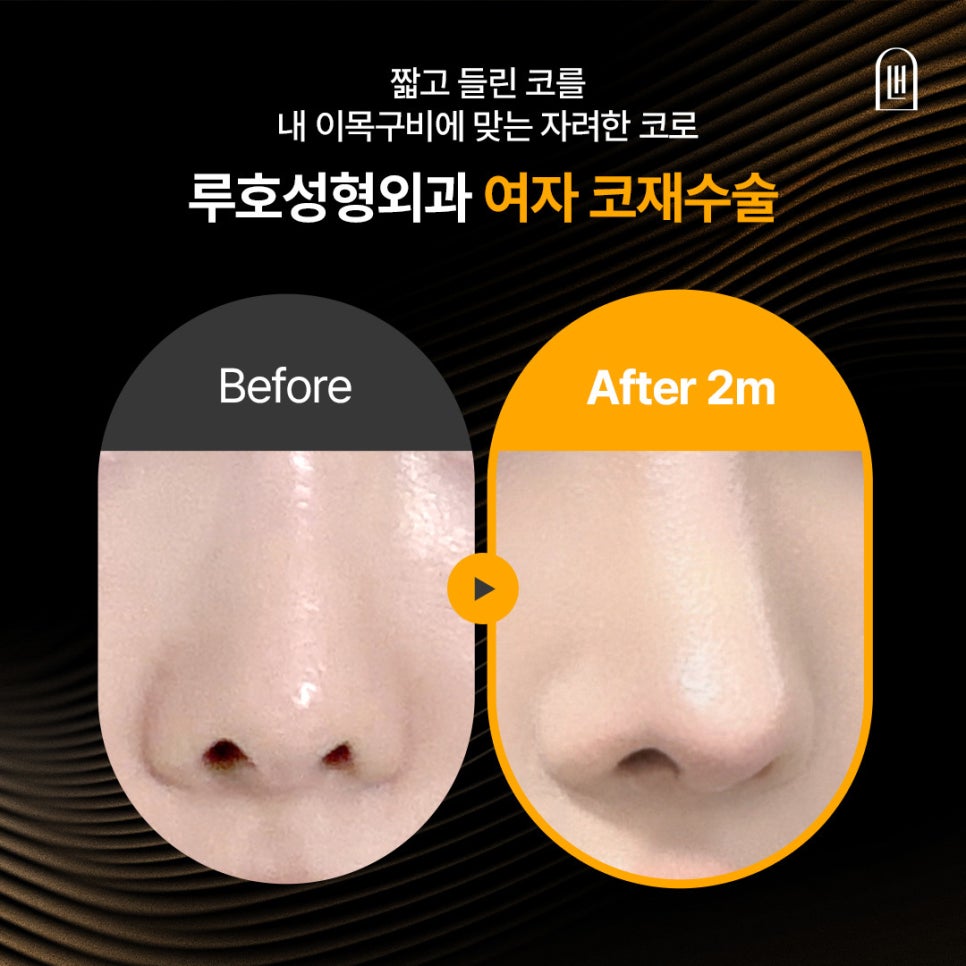
The overall nose lacked length,
and the central point of the nasal tip had not been clearly formed.
In addition, the connection between the nasal tip and the philtrum felt short,
resulting in insufficient three-dimensional definition in the center of the face.
The aim was to create a natural nasal line
by improving the short, upturned nasal tip
and securing the columella while lengthening the nose.
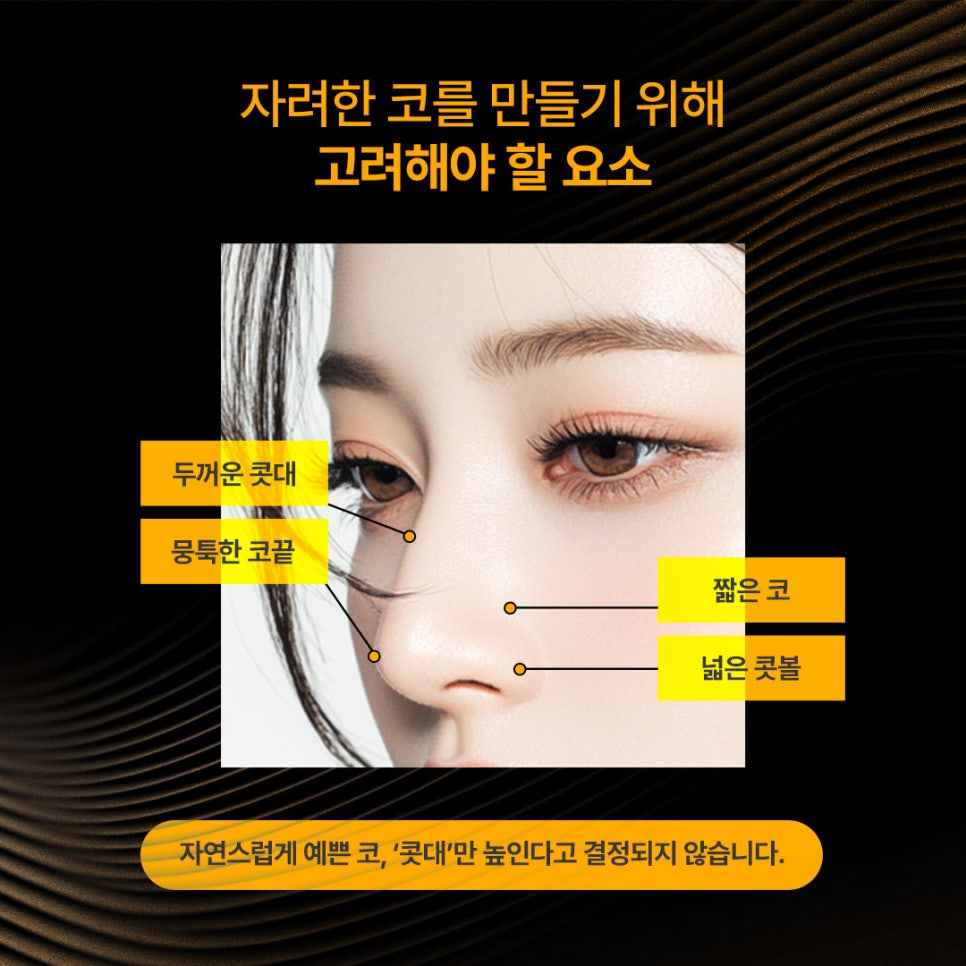
Revision rhinoplasty should not focus
only on adjusting the height of the nasal bridge.
Unlike primary surgery, revision rhinoplasty
involves working with tissue that has already been damaged once.
Ruho Plastic Surgery Clinic accurately identifies the cause of the failure
and proceeds with the goal of reestablishing the collapsed structure.
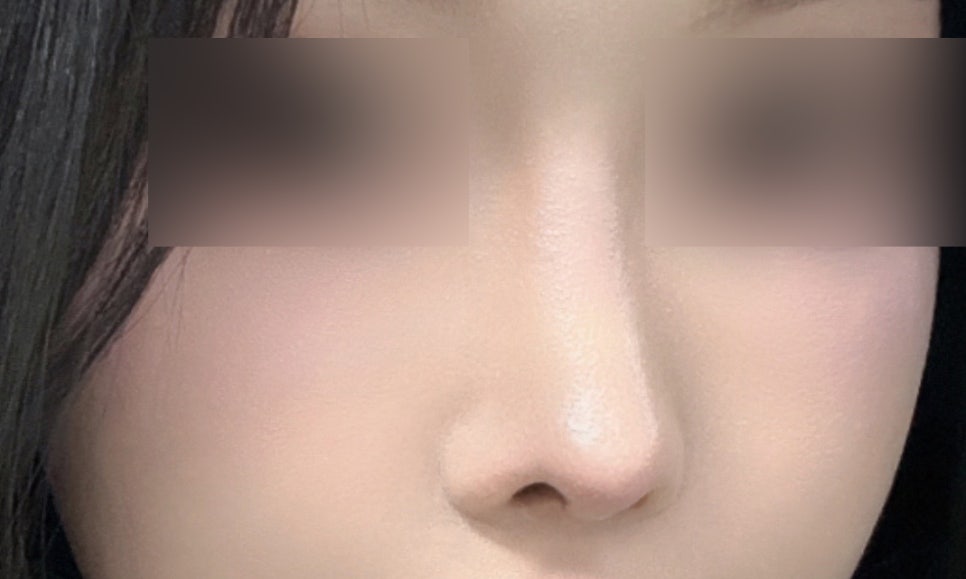
These photographs were taken and posted with the patient's consent.
Surgical results and recovery processes may vary from person to person.
Results of revision rhinoplasty with a defined central point
| Feature 1. | Improved nasal length by securing the columella. |
|---|
| Feature 2. | Reduced nostril exposure by adjusting the direction of the nasal tip. |
| Feature 3. | A more distinct focal point at the nasal tip. |
After surgery, the columella was appropriately secured,
naturally increasing the vertical length of the nose.
In addition, the direction of the nasal tip was refined downward,
creating a natural three-dimensional definition in the face.
The clearer central focal point made the overall impression more defined.

The most appropriate golden time for revision rhinoplasty
is “when the tissue is able to accept surgery.”
Because each person has a different recovery rate
and different patterns of complications,
an examination is essential.
From aesthetic dissatisfaction to functional complications,
accurately identifying the symptoms is the priority.
We hope the key points from the case shared today
will help you make your decision.
Thank you.