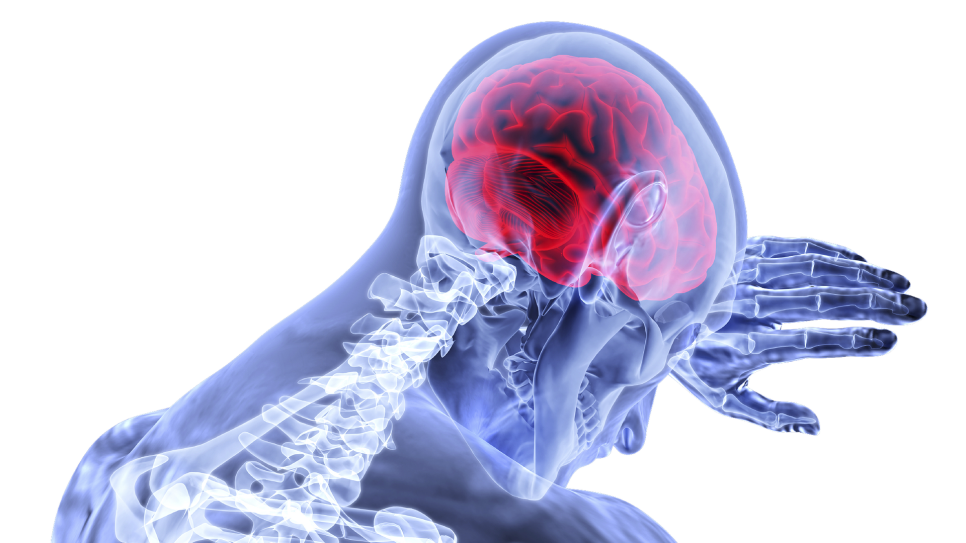
Stroke has long also been called “apoplexy” in Korean. However, the term “중풍” in traditional Korean medicine has been used to include diseases that cannot be classified as stroke, so it is no longer an accurate term to use.
Hippocrates, known as the father of Western medicine, was the first to describe sudden paralysis, which is what we now call stroke. It was not until 1620 that the pathological features of stroke were identified, and after death, it was discovered that there had been bleeding in the brain. Through such autopsies, it was also understood that the carotid and vertebral arteries are the main vessels supplying blood flow to the brain. In addition, the idea began to emerge that stroke can be caused not only when blood vessels rupture and blood supply is cut off, but also when blood flow is blocked and blood supply is interrupted.
Today, more than 2,400 years after Hippocrates, if diagnosis and treatment are performed immediately, many patients can return to normal life without severe sequelae. In other words, hope for stroke treatment, which had previously been regarded as difficult, has become something that can be offered to patients and their families.
- What is stroke?
Stroke is a medical emergency. This is because when blood flow to the brain is interrupted, brain cells die quickly and irreversible consequences result. Stroke is broadly divided into two types: ischemic stroke, which occurs when a blood vessel supplying the brain becomes blocked, and hemorrhagic stroke, which occurs when a vessel leading to the brain ruptures and bleeding occurs. In addition, when a brain blood vessel is blocked for a short time and then recovers, it is called a transient ischemic attack, and it is sometimes broadly included in ischemic stroke.
- Ischemic stroke (ischemic stroke)
When blood flow to the brain decreases or stops for any reason, brain tissue dies, and the damaged, necrotic brain tissue is called a cerebral infarction. A disease in which a brain blood vessel becomes blocked and causes cerebral infarction is called ischemic stroke. Ischemic stroke accounts for nearly 80% of all strokes, and most of its causes are caused by clots, or coagulated masses of blood, blocking the vessels that supply oxygen and nutrients to the brain.
Blood coagulation is a very beneficial process in our bodies because it helps stop bleeding and supports the recovery of blood vessels when bleeding occurs. However, if blood coagulates inside a blood vessel, it can also lead to disastrous consequences by blocking blood flow. Thrombus formation (blood coagulation) inside a blood vessel occurs for two major reasons. First, in various heart diseases, a clot can form inside the heart. When a clot formed in the heart travels through the bloodstream and blocks a brain artery, causing cerebral infarction, this is called cardioembolic stroke. Second, in various vascular diseases, clots can form more easily in the vessel wall. First, when atherosclerosis is present, it promotes clot formation, and clots can form on the arterial wall. The clot may gradually grow and block the blood vessel, or it may break off and travel through the bloodstream to block a small brain artery, causing cerebral infarction (atherothrombotic thrombosis). Meanwhile, in addition to atherothrombotic thrombosis occurring in relatively large brain arteries, the blockage of small vessels called penetrating arteries, which branch vertically from the cerebral arteries, causes a relatively small cerebral infarction, which is called a lacunar infarction.
- Hemorrhagic stroke
Hemorrhagic stroke is a stroke that occurs when a brain blood vessel supplying blood to the brain ruptures for some reason and causes bleeding, and it is known to account for 20% of all strokes. When a brain blood vessel bleeds, blood supply to that area is cut off, damaging the cranial nerves, and as blood accumulates inside the brain, it compresses or injures brain tissue, causing brain damage. Such intracranial hemorrhage occurs when blood vessels in the brain rupture for various reasons, and depending on the location of occurrence, it is classified into intracerebral hemorrhage and subarachnoid hemorrhage.
① Intracerebral hemorrhage
Intracerebral hemorrhage is the rupture of a blood vessel in the brain tissue (parenchyma), and high blood pressure is the most important cause. It occurs when brain blood vessels are damaged by chronically uncontrolled hypertension and then suddenly rupture.
② Subarachnoid hemorrhage
Subarachnoid hemorrhage is bleeding that occurs in the space between the arachnoid membrane surrounding the brain and the brain itself, and the most common cause is rupture of an aneurysm. An aneurysm is a sac-like dilation formed when part of a blood vessel wall is thin or weak and gradually expands due to the high pressure within the vessel. When such an aneurysm suddenly ruptures and blood accumulates between the arachnoid membrane and the brain, it is called subarachnoid hemorrhage.
- Transient ischemic attack
A transient ischemic attack initially begins with the same symptoms as a stroke. However, as time passes, the symptoms disappear on their own and do not leave any obvious disability, which is why it is sometimes called a “mini-stroke.”
- Recurrent stroke (Recurrent stroke)
It is known that in about 25% of patients who have had a stroke, another stroke recurs within 5 years. In addition, it has been reported that the more often a stroke recurs, the more severe the resulting sequelae and complications can become, and the mortality rate also increases.
So far, I have explained the overview of stroke.
In the next part, we will look at the symptoms of stroke.
Source: Korea Disease Control and Prevention Agency National Health Information Portal