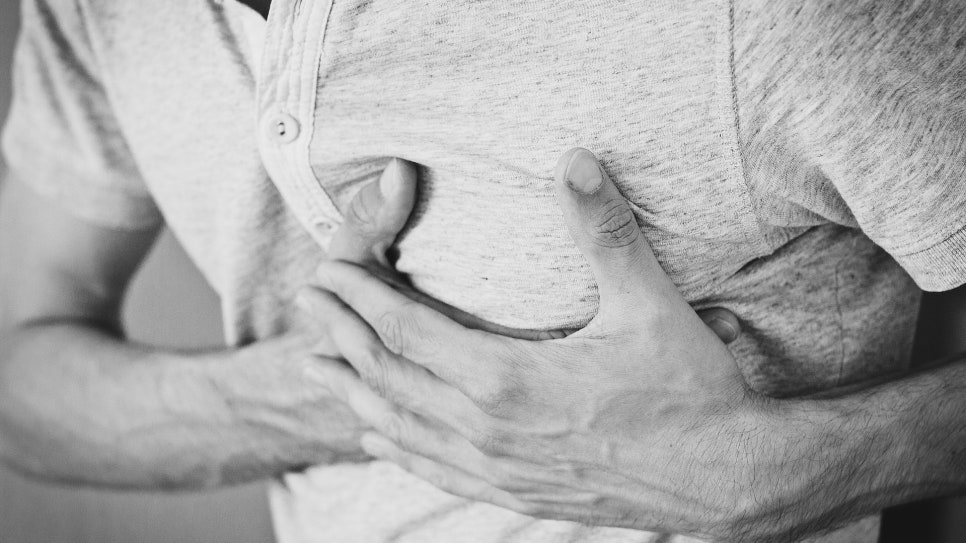
Chest pain is a general term for pain or discomfort felt in the chest area. The symptoms of chest pain and the causes that lead to it vary greatly. They range from temporary and mild conditions to serious illnesses such as myocardial infarction or dissecting aortic aneurysm, which can be fatal if prompt treatment is not given. In adults, the most common cause of chest pain is usually strain in the chest muscles or ligaments, followed by psychological causes. Pain arising from the skin, muscles, muscle tissue only, ribs, and pleura in the chest area is usually due to temporary and mild illnesses. Psychological issues such as stress or anxiety can also cause chest pain, but they are often not serious. Most causes are mild and do not lead to serious consequences. However, because the lungs and heart are organs directly connected to life, chest pain caused by diseases in these organs can lead to very serious outcomes. Problems in the heart’s blood vessels, called acute coronary syndrome, and aortic dissection, in which damage occurs to the large blood vessel called the aorta, are extremely dangerous and require immediate treatment. Therefore, if you feel chest tightness or discomfort, it is best to carefully examine the symptoms and respond accordingly.
Causes
- Cardiovascular causes
Angina is a condition in which waste materials accumulate on the walls of the coronary arteries that supply blood to the heart muscle, narrowing the blood vessels and reducing blood flow to the heart, which causes chest discomfort or chest pain. In the stage of angina, chest pain may come and go. It occurs in the front of the chest and on the left side of the chest, and a heavy, dull pain is characteristic. Chest pain may occur during exercise and improve with rest.
Myocardial infarction is a condition in which the coronary artery is eventually blocked by the accumulation of waste materials called thrombi, and the heart muscle around the blocked area does not receive blood supply, causing the heart muscle to die. When a myocardial infarction occurs, not only does chest pain develop, but 40% die immediately, 10% die while being treated in the hospital, and only 50% survive. It is accompanied by a heavy pain, cold sweats, and restlessness, and the pain does not improve. When chest tightness and a squeezing chest pain begin, daily life becomes difficult, and if the chest pain spreads to the neck and left arm at the same time, acute coronary syndrome is strongly suspected. Aortic dissection is a disease caused by a tear in the inner wall of the aorta, the largest blood vessel that carries blood from the heart to the body, and it causes severe chest pain and is a life-threatening emergency.
Pericarditis is inflammation of the membrane surrounding the heart. It often causes sharp pain when taking a deep breath or coughing, and sometimes appears as a heavy pain, making it confused with angina. However, it is characterized by relief when leaning the upper body forward. If it is caused by an infection, fever may also occur.
- Respiratory causes
Pulmonary embolism occurs when a blood clot forms in the blood vessels that supply the lungs, preventing blood from reaching the lungs, and it causes shortness of breath and chest pain. Pleurisy refers to inflammation of the membrane surrounding the lungs, and the pain becomes worse when breathing in or coughing; fever may also accompany it.
- Digestive causes
Chest pain can occur due to gastroesophageal reflux disease or reflux esophagitis. It is a condition in which strongly acidic stomach acid flows back into the esophagus, causing inflammation of the esophageal mucosa or spasms of the esophageal muscles. A burning type of pain from the upper abdomen to the front of the chest is characteristic. It occurs more easily in cases of overeating, late-night eating, or abdominal obesity, and the habit of lying down immediately after eating can be a cause.
- Musculoskeletal causes
The most common cause of chest pain is musculoskeletal disease. When the muscles or muscle tissue that make up the chest are strained, pain is felt when taking a deep breath, moving the body, or pressing on the chest. Among musculoskeletal diseases of the chest, the most common are strains, costochondritis, and muscle injuries caused by bumping the chest, suddenly moving and straining it, or overdoing golf practice. There are also cases where pain occurs because a rib is cracked or broken due to major trauma such as a traffic accident or slipping and falling.
- Other causes
When people feel chest tightness, it is often chest pain felt due to psychological pressure or stress. If you suddenly develop severe chest pain and have previously experienced a sudden scare, anxiety, or a major upsetting event, and if you have experienced palpitations, dizziness, and a feeling that you are about to stop breathing for no apparent reason, there is a high chance that the cause is psychological, such as panic disorder.
In addition, nervous system abnormalities in the chest or skin conditions such as shingles can also cause chest pain, but in about 20% of cases the cause of chest pain cannot be identified. This refers to cases in which an experienced doctor examines the patient’s symptoms and performs the necessary tests but still cannot diagnose the cause. Fortunately, in such cases, the symptoms usually disappear after a few days to a few weeks.
So far, I have explained the causes of chest pain.
In the next part, we will look at the diagnosis and treatment of chest pain.
Source: Korea Disease Control and Prevention Agency, National Health Information Portal