- Definition
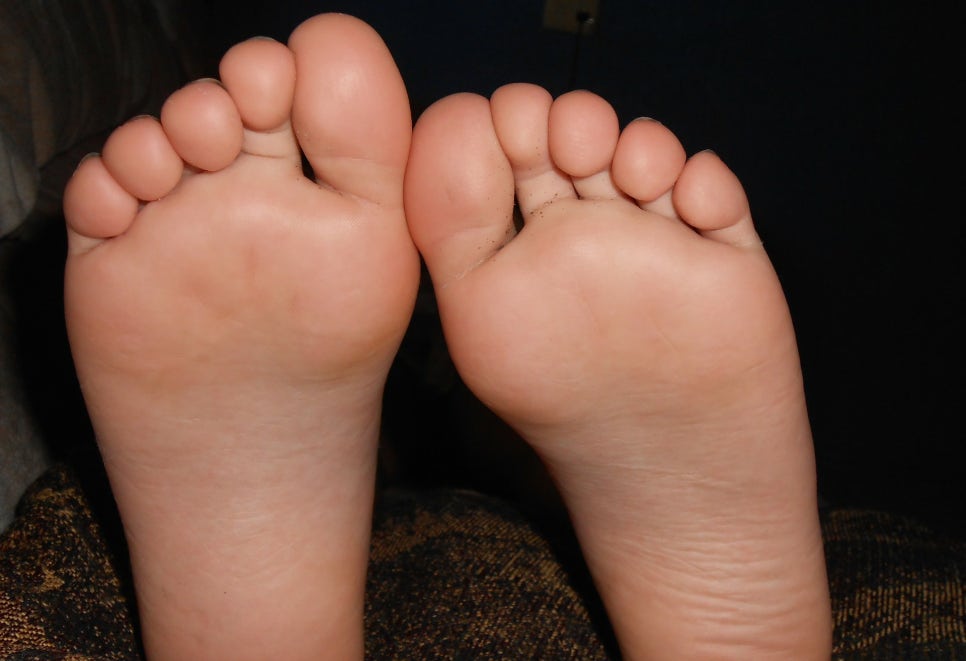
Flat feet are the most common deformity of the foot. It is not the name of a disease, but a term that describes the shape of the foot. Therefore, it includes everything from cases that are difficult to regard as a disease because there is absolutely no functional problem to severe deformities accompanied by stiffness and functional impairment. Flat feet are a deformity in which the medial arch of the sole is abnormally lowered or lost. Secondarily, the heel turns outward, and the front of the foot may also turn outward.
[ Structures that maintain the arch ]
Bones, muscles and tendons, ligaments, and other structures are involved in the stability of the foot, and ligaments play the most basic role in maintaining the arch. In other words, when standing still, even if a force of about 100 kg, more than body weight on one foot, is applied, the medial arch is maintained by ligaments without the action of muscles. However, during actual walking, the plantar fascia and muscles come into play. Among the plantar fascia and muscles, the winding-up effect of the plantar fascia plays a more important role in maintaining the arch, and among the muscles, the intrinsic muscles play the most important role. In people with flat feet, the function of these intrinsic muscles is weak, so their feet become tired more easily than those of ordinary people. If flat feet are classified according to the flexibility of the medial arch, they can be divided into flexible flat feet, in which the sole becomes flat under weight bearing but the medial arch appears when not bearing weight, and rigid flat feet, in which the foot is flat regardless of weight bearing.
It is said that growth of the medial arch is completed after age 6 to 8, and therefore the prevalence of flat feet by age has been reported differently. In addition, most flat feet in children are temporary and considered flexible. There are large age-related differences in the prevalence of flat feet, and it shows the characteristic of decreasing sharply around ages 6 to 8, when the medial arch is completed. Also, this is a period of growth, so it is a time when temporary overweight is likely to occur. For that reason, the association between the two is significant. In children with foot deformities such as flat feet, obesity or overweight may also be found. According to literature reviews, age, shoes, ligament laxity of the foot, and obesity have been reported to be related to flat feet.
- Causes
Most cases have no known cause, but several causes are known, as follows.
· After trauma (sequelae of calcaneal fracture, tarsometatarsal joint injury, fractures of the ankle joint, etc.)
· Rheumatoid arthritis
· Loss of function of the posterior tibial tendon
· Tight Achilles tendon
· Neuromuscular diseases such as poliomyelitis or cerebral palsy
· Neuropathic diseases such as diabetes
· Dysfunction of the subtalar joint
· Degenerative arthritis occurring in the talonavicular joint, medial cuneonavicular joint, or first metatarsal-medial cuneiform joint
· Accessory navicular bone, tarsal coalition
So far, we have explained the overview and causes of flat feet.
In the next installment, we will look at the symptoms and diagnosis of flat feet.
Source: Korea Centers for Disease Control and Prevention National Health Information Portal