Eyelid fat grafting may seem relatively simple, but in reality it is a procedure whose results are determined by an understanding of the anatomical structure of the eyes. In particular, the issues patients worry about most are side effects such as visible fat, excessive swelling after surgery, and finally the feeling that the eyelid area becomes heavy. In general oval-shaped upper eyelid volume augmentation may involve injection into the outside of the orbital septum, beneath the orbicularis oculi muscle, or into the ROOF fat layer.
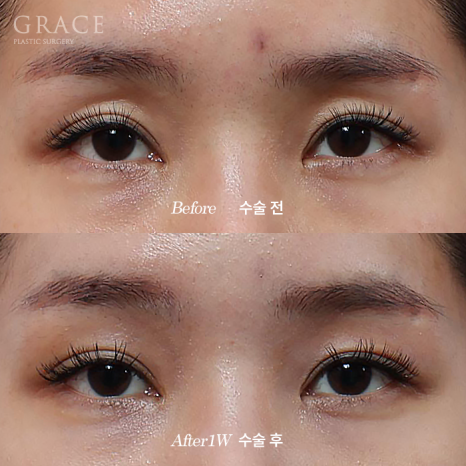
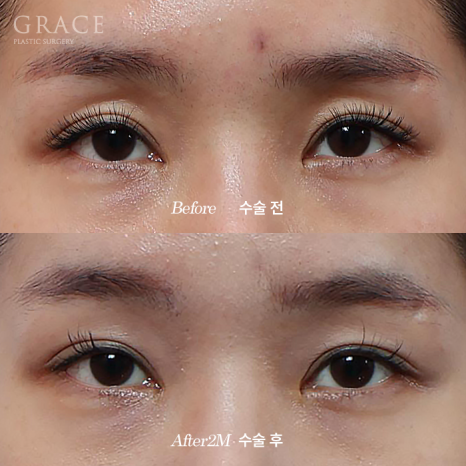
In this case, surface volume may improve, but because the upper eyelid has thin skin, there is a possibility that the fat may show through or appear lumpy. Depending on the injection location, some people also report a feeling of eye tightness or heaviness. Grace Plastic Surgery’s upper eyelid fat grafting takes a different approach. Rather than the outer layer of the upper eyelid, it accurately injects into the orbital fat inside the orbit, that is, within the structure where fat originally should exist. This is closer to restoring the eye structure than simply adding volume. The injected fat also uses centrifuged fat to remove unnecessary components and improve graft stability and uniformity. As a result, it reduces the likelihood of visible fat or unevenness when the eyes are closed or during facial expressions. Difficulty opening the eyes, which is also cited as one of the side effects of upper eyelid fat grafting, can vary greatly depending on the injection location and depth. In the case of Grace Plastic Surgery, fat is placed within a structure that does not interfere with eye movement, and many responses confirm that comfort in opening the eyes has improved. Because eyelid fat grafting is a procedure that raises concerns about side effects, Grace Plastic Surgery chooses methods and principles that minimize the possibility of side effects from the start. If you understand the differences in how upper eyelid fat grafting side effects occur, you do not need to fear it more than necessary.
The orbital fat inner injection method restores the eye hollow structure, addressing the underlying cause of the orbital structure rather than simply enhancing surface volume. By injecting fat into the deep layers inside the orbital septum, the focus is on restoring the structure itself that causes the hollowing. The injected fat settles stably into deep structures such as fascia, which is advantageous for improving the graft take rate and retention, allowing natural-looking results over time without unevenness or visible show-through. In addition, the orbital fat inner injection method does not interfere with the movement of opening the eyes, showing meaningful changes in improving the function of opening the eyes. Based on actual clinical experience, responses indicating improved comfort in opening the eyes reached 94.5%.
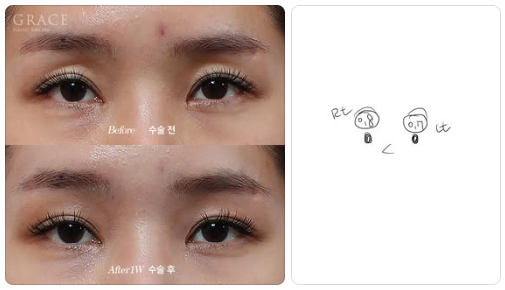
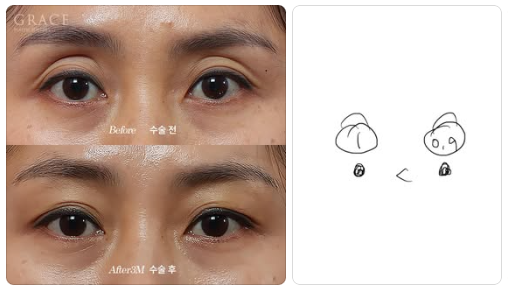
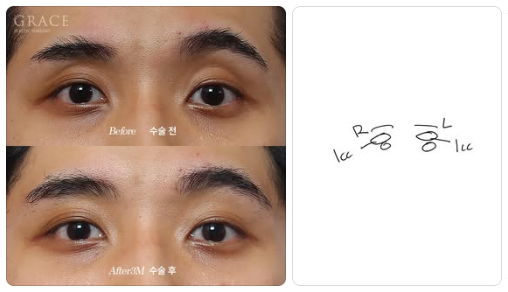
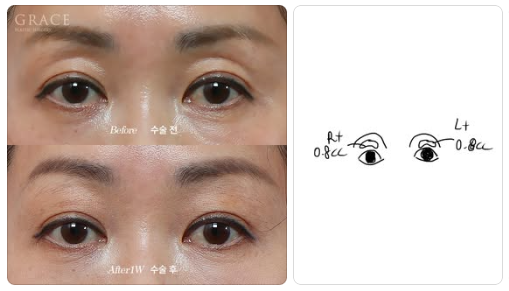
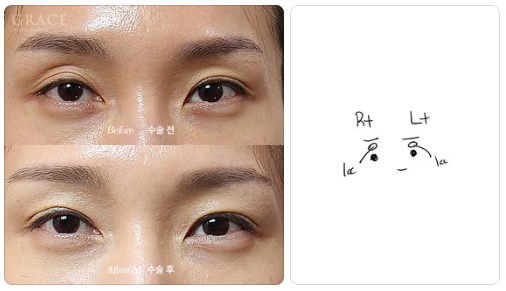
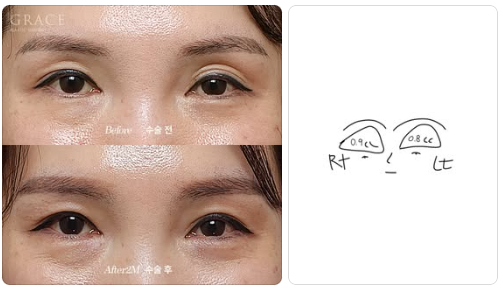
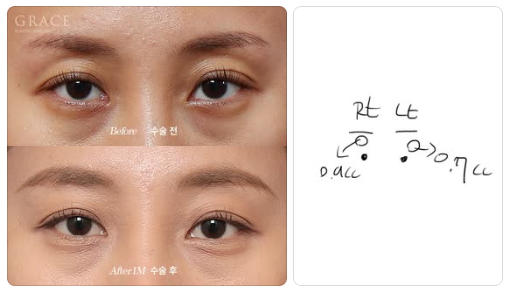
Even during facial expression changes, it is characterized by creating a delicate and natural eye contour line without unnecessary bulging or visible fat. This approach was officially introduced through clinical data from Director Moonseop Choi of Grace Plastic Surgery at the PRS Korea 2025 academic presentation.
𝙋𝙝𝙤𝙣𝙚 02-555-8558
𝙒𝙚𝙗 https://graceps.kr/
𝙆𝙖𝙠𝙖𝙤 http://pf.kakao.com/_xjAgxoxh/chat
𝘼𝙙𝙙𝙧𝙚𝙨𝙨 5th Floor, 623 Gangnam-daero, Seocho-gu, Seoul
Plastic Surgeon Dr. Moonseop Choi, Director of Grace Plastic Surgery performs the surgery #middleagedeyesurgery #uppereyelidfatgrafting #eyehollowing #orbitalfatgrafting #eyelidfatgrafting #uppereyefatgrafting #doubleeyelidcorrection #asymmetriceyesurgery #upperblepharoplasty #lowerblepharoplasty #undereyesurgery #undereyefatreposition #orbitalseptum #eyehollowfatgrafting #protrudingeyesurgery #uppereyelidfiller #eyehollowfiller #eyehollowcelebrity #eyecorrection #ptosis #undereyefatgrafting #uppereyelidcorrection #uppereyelidsurgery #uppereyelidprocedure #eyefatgraftingsideeffects #undereyefatrepositionreview #undereyefatrepositionsideeffects #undereyefatrepositioncost #undereyefatrepositionrecoveryperiod ※ Surgical results may vary depending on an individual’s eye structure and skin thickness. Because of the characteristics of the eye area, swelling or bruising may occur, but in most cases it gradually improves during the recovery process, with the goal of achieving a natural improvement in the eye contour.