The lower eyelid hollow is an area of the face where the skin is especially thin and the structure is complex, so it is often difficult to achieve satisfying results with a simple volume-filling approach alone. For this reason, more attention has recently been given to approaches that consider the anatomical structure of the eyelid, especially at places experienced in lower eyelid fat grafting. Sunken upper eyelids are often connected not so much to a superficial lack of volume as to structural changes in deeper layers, so a natural improvement requires not just filling, but a ‘layer-by-layer design.’
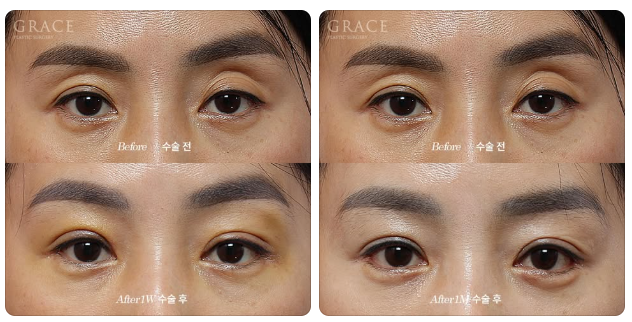
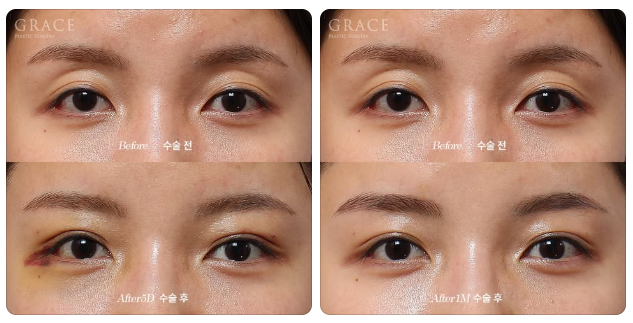
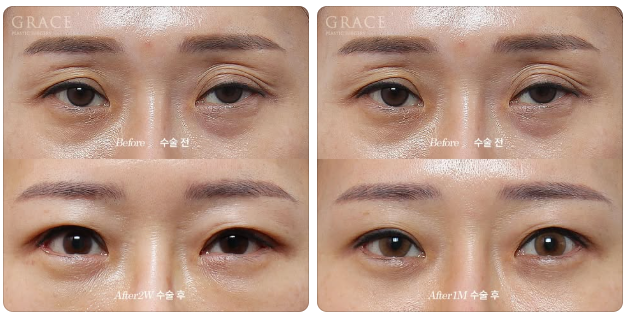
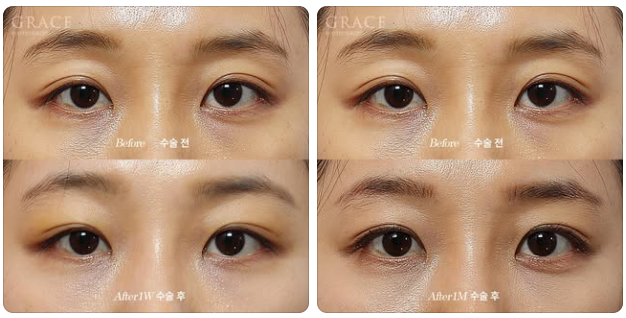
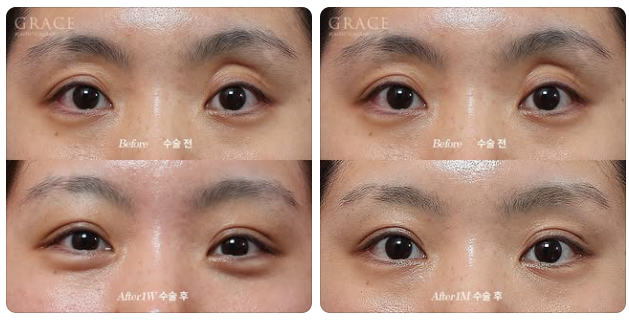
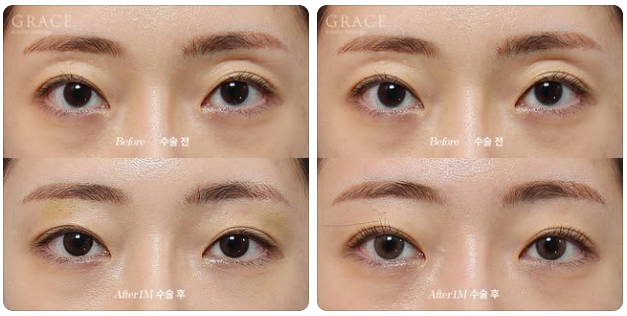
Lower eyelid fat grafting has an advantage in this respect, as it allows for fine, dispersed injection into multiple layers beneath the skin, making it easier to create a softer and more natural eyelid contour. In particular, if you are someone who values the retention period and graft stability of lower eyelid fat grafting, or if you are concerned about the side effects of eyelid fillers or visible filler show-through, it is worth comparing the options more carefully. In the end, the key to improving the lower eyelid hollow depends less on what is used and more on how precisely it is designed to fit the eye structure; for this reason, the criteria for finding a place skilled in lower eyelid fat grafting are also increasingly becoming more detail-oriented.
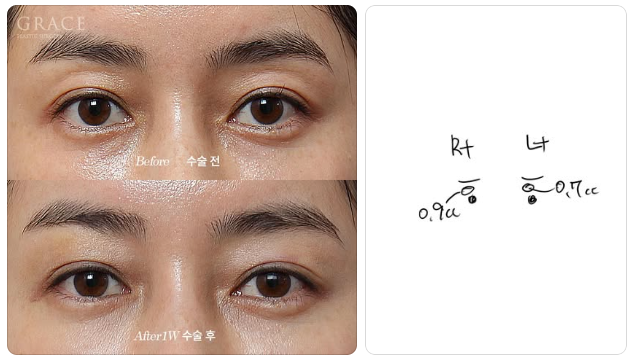
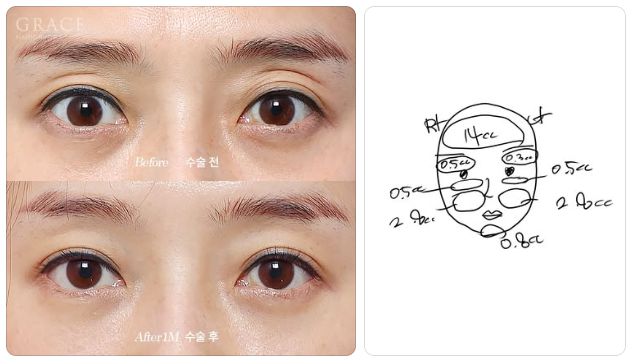
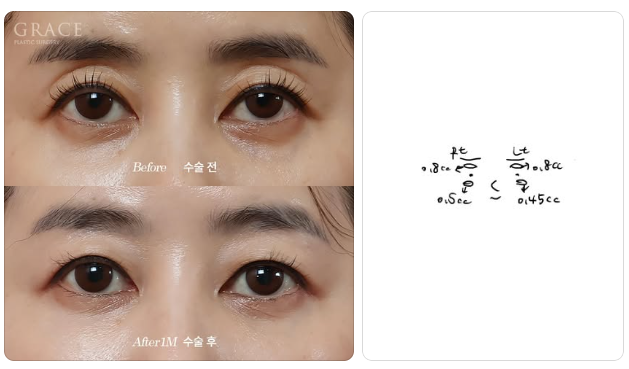
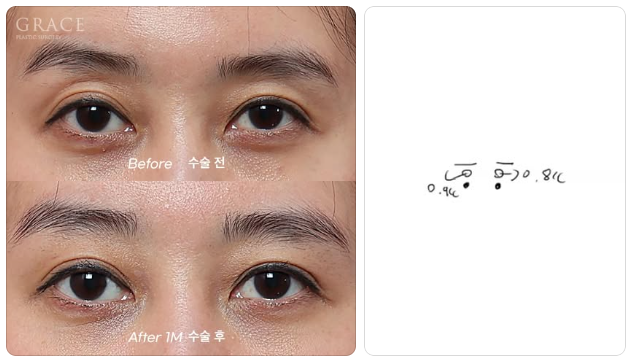
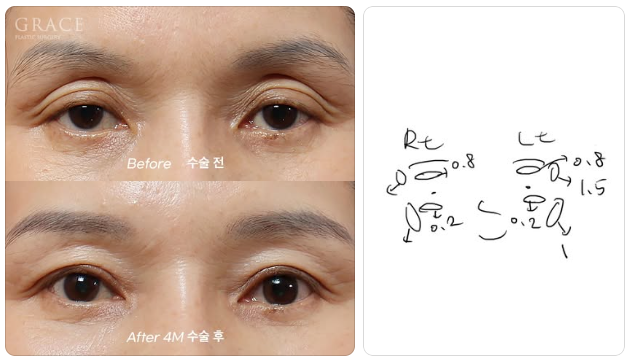
The eyelid is a much thinner and more sensitive area than many people think. Because this is a procedure that places fat over the following structures—Skin, Orbicularis oculi muscle, Orbital septum, Orbital fat—the result can change completely depending on which layer the fat is placed in. If fat is injected into a superficial layer, it can cause unevenness or show-through, while if it is placed accurately in a deeper layer, volume can be restored naturally without being obvious. A place skilled in lower eyelid fat grafting is one that approaches this ‘layer’ with precision. Simply putting in more is not better. It may seem like adding more will fill it out, but the upper eyelid area is not that simple. If too much is added, the eyes can look swollen or heavy, and it may actually appear more unnatural. So what matters is not the ‘amount’ but ‘fractional injection.’ A small amount of fat must be divided among multiple layers and placed very thinly, as if it were spreading out, in order to create a natural line.
𝙋𝙝𝙤𝙣𝙚 02-555-8558
𝙒𝙚𝙗 https://www.graceps.kr
𝙆𝙖𝙠𝙖𝙤 http://pf.kakao.com/_xjAgxoxh/chat
𝘼𝙙𝙙𝙧𝙚𝙨𝙨 5F, 623 Gangnam-daero, Seocho-gu, Seoul
Grayce Plastic Surgery, performed by Chief Surgeon Dr. Moonseop Choi Plastic Surgeon Dr. Moonseop Choi #UpperEyelidFatGrafting #UnderEyeFatRepositioning #EyeShapeCorrection #RevisionDoubleEyelidSurgery #UnderEyeNanoFatGrafting #AgingEyeSurgery #RevisionEyeSurgery #Ptosis #OrbicularisOculi #OrbitalSeptum #OrbitalFat #LevatorAponeurosis #OrbicularisOculi #OrbitalSeptum #OrbitalFat #EyelidAnatomy ※ Surgical results may vary depending on the individual’s condition, and side effects such as bleeding, inflammation, and scarring may occur.