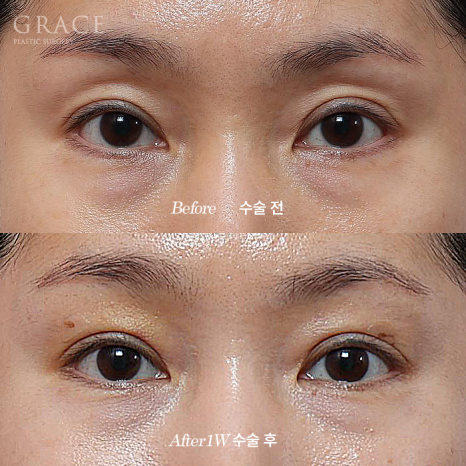
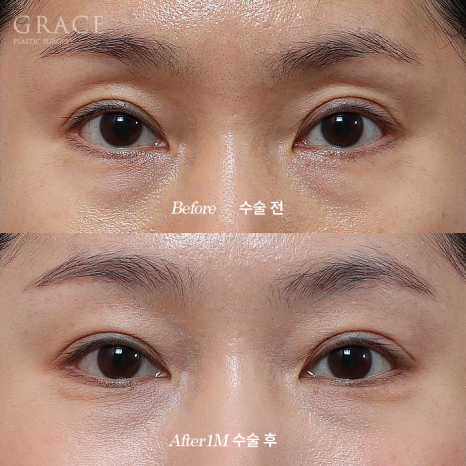
When the eyelids begin to look hollow, many people are told that they look tired or older than their actual age. In particular, sunken hollows above the eyes are not easily concealed even with makeup, which can be a source of concern for many. At this point, many people find themselves choosing between eye-hollow filler and upper eyelid fat grafting. Because the eyelids have very thin skin and are constantly moving as the eyes open and close, it is important to make a diagnosis based on an understanding of the structure rather than simply taking an approach that adds volume.
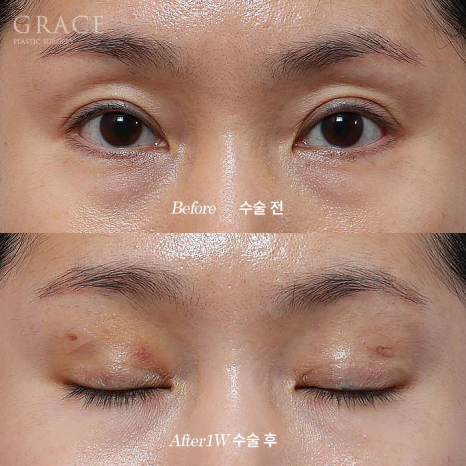
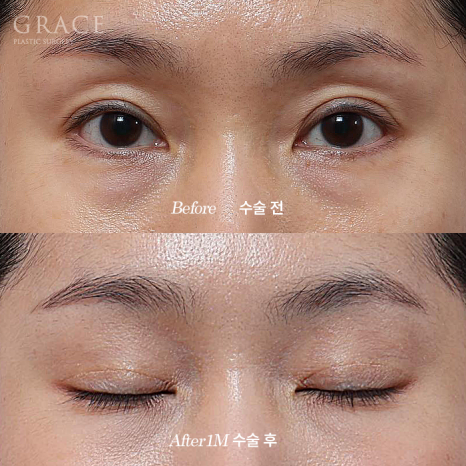
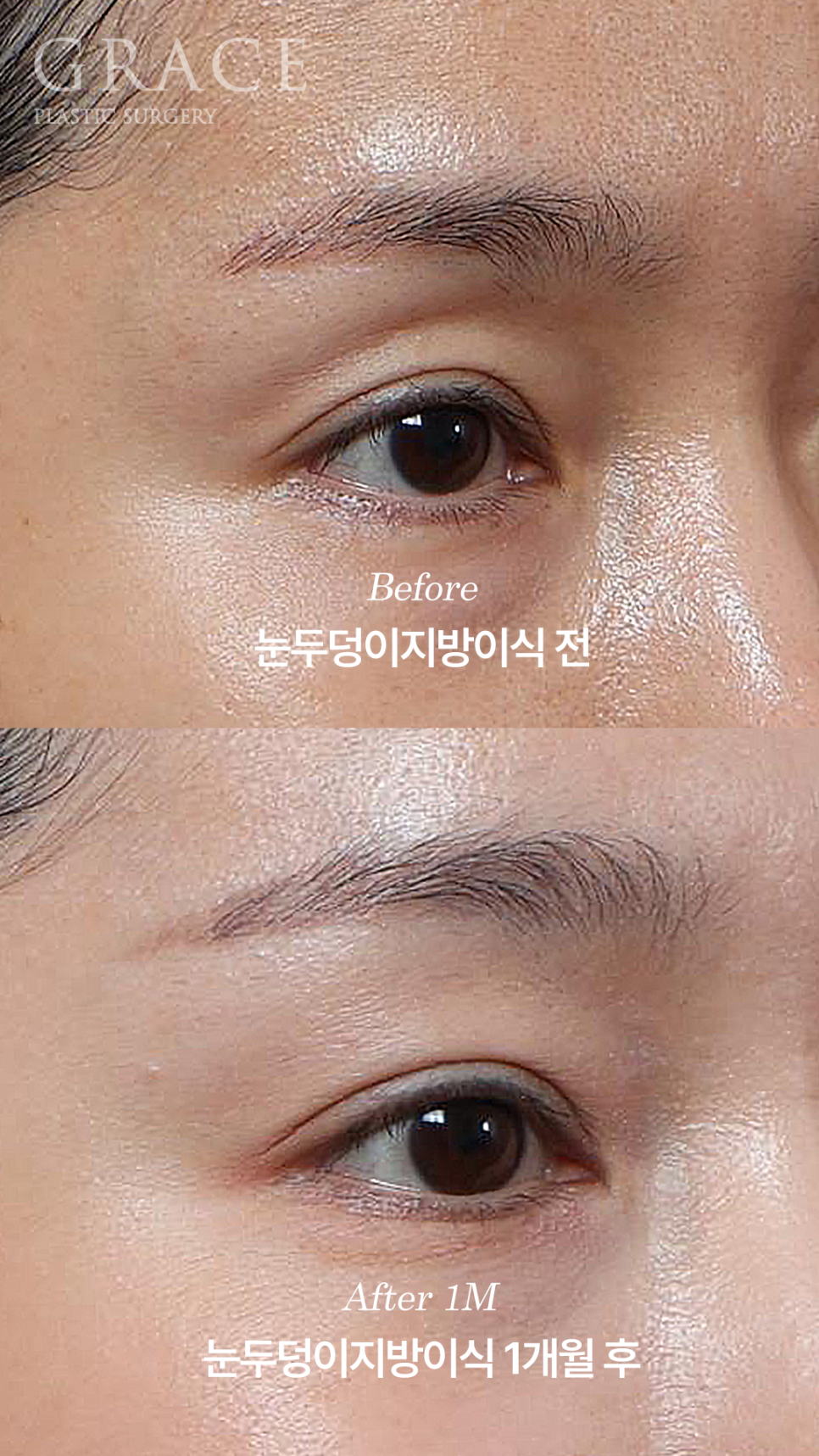
Upper eyelid fat grafting is a procedure that supplements volume and elasticity by grafting autologous fat to the sunken area above the eyes and the eye hollows. It may help improve a tired or aged appearance caused by hollow eyelids, and is performed with the goal of creating a softer, more defined eye appearance. In particular, the extent and depth of the hollowing, skin thickness, and strength of the muscles that open the eyes vary from person to person. Therefore, an approach that considers each individual’s anatomical structure is important rather than a standardized method.
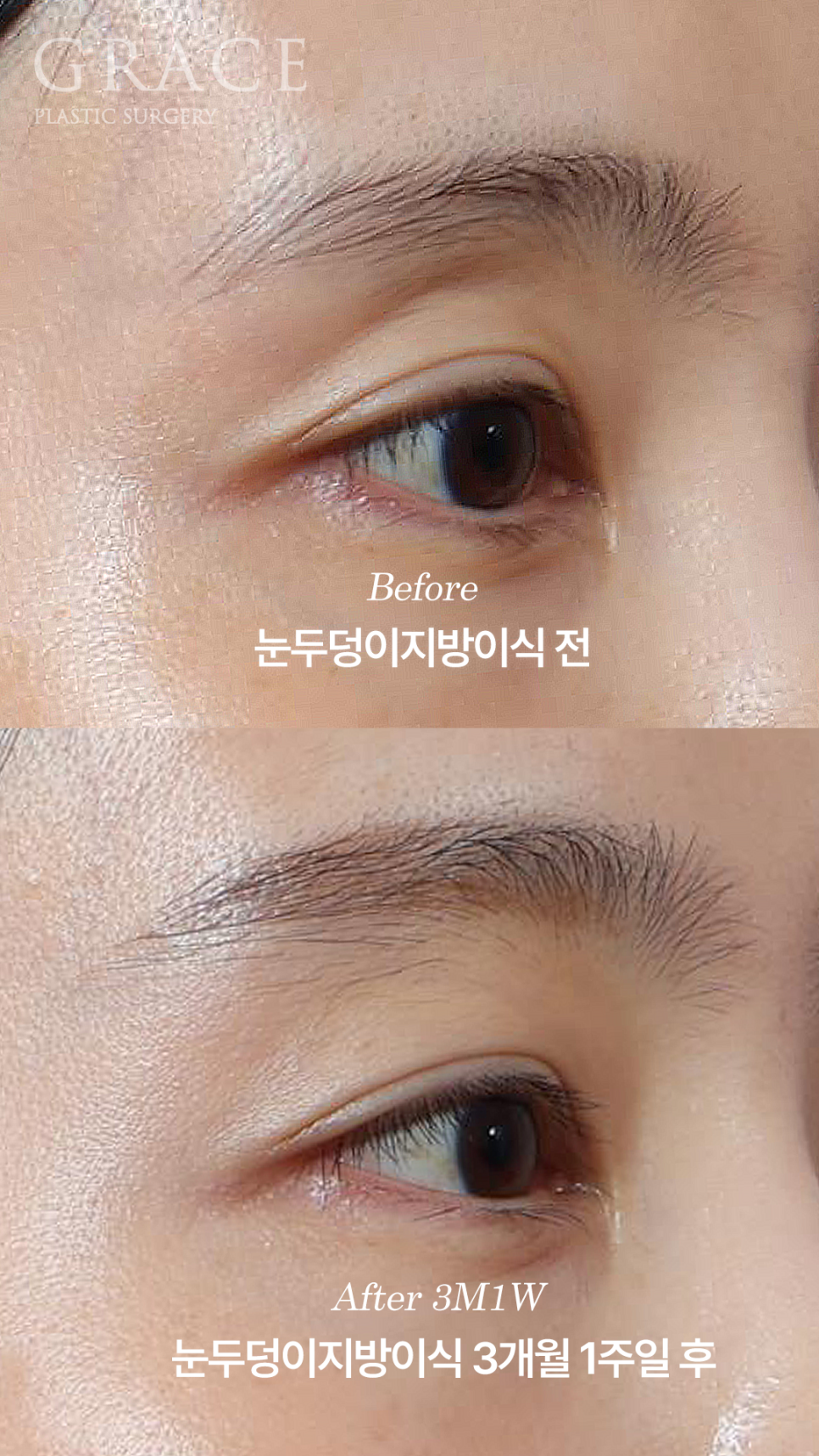
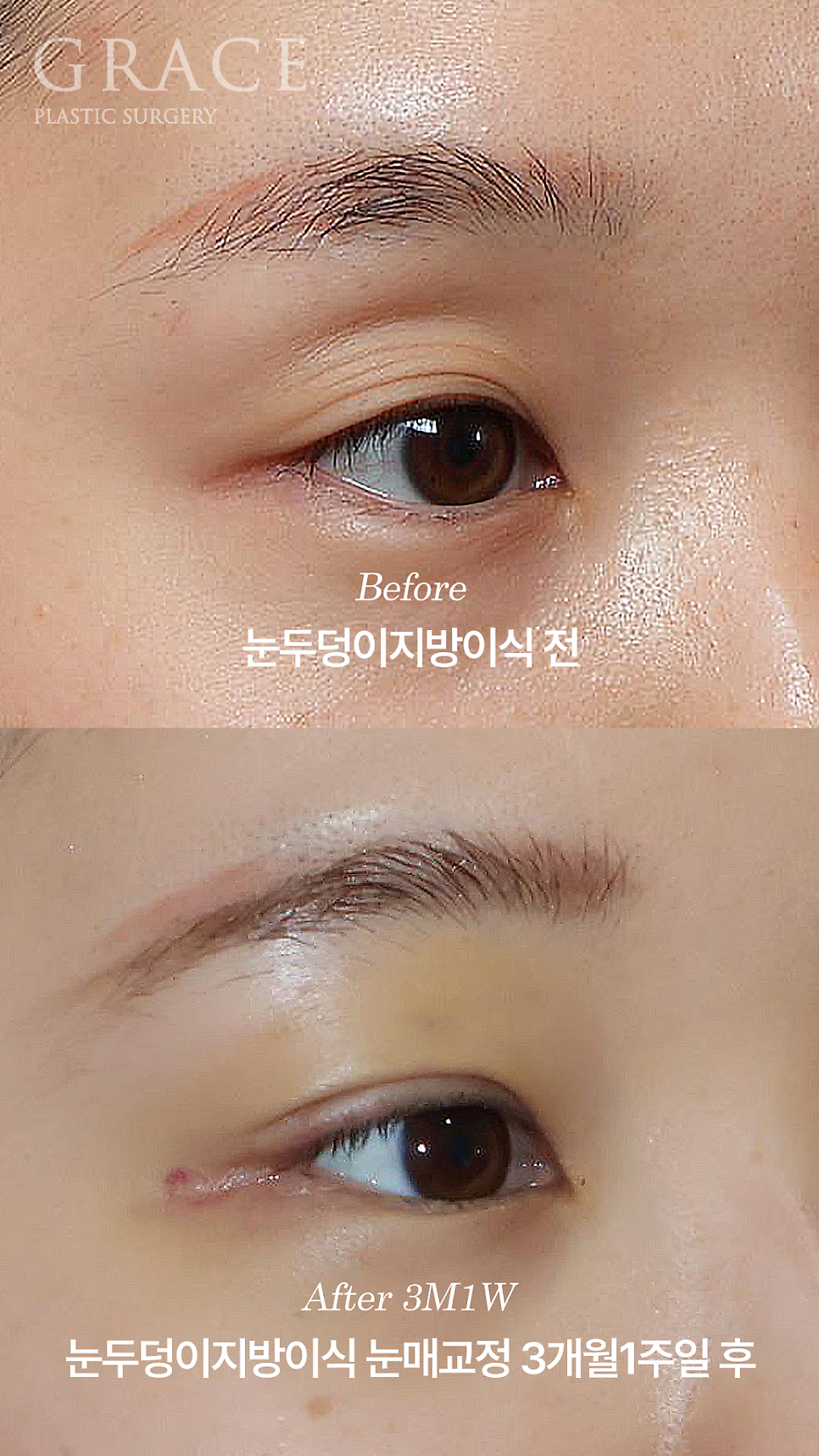
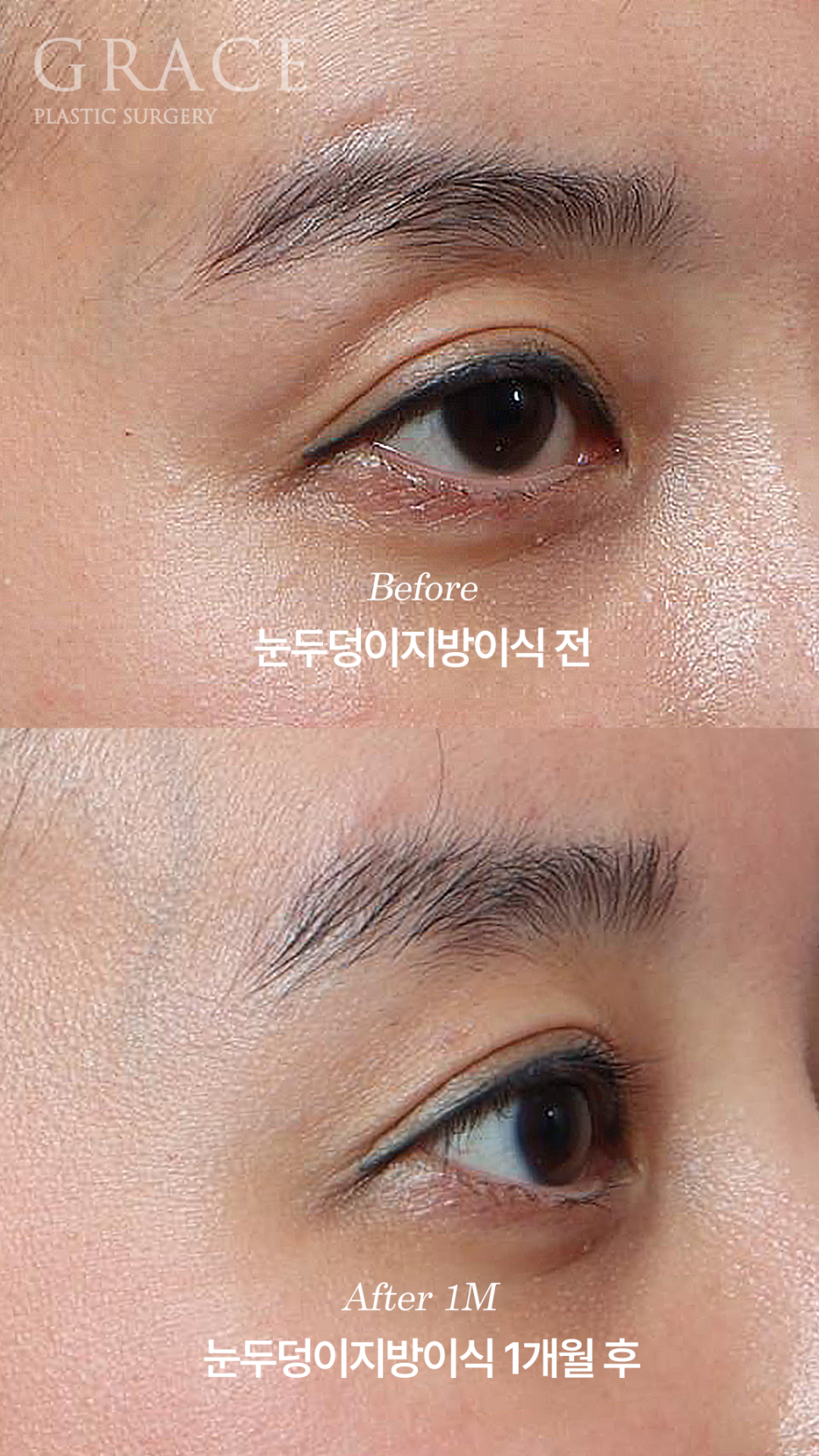
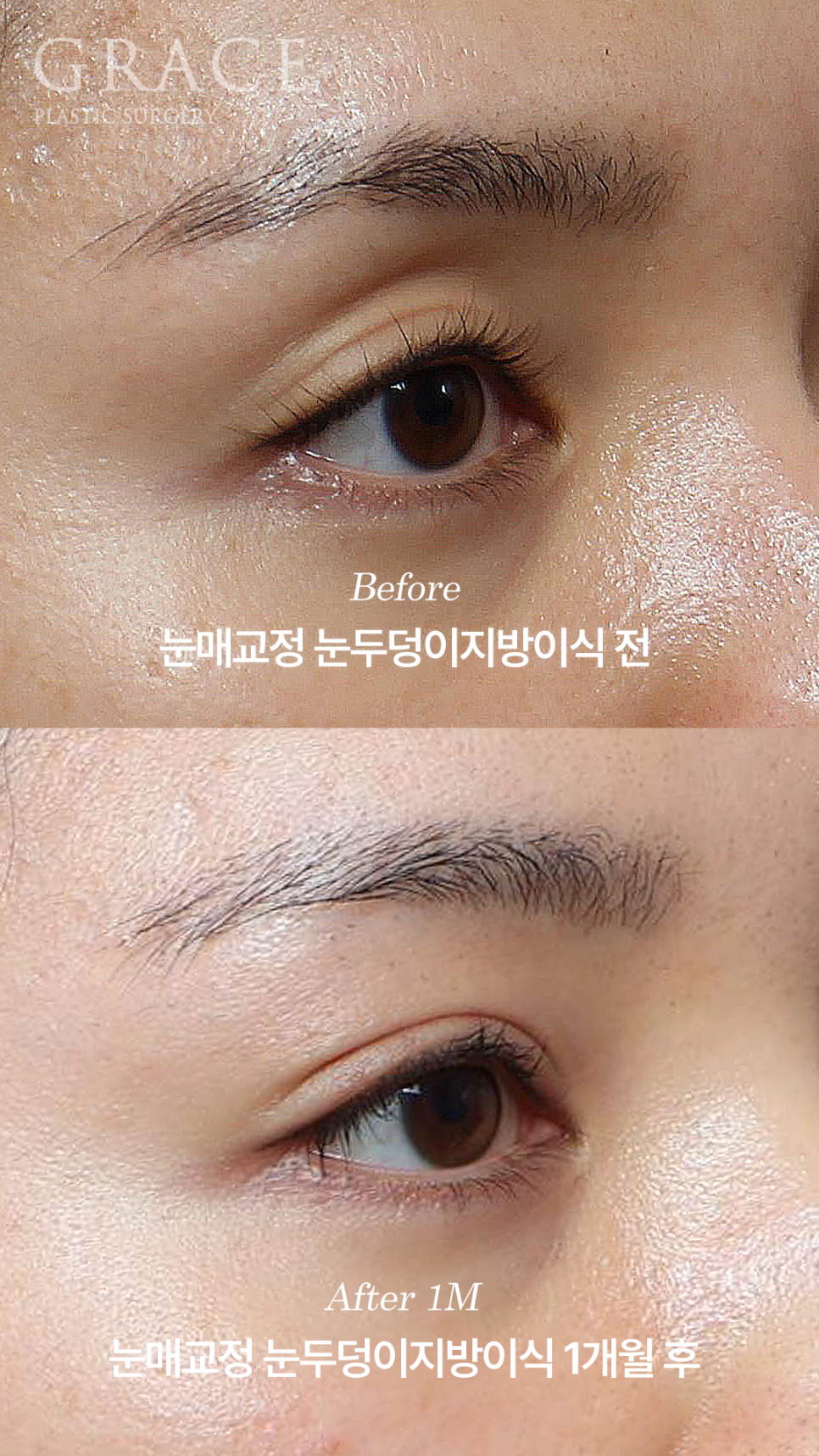
Previous image
Next image
Upper eyelid fat grafting begins by harvesting fat from the thighs or abdomen and then selecting only fat with uniform particles and high purity. The sunken area of the eye hollow, the eye structure, the movement of the muscles that open the eyes, and skin thickness are then comprehensively analyzed to develop an individualized plan. Rather than simply filling the hollow area, the process first identifies why it appears sunken.
Fat is then grafted into the deeper layer of the orbital fat layer using a custom-made microcannula. Because the eyelids are very thin tissues, the results can vary significantly depending on which layer the fat is placed in and how much is used. Even the same amount of fat can produce a natural result or create a puffy, unnatural appearance depending on the injection site.
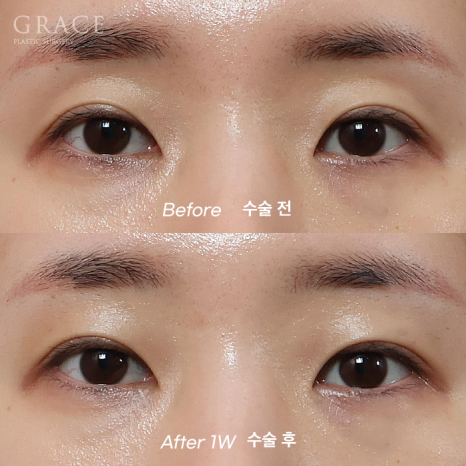
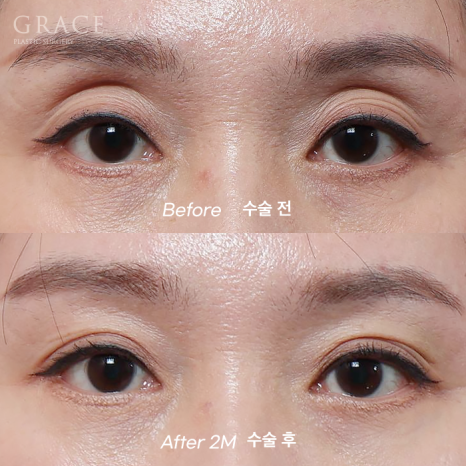
Many people also wonder about the difference between eye-hollow filler and upper eyelid fat grafting. Filler has the advantage of supplementing volume relatively simply, but because the eyelids are an area with thin skin, show-through or unevenness may occur, and repeated procedures may be needed over time. Upper eyelid fat grafting, on the other hand, uses the patient’s own fat, and grafted fat that successfully takes generally has the characteristic of lasting for a relatively long time. However, with fat grafting as well, it is important not simply to add a large amount but to graft an appropriate amount into the proper layer.
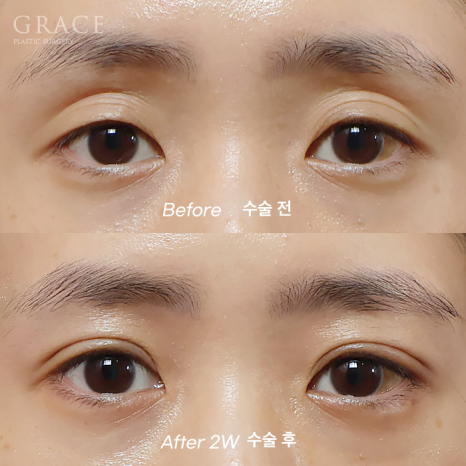
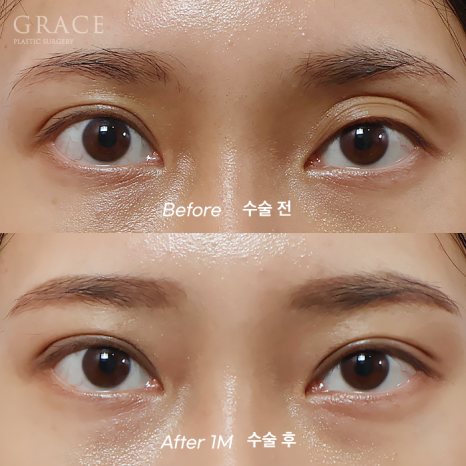
We are also frequently asked about the potential side effects of upper eyelid fat grafting. The most common concerns include overcorrection, unevenness, left-right asymmetry, and recurrent hollowing. These aspects are largely affected by the amount of fat and the injection site. Because the eyelids have thin skin and move frequently, injecting too much fat into a superficial layer can make them look puffy or heavy. Conversely, divided injections into the appropriate layer, taking the anatomical structure into account, may lead to a more natural result. The outcome of upper eyelid fat grafting is determined to a considerable extent during the diagnostic stage rather than on the day of surgery. If volume is added without sufficiently analyzing the eye structure and skin condition, satisfaction may be lower. Conversely, when a plan suited to the cause is established, it may help improve the appearance naturally without looking excessive. Therefore, what matters is not the amount of fat, but the process of finding the method suited to your eyes.
Phone 02-555-8558
Web https://graceps.kr
Kakao http://pf.kakao.com/_xjAgxoxh/chat
Address 5F, 623 Gangnam-daero, Seocho-gu, Seoul
Performed by Plastic Surgeon Dr. Moonseop Choi, Grace Plastic Surgery #UpperEyelidFatGrafting #LowerEyelidFatRepositioning #EyeShapeCorrection #RevisionDoubleEyelidSurgery #LowerEyelidNanofatGrafting #AntiAgingEyeSurgery #RevisionEyeSurgery #Ptosis #OrbicularisOculi #OrbitalSeptum #OrbitalFat #LevatorAponeurosis #OrbicularisOculi #OrbitalSeptum #OrbitalFat #EyelidAnatomy ※ Surgical results may vary depending on the individual’s condition, and some side effects, including bleeding, inflammation, and scarring, may occur.