When you search for upper eyelid fat grafting, similar terms often appear alongside it: side effects? Inadequate results that disappear again? These are natural concerns for someone researching the procedure for the first time. You may wonder how much it costs and worry about how much swelling to expect. You may also want to know whether it can be reversed through upper eyelid fat graft removal if the procedure does not go as planned. However, upper eyelid fat grafting is not simply a procedure that fills sunken areas with fat. With upper eyelid fat grafting, “where” matters more than “how many cc.”
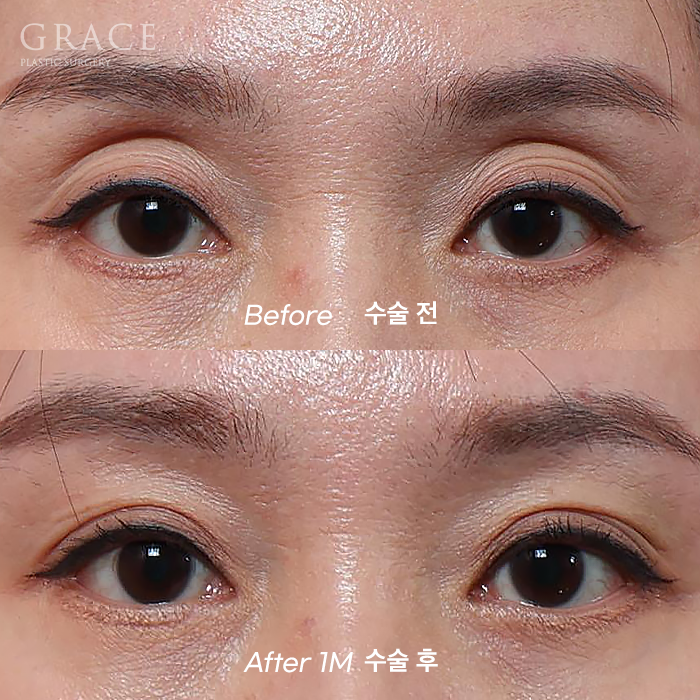
The reason is that the eyelid skin is very thin. It is an area where even small volume changes are clearly visible. This is why it is difficult to approach the procedure by simply adding volume, as with the cheeks or forehead. In particular, if the fat is placed too superficially or concentrated in one area, an uneven contour may appear. Conversely, if the center of the hollow is not identified accurately, the existing deep line may remain even after the fat has taken. At Grace Plastic Surgery, the area above the eyes is not viewed as a simple flat plane. After assessing the orbital structure together with the movement involved in opening the eyes, the approach is to inject fat precisely where it is needed. There is a clear reason why upper eyelid fat grafting results should be assessed several months later rather than immediately after the procedure. When looking for upper eyelid fat grafting reviews, many people focus only on photos taken immediately after surgery. However, the immediate appearance after fat grafting is not the final result. In the early stages, swelling is added to the volume of the fat itself. The swelling then subsides, and some of the fat is absorbed. As the remaining fat settles into place, a natural-looking contour above the eyes gradually develops. Therefore, when reviewing before-and-after photos, it is more meaningful to look at one month rather than seven days, and at three months or later rather than one month.
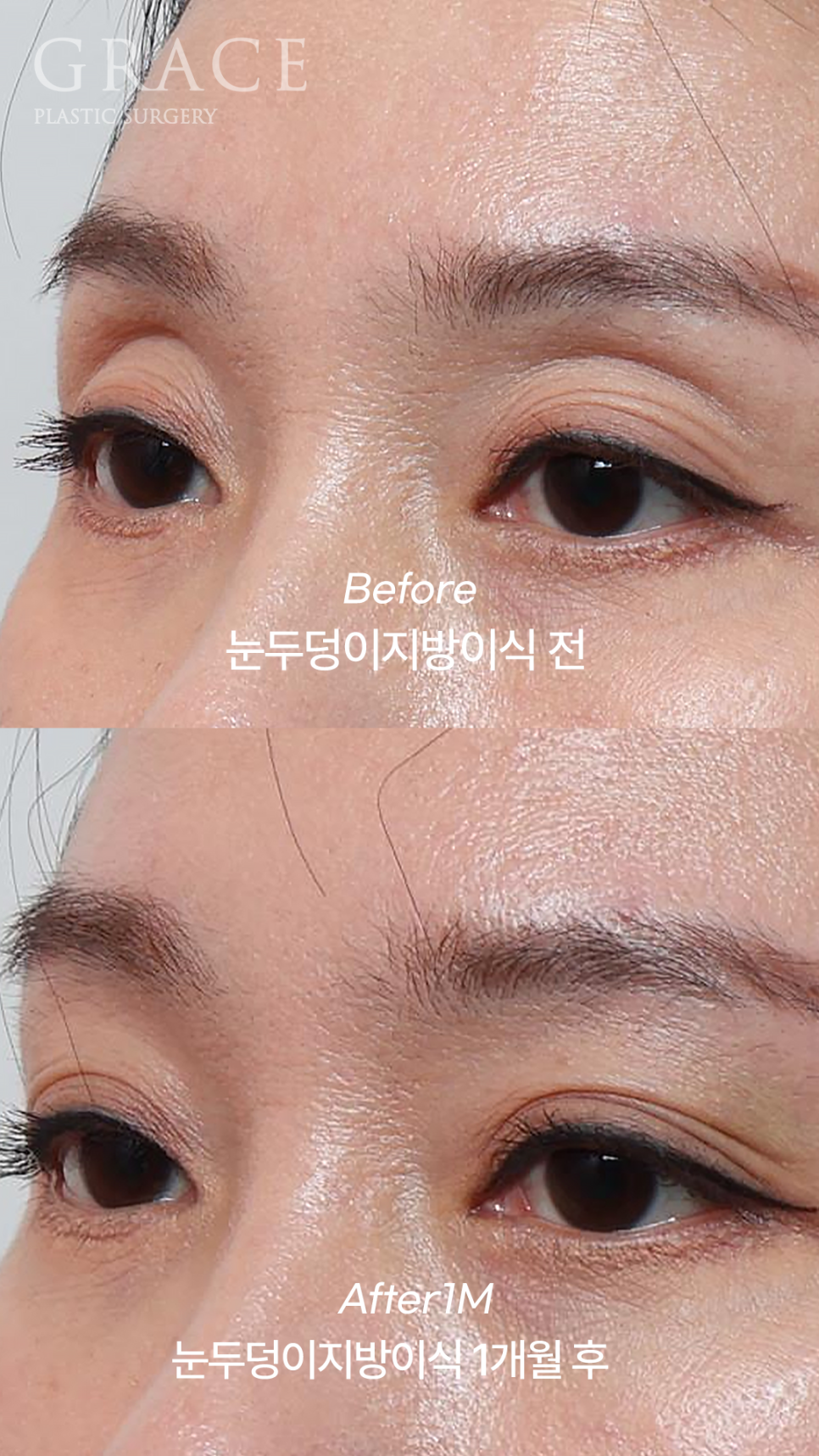
What about swelling and bruising after upper eyelid fat grafting? This is a question people ask about and worry about very often. Swelling after upper eyelid fat grafting varies from person to person. In general, swelling or bruising may be noticeable during the first three days. It then gradually decreases, and the appearance returns to normal for everyday life. The area around the eyes has thin tissue and many blood vessels. Even after the same procedure, the degree of swelling and the speed at which it subsides may differ. If you have an important event coming up, it is advisable to allow sufficient recovery time.
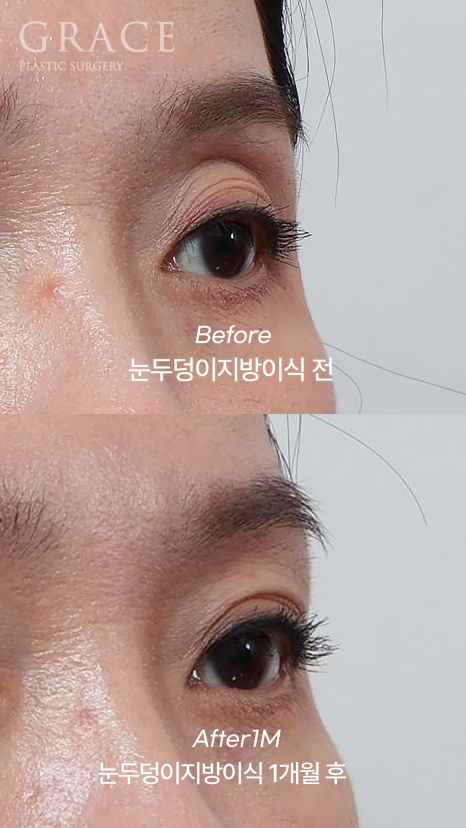
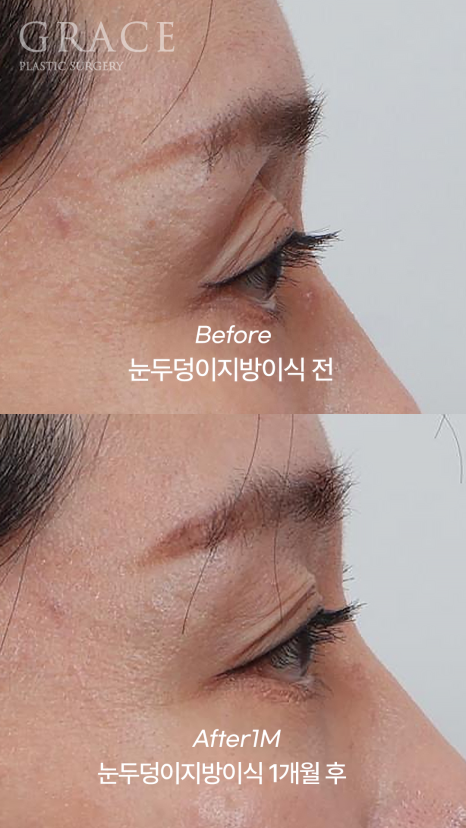
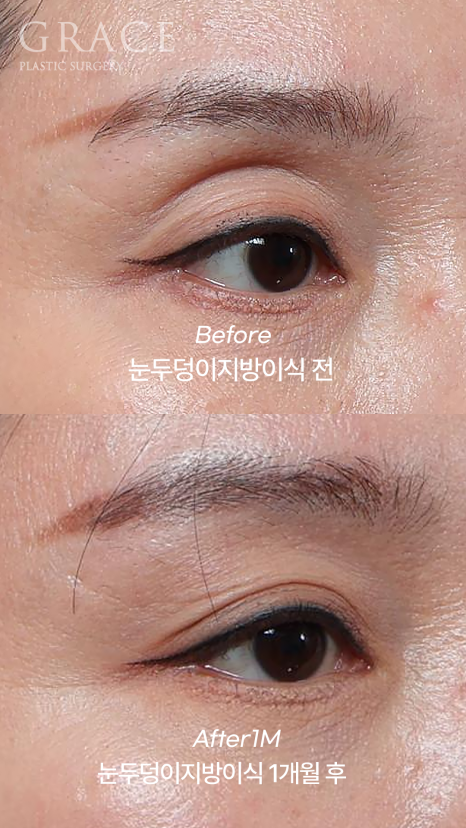
Possible side effects of upper eyelid fat grafting include asymmetry and overcorrection. The fat may appear lumpy, or it may not take to the desired extent. As with other surgeries, there is also a possibility of general procedure-related complications such as infection or bleeding. For this reason, we do not recommend trying to achieve too much in the first procedure. The idea that a sunken area should simply be filled with a large amount of fat does not work well for the upper eyelids. A careful approach is needed to refine insufficient areas and monitor the process of fat take. Fat grafting is less a procedure completed all at once than one in which the final result is gradually improved while observing how the fat settles.
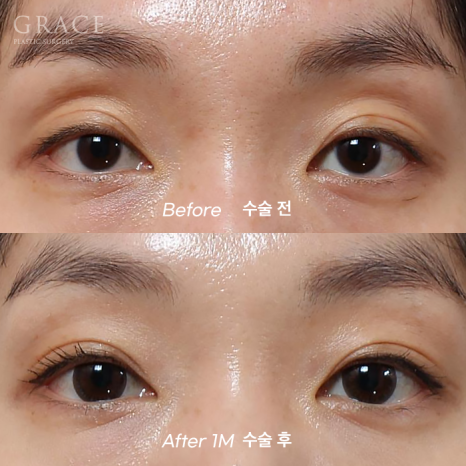
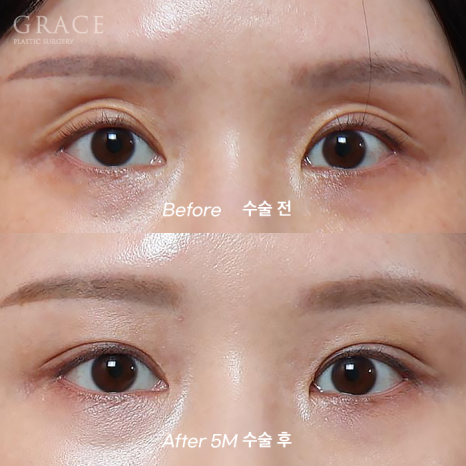
The price and cost of upper eyelid fat grafting vary from one clinic to another. The equipment used and the way the fat is processed also differ. There may also be differences in the surgeon’s technique and standards for postoperative care. Therefore, rather than comparing clinics based on a single price list, it is helpful to check several points together. Which tissue layer is the fat injected into? Is fresh fat used? Is the anatomical structure of the eyes taken into consideration? Can you review long-term progress photos? When necessary, are other causes, such as eyelid ptosis, also assessed together? Ultimately, the important question about upper eyelid fat grafting is not simply, “How much does it cost?”
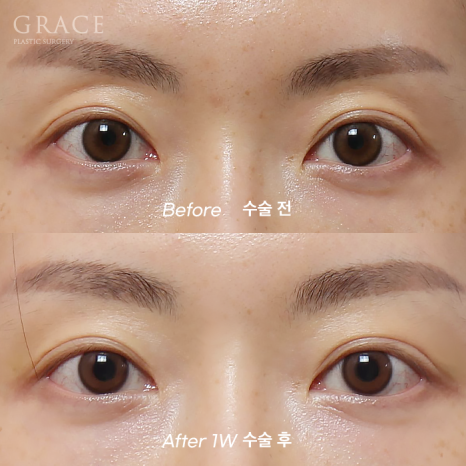
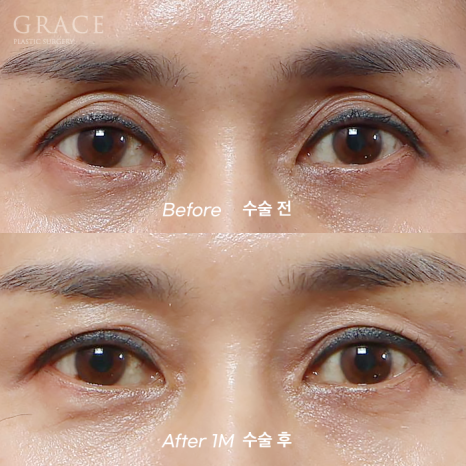
These three things should be checked first. Upper eyelid fat grafting is a procedure in which a small amount of fat can change the overall impression. That is why it requires careful judgment. Prices can be compared directly using numbers. However, results are difficult to compare numerically. Therefore, if you are researching upper eyelid fat grafting, even if you begin by searching for the cost, we recommend that you ultimately check the medical team’s experience, the injection sites, and the actual long-term progress. In the end, a successful upper eyelid fat grafting procedure should not leave the impression that fat has been added; it should look natural, as though the eyes have always looked that way.