When discussing upper-eyelid fat grafting, the concerns patients often express are surprisingly simple: “My eyes look more hollow than before.” “I have multiple eyelid creases.” “People say I look tired all the time, even when I’m not tired.”
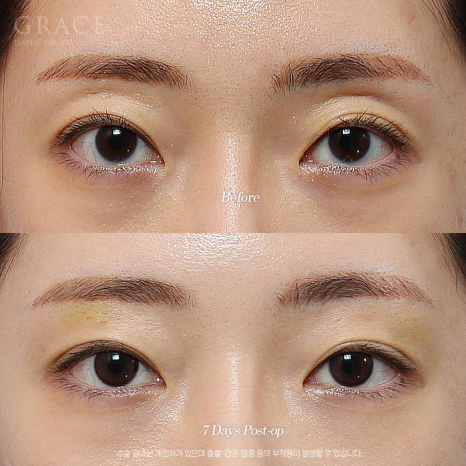
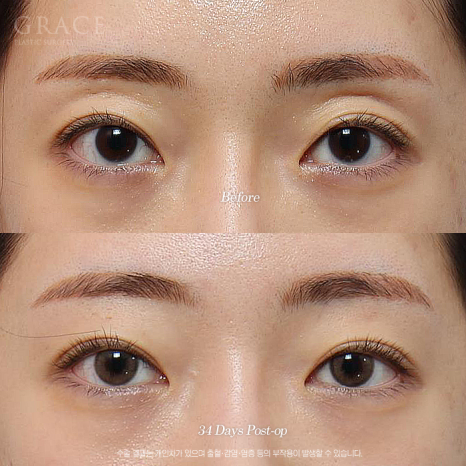
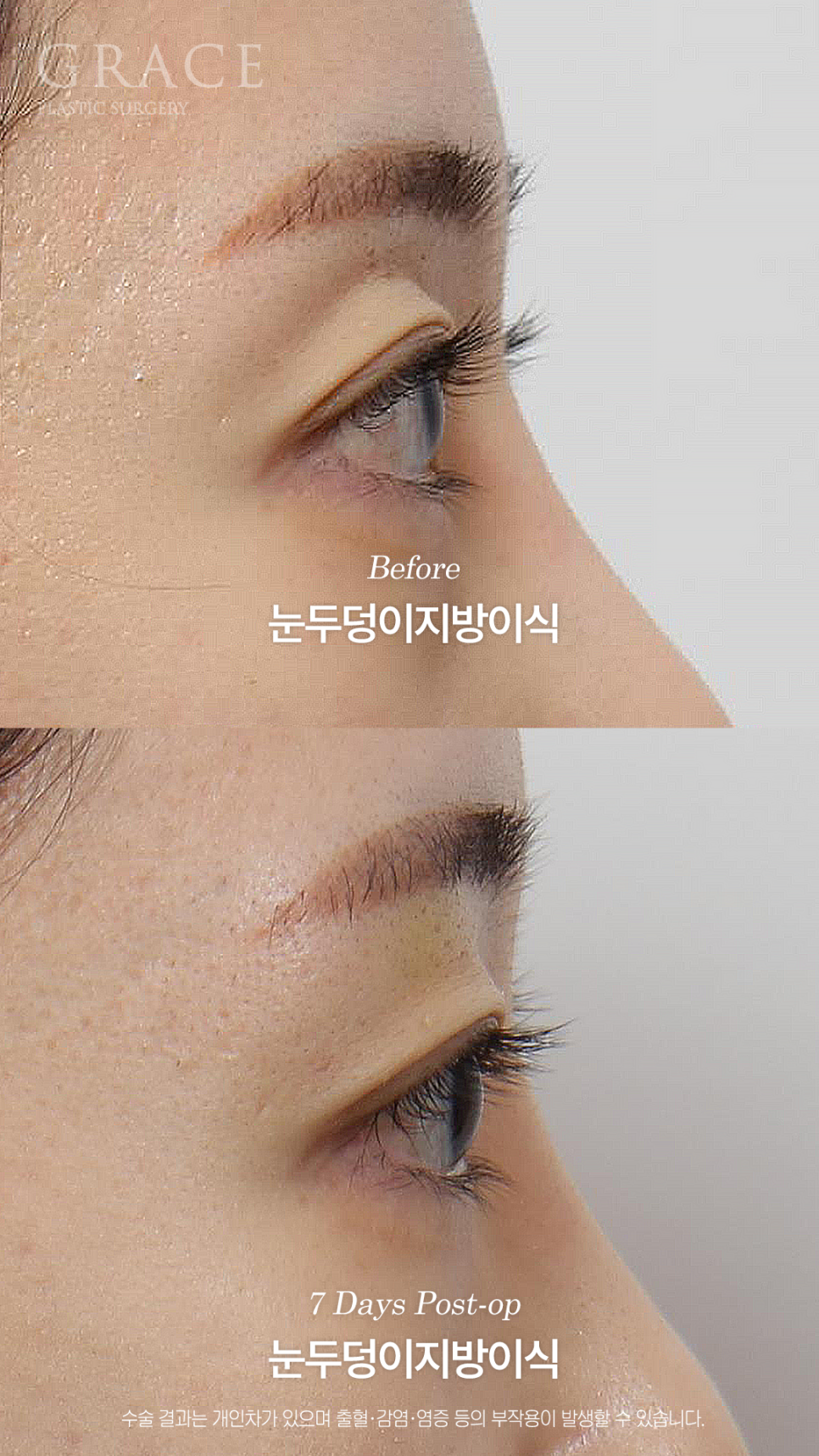
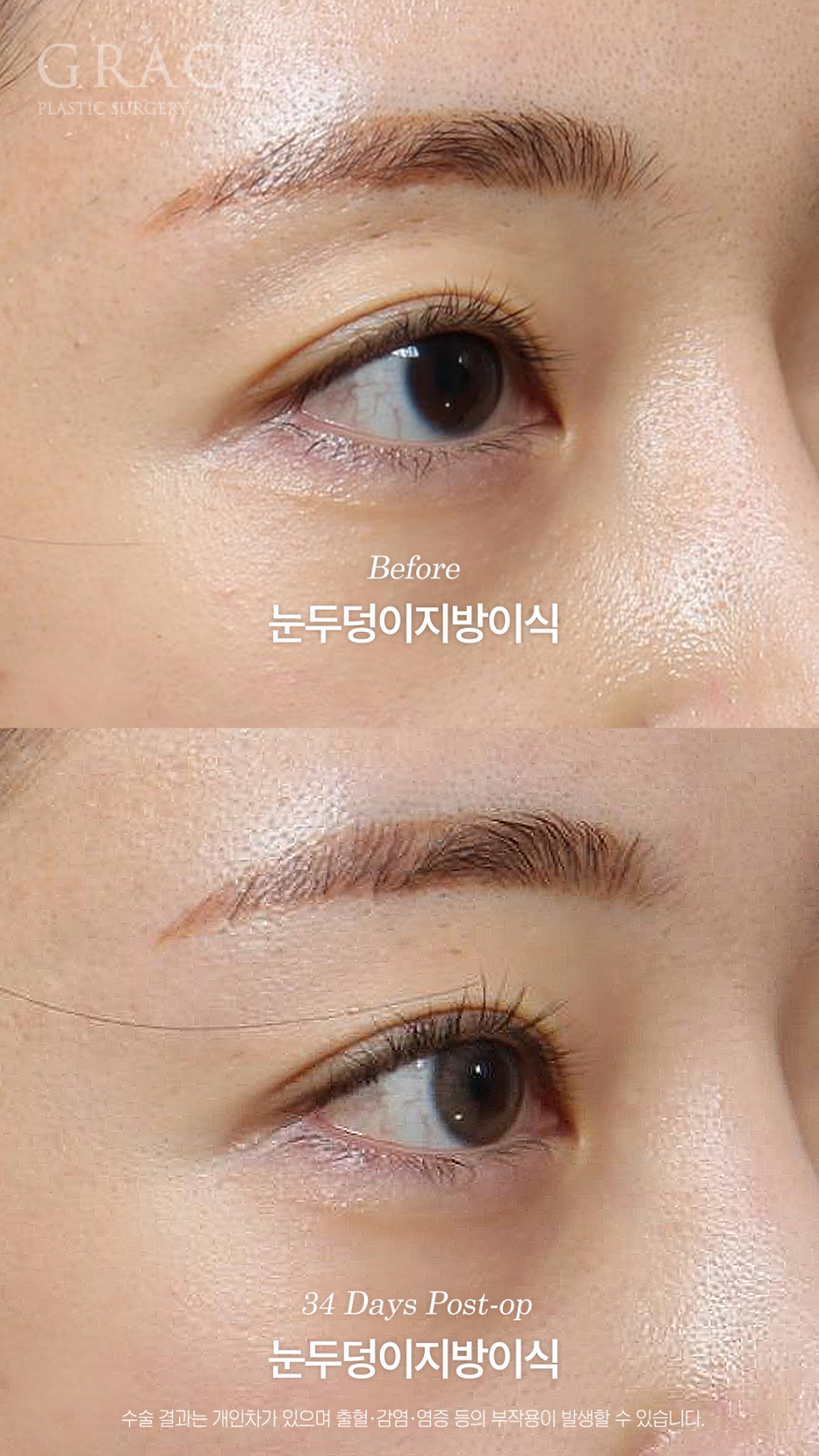
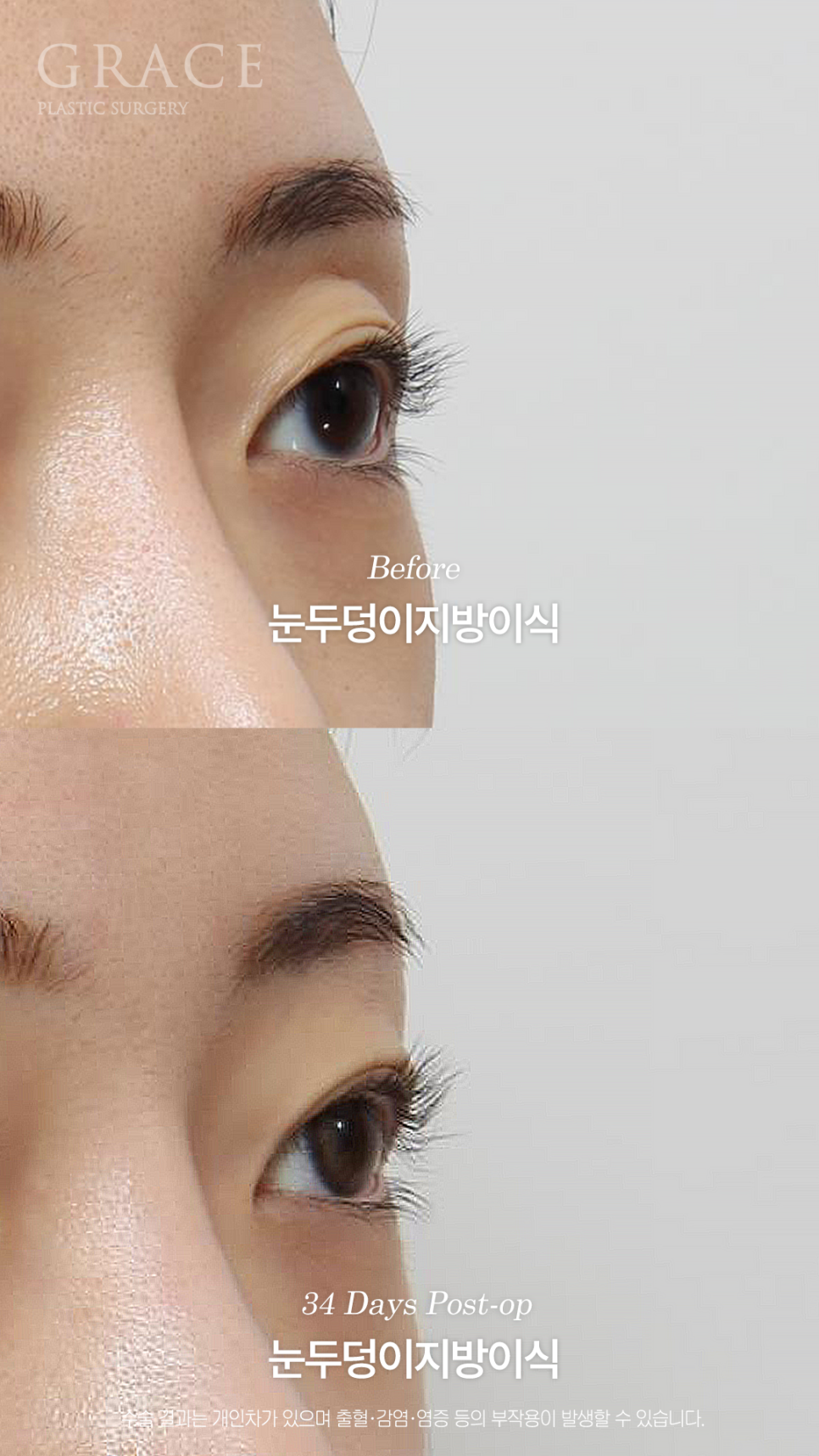
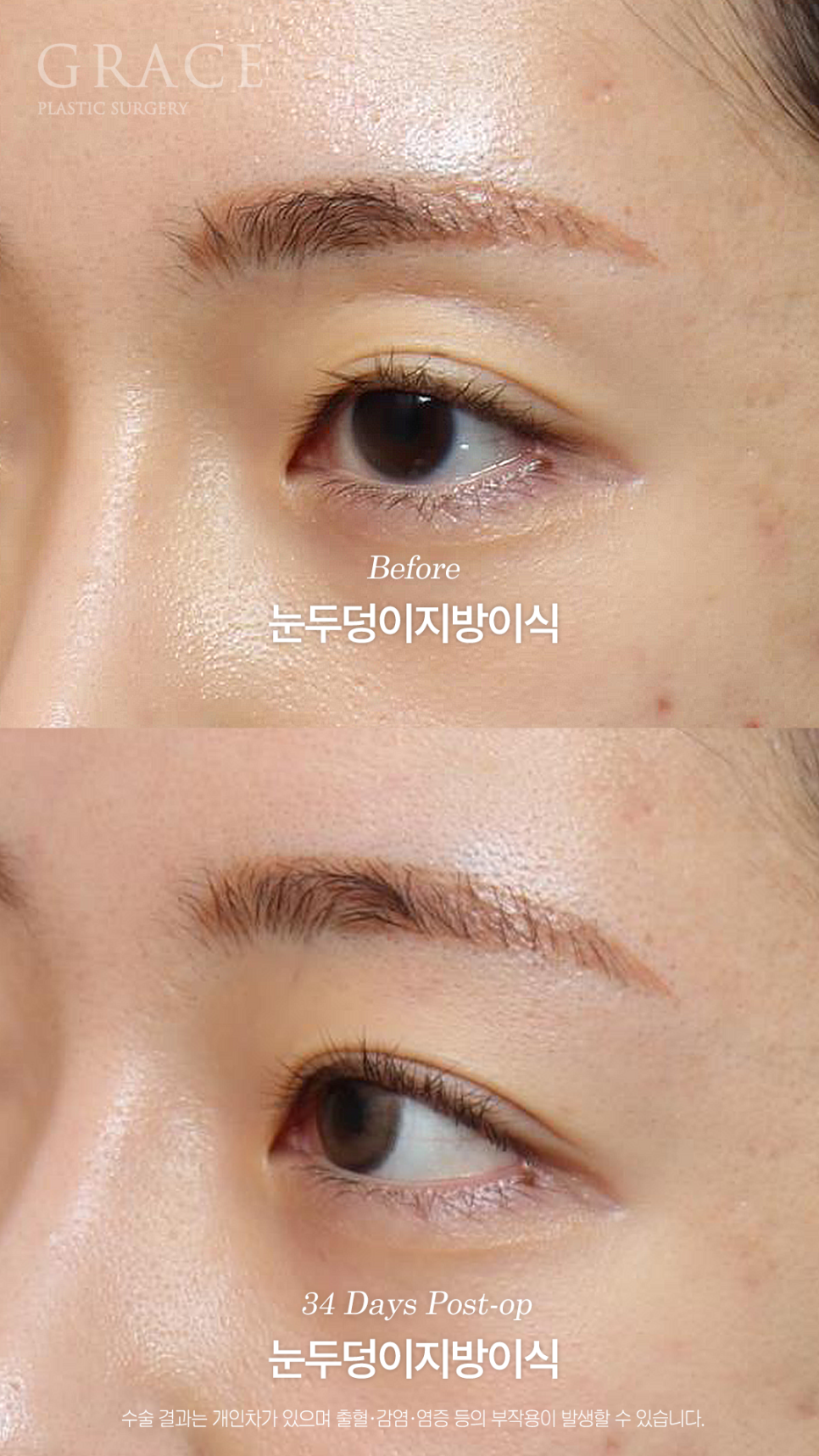
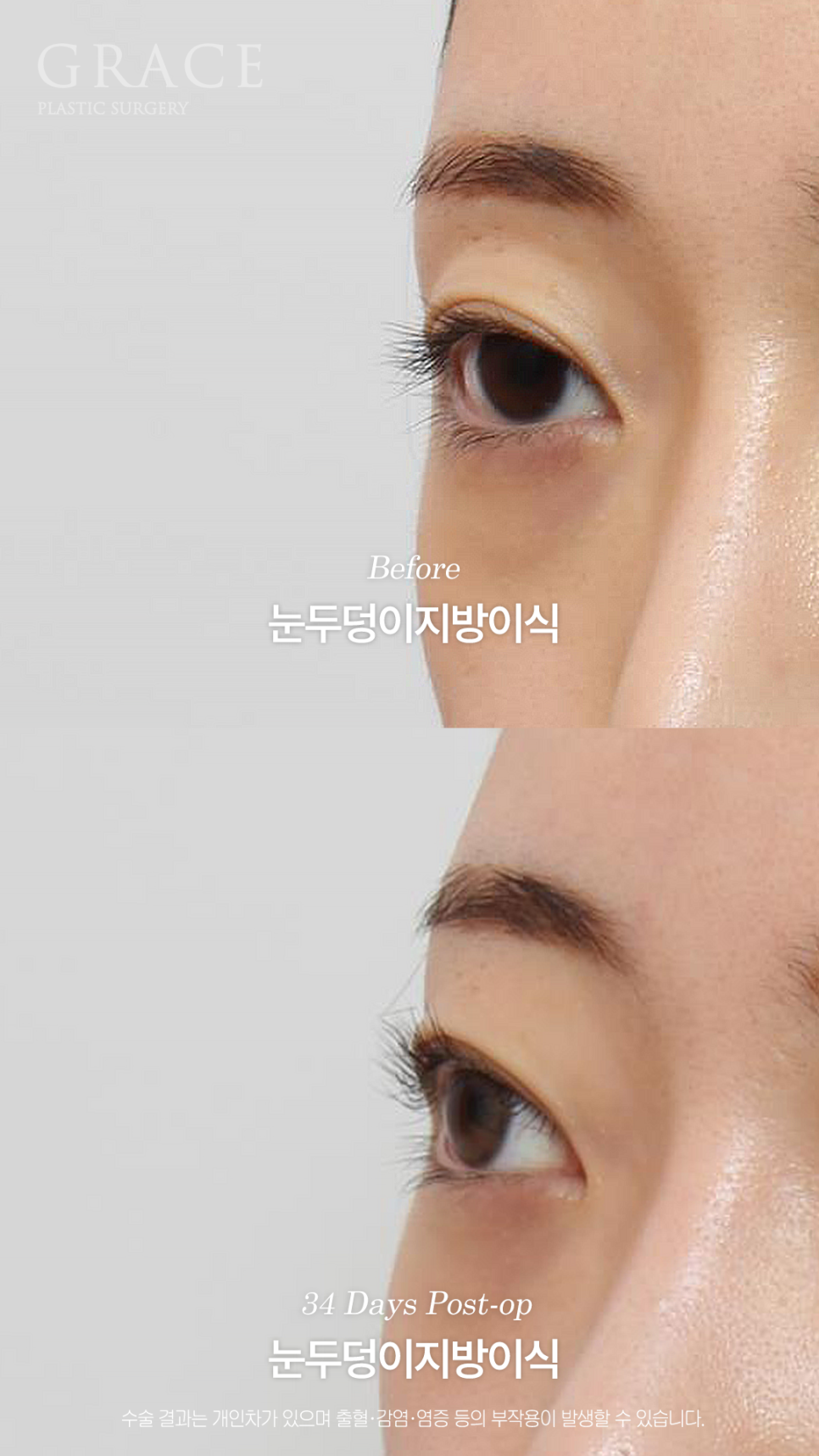
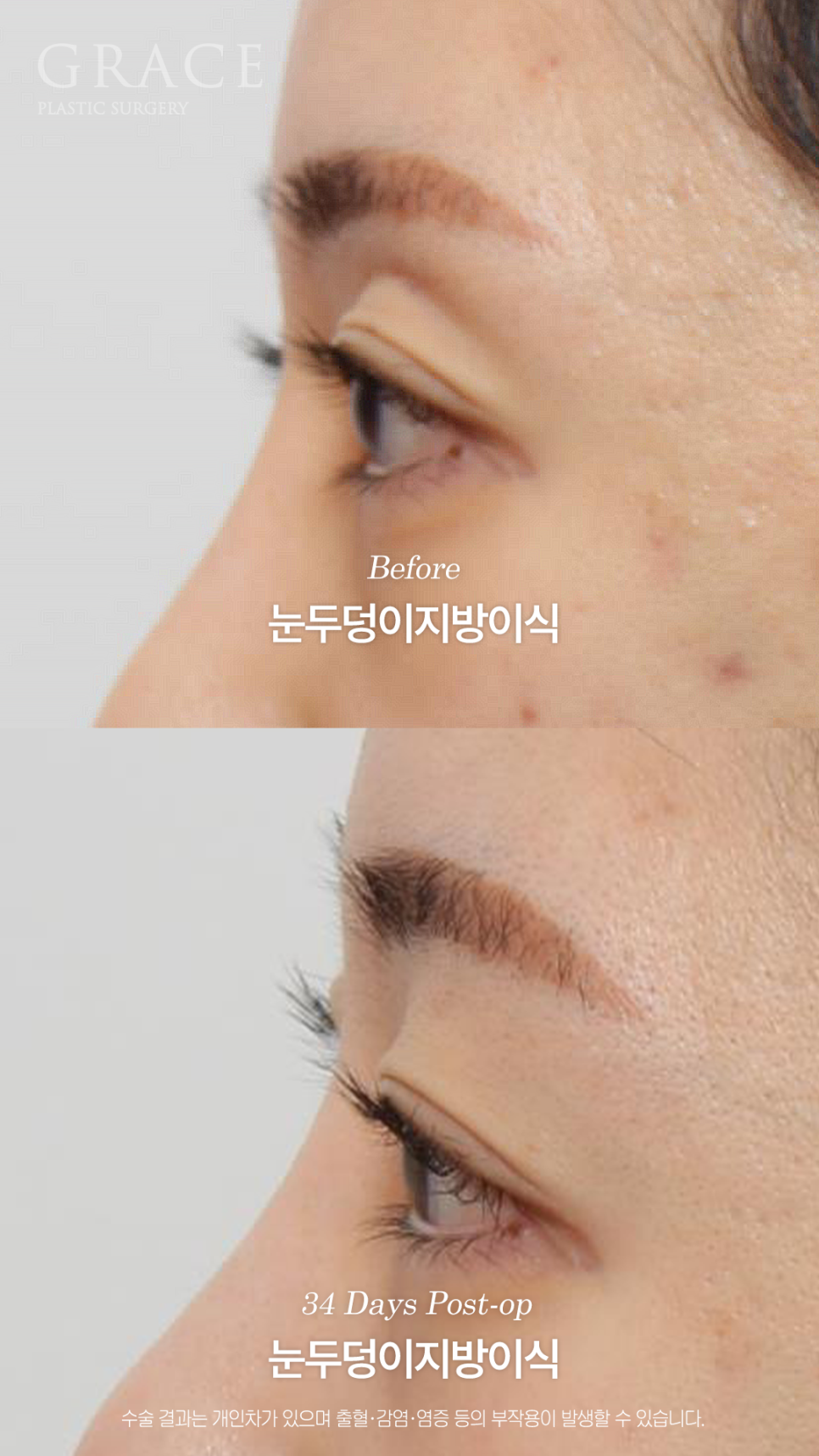
Medically, these changes are difficult to explain simply as “sunken eyes.” In many cases, the appearance of the eyes changes as a result of a combination of soft-tissue loss in the upper eyelid and volume changes around the orbit. The upper eyelid is an area with thin skin and relatively little subcutaneous tissue. As a result, even small changes in fat and soft tissue can appear relatively noticeable externally. In particular, when the volume above the eyes decreases, the contours of the orbital bones become relatively more prominent, which can lead to superior sulcus hollowing, making the eyes look deeply set. Patients commonly describe this as “hollowing in the eye socket.” These eyes do not simply appear to lack volume. Deep shadows can form around the eyes, making a person look more tired or older than they actually are, and in some cases, the eyes may also appear sharper.
Previous image
Next image
If the eyelid crease suddenly develops into multiple folds, one of the things I closely examine during the consultation is how the original eyelid crease has changed. Some patients say that a crease that was previously relatively stable and single has developed into multiple folds, or that the height of the crease changes depending on their condition. In such cases, I do not automatically conclude that there is a problem with the eyelid surgery. When the volume of the upper eyelid decreases, the relationship between the skin and soft tissue changes, which can cause the existing eyelid crease to appear irregularly. These changes may be especially noticeable when the eyelid is thin and hollowing above the orbit is pronounced. Therefore, it is important to determine whether the eyelid crease needs to be recreated or whether it would be more appropriate to restore volume in the upper eyelid first.
Not everyone with hollowing above the eyes needs fat grafting. In the consultation room, we do not decide on fat grafting based solely on the degree of hollowing. We also need to assess the prominence of the brow bone, the position of the eyeball, the thickness of the upper-eyelid skin, the amount of soft tissue, the shape of the existing eyelid crease, and the strength of the eyelid-opening muscles. In particular, even the same degree of volume loss can look quite different externally depending on the degree of eyeball prominence and the shape of the orbital bones. In addition, if ptosis or a problem with the strength of opening the eyes is present, another form of correction may take priority over simple fat grafting. For this reason, it is more accurate to view upper-eyelid fat grafting not simply as a “procedure that fills hollow areas,” but as a process of adjusting the anatomical structure of the upper eyelid and the balance of its volume.
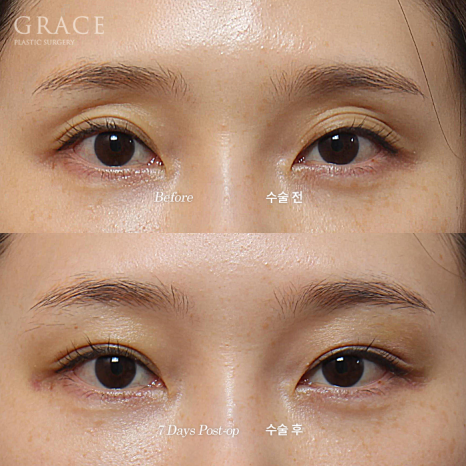
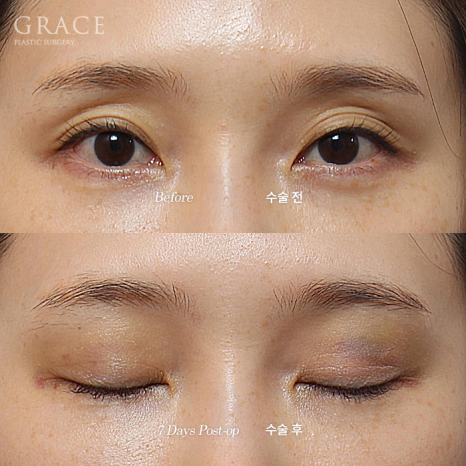
Some eyes cannot be corrected with eyelid surgery alone. This is a situation I often encounter during consultations. Patients ask, “Would it look better if I had the eyelid crease redone?” However, if structural hollowing above the eyes is the cause, creating a new crease alone may not produce the desired appearance. When upper-eyelid hollowing is pronounced, the deep shadows and bony contours around the eyes remain. In such cases, appropriately restoring the volume of the deficient soft tissue may help soften the sharp contour above the eyes and create a gentler appearance. In other words, it is important to first determine whether the issue is with the crease or with the volume.
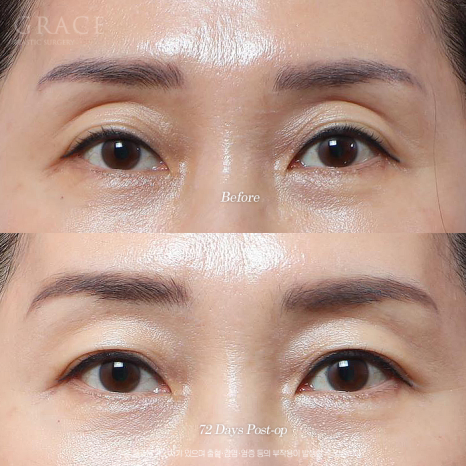
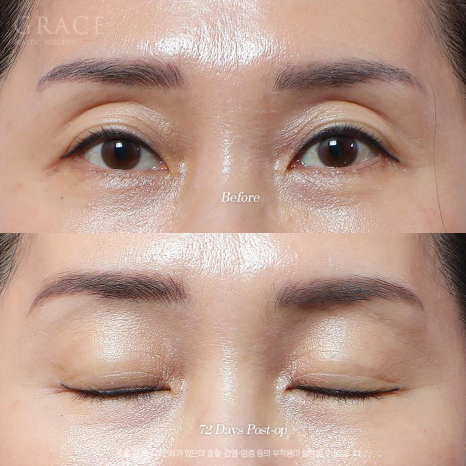
What matters is not “adding a lot,” but “where”
In upper-eyelid fat grafting, what I consider important is accurately identifying the anatomical location where volume has decreased, rather than the amount of fat itself. Because the skin and soft tissue of the upper eyelid are thin, even small differences in volume can easily show on the surface. Therefore, injecting more than necessary may make the eyelid look thicker or change the depth and shape of the existing eyelid crease. Conversely, if the appropriate layer and range are determined and the deficient areas are supplemented, this may help soften the deep contours of the upper eyelid while preserving the existing characteristics of the eyes.
In consultations, patients often want something surprisingly simple rather than “completely different eyes.” They show me an old photograph and say, “I just want to look like I did then.” I think this best explains the purpose of upper-eyelid fat grafting. Rather than creating a new appearance, the goal is to anatomically analyze the change in appearance caused by decreased upper-eyelid volume and restore the balance of the natural eye shape the patient originally had.
In a consultation for upper-eyelid fat grafting, the priority should be diagnosing why the area above the eyes appears hollow before deciding how much fat to add.
This content is provided for the purpose of offering medical information. Surgical results may vary from person to person, and all surgeries may involve side effects, so please make your decision after having a sufficient consultation with a medical professional. The before-and-after photographs are of the same person, and differences may occur depending on the timing and conditions of photography.
𝙒𝙚𝙗 https://graceps.kr/
𝙆𝙖𝙠𝙖𝙤 http://pf.kakao.com/_xjAgxoxh/chat