I’m Kim Soon-dong, Director of Soon Plus Plastic Surgery.
Many people consider canthoplasty procedures to make their eyes look larger and more open.
In particular, for those whose eyes are short horizontally and whose outer corners are tilted upward, creating a tense or somewhat strong impression, improvement through lower canthoplasty is often desired.
It would be nice if canthoplasty produced good results for every eye shape,
but the effect of lower canthoplasty can vary depending on eye shape.
▶ Eye shapes with better lower canthoplasty results (recommended cases)
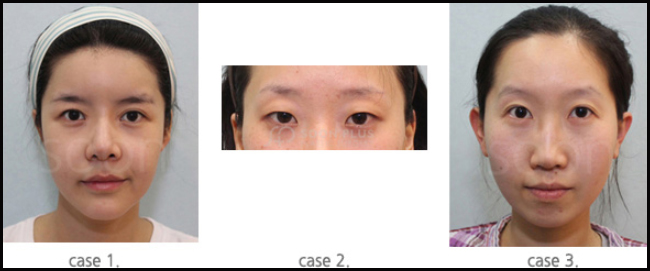
When the outer corners are high, when the eyeballs are large, when the eyes protrude
▷ Eye shapes with less lower canthoplasty effect
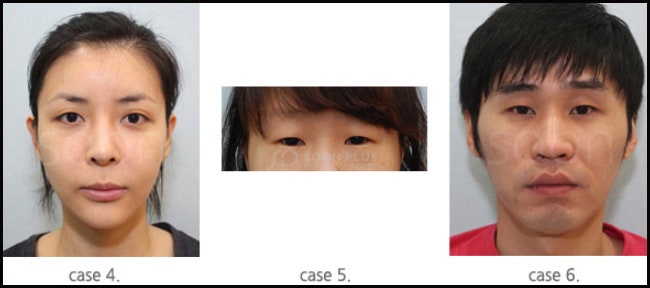
When the outer corners are not high, when the eyeballs are small, when the eyes are deeply set
Director Kim Soon-dong, how much effect can I expect after lower canthoplasty?
A. One of the questions patients often ask during lower canthoplasty consultations is how much improvement they can expect after surgery.
The effect of lower canthoplasty can vary depending on the size of your eyes, the height of the outer corners, and whether the eyes protrude.
Therefore, for an accurate diagnosis, you can receive guidance after a thorough consultation with medical staff at the clinic.
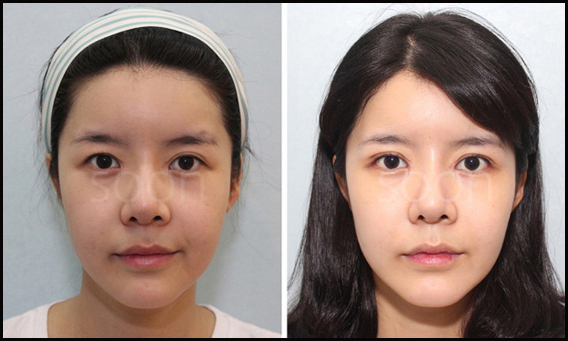
CASE 1. If the outer corners are high, the eyes can enlarge by the amount they can be lowered.
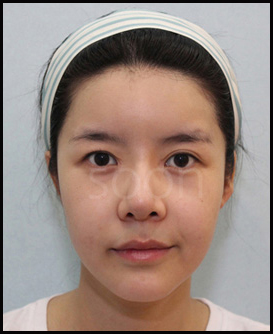
When lowering the outer corners, they are lowered diagonally.
The higher the outer corners are, the more they can be lowered,
which can increase the effect of making the eyes look larger and can also lead to a greater change in the overall eye appearance.
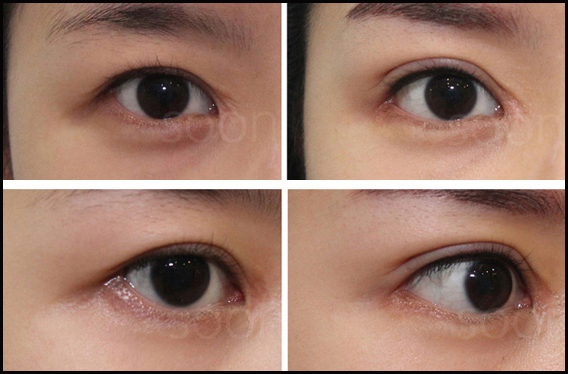
CASE 2. If the eyeballs are large, the effect of lower canthoplasty can be greater.
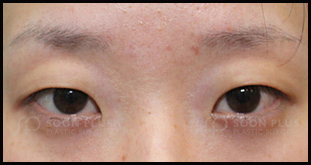
When the eyeballs are large, the amount of eyeball that can shift backward and the amount that the outer corners can be lowered increase during lower canthoplasty,
so the eyes can look larger and this is a case that can bring about a greater change in eye shape.
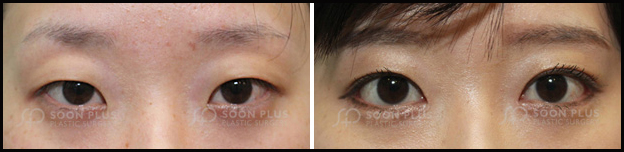
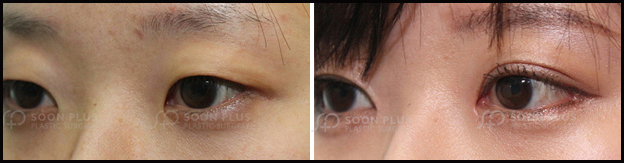
CASE 3. If the eyes protrude, the effect of lower canthoplasty can be greater.
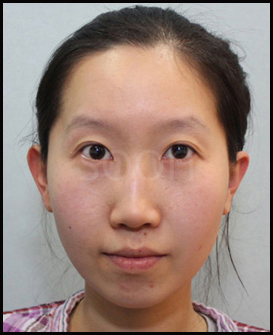
If the eyes protrude, lower canthoplasty increases the amount of eyeball exposure.
Therefore, the effect can be greater than in cases where the eyes are deeply set.
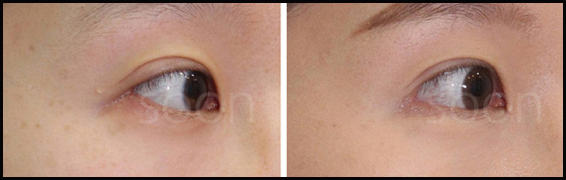
Cases where the effect of lower canthoplasty is smaller
CASE 1. When the outer corners are not high
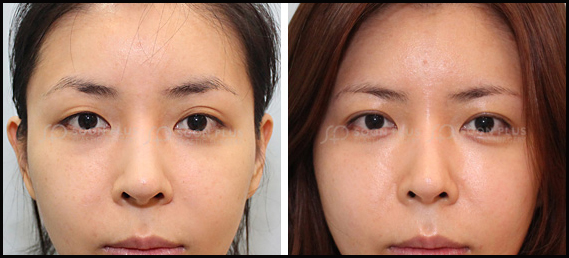
If the outer corners are not high,
they will only be lowered a little / or moved backward horizontally only.
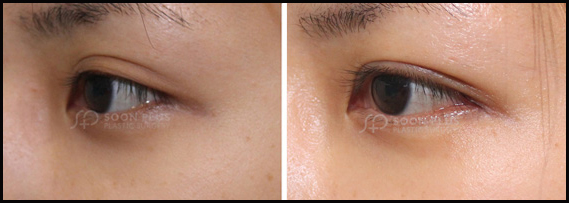
CASE 2. When the eyeballs are small
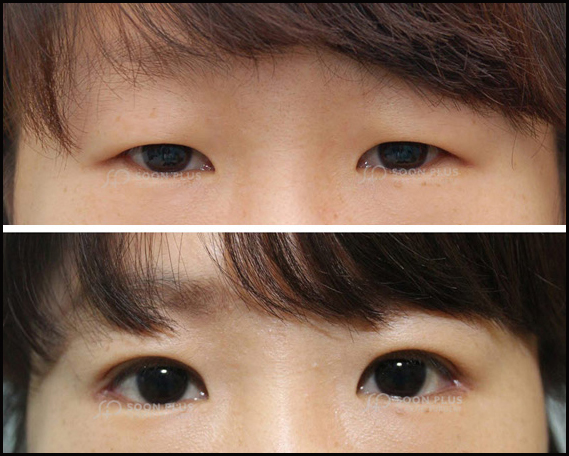
If the eyeballs are small, the amount of eyeball exposed through lower canthoplasty
becomes smaller, so the effect of lower canthoplasty may appear somewhat less than in cases with large eyeballs.
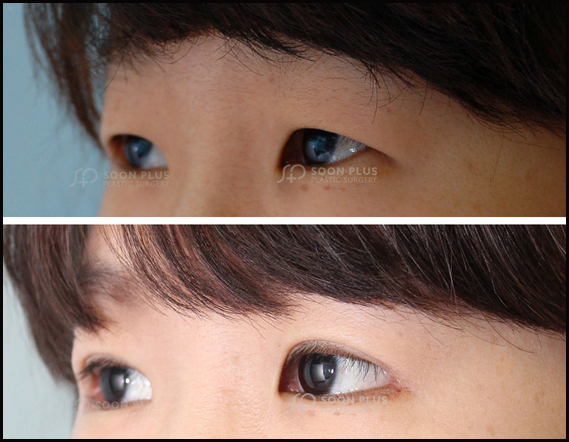
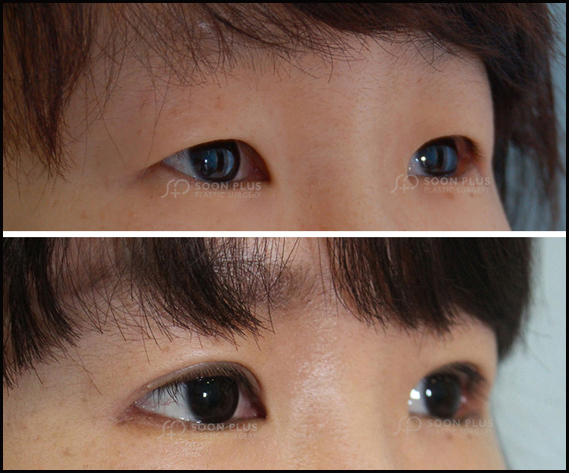
CASE 3. When the eyeballs are deeply set
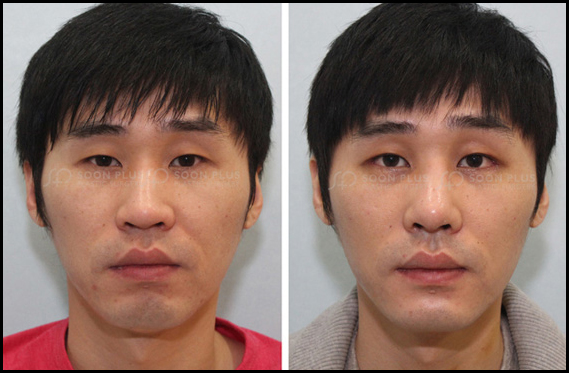
If the eyeballs are deeply set, less of the eyeball itself will be exposed through lower canthoplasty,
and if the outer corners are lowered too much, a large gap may form between the eyeball and the skin,
so the degree of lowering is kept small.
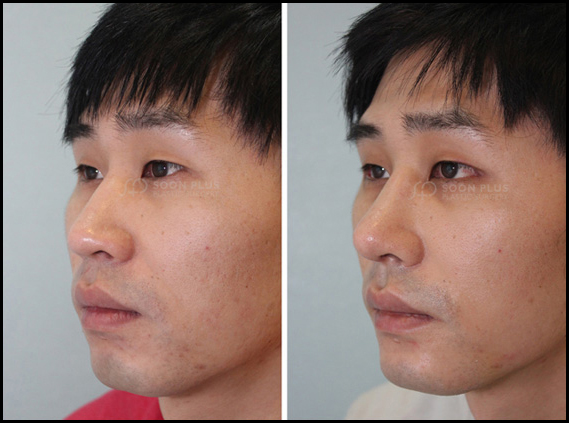
Although I explained the expected effect of lower canthoplasty through basic cases,
an accurate diagnosis and prediction require the medical staff to move the outer corners by hand and carefully check how much the eyes can widen,
and whether the outer corners can be lowered.