
To widen the horizontal length of the eyes and make the eye shape look larger and more defined, people consider medial canthoplasty.
When performed with the proper method based on each person’s eye condition,
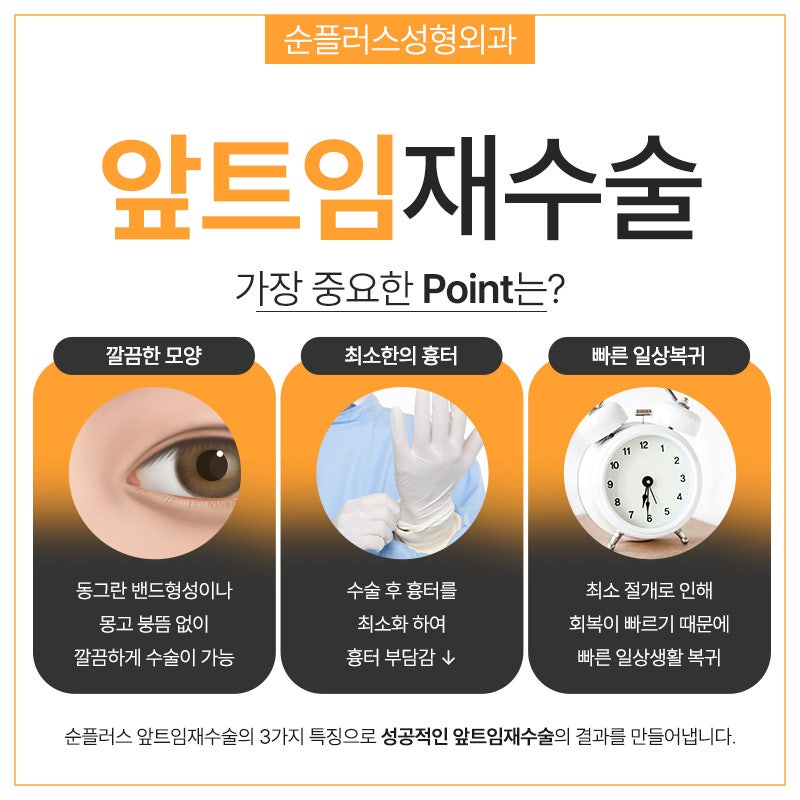
a clearer eye shape can be achieved,
which can improve satisfaction with the results.
However, if an improper design or plan is used, the outcome may be unsatisfactory,
or side effects such as scarring or asymmetry may occur, leading people to look into medial canthoplasty revision or medial canthoplasty restoration.
But during medial canthoplasty revision, concerns may arise, such as “What if it fails again?” or “Can the restoration be successful?”
Before and after medial canthoplasty, to prevent the same issues from recurring,
it is important to calculate the exact range.
By analyzing the amount of inner eye corner exposure and the shape of each patient’s inner eye corner,
a 1:1 customized design and 1:1 customized plan should be applied for the most suitable result for each patient.
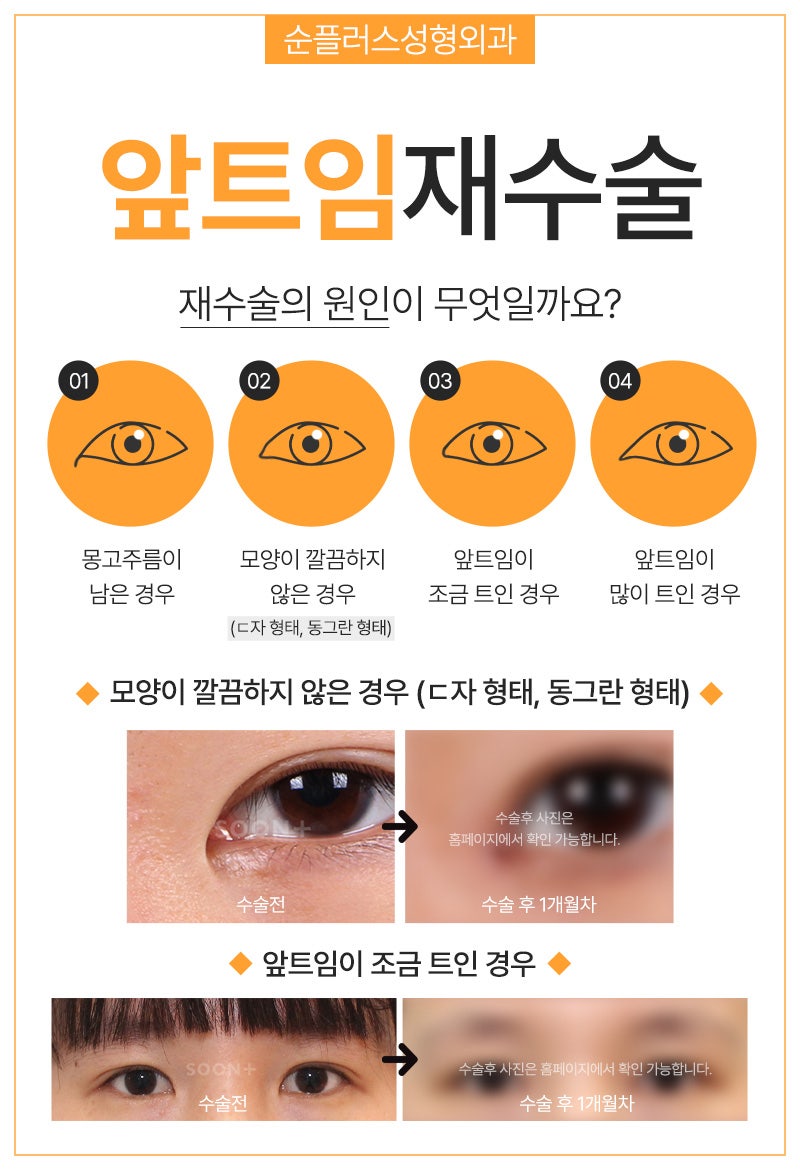
There can be many reasons for medial canthoplasty revision.
In some cases, medial canthoplasty was performed to remove the epicanthal fold, but the fold remains.
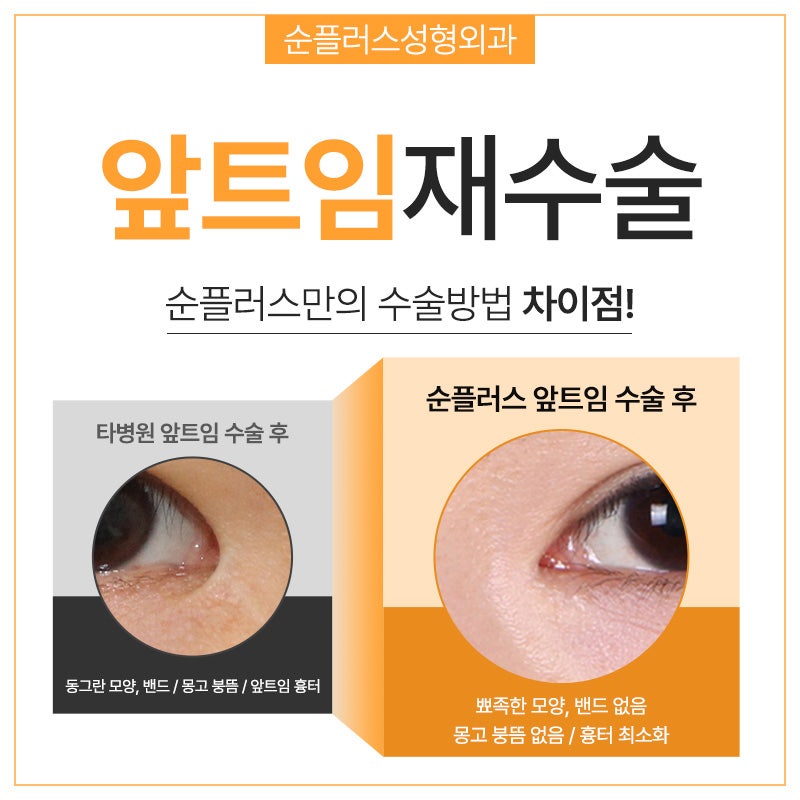
In other cases, the inner eye corner shape is not clean, appearing D-shaped or round.
Sometimes the inner eye corner was opened too little compared with expectations.
Conversely, it may have been opened too much.
There are also cases where scars formed at the inner eye corner after medial canthoplasty.
These are among the reasons people seek medial canthoplasty revision.

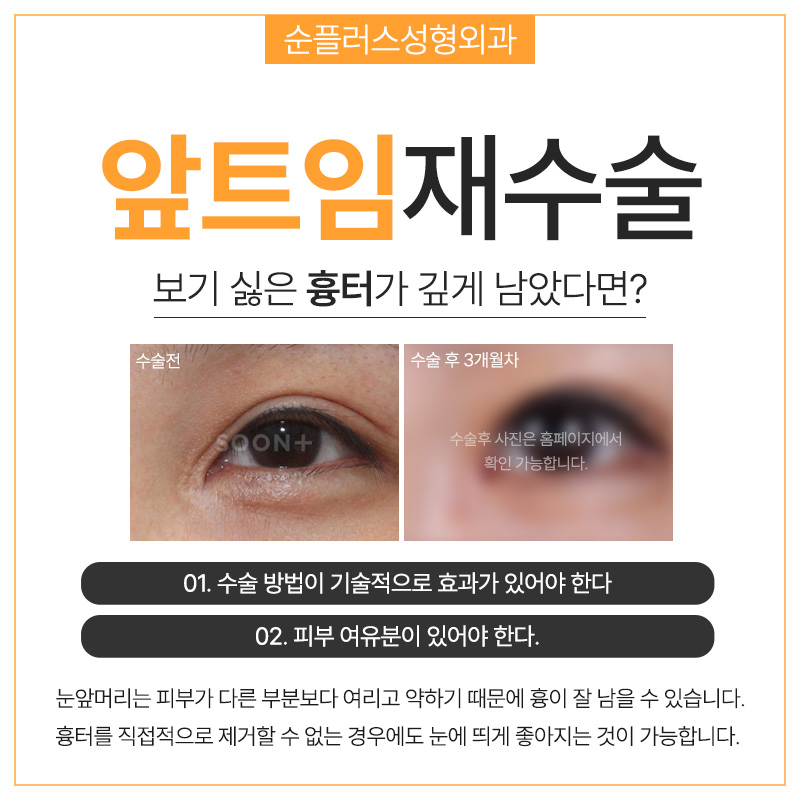
Because there are many different causes, the revision must be performed in a way that matches each case.
For this, consultation and diagnosis with a board-certified plastic surgeon who specializes in medial canthoplasty revision and restoration are very important.
Since a person’s eyes greatly affect the facial image by influencing first impressions,
it is especially important to decide on revision surgery carefully and thoroughly.
The cause of the revision should be examined closely, and whether revision is needed or restoration is needed should be determined through 충분한 consultation with medical staff who have extensive experience and expertise,
so that medial canthoplasty revision is performed in the most appropriate way for each individual.
Among medial canthoplasty revision cases, many people worry because their previous medial canthoplasty was opened too much.
In such cases, improvement through medial canthoplasty restoration may be necessary.
What should be understood here is that medial canthoplasty restoration is not simply about making the corner round again,
but should be performed so that a round band and Mongolian fold bulging do not appear.
Through medical staff who specialize in medial canthoplasty restoration, the medial canthus shape should be restored to a pointed form without bands,
without Mongolian fold bulging, and with minimal scarring from the restoration surgery.
Medial canthoplasty restoration surgery can also be divided into several categories.
It can include only reducing the inner eye corner exposure, scar correction, restoration surgery for eyes that have not had surgery, or cases where someone wants to open it again after restoration surgery.
Because it can be divided in many ways, we recommend visiting a specialized clinic and receiving detailed consultation.