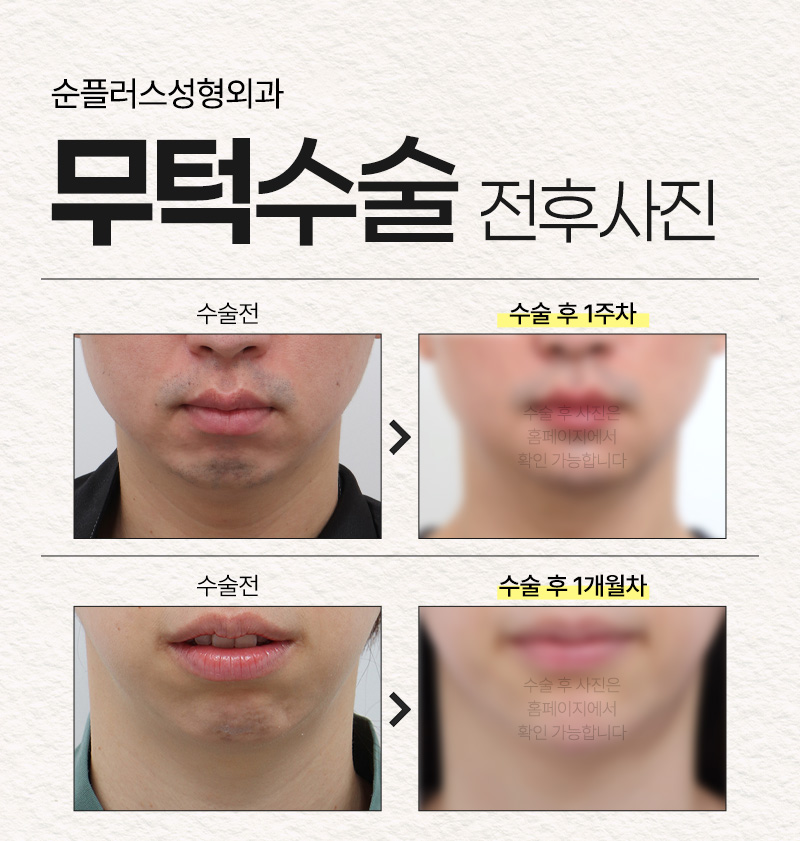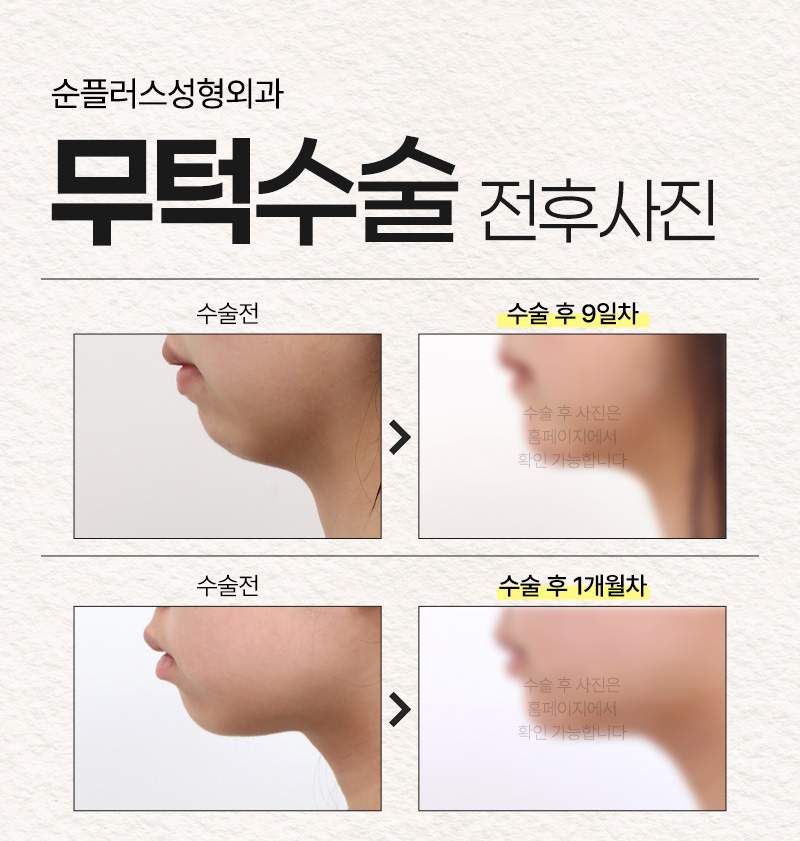
When people think of chin surgery, they usually think of a method that involves cutting the chin bone.
Of course, depending on the shape of the chin and the purpose of the procedure, the surgical method can vary, but if the chin is short or small,
and the lower jaw is positioned behind the upper jaw, chin surgery may be considered.
There are also different surgical methods for a recessed chin.
Representative options include chin advancement surgery and surgery using implants.
Because each surgical method has different advantages and characteristics, it is important to learn enough about them and make a careful decision.
To explain the characteristics, chin advancement surgery moves the bone forward, literally advancing the lower jawbone through osteotomy.
Chin surgery using an implant gives volume and length by inserting an implant of a size and shape suitable for each individual.

Recessed chin surgery using implants is diagnosed through sufficient consultation between the patient and the medical team,
and a 1:1 customized implant should be made by considering the most suitable implant size and shape based on the patient’s needs.
The completed implant is inserted through a minimal incision inside the mouth, creating a natural sense of volume and length,
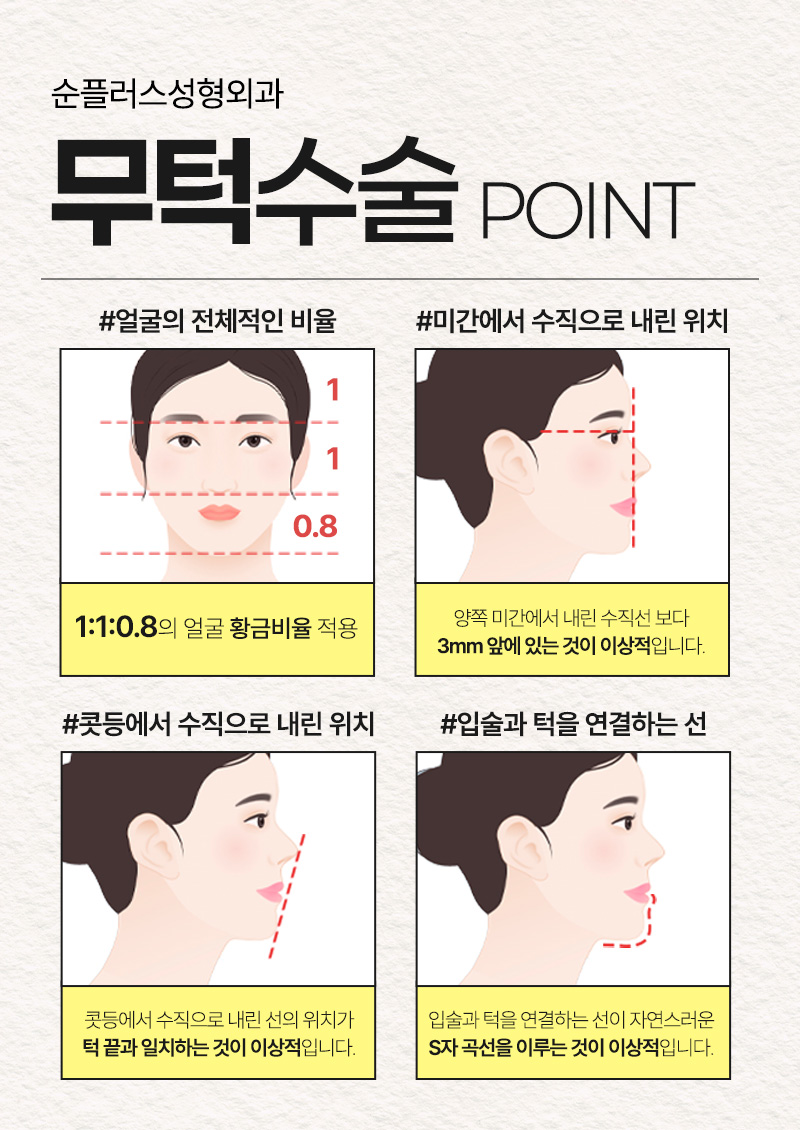
and aiming for a three-dimensional facial contour effect by enhancing facial balance and proportions.
In recessed chin surgery using implants, Gore-Tex implants may be preferred.
The implants mainly used in implant-based recessed chin surgery include silicone and Gore-Tex, but
even though Gore-Tex has the drawback of being slightly more expensive, it is preferred because it is easy to carve,
making it possible to create a 1:1 customized implant.
In the case of silicone implants, they are already manufactured in advance, so there is no time required to make the implant,
which has the advantage of allowing the procedure to proceed more quickly.
Gore-Tex is carved before surgery by the medical team according to the patient’s chin shape, so the surgery takes a little longer,
but with a properly fitted implant, it can stay in place without separate fixation and is expected to create a more natural chin effect.

Because recessed chin surgery such as chin advancement surgery involves osteotomy, recovery may be slower,
but implant-based recessed chin surgery is performed through a minimal incision inside the mouth, so there may be less bruising or swelling on the outside and recovery time may be faster.
In addition, the tape applied to the chin for implant fixation can be removed the day after surgery,
allowing face washing and makeup, so you can return to daily life quickly.
It is also performed through a minimal incision, which means that regular meals are possible rather than a liquid diet,
so it does not place a burden on the recovery period, allowing even busy modern people to improve a short, small chin or recessed chin over a weekend.
(However, in the early stages after surgery, hard or chewy foods may affect recovery, so it is best to avoid them.)
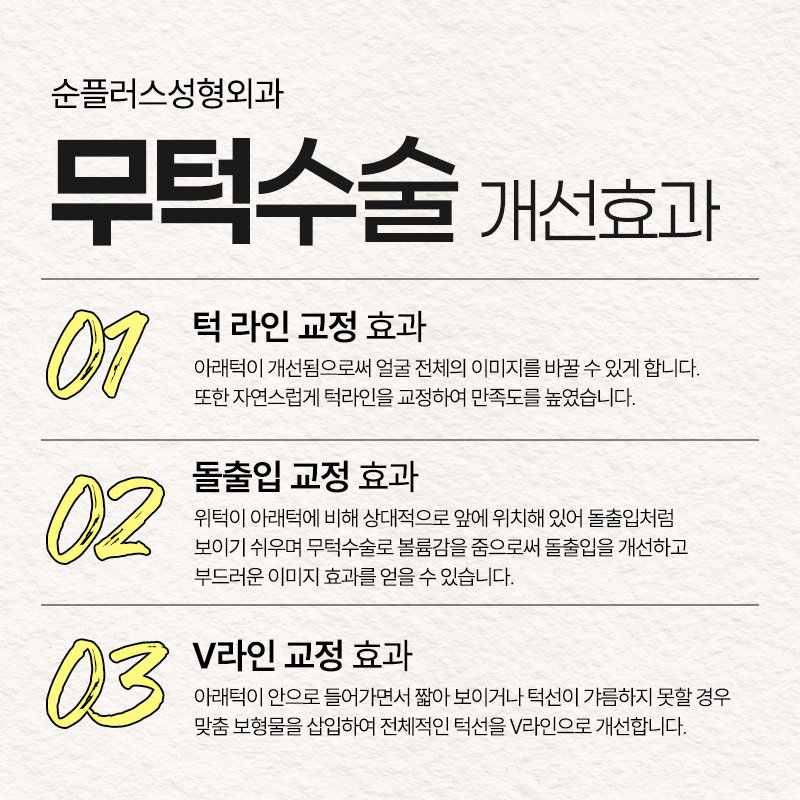
Looking at people who want to improve a recessed chin, in most cases the lower jaw is underdeveloped compared to the upper jaw.
Because of this, the mouth may appear relatively protruded, making the face look pouty.
Such an impression can also be seen as a negative image in social activities,
so people may want to improve a recessed chin to achieve a change in their impression.
Rather than simply improving the shape of the chin, you can expect various effects from the procedure, such as improving your impression through changes in the chin
and improving facial balance and proportions, so when considering recessed chin surgery,
it is very important to learn enough about it and make a careful decision.