
As skin elasticity and volume decrease with age, the face loses its contour and the overall impression can look tired.
In such cases, the procedure often regarded as a fundamental solution is a facelift.
Rather than simply pulling the skin, it is a delicate surgical procedure that lifts the fascial layer, which is the cause of sagging, and is a method used to expect a more youthful-looking face.
A facelift is a surgery that fundamentally improves sagging skin, nasolabial folds, sagging jawlines, and cheek fat by improving the deep layers of the face.
For moderate to severe sagging that is difficult to improve with lasers or thread lifting, a facelift can be expected to provide improvement.
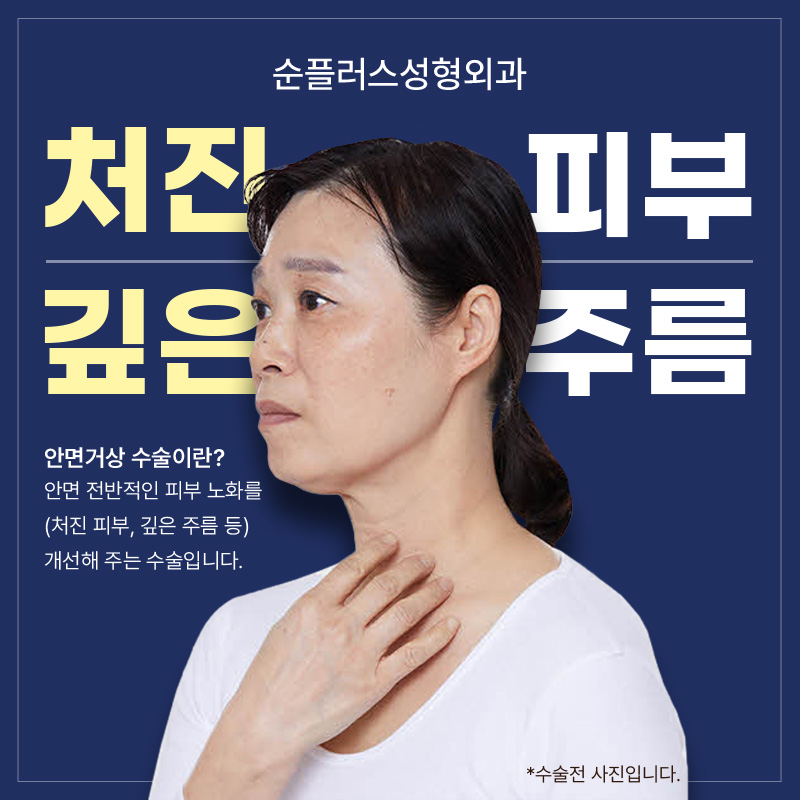
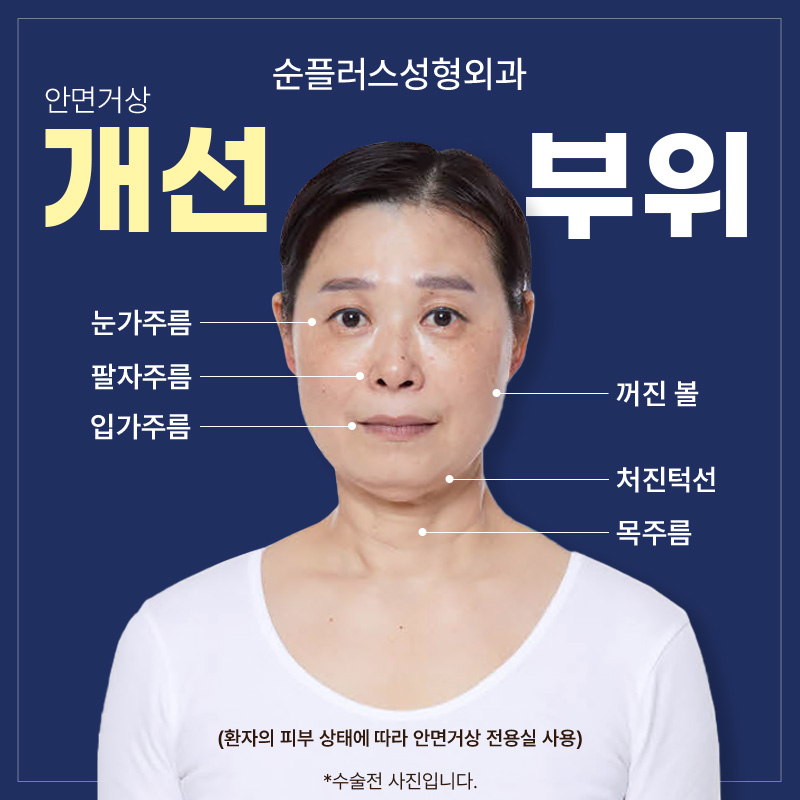
There are several key points to check when choosing a place that does facelifts well.
First, a facelift is not a simple lifting procedure but a highly advanced surgery, so it requires the skilled technique of a board-certified plastic surgeon who thoroughly understands facial anatomy.
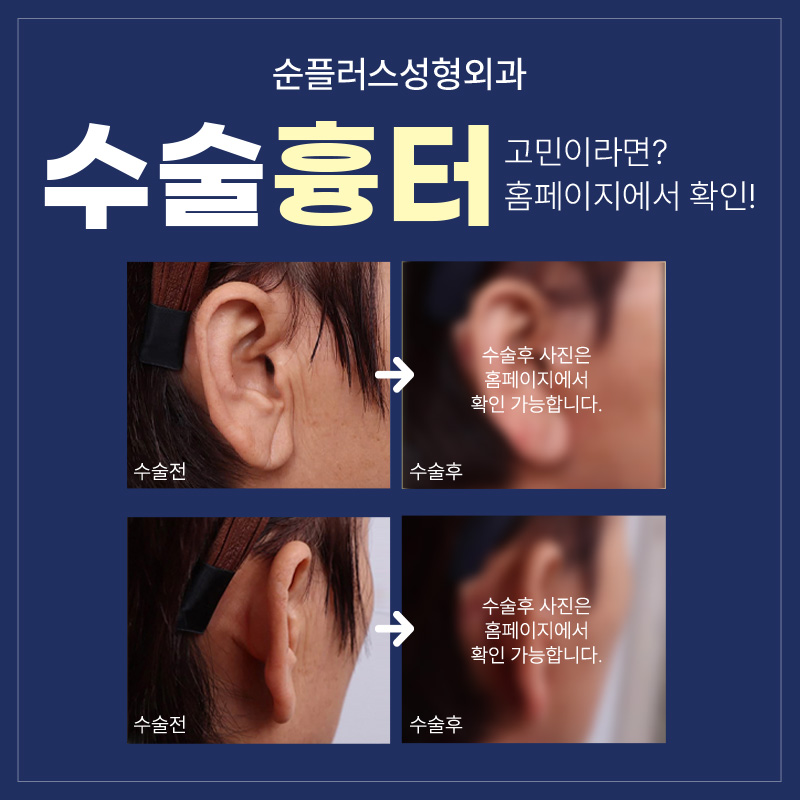
It is best to choose a clinic with extensive cases and enough before-and-after photos openly available.
Also, the area of sagging and face shape differ from person to person. Therefore, a customized facelift design that matches each person’s facial structure, skin thickness, and elasticity is important.
A delicate approach is needed to create a natural and soft facial line rather than simply focusing on strong pulling.
Because a facelift involves incisions, post-surgery care can also have a major impact on the results.
Choosing a place with a systematic aftercare system, such as laser care and swelling management, helps minimize scarring and support faster recovery.

At a place that does facelifts well, a variety of lifting methods may be performed in addition to a facelift depending on the individual’s facial structure and degree of sagging.
A facelift, which lifts the entire face extensively, is applied when the cheeks, jawline, and even the neck are sagging, and it aims for a strong lifting effect that pulls up to the fascial layer.
A mini facelift, which has a smaller incision range and a faster recovery, is suitable for cases with not much sagging or for the early aging stage in the late 30s to early 40s, and compared with a facelift,
it can naturally refine the facial line with a shorter incision.
In addition, when the degree of sagging is small and the person is relatively young, thread lifting or laser devices can be used to tidy up a stretched and sagging facial line.
A facelift is evolving not as a surgery that simply pulls the skin, but in a direction that makes you look naturally younger.
To keep your expressions from looking unnatural and maintain an impression that still feels like you, you need to choose a place that does facelifts well and can perform delicate surgery while minimizing damage.