
Even after resting, fatigue does not go away easily, recovery feels slower than before, and even small tasks leave the body feeling drained...
Lately, many people may be experiencing these kinds of changes.
Rather than simply brushing it off as “just because I’m getting older,” one of the care options that has recently become more popular and is seeing more consultations is stem cell intravenous injection.
Let’s take a look at what stem cell intravenous injection is and what kind of effects it may have for different people.

First, stem cells are cells in our body that have the ability to repair damaged tissues and differentiate into new cells.
Stem cell intravenous injection is a method of injecting these stem cells into the body through a vein so they are delivered throughout the body via the bloodstream.
It may differ from simply supplementing vitamins or nutrients in that it is a care method aimed at improving the body’s overall recovery environment itself.

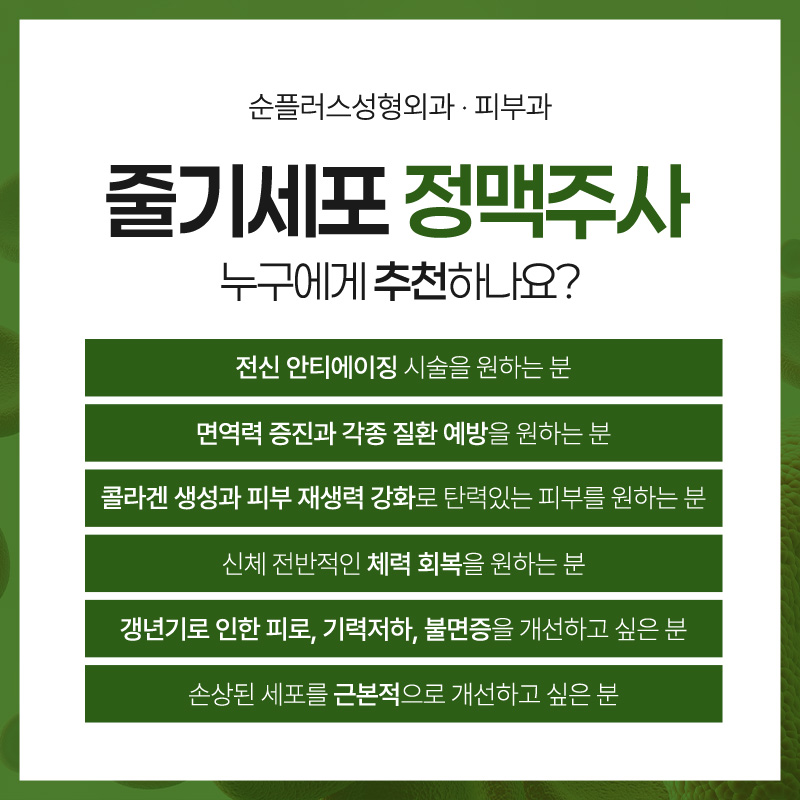
In cases where chronic fatigue lasts for a long time
In cases where recovery feels slower than before
In cases where immunity seems to have declined and minor illnesses happen often
In cases where someone wants to manage physical stamina and anti-aging care at the same time
In cases where recovery care is needed after surgery or a procedure, and more, people are showing interest in stem cell intravenous injection.
In particular, many people in their 30s to 50s are interested because they want to restore their condition to how it used to be.
The difference between stem cell intravenous injection and general fatigue recovery injections is that
it is approached as a care method with the goals of improving the cellular activation environment / managing overall body condition balance / managing immune balance / easing signs of aging.
Visible changes are important, but the biggest difference is that it is a concept of managing the body’s internal condition and recovery ability itself.
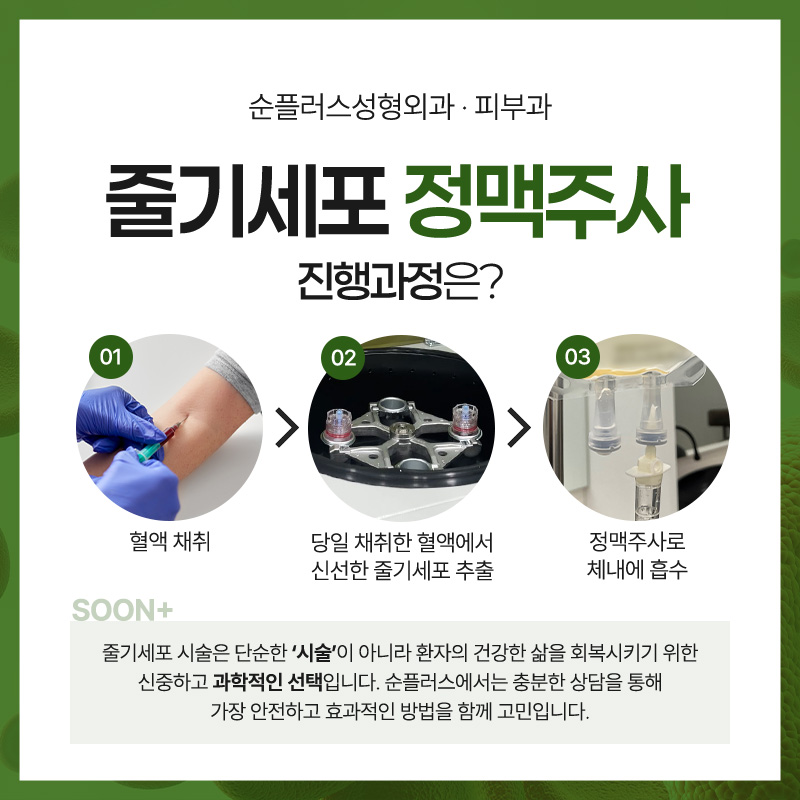
The number of stem cell intravenous injection sessions varies greatly from person to person, and the time at which results are felt also differs depending on condition.
Usually, rather than solving everything with just one session, it is better to observe the body’s response and decide the number of sessions through close consultation with medical staff.
Also, depending on underlying conditions, immune status, or medications being taken, caution may be needed, so pre-checkups and consultation with medical staff are important.
Because stem cell intravenous injection is a transplant method through a vein, returning to daily life is generally quick,
but depending on the individual’s condition, rest may still be necessary.
As with any care, the most important thing is to have enough consultation and choose the correct procedure method based on whether it is suitable for your body and which approach is appropriate.
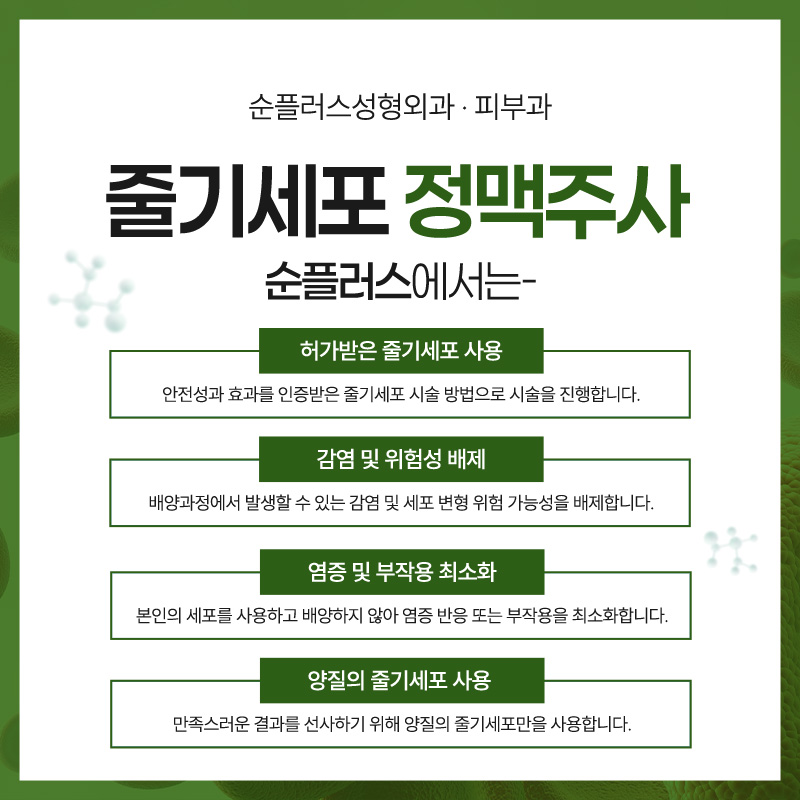
Stem cell intravenous injection is not simply an injection to get when you are tired; it is a medical approach to managing the body’s recovery system,
so a more careful and accurate understanding is needed.
If you often think, “My stamina is not what it used to be” or “Recovery is too slow,” rather than just letting it pass,
it may be one option to look for a care method that suits your body through consultation with specialized medical staff.