Upper eyelid surgery is not simply a procedure for lifting drooping eyelids; it is closer to a functional and structural eye surgery that comprehensively evaluates the eyelid skin, muscles, fat, and lifting strength to improve them.
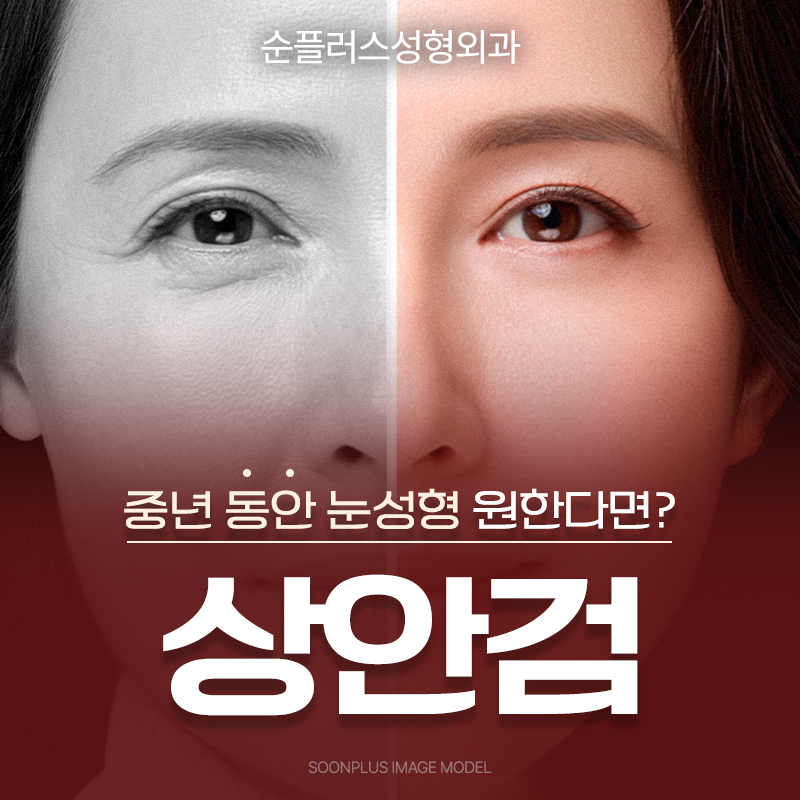
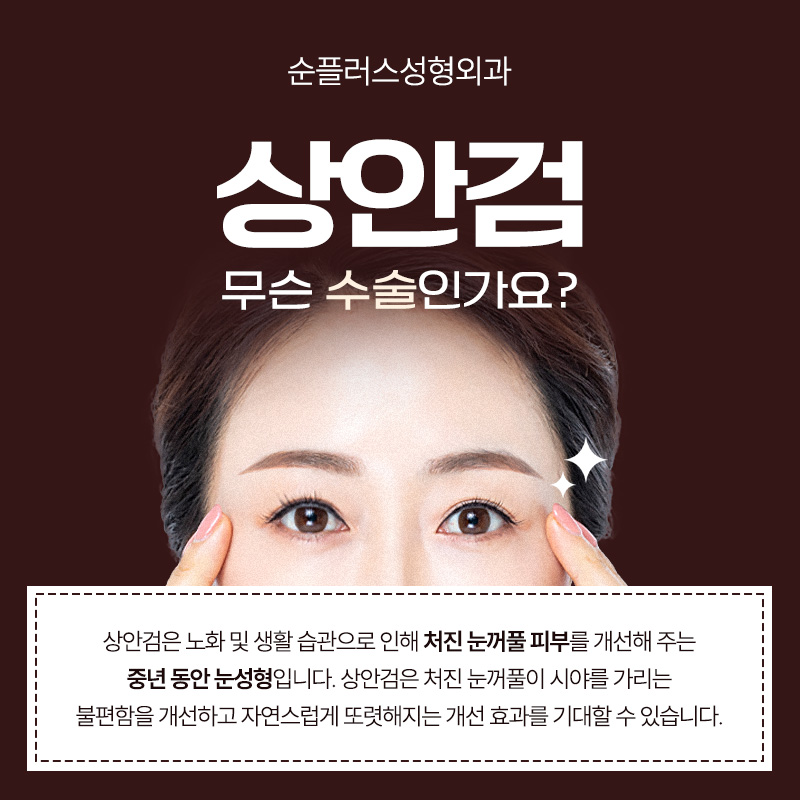
It is commonly known as surgery to lift drooping eyelids, but because it evaluates the eyelid skin, muscles, fat, and lifting strength comprehensively, it can be said to be more of a functional and structural eye surgery.
Simply approaching it by removing skin is unlikely to produce satisfying results, and the plan can vary depending on each person’s eye structure and aging pattern.
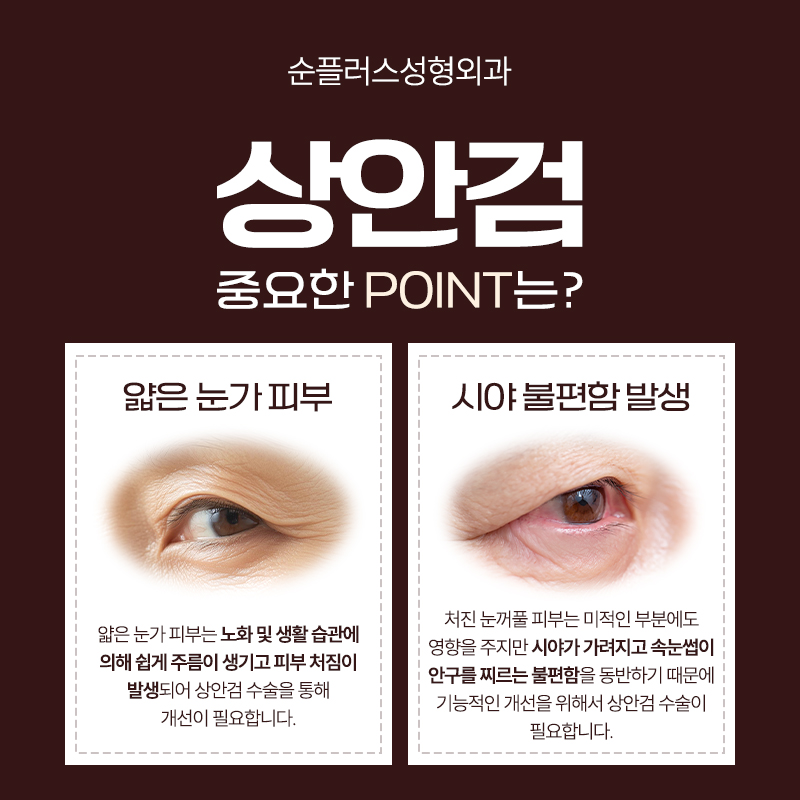
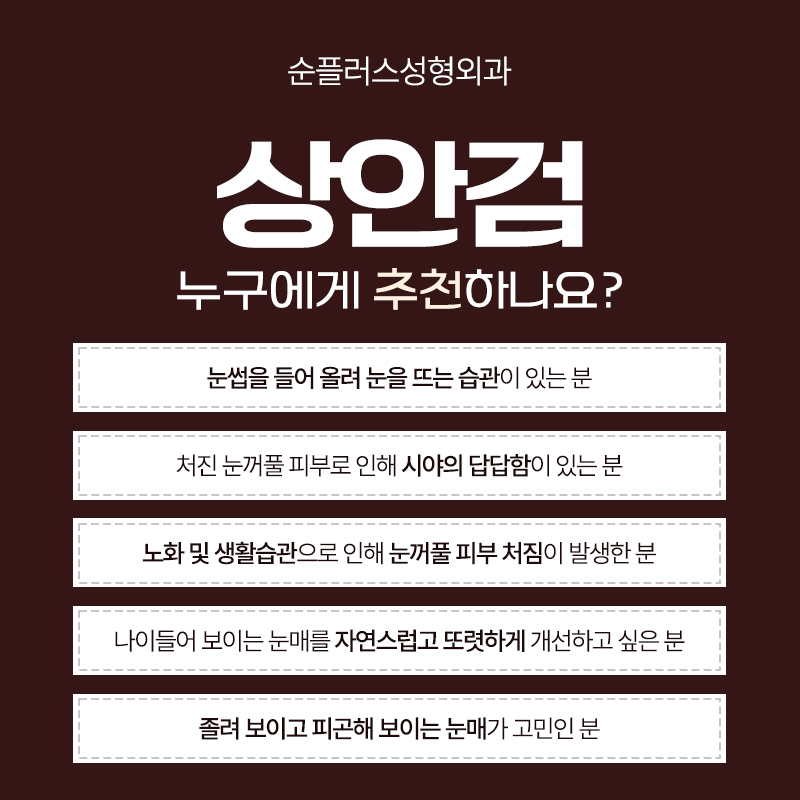
One of the most common reasons people seek upper eyelid surgery is drooping eyelids due to aging, but there are other cases as well:
When the eyelid skin covers the eyelashes and blocks the field of vision
When you use your forehead muscles to open your eyes, causing forehead wrinkles and headaches
When you feel stressed because you look sleepy or tired
When a double eyelid crease has loosened or the line has become unstable
In these cases, upper eyelid surgery may be necessary.
In other words, upper eyelid surgery may be appropriate not only for cosmetic purposes, but also for improving vision and restoring eye function.
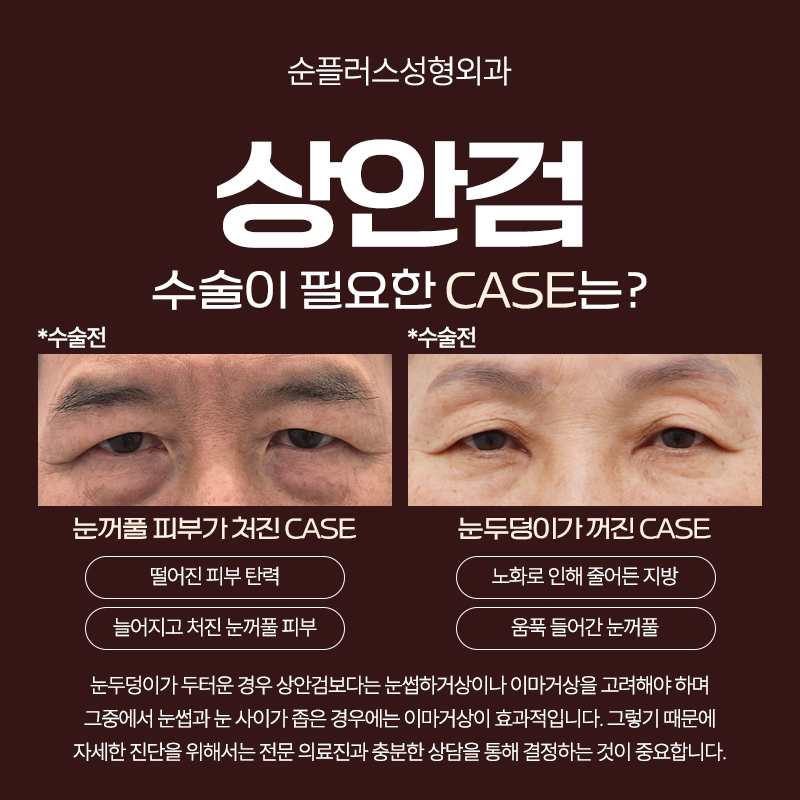
Upper eyelid surgery removes stretched upper eyelid skin and unnecessary fat,
and, when needed, corrects the muscles that open the eyes to create a clearer eye shape.
Depending on the condition of the individual’s eyes and the degree of skin laxity,
if there is an existing double eyelid crease, the line should be preserved naturally,
and even if there is no double eyelid crease, the improvement should not be excessive,
so personalized design and planning should be applied to increase satisfaction.
The effects that can be expected after upper eyelid surgery include:
A sharper appearance through improvement of drooping eyelids
Reduced eye fatigue by securing the field of vision
A more natural expression through reduced use of the forehead and eyebrows
A younger-looking appearance than the actual age
Above all, the goal is naturalness, so after upper eyelid surgery the face should not look harsh, but should change to a softer impression.
You may think that the more drooping eyelid skin is removed in upper eyelid surgery, the clearer the eyes will look, but excessive removal can instead cause various problems.
For example, side effects such as an overly upturned appearance, not being able to fully close the eyes, and structural damage that makes revision surgery difficult can occur, so rather than focusing on the amount of skin removed,
it is necessary to carefully assess the direction and thickness of the stretched skin, the location of unnecessarily protruding fat, and whether the function of the muscles that open the eyes has declined, and then proceed safely with the procedure.
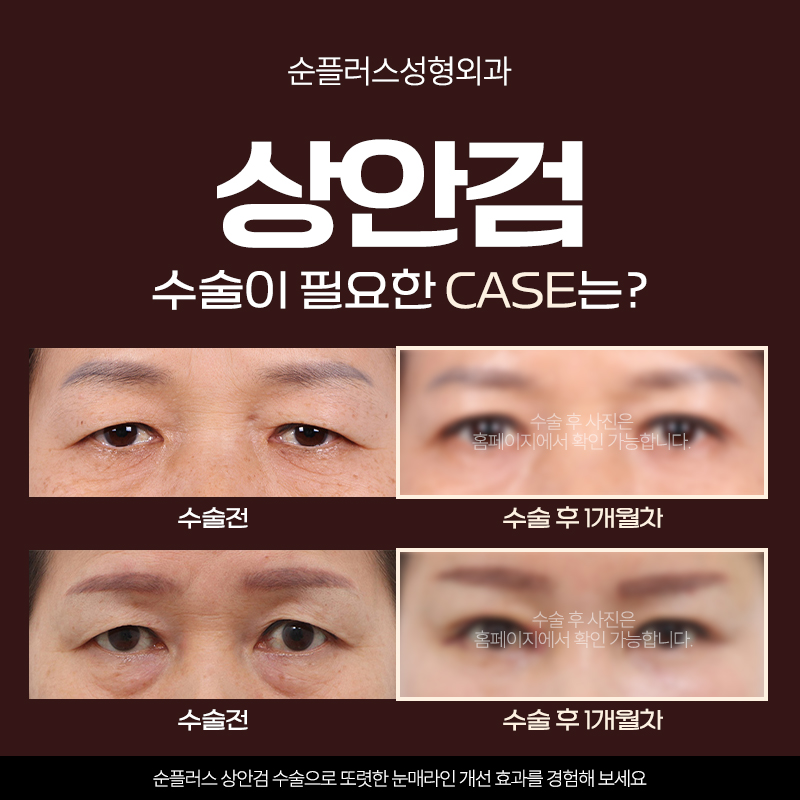
Upper eyelid surgery is not simply a procedure to remove skin; it is a surgery that must consider both eye function and appearance.
Therefore, it is important to decide on the surgical method that suits you through sufficient consultation.
If you are concerned about drooping eyelids, start by getting an accurate diagnosis of your current eye condition.