
The nose, located at the center of the face, is one of the key features that shapes your impression.
Because it is an important element that determines harmony with the eyes, forehead, and mouth, even a small change can alter the overall image.
Recently, the trend has been shifting toward rhinoplasty that is not simply about making the nose higher, but about achieving a natural look that fits the proportions of the face.
In relation to this, we will talk about various topics such as the types of rhinoplasty, surgical methods, materials, recovery process, and side effects.
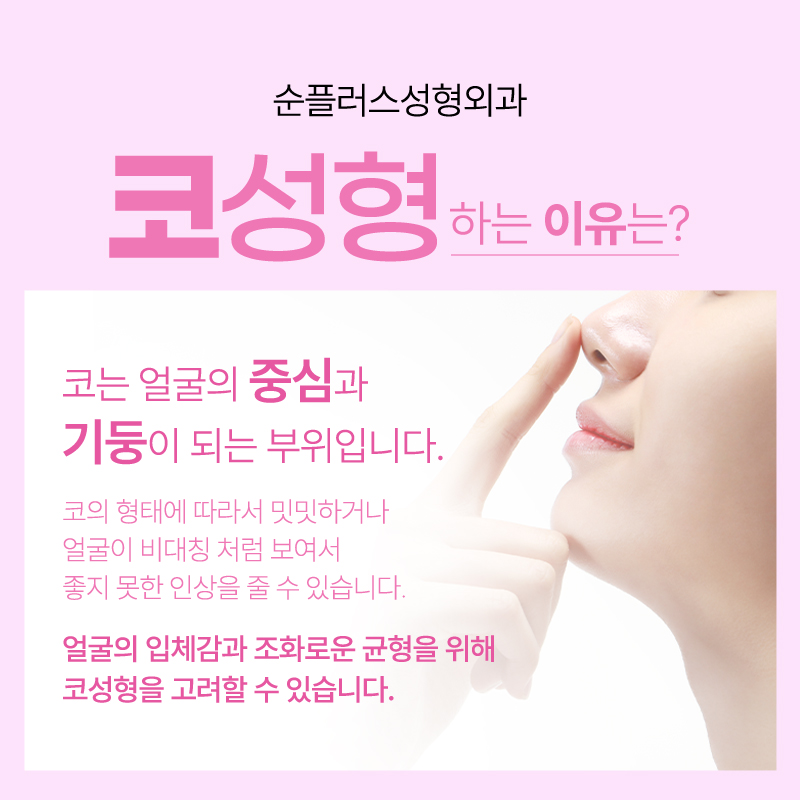
First, let’s look at the cases where rhinoplasty may be needed.
A low nasal bridge / a blunt nasal tip / a hump nose / a crooked nose / a bulbous nose / a nose that needs revision surgery / functional problems are some of the reasons someone may consider rhinoplasty.
Nose surgery is performed not only for aesthetic purposes but also for functional improvement.
In particular, when nasal congestion or structural problems are corrected together, satisfaction may be higher.
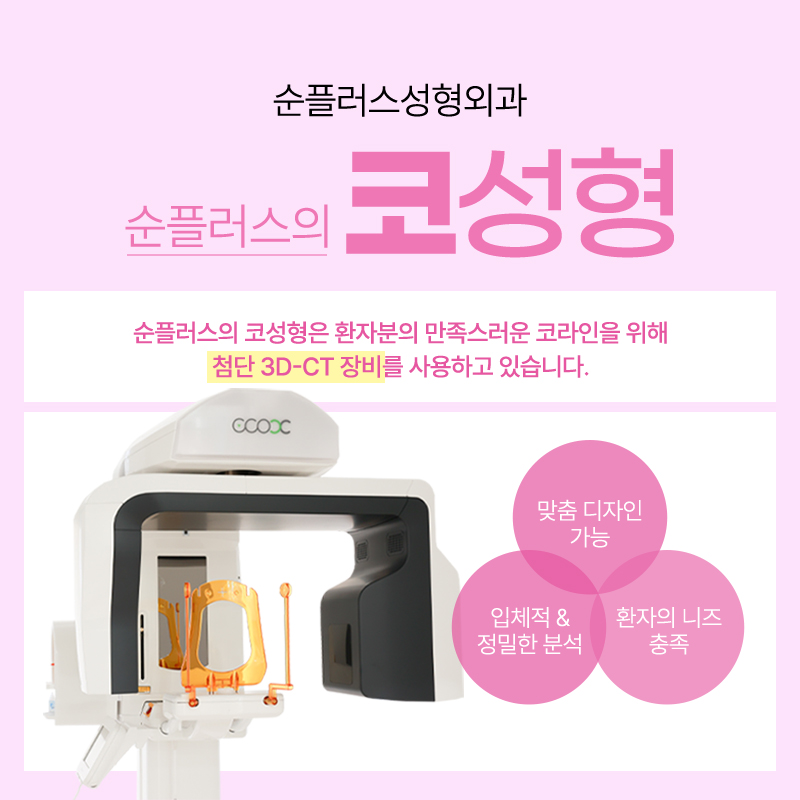
For a more detailed diagnosis, it is necessary to visit a clinic, undergo 3D-CT imaging, and receive a diagnosis through 충분한 상담 with the medical staff, then apply the rhinoplasty method that matches the findings.

The types of rhinoplasty include:
- Nasal bridge augmentation: the bridge is raised using an implant (such as silicone).
It is important to create a line that flows naturally from the forehead.
-
Nasal tip surgery: autologous cartilage (septal cartilage, ear cartilage), rib cartilage (autologous rib, donated rib), and similar materials are used to raise and shape the tip.
-
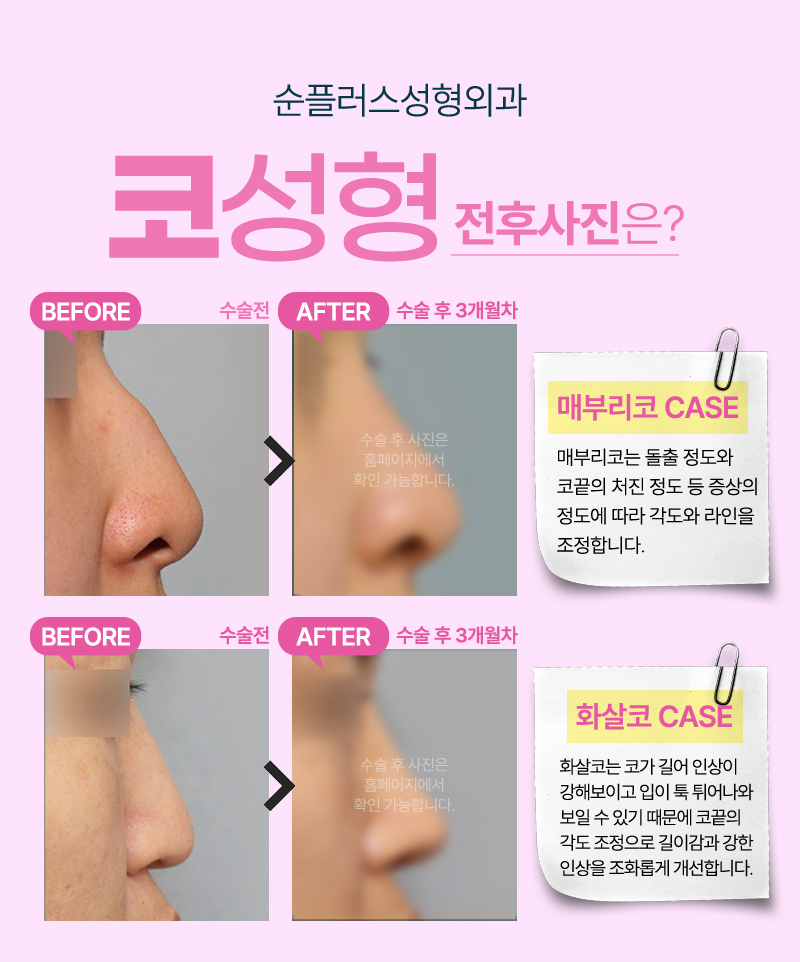
Hump nose correction: the protruding nasal bone is refined and the line is smoothed.
-
Bulbous nose correction: cartilage is repositioned and the tip is made slimmer to create a more refined image.
-
Crooked nose correction: the nasal bone and septum are straightened to improve both function and appearance.
The representative medical material used in rhinoplasty is a silicone implant, and in addition, Gore-Tex and autologous cartilage can also be used.
In the case of silicone implants, shape maintenance is relatively stable, which is why they are commonly used.
For Gore-Tex, tissue adhesion is natural, and autologous cartilage has the advantage of allowing a natural-looking nasal tip.
As for the recovery process and precautions after rhinoplasty, swelling and bruising occur immediately after surgery, and the major swelling decreases within about a week.
After about one month, the result gradually looks more natural, and after six months, the remaining swelling decreases and the final line can be expected.
The nose is a part of the body where swelling lasts a long time, so it is important not to rush.
In the early stage after surgery, it is good to pay attention to swelling and bruising management through cold compresses and warm compresses, and light walking helps reduce swelling.
After suture removal following rhinoplasty, you can wash the nose directly, and wearing glasses or sunglasses is possible after one month.
Drinking, smoking, sauna use, and vigorous exercise are possible after four weeks following rhinoplasty.
Especially during the first month, when the nose shape is settling, it is important to avoid impact to the nose, take the prescribed medication faithfully, and follow the precautions provided by the clinic.
In the case of rhinoplasty side effects, which many people worry about, 대표적으로 inflammation, implant visibility, asymmetry, and contracture may occur.
To help prevent side effects, it may be important to have a thorough consultation with a board-certified plastic surgeon who has extensive experience and know-how in rhinoplasty, and to choose a clinic equipped with specialized devices for rhinoplasty.
In addition, side effects can be prevented by carefully following postoperative precautions.
For natural-looking rhinoplasty, the overall proportions of the face should be considered, and the result should harmonize with the forehead, mouth, and chin, as well as the design of the nasal tip angle and the thickness of the skin.
It is not simply about making the nose higher, but about completing a nose that suits the face well. Since the method may differ depending on the individual’s face shape, skin thickness, and existing nasal structure, sufficient consultation and an accurate diagnosis must come first.