Hello, I am Shin Seung-hwan, the director of Yonsei U-Line Dental Clinic.
When you look at an elderly person who has lost all of their teeth due to advanced age,
you can see that the lower jaw has moved upward toward the upper jaw.
This gives the face a different impression than it had when the person was younger.
Today, let’s take a look at why these changes occur.
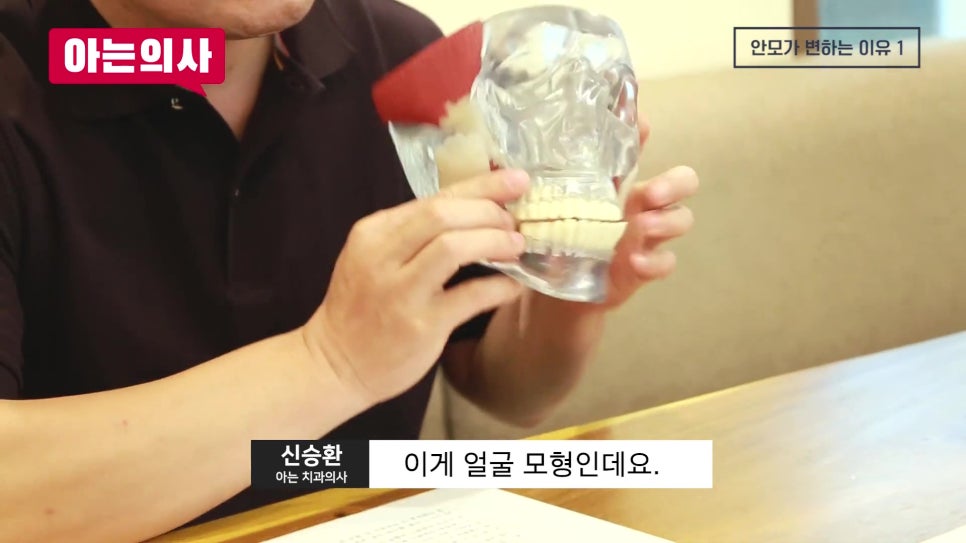
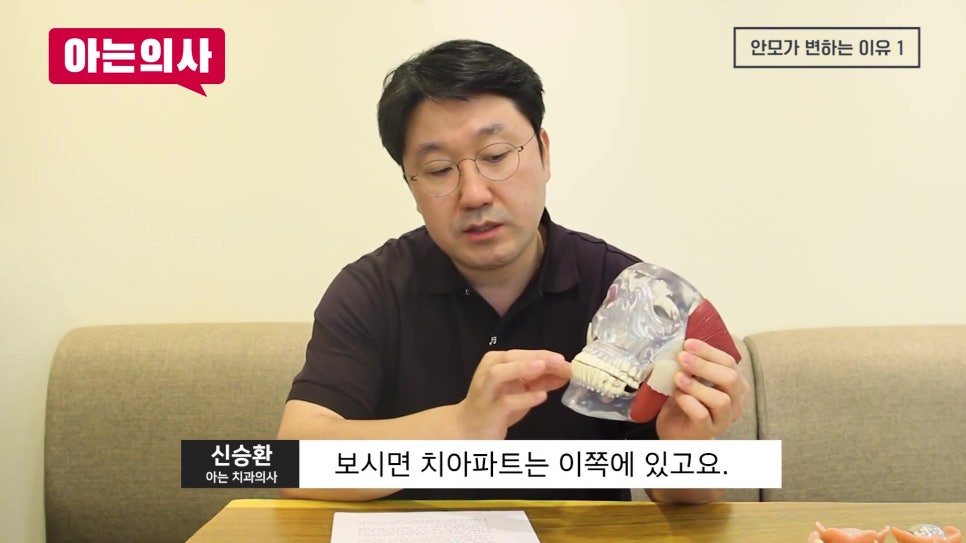
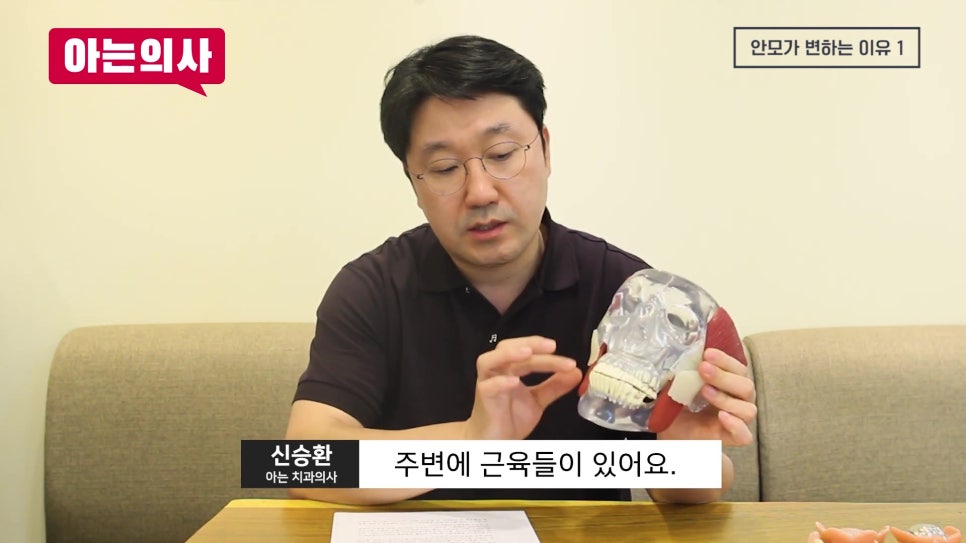
In the model I prepared, you can see the muscles surrounding the teeth.
These muscles help maintain the shape of the teeth and face.
One of these muscles is the masseter muscle.
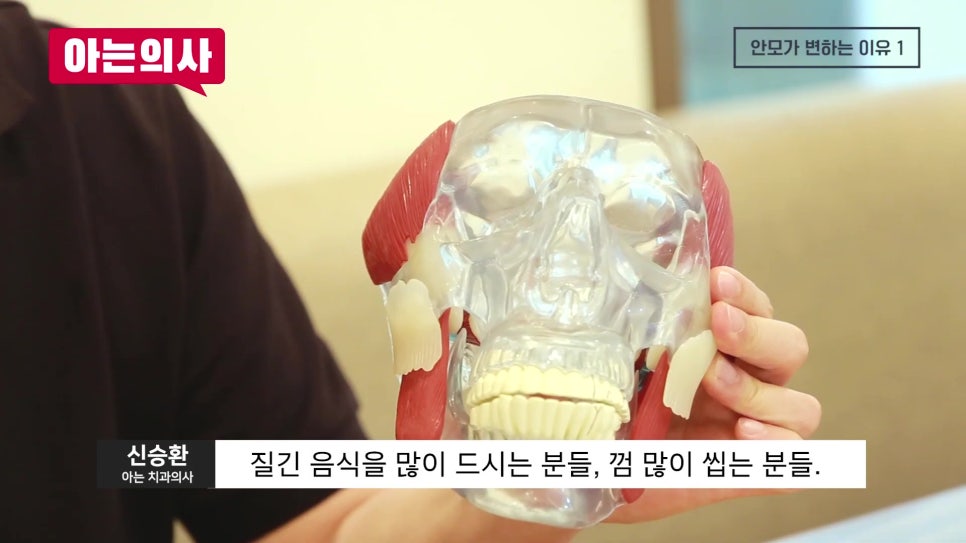
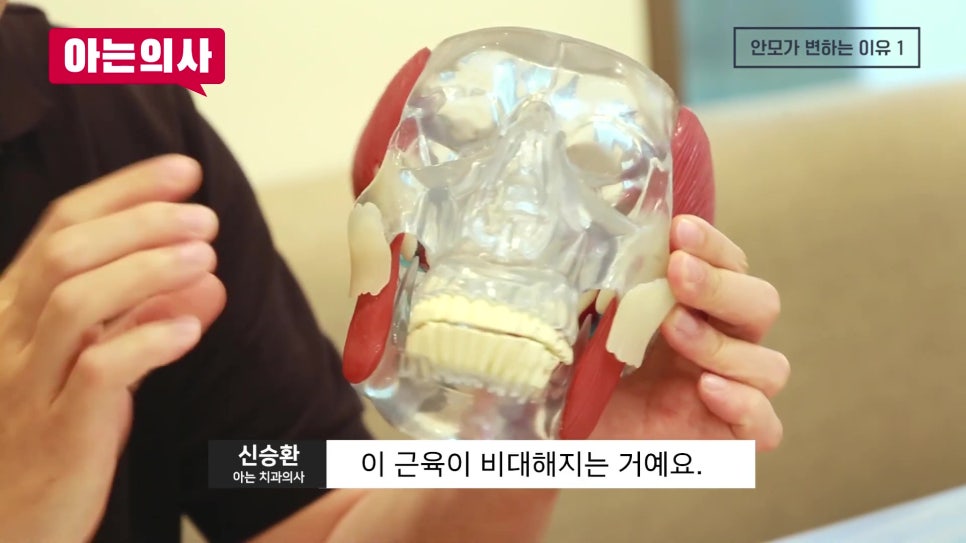
People often say that eating tough foods such as squid can create a square jaw.
The muscle responsible for the development of that square-jaw appearance is the masseter muscle.
Just as exercise enlarges muscles, chewing a lot can enlarge the masseter muscle,
making the jaw look more square.
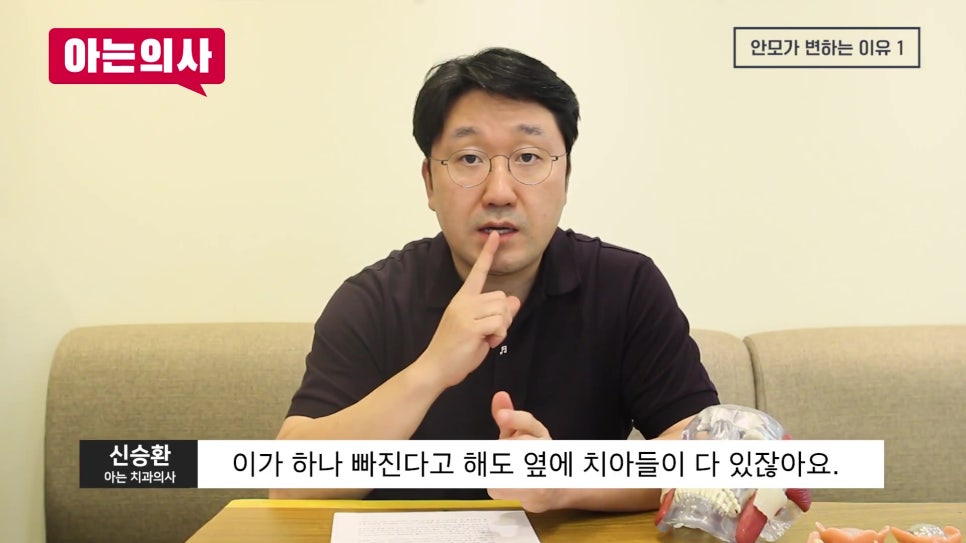
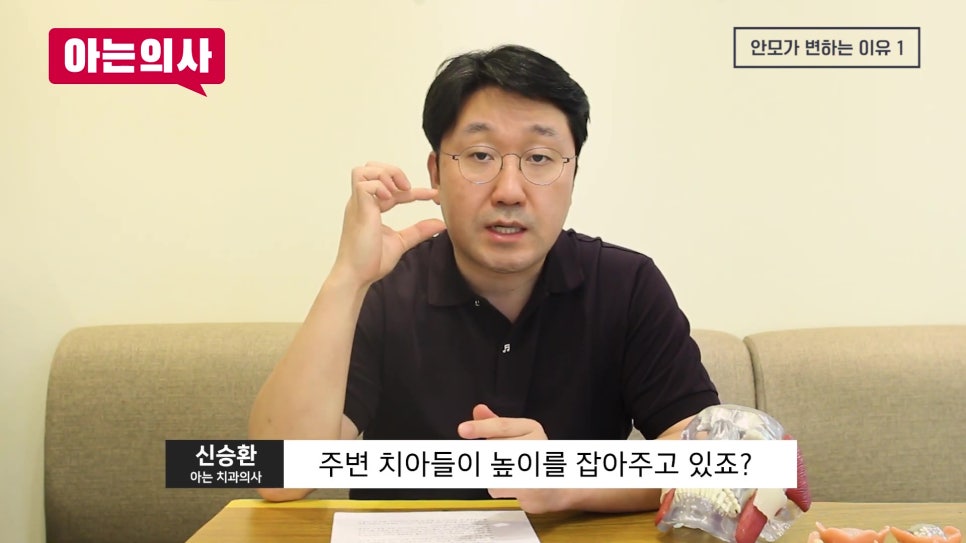
Whether teeth are extracted due to gum disease or aging,
let’s assume that teeth have been removed for any reason.
If many teeth remain,
there is no noticeable change in the face.
This is because the occlusal vertical dimension, which refers to the height used for chewing, does not change.
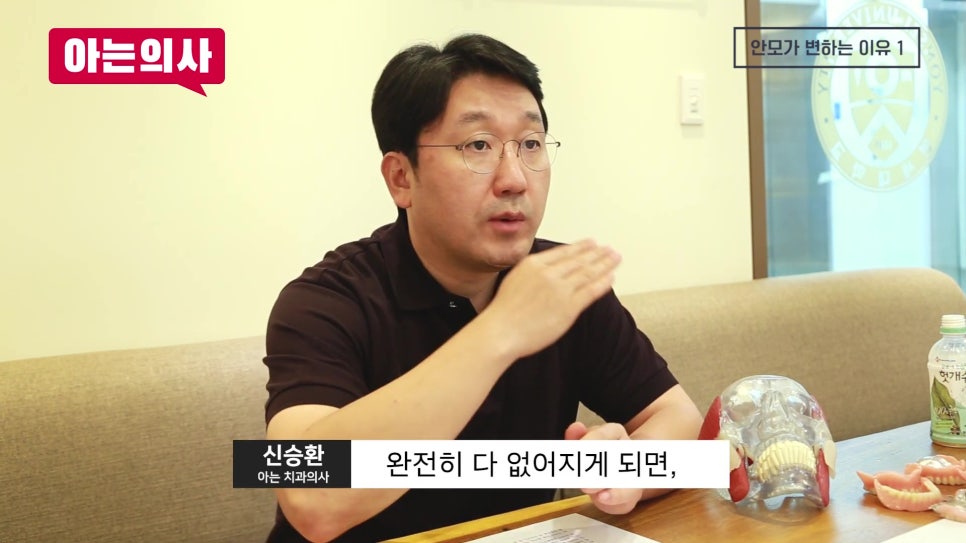
In other words, removing one or two teeth does not significantly change the facial appearance.
However, when almost all the teeth are removed, the occlusal vertical dimension can no longer be maintained.
As it collapses, the lower jaw moves upward.
You may have often seen in the media, or among older people around you,
the lower jaw moving upward after dentures are removed.
The teeth should maintain the facial height, but when they can no longer do so,
the lower jaw moves upward.
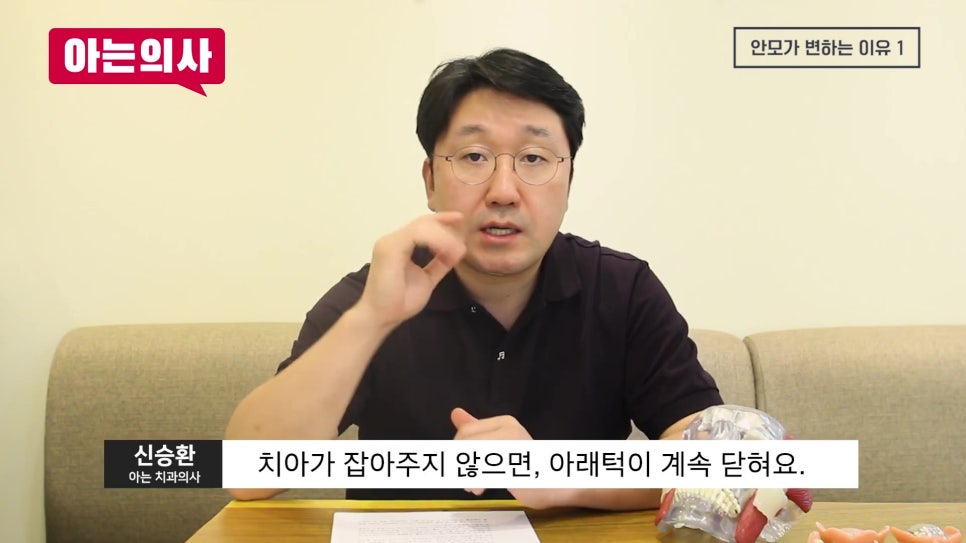
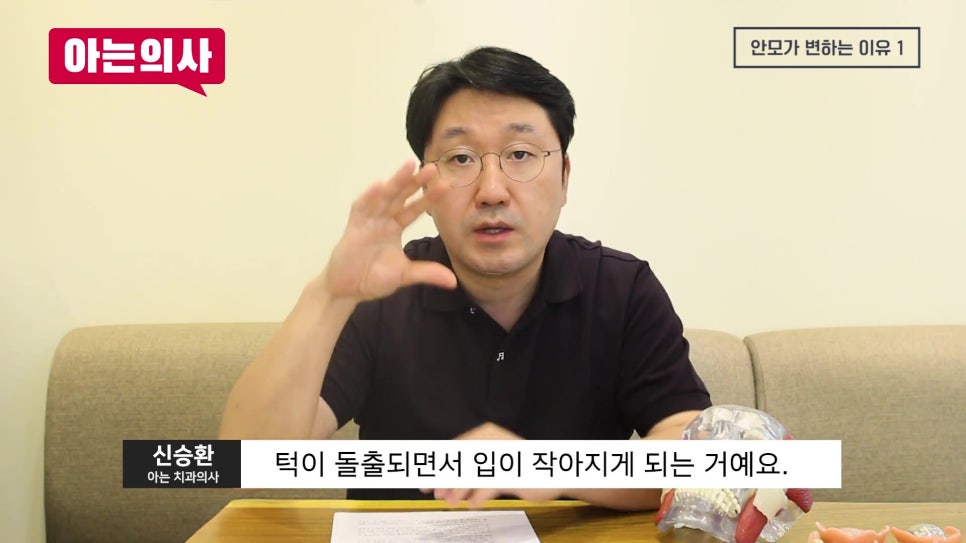
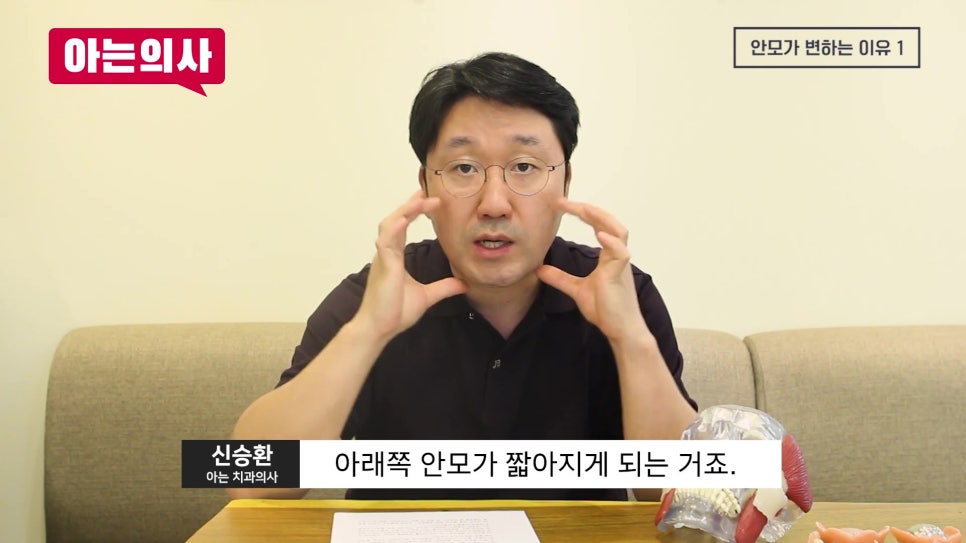
When the occlusal vertical dimension collapses in this way, the face changes.
Because the teeth no longer provide support, the lower jaw continues to move upward
and also moves forward.
The jaw becomes more prominent, while the mouth gradually becomes smaller.
Even if the upper part of the face does not change significantly, changes occur in the lower part.
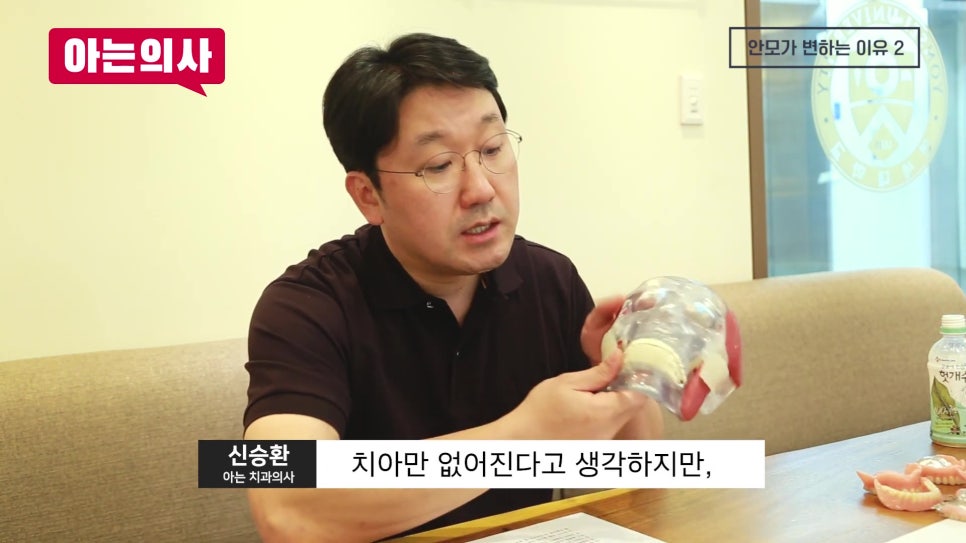
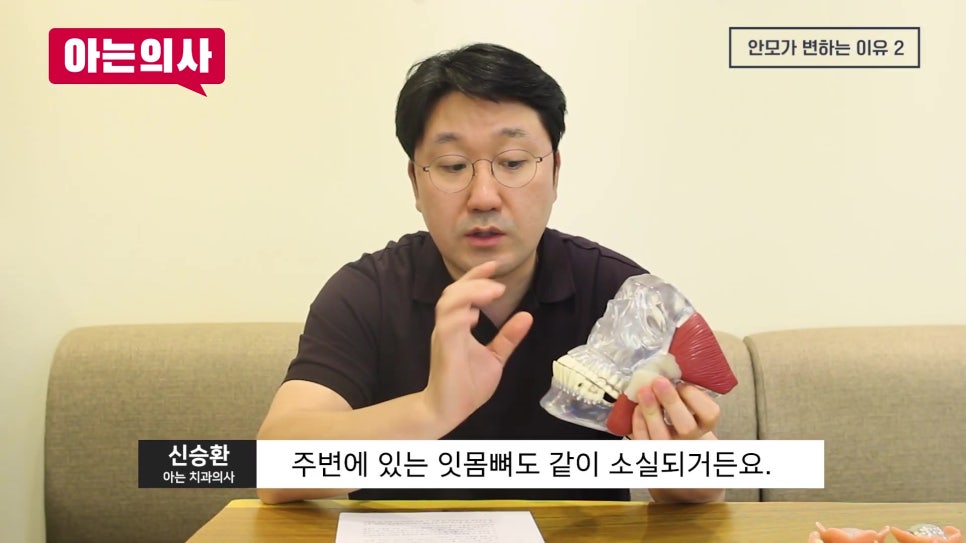
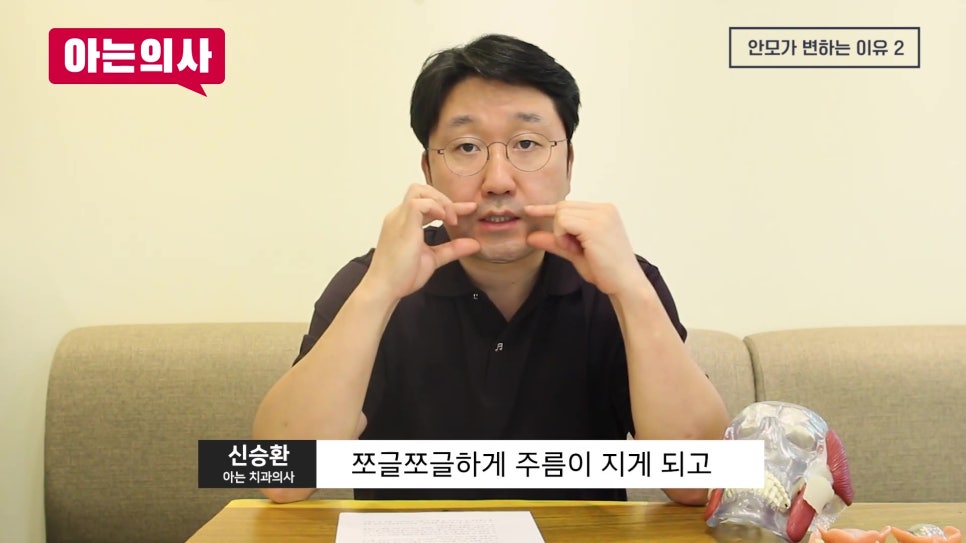
Many people think that only the teeth disappear after extraction.
However, when teeth are removed, the surrounding gums also gradually disappear.
As the gums—in other words, the alveolar bone—are lost, the lips also begin to curl inward.
This causes many wrinkles to form around the mouth.
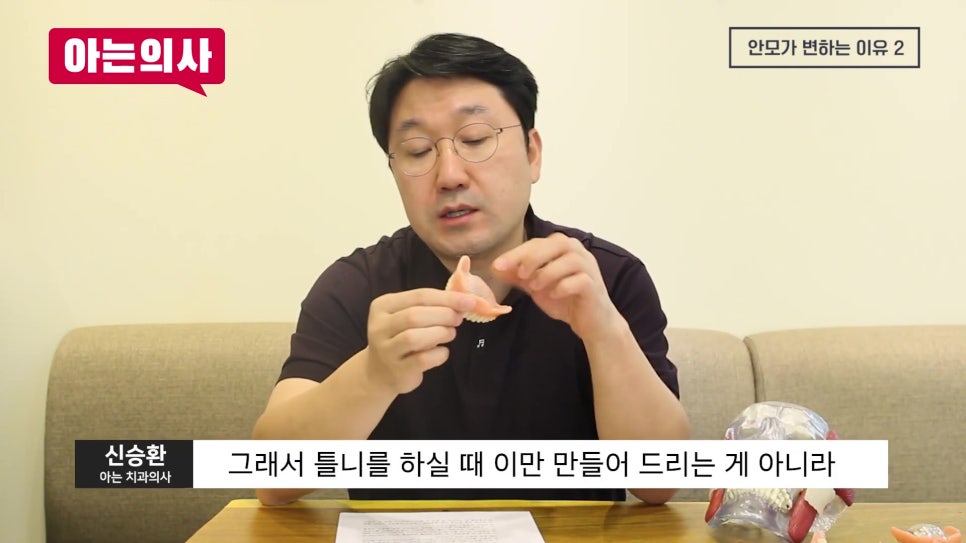
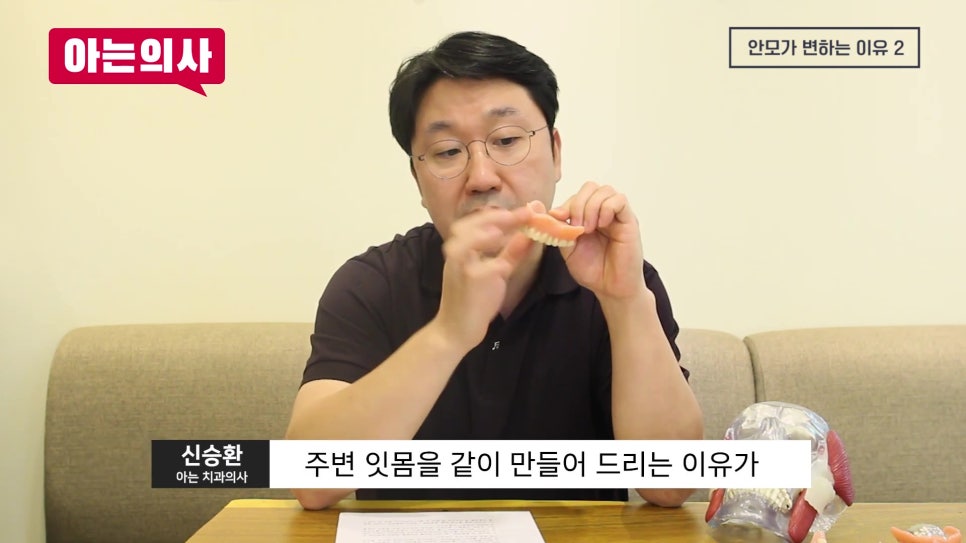
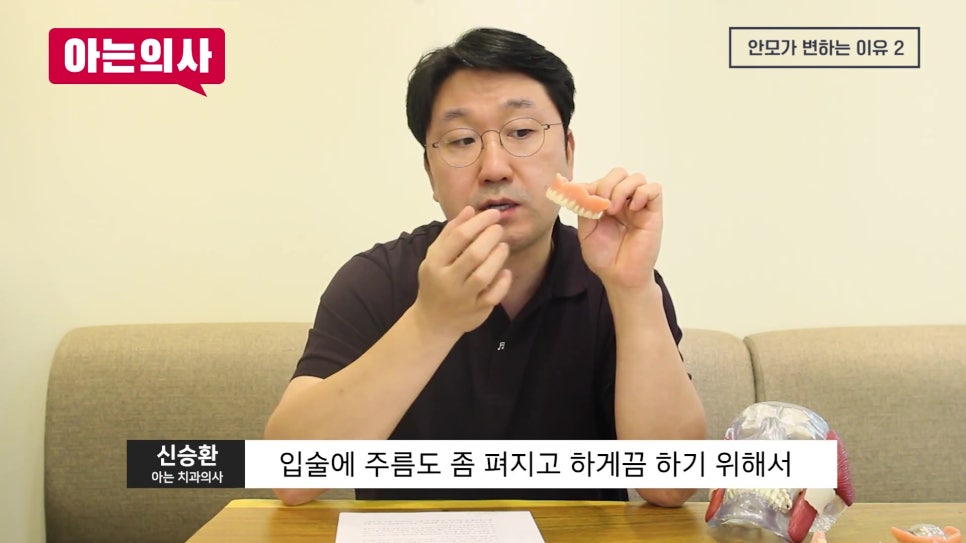
At dental clinics, including Yonsei U-Line Dental Clinic located in Yeoksam-dong,
when dentures are made, the gums are reproduced along with the teeth.
For this reason, wearing complete dentures can also have a rejuvenating effect on one’s appearance.
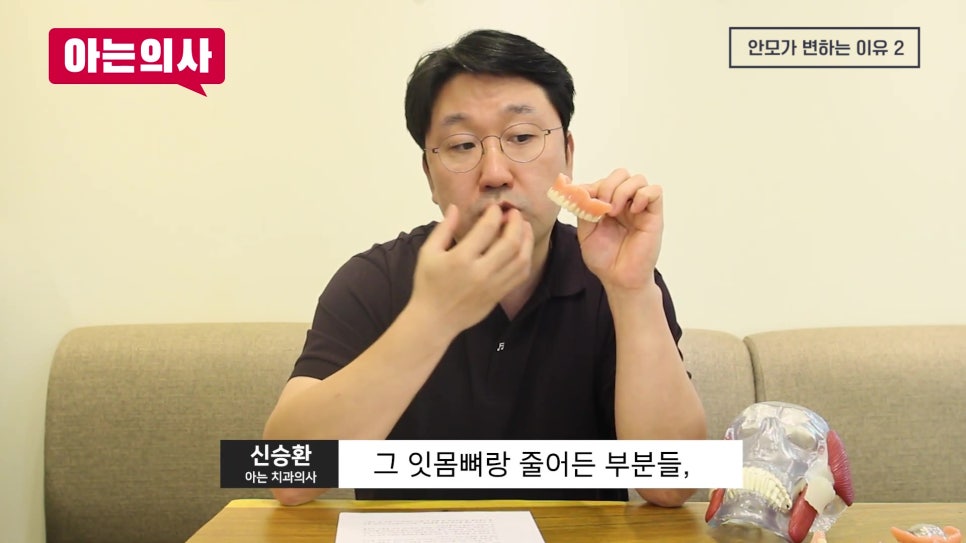
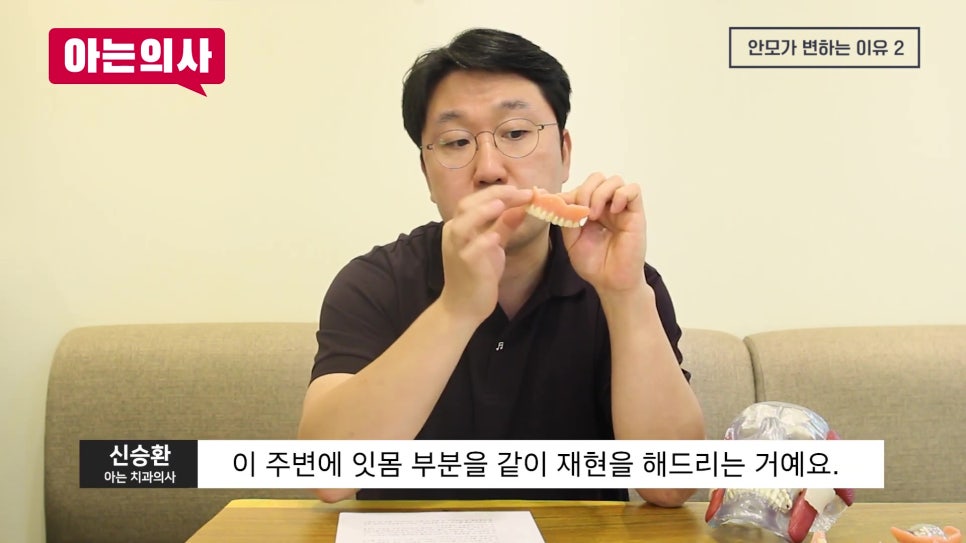
The shape of the lost gum bone is restored,
and wearing dentures can also smooth out some of the wrinkles around the lips,
creating a somewhat younger appearance.
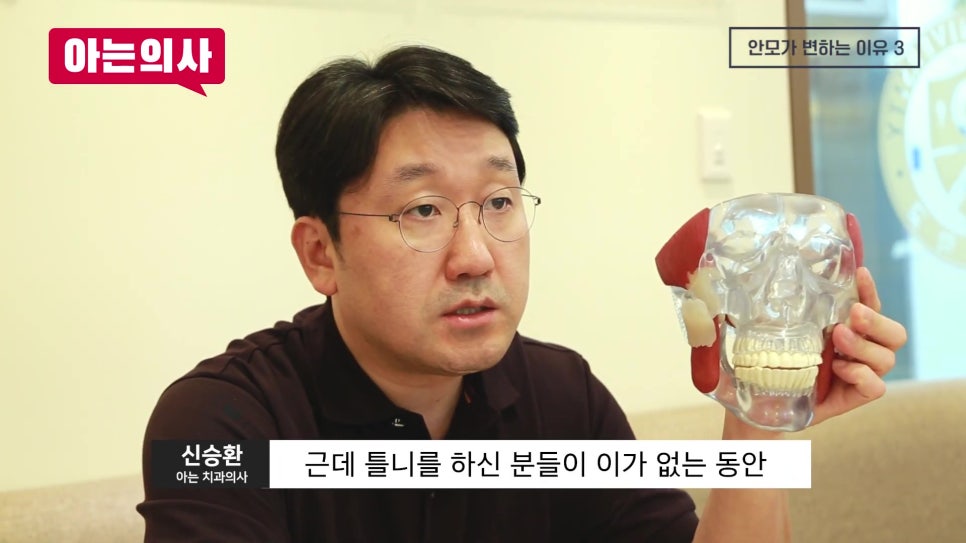
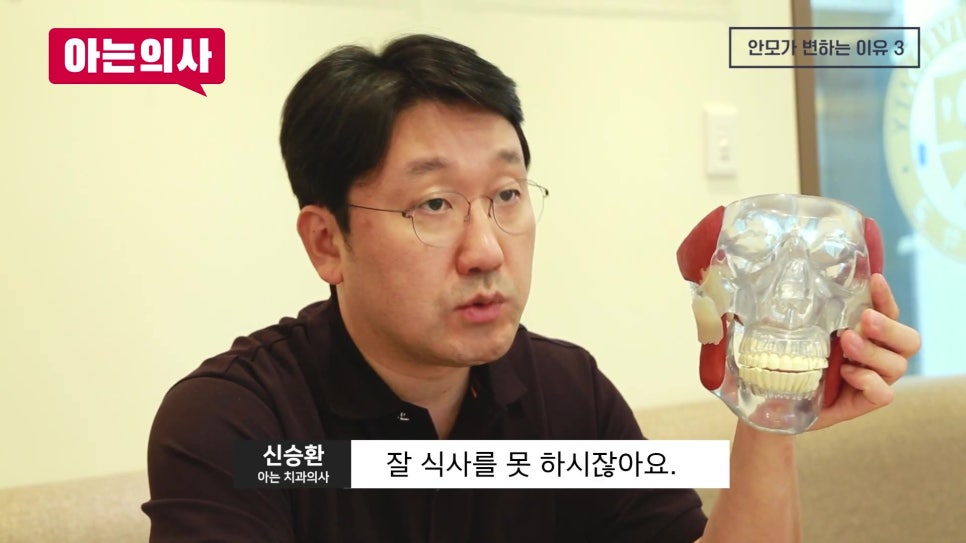
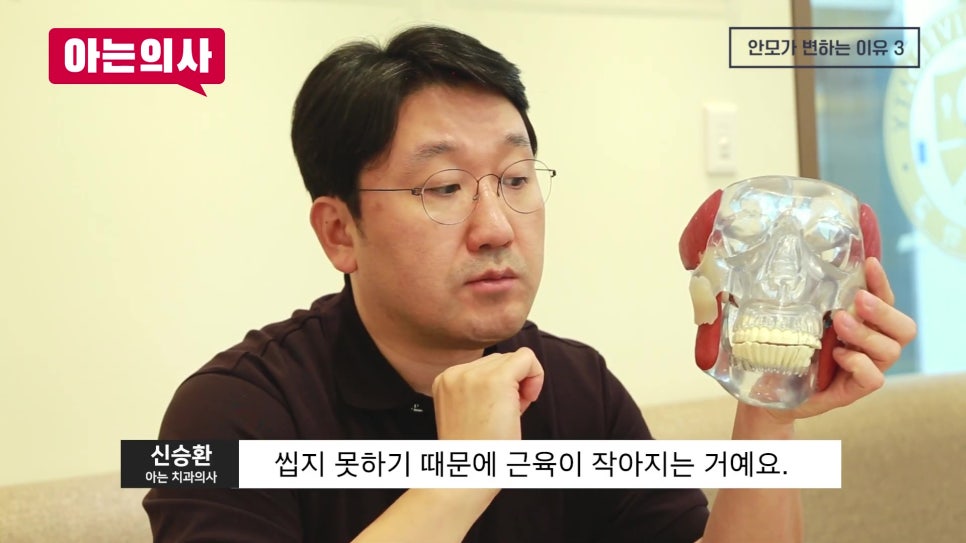
Another reason for changes in an elderly person’s face is reduced chewing ability.
The muscles develop and are maintained through chewing.
After all the teeth are lost, chewing activity decreases until dentures are made,
so the masseter muscles become smaller.
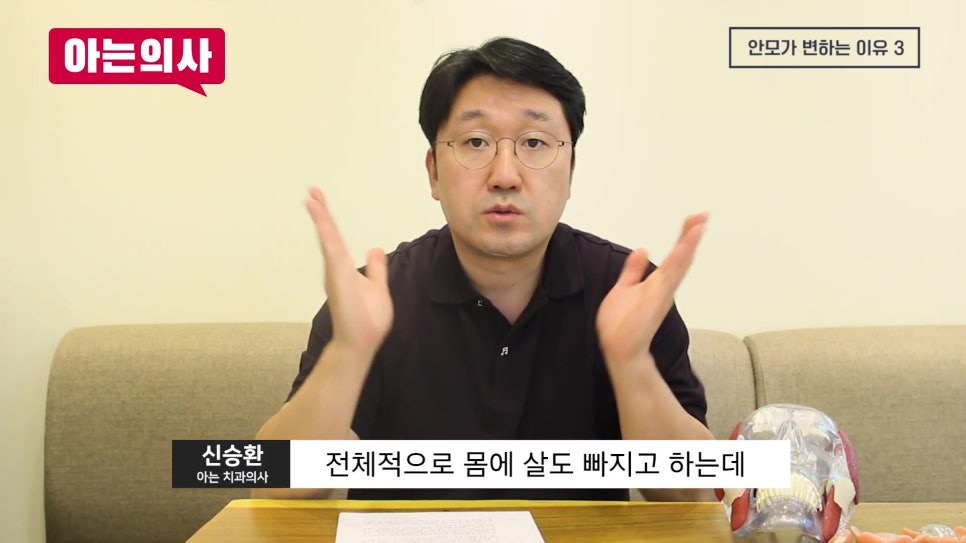
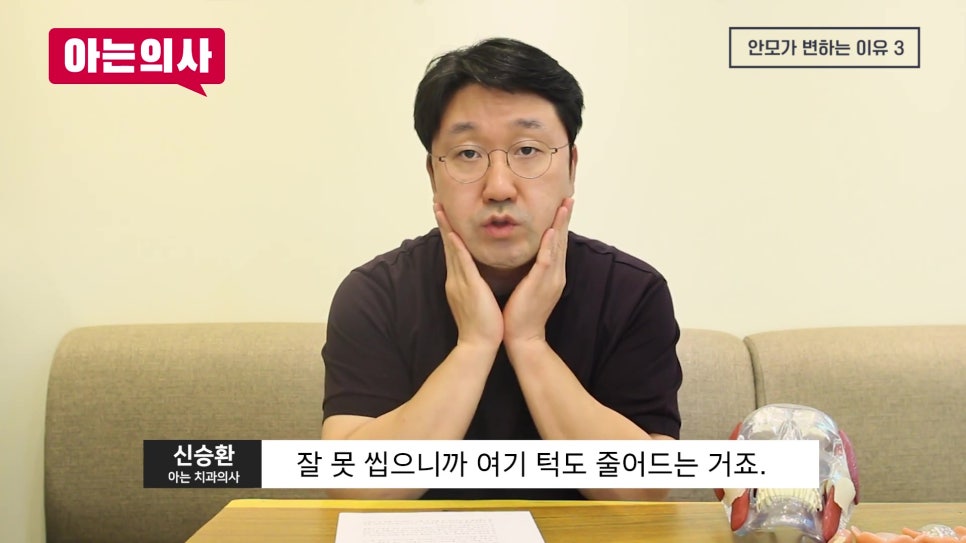
People also tend to lose weight as they age.
When weight is already decreasing and chewing is difficult,
the muscles become smaller as well,
which can reduce the size of the jaw itself.
As explained earlier, the gum bone is lost,
and the mouth becomes smaller as the occlusal vertical dimension collapses.
Therefore, an elderly person’s face can undergo significant changes
compared with how it looked when they were younger.
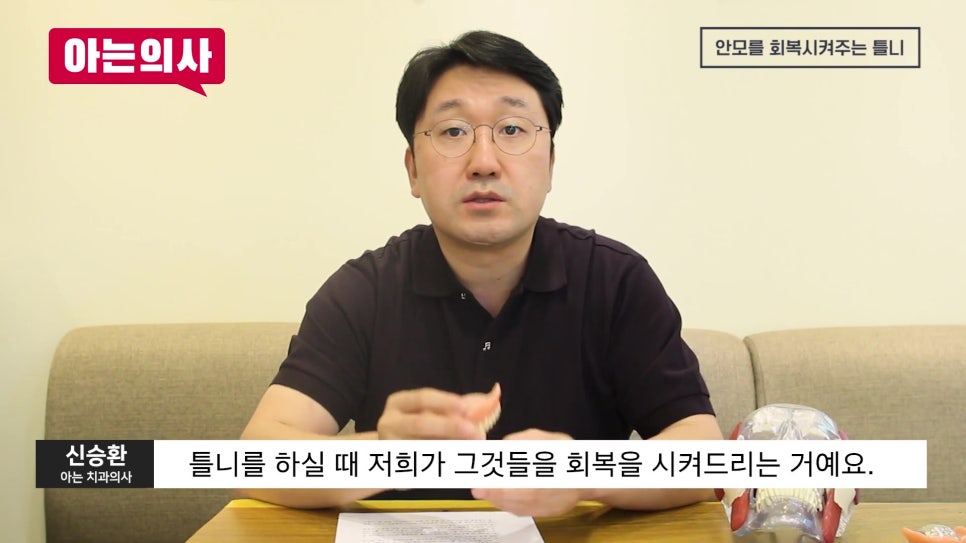
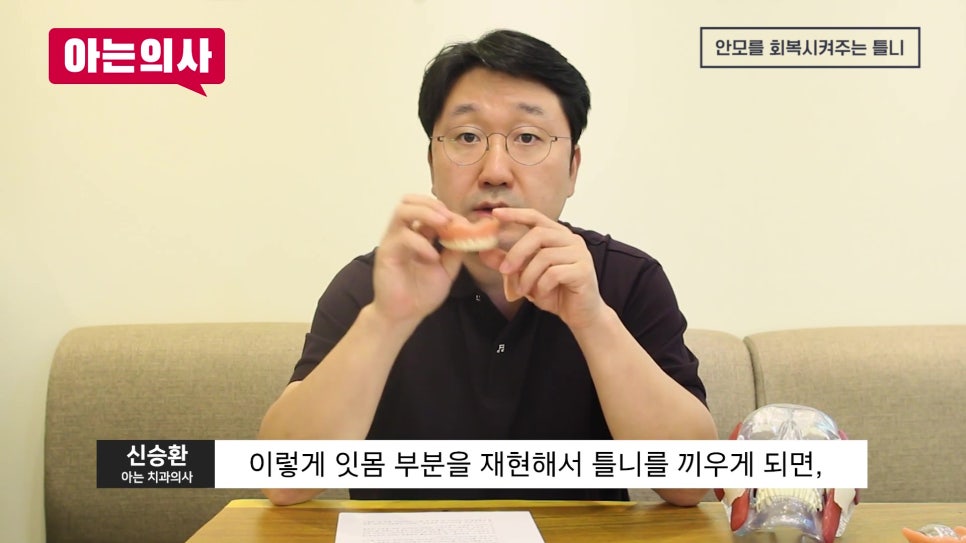
In other words, facial changes can be restored by helping maintain the occlusal vertical dimension
and reproducing the gums.
This treatment is dentures.
When dentures are worn, the gums are reproduced as they were when the teeth were present,
and the height at which the mouth closes can be restored.
Once you can eat foods that were difficult to eat because of missing teeth,
the masseter muscles that had decreased in size can also recover to some extent.
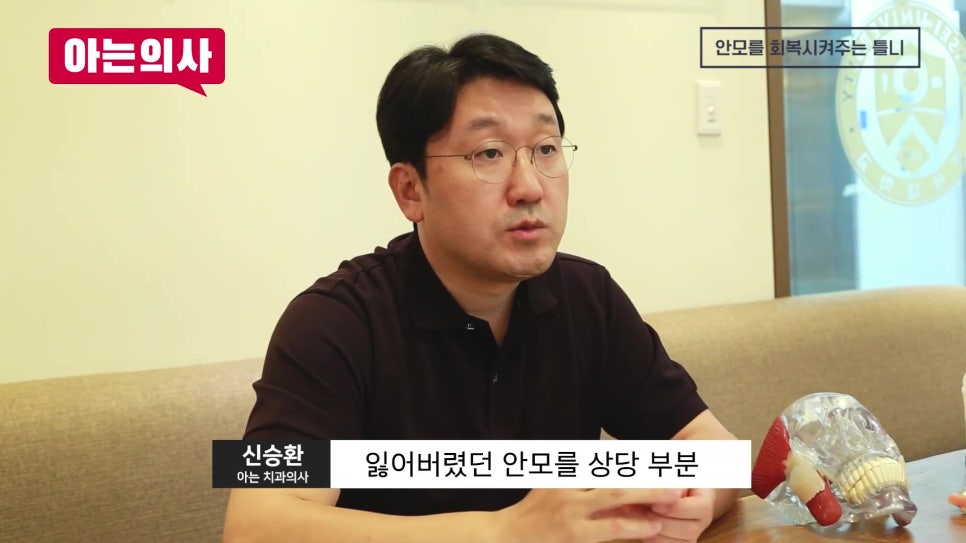
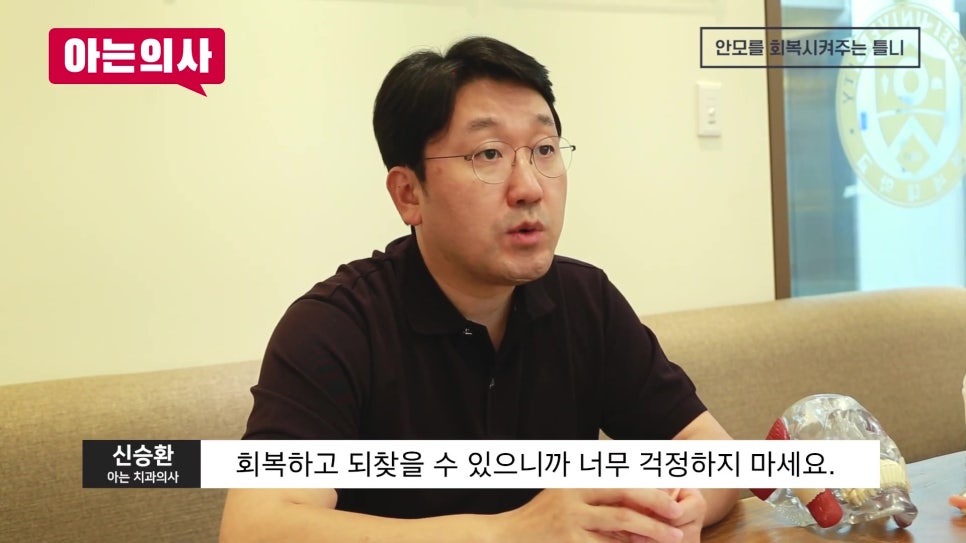
Tooth extraction can cause changes in an elderly person’s face,
but wearing dentures can restore the altered areas to a certain extent or more.
Therefore, you do not need to worry too much about changes in your facial appearance.
This has been Yonsei U-Line Dental Clinic in Yeoksam-dong.