Hello. We are Yonsei U-Line Dental Clinic, located on the 17th floor of the Mijin Plaza Building at 825, Yeoksam-dong, Gangnam-gu.
Today, we have prepared an opportunity to talk about wisdom tooth extraction among dental treatments for pregnant women.
If you are planning a pregnancy, wisdom tooth extraction is generally recommended in advance.
Is that because wisdom teeth cannot be extracted once you become pregnant?
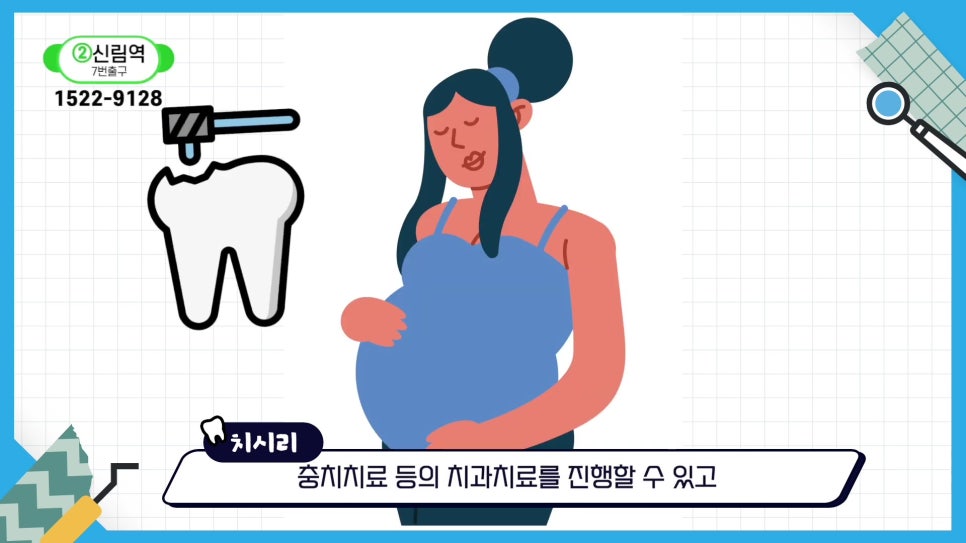
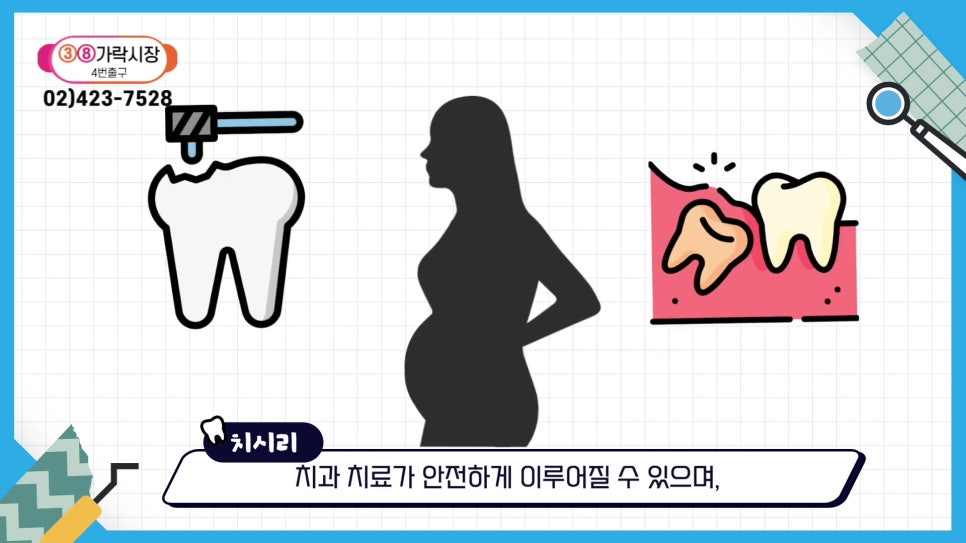
Many people think that dental treatment is not possible during pregnancy, but in fact, if necessary, cavity treatment, root canal treatment, and wisdom tooth extraction are all possible.
However, it is important to carefully determine the timing and method of treatment.
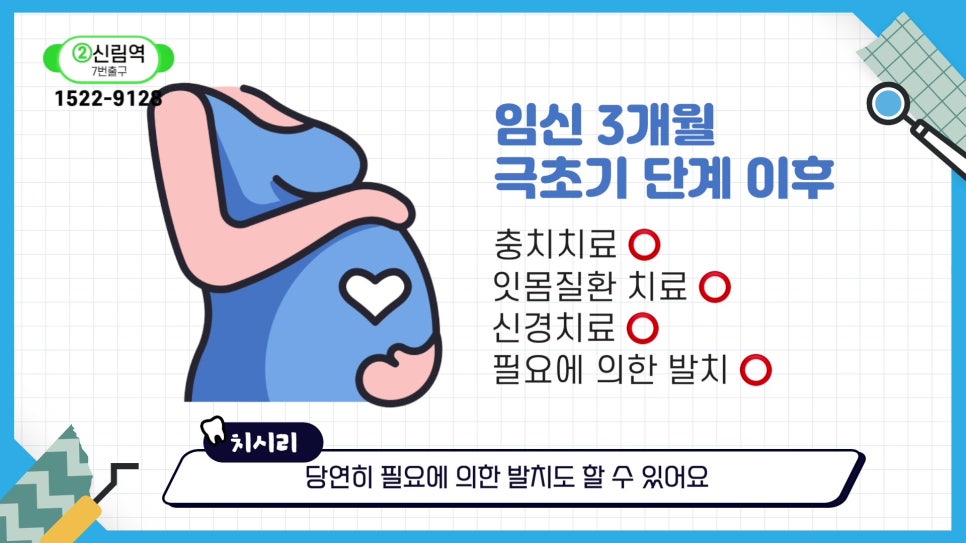
After the first three months of pregnancy, basic dental treatments such as cavity treatment, gum treatment, and root canal treatment are possible, as is wisdom tooth extraction when necessary.
However, if possible, it is best to complete treatment before pregnancy.
The reason is simple.
First, dental problems can arise suddenly at any time.
During pregnancy, hormonal changes can make the gums swell and become more susceptible to inflammation.
If you have an impacted wisdom tooth, sudden pain may also occur.
Second, even when treatment is needed, you may hesitate.
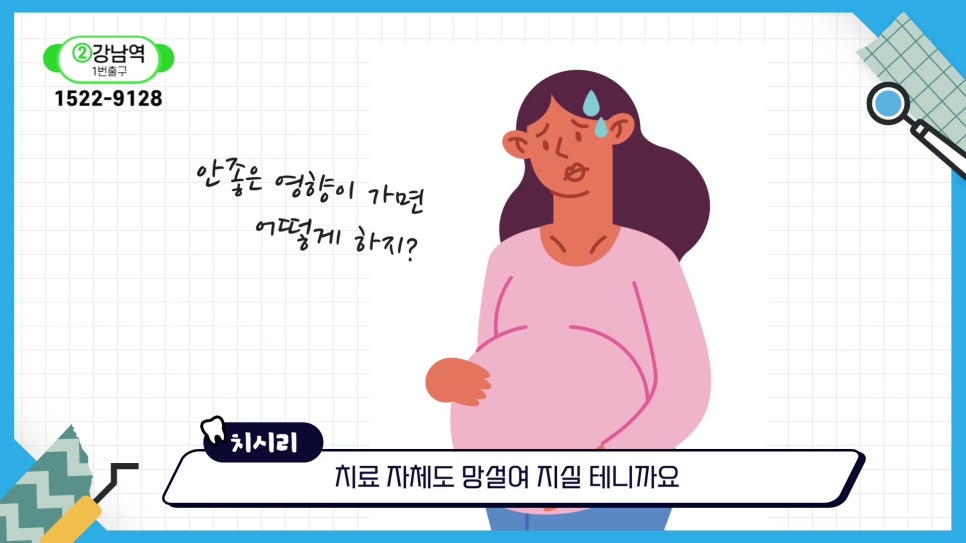
During pregnancy, many people postpone treatment because they are worried that it might affect the fetus.
However, leaving dental problems untreated can make them worse and may instead require more extensive treatment later.

Therefore, the best approach is to have a dental checkup before pregnancy and complete any necessary treatment in advance.
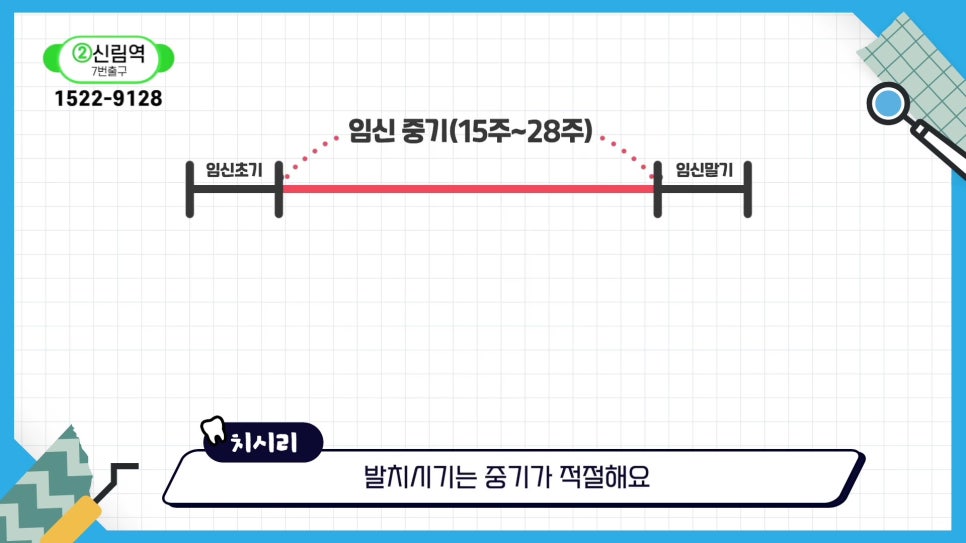
If your wisdom tooth starts hurting during pregnancy, the dental clinic and obstetrician-gynecologist should work together to carefully determine the timing of extraction.
During early pregnancy (months 1–3), an important period when the fetus's organs are forming, it is best to avoid extraction.
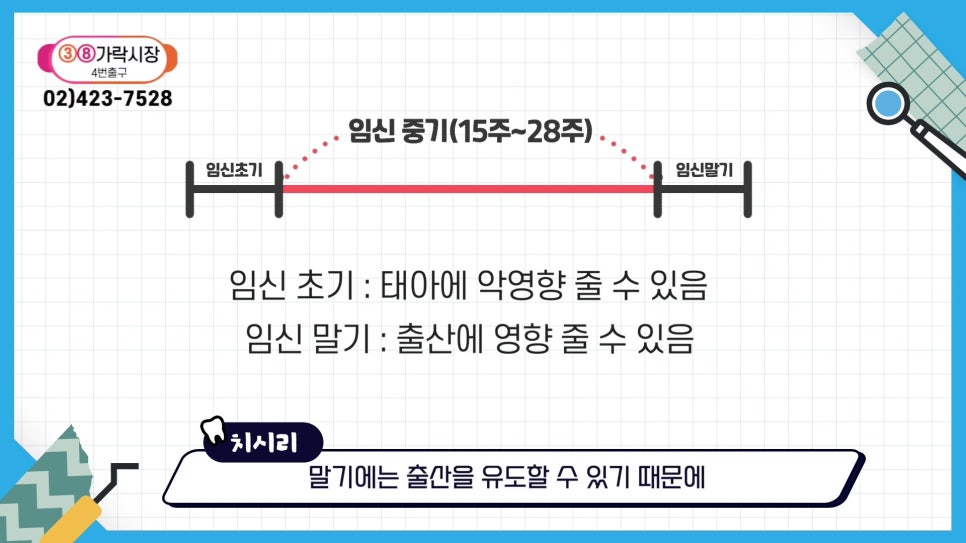
The middle stage of pregnancy (months 4–6) is the most stable period, so wisdom tooth extraction is possible.
During late pregnancy (months 7–9), it is best to avoid extraction if possible because it may induce labor.
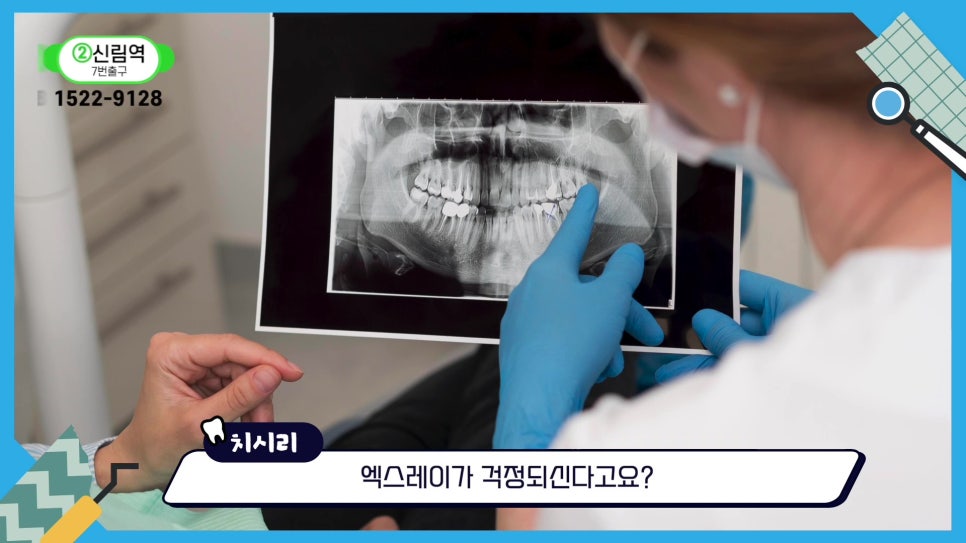
You may also be concerned about having dental X-rays.
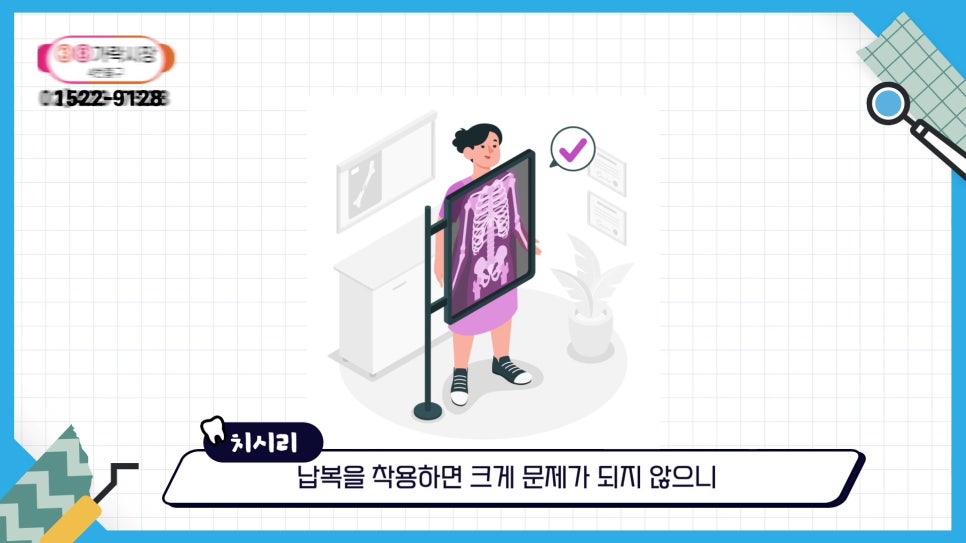
In fact, the amount of radiation used in dentistry is very low and has almost no effect on the fetus.
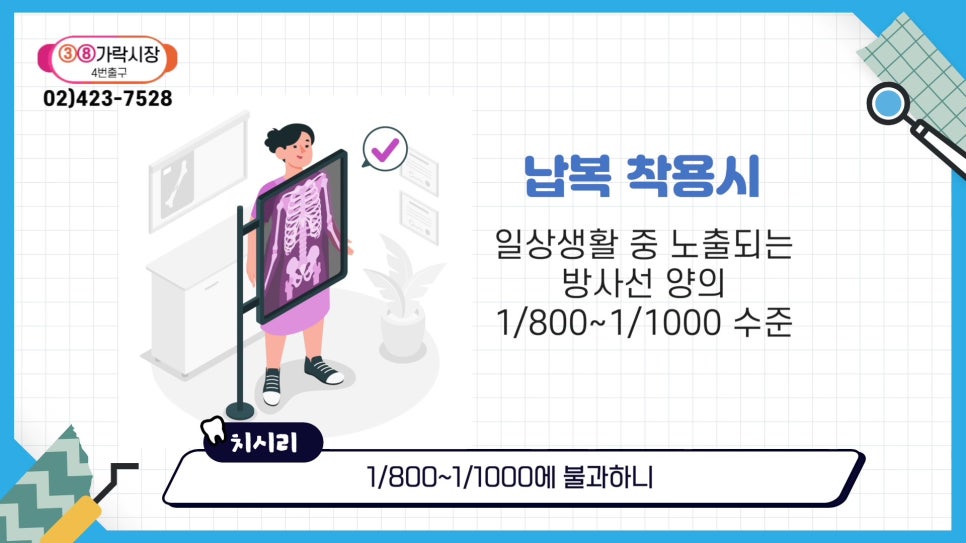
Wearing a lead apron (radiation protection shield) during an X-ray can minimize radiation exposure.
The amount is much lower than the radiation exposure encountered in everyday life, so there is no need to worry.
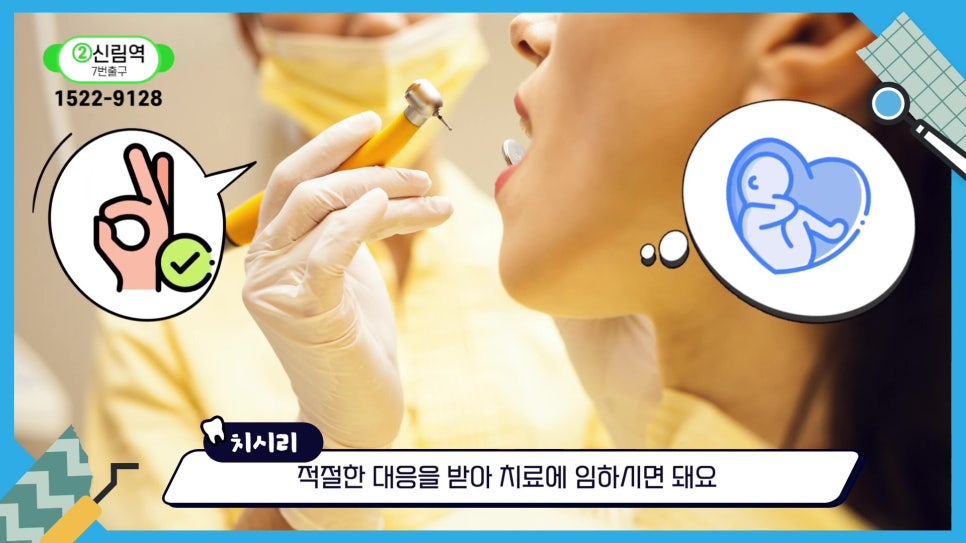
Therefore, when a dental problem occurs, visiting a clinic and receiving safe treatment is a better choice than simply enduring it.
However, one thing you must remember is that the safest option is to receive dental treatment, including wisdom tooth extraction, before pregnancy.
That does not mean extraction is impossible during pregnancy.
If wisdom tooth pain occurs during pregnancy, extraction during the middle stage is recommended, and dental X-rays are safe, so they can be taken with peace of mind when necessary.
Take care of your dental health in advance for a healthy pregnancy and delivery.
It will be a more comfortable choice for you and a better choice for the fetus as well.