Hello. We are Yonsei U-Line Dental Clinic, located in Yeoksam-dong, Gangnam-gu, near Gangnam Station.
Today, we would like to answer the question of whether clear aligners are suitable for everyone.


In fact, it has been more than 15 years since I first encountered clear aligners.
Clear aligners have continued to develop since they were first introduced, and they have become even more widely used recently with the integration of digital technology.
However, the basic principle remains largely the same as it was in the past.
In fact, some of the methods used in the past were even more effective than those used today.

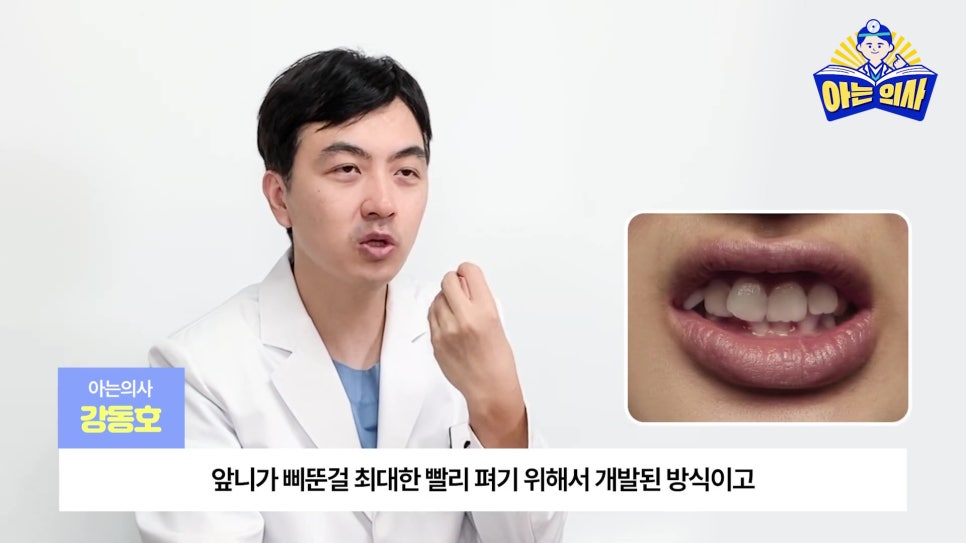
In the past, clear aligners were used for what was known as “limited orthodontic treatment.”
In other words, they were developed to quickly correct crooked front teeth.
That approach was quite effective, and patient satisfaction was also high.
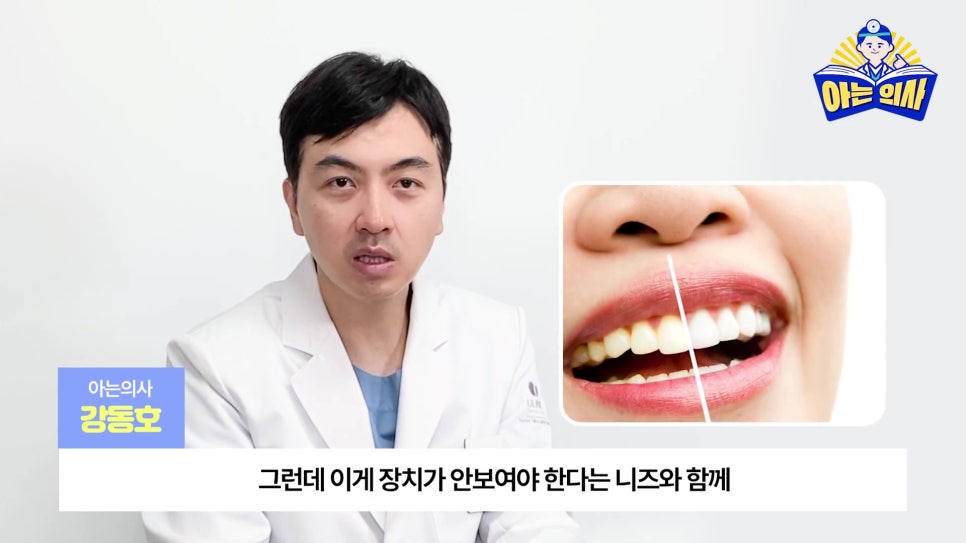
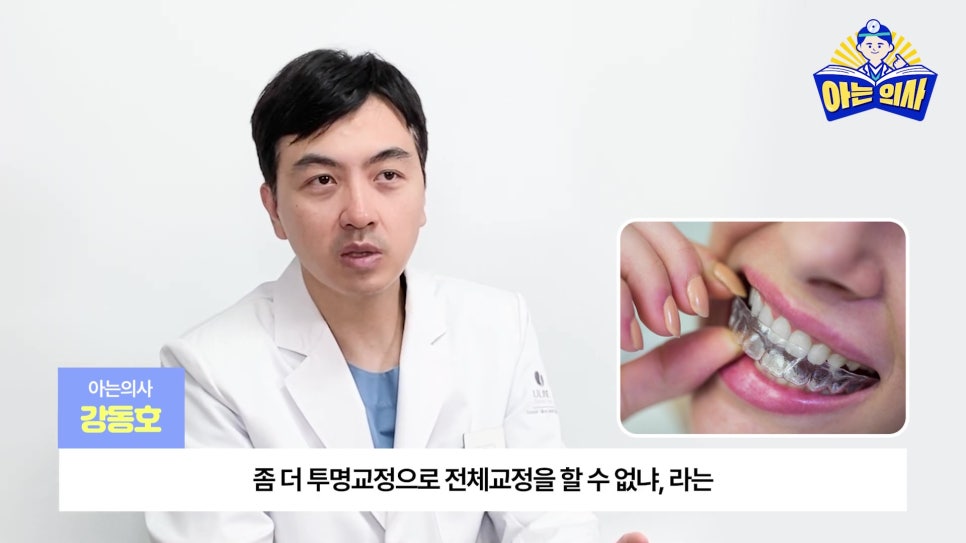
However, as demand grew for orthodontic treatment without visible appliances, people began considering whether full orthodontic treatment could be performed with clear aligners.
Various companies then developed clear-aligner systems and actively marketed them, making them increasingly popular.

However, once dentists began using them, they started to recognize their limitations.
In particular, moving the molars was not easy.


Molars do not simply need to be rotated.
They may also need to be moved up and down, and their overall level may need to be adjusted. With conventional clear-aligner methods, such precise movements were difficult.
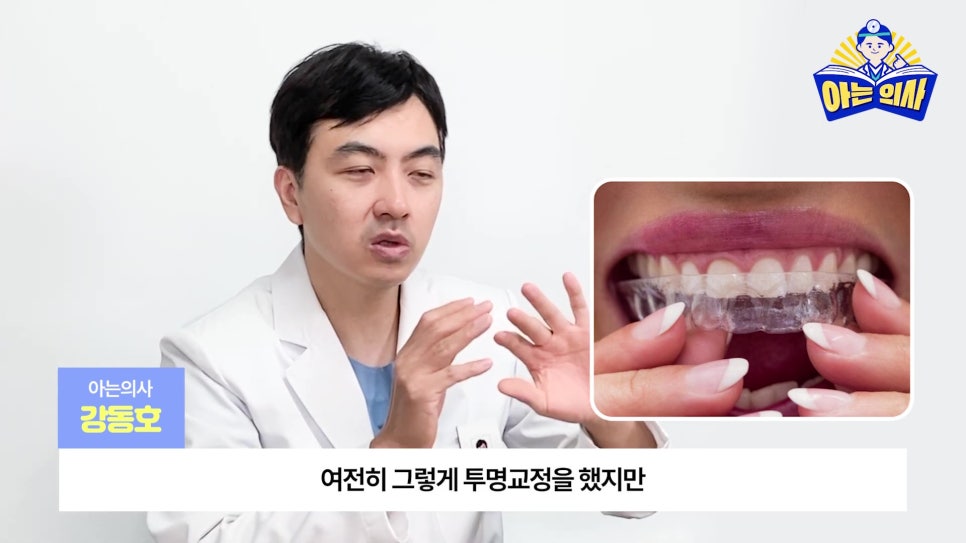
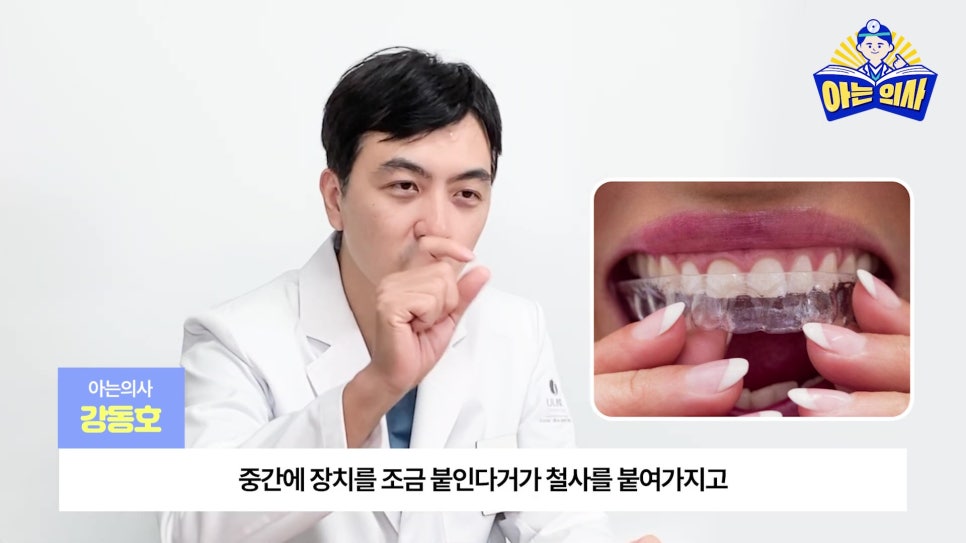

So, about 10 years ago, attachments—small, bump-like devices—were sometimes bonded to the teeth to provide additional support.
As a result, clear aligners could be used for a wider variety of cases than before.



Even so, limitations still remain.
For example, orthodontic treatment involving tooth extraction was difficult to perform with clear aligners in the past, but it is said to be possible today.

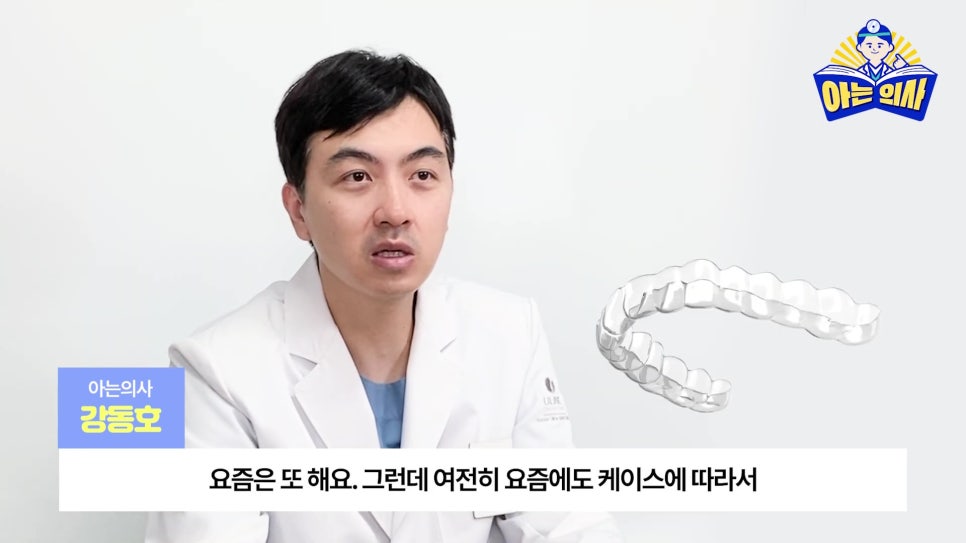

However, clear aligners are not suitable for every situation, and some cases remain difficult.


Experienced orthodontists are well qualified to assess this aspect.
Therefore, when considering clear aligners, it is important not to insist, “I only want clear aligners!” Instead, you should receive a thorough consultation to determine which method is most appropriate for the condition of your teeth.



In conclusion, clear-aligner treatment is possible in many situations, but limitations still exist.
Depending on the situation, it may need to be combined with another orthodontic method. It would be best to make your decision while keeping in mind that results may vary from case to case.