Hello. This is Yonsei U-Line Dental Clinic, Sillim Branch, located in Sillim-dong, Gwanak-gu, near Sillim Station.
Today, we would like to look into whether orthodontic treatment affects gum health and whether gums really become weaker, as the common belief suggests.
Tooth alignment treatment is started to straighten the arrangement of the teeth, but it is also true that various concerns arise when treatment is about to begin.
In particular, hearing that gums became weaker after orthodontic treatment or reading accounts of changes in facial shape can naturally make people more cautious.

Today, we will look at the relationship between orthodontic treatment and gum health, as well as whether orthodontic treatment can actually have a negative effect on the gums.

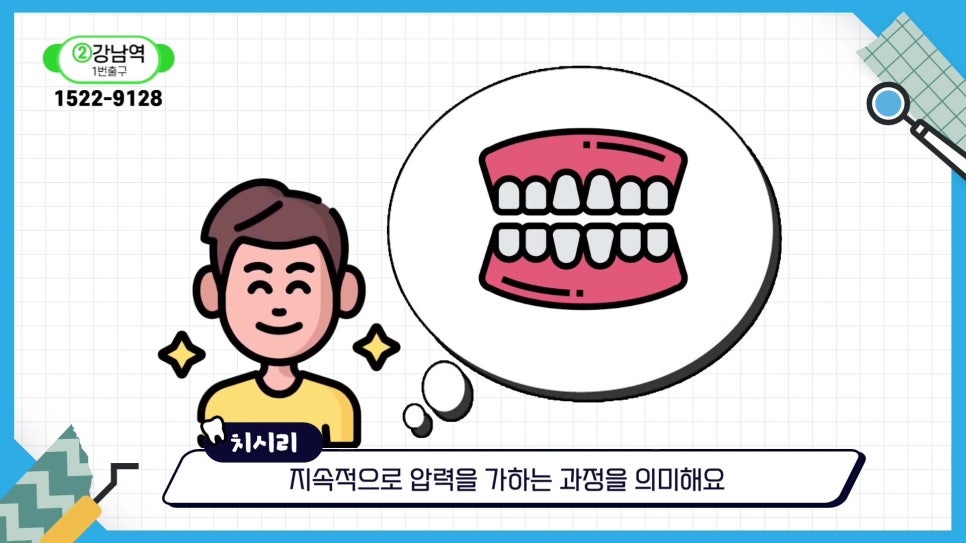
Orthodontic treatment applies continuous force to the teeth to move them into the desired positions.
During this process, the gums surrounding the teeth and the periodontal tissues around them are also stimulated, resulting in changes.

However, these changes are a relatively natural process, much like a wound healing and new tissue growing.
Healthy gums can adequately adapt to and recover from this stimulation, so it is difficult to say that orthodontic treatment itself weakens the gums.


However, there are certainly factors during orthodontic treatment that can affect gum health.
The most representative one is the difficulty of maintaining oral hygiene.
Once orthodontic appliances are attached, brushing becomes much more challenging than usual, and food can easily become trapped between the teeth.
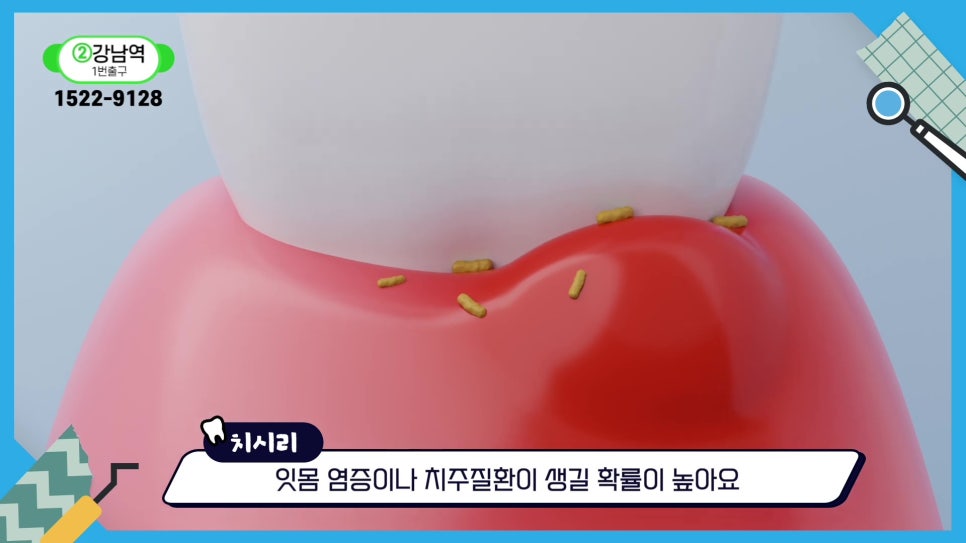
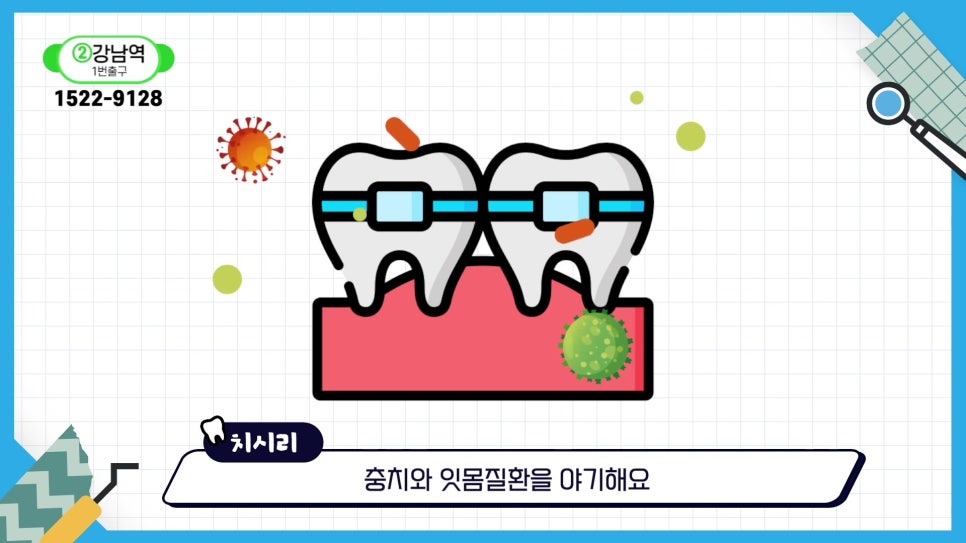
If this debris is not removed properly, plaque can build up, allowing bacteria to multiply and cause inflammation in the gums.
If left untreated, it can progress from mild inflammation, or gingivitis, to periodontitis. At this stage, even the bone supporting the teeth can be damaged, which may create the sensation that the gums have become weaker.


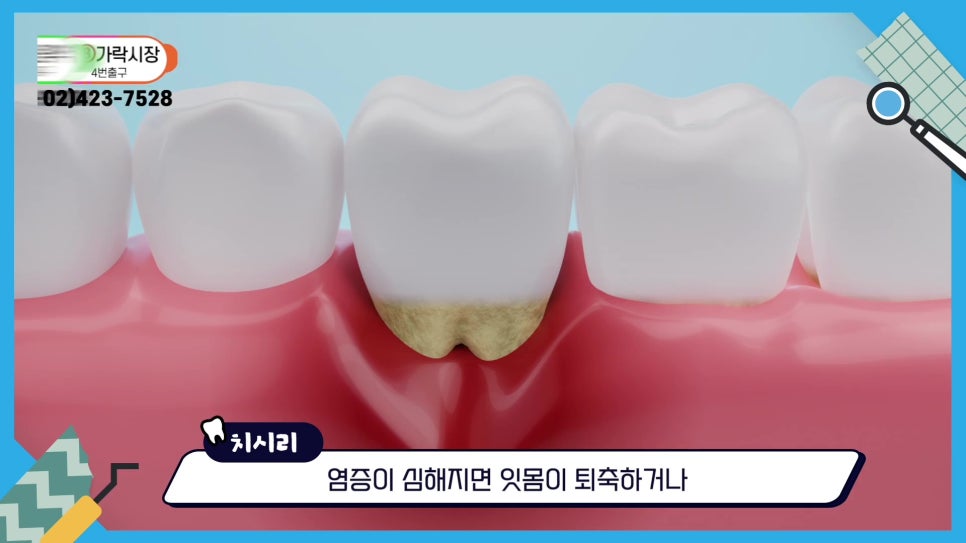
In addition, if an appliance continuously irritates the gums, they may swell or become inflamed.
It is important not to leave this untreated and to receive treatment promptly.
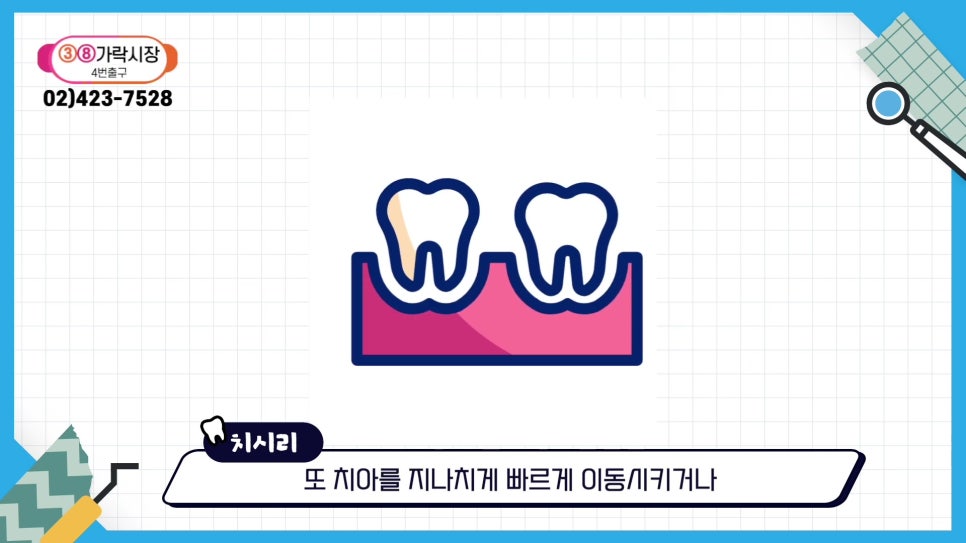
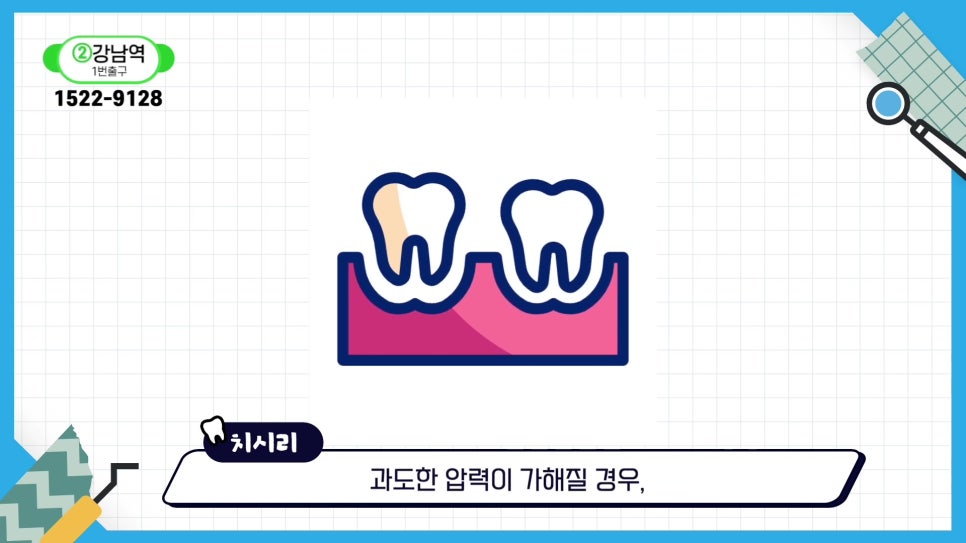

Occasionally, if teeth are moved too quickly or excessive force is applied, the periodontal tissues may also be placed under strain, causing gum recession or bone damage.
This is why orthodontic treatment must be planned and carried out at an appropriate speed and with an appropriate level of force.
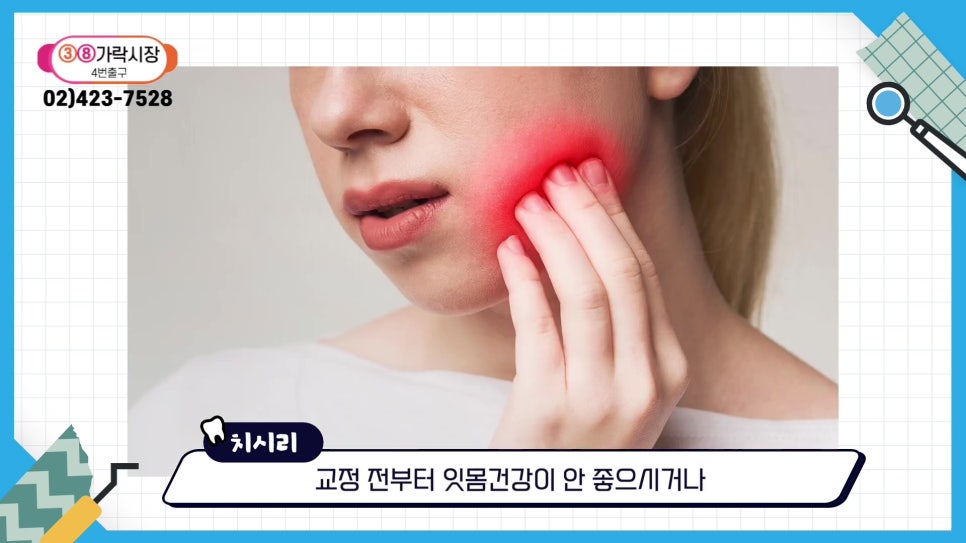
Ultimately, rather than orthodontic treatment itself weakening the gums, gum health is more often affected by the difficulty of maintaining hygiene and by issues with the treatment plan.
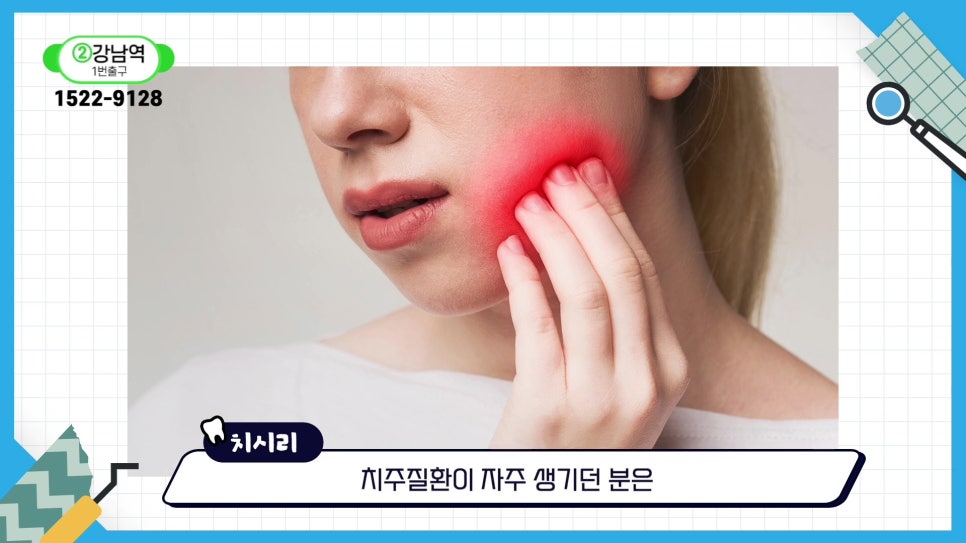
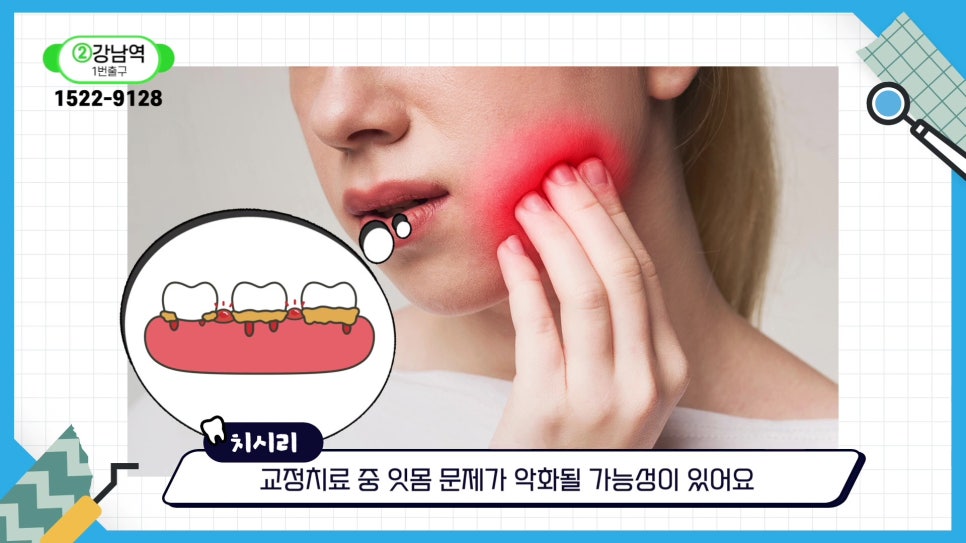
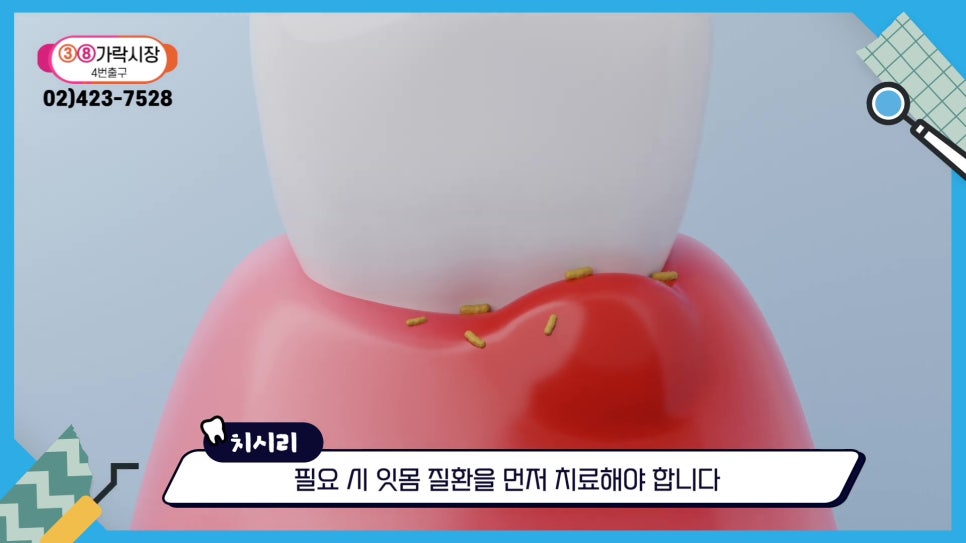
In particular, if the gums were already in poor condition before orthodontic treatment, gum problems may worsen during treatment. Therefore, it is advisable to thoroughly check the oral condition before starting and, if necessary, receive gum treatment first.

Even after treatment begins, it is important to visit the dentist regularly, remove plaque and tartar through scaling, and continue monitoring the condition of the gums.
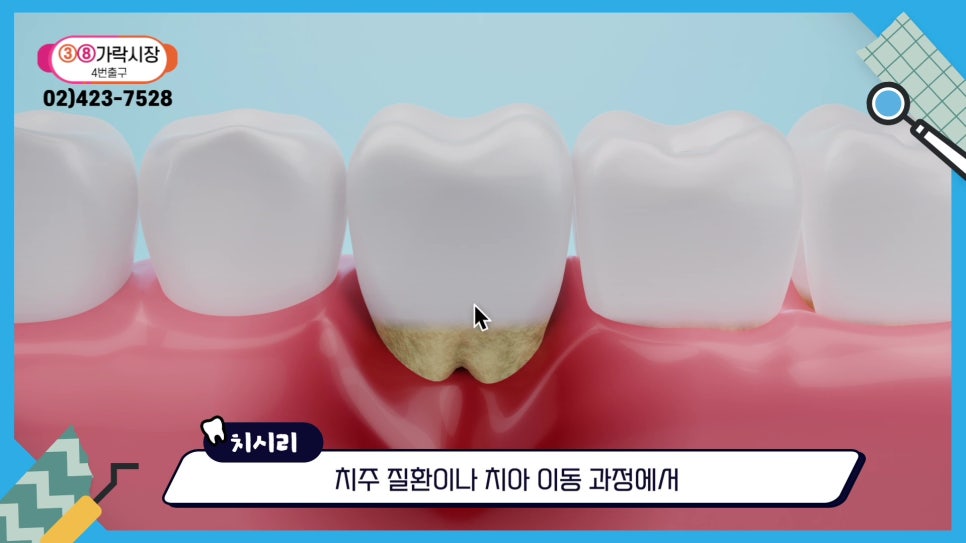
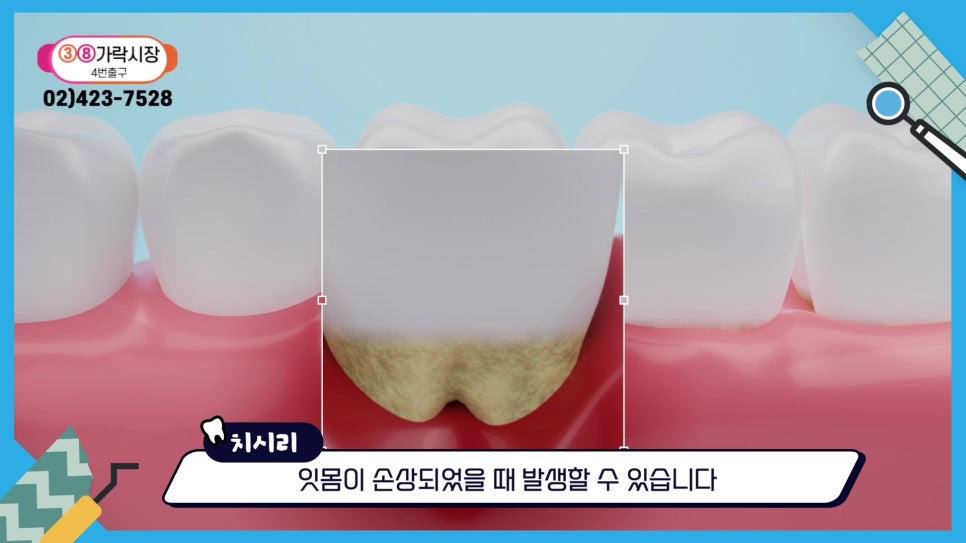
Some patients actually feel that their gums have receded after orthodontic treatment has ended.
In most cases, this is also the result of periodontal disease or inadequate hygiene care.

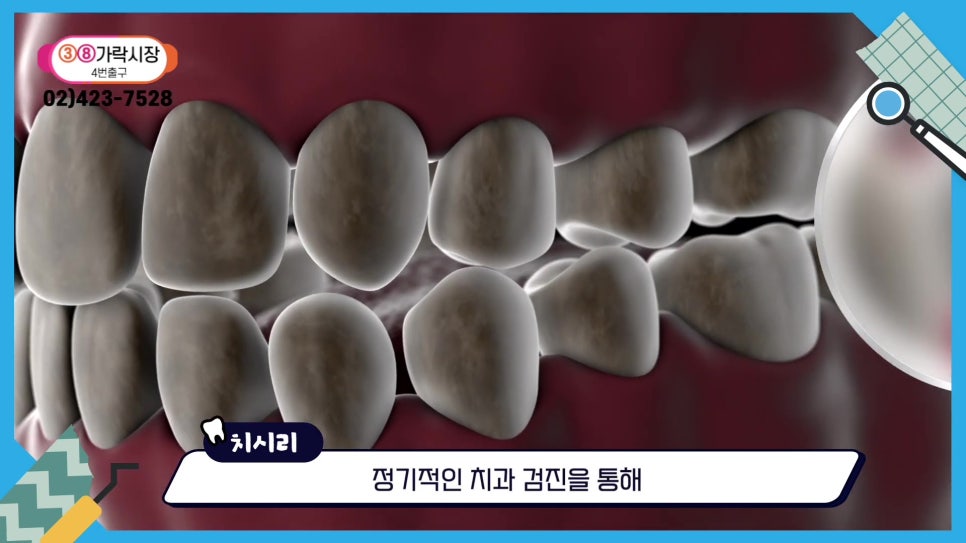
In other words, gum health can be adequately maintained during orthodontic treatment as long as thorough brushing, the use of auxiliary tools such as a water flosser, regular checkups, and prompt management of inflammation are carried out.



If you are planning orthodontic treatment, first check the current condition of your gums. During treatment, remember that it is important to respond promptly if you notice gum irritation or signs of inflammation.