Hello, I’m Kang Dong-ho, director of Yonsei U-Line Dental Clinic, Sillim Branch, located near Exit 7 of Sillim Station in Sillim-dong, Gwanak-gu.
When a tooth is lost and left untreated for a long time, several changes occur.
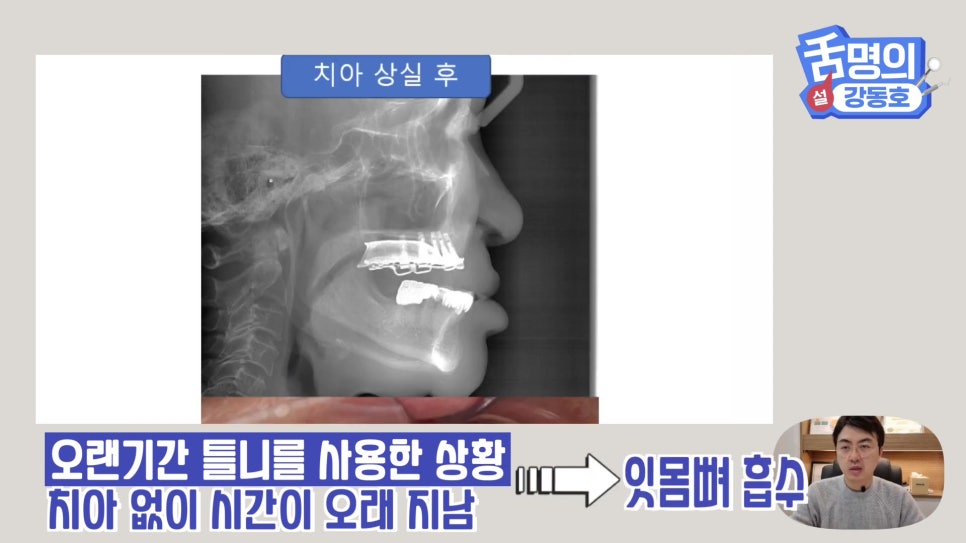
First, the bone supporting the gums is gradually resorbed and decreases in volume.
If this is left untreated for a long time, even if treatment is eventually performed, the results may not be satisfactory.
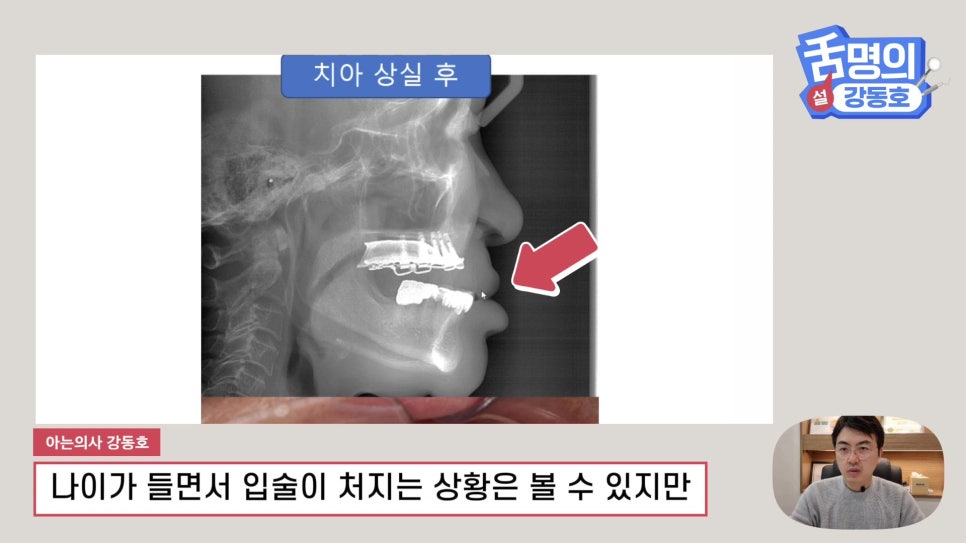
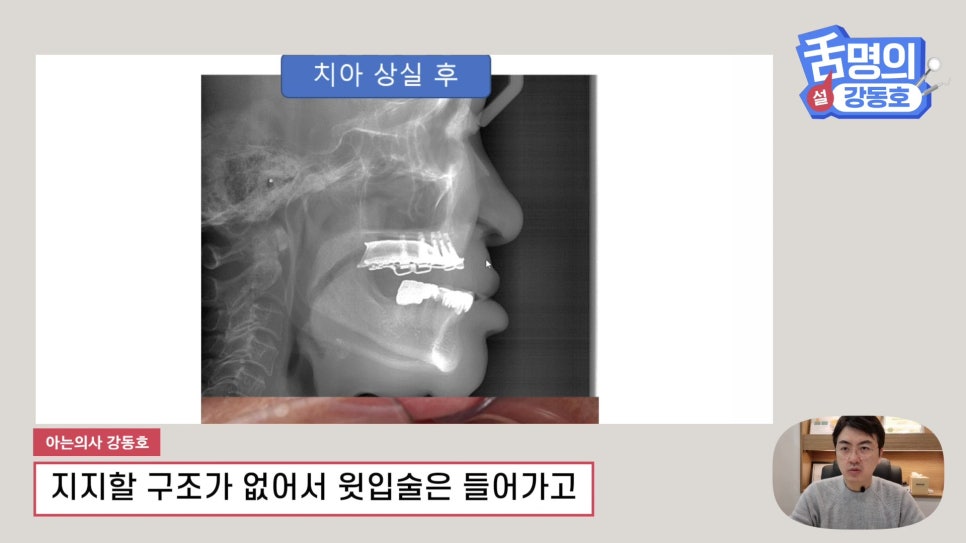
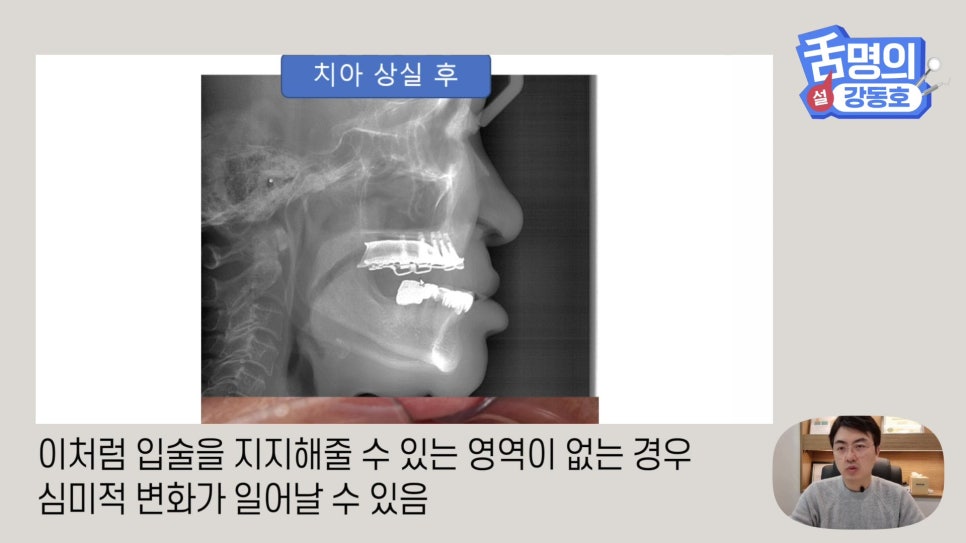
For example, in people who have worn dentures for a long time, the lips move inward and the shape of the mouth changes significantly.
When the jawbone decreases, there is no longer enough structure to support the lips. As a result, the cheeks naturally become sunken and the corners of the mouth droop.
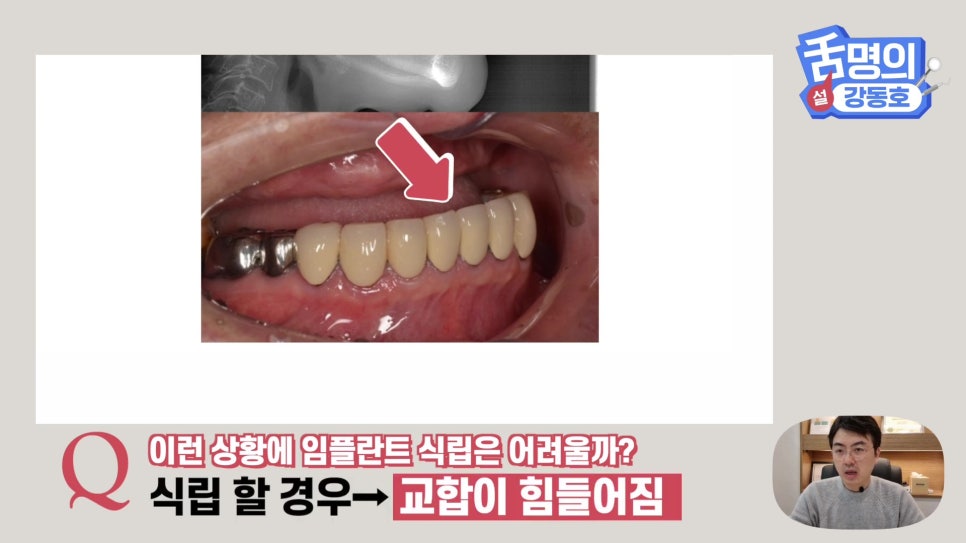
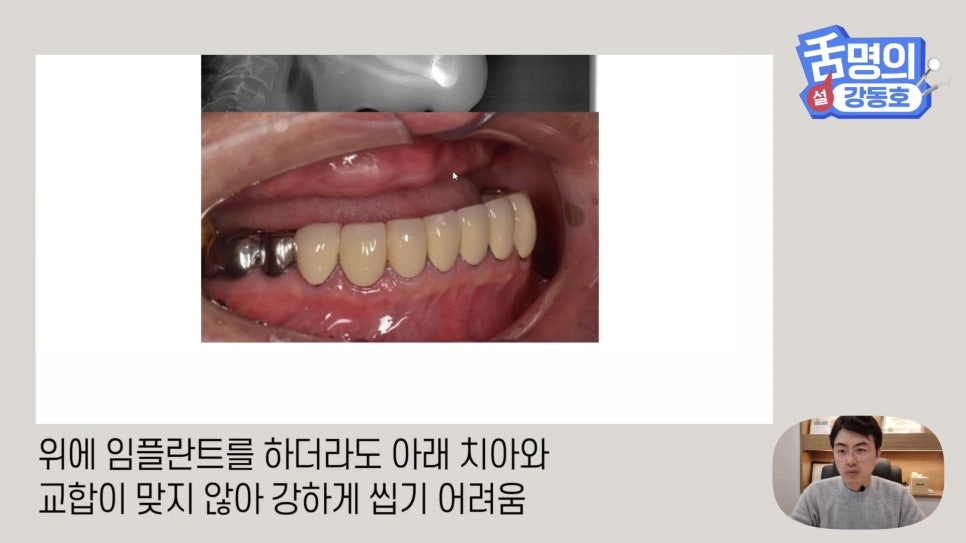
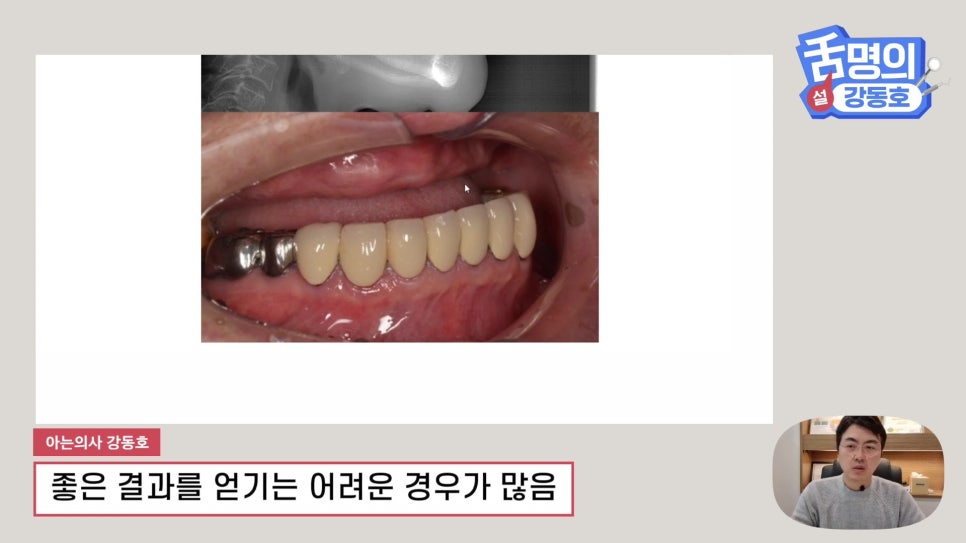
Later, even if you want to receive full-mouth implants, if the jawbone has already decreased, placing implants may be difficult. Even when implants can be placed, the structure may make it difficult to achieve complete functional restoration.



That is why, when a tooth is lost, deciding on a treatment plan as soon as possible is ultimately much more advantageous in terms of both cost and results.
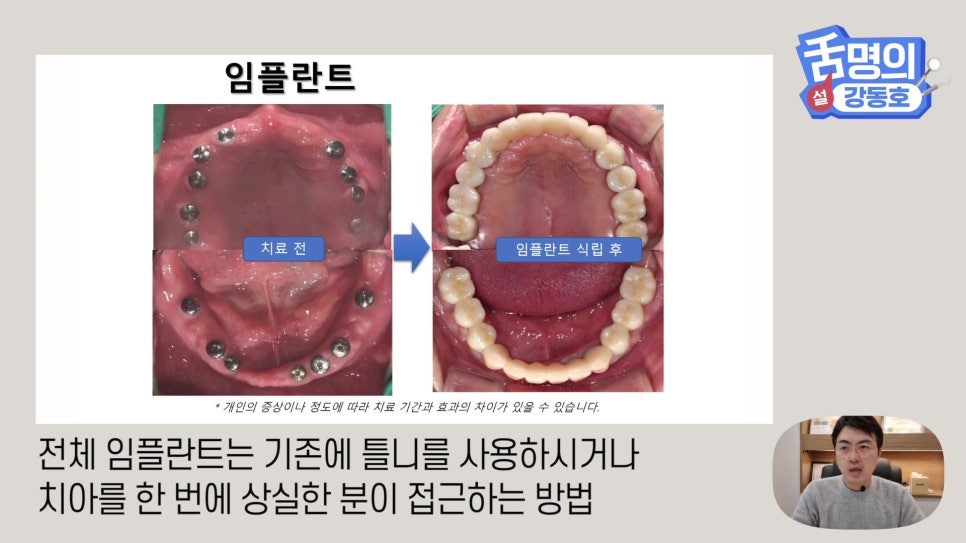
When many people lose their teeth, they first think of “full-mouth implants.”
As shown in the photos, this is one option chosen by people who have lost all of their teeth and want to restore the entire mouth.
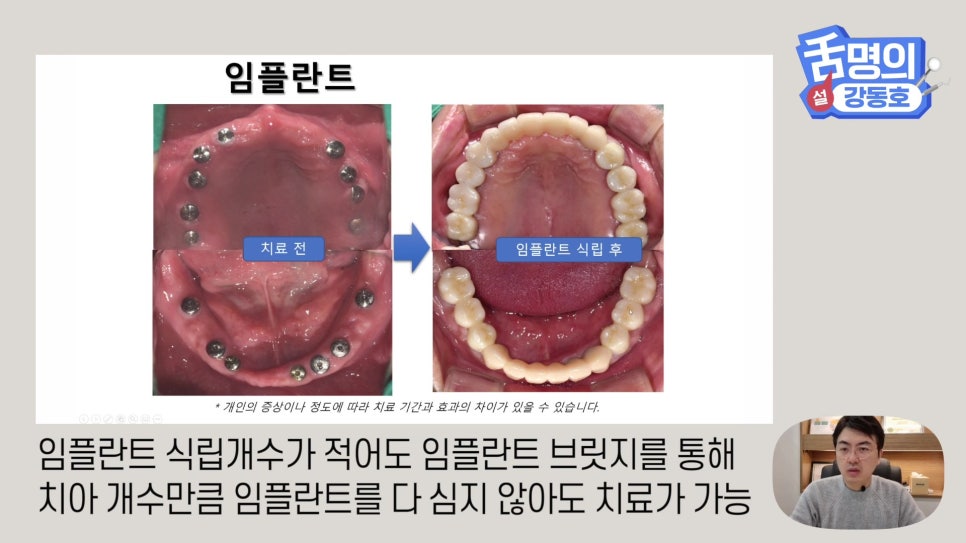
However, it can feel burdensome because it requires more implants than you might expect.
Full-mouth implant treatment usually involves around 12 to 14 implants in total for the upper and lower jaws, and sometimes as many as 16 to 18.
The number varies from person to person. Multiple implants are needed in areas such as the molars, where chewing forces are strong, while the front teeth are relatively less demanding functionally and may be restored with two or three implants.
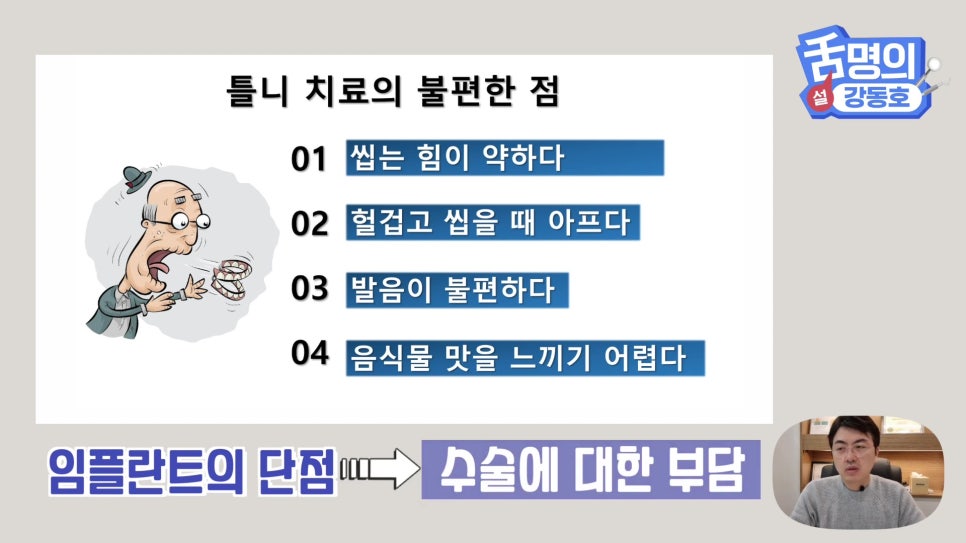
For people who find full-mouth implants burdensome because of the cost or the procedure itself, an alternative may be needed.
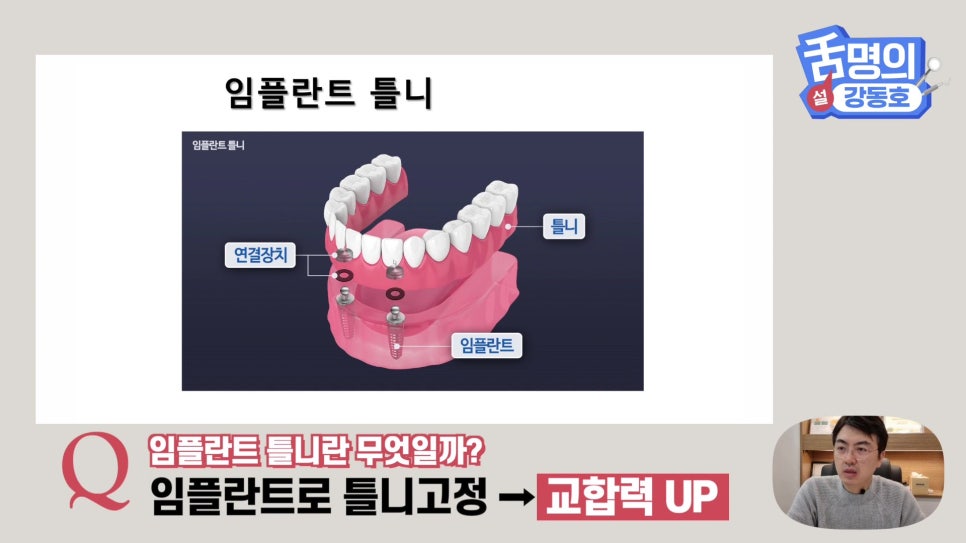
This is where “implant-supported dentures” came in.
As the name suggests, they combine the advantages of implants and dentures. A small number of implants are placed beneath the denture, and the denture is firmly secured to those implants.
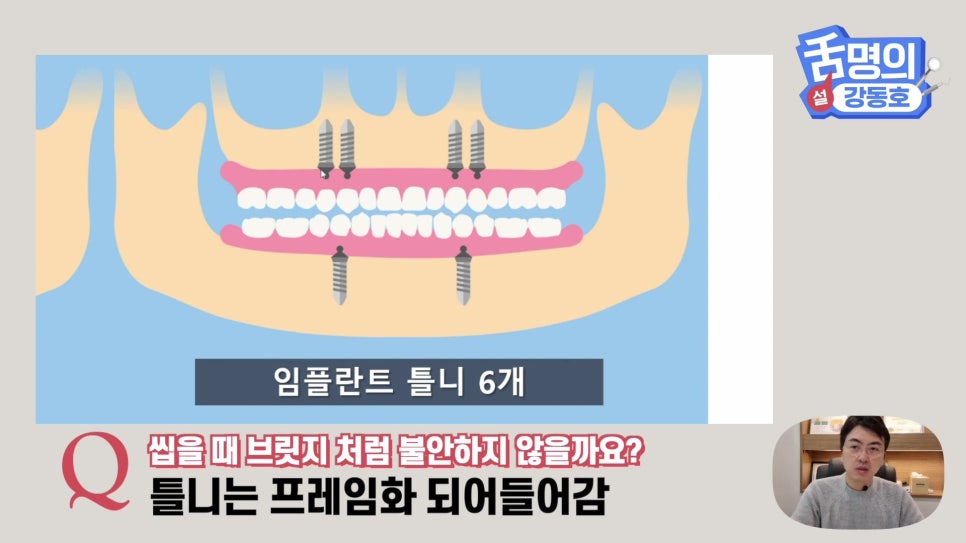
Usually, two implants are placed in the lower jaw and around four in the upper jaw.
Although the denture is removable, connectors such as rubber rings or button-like attachments provide much better retention. It can also be removed for cleaning after use.
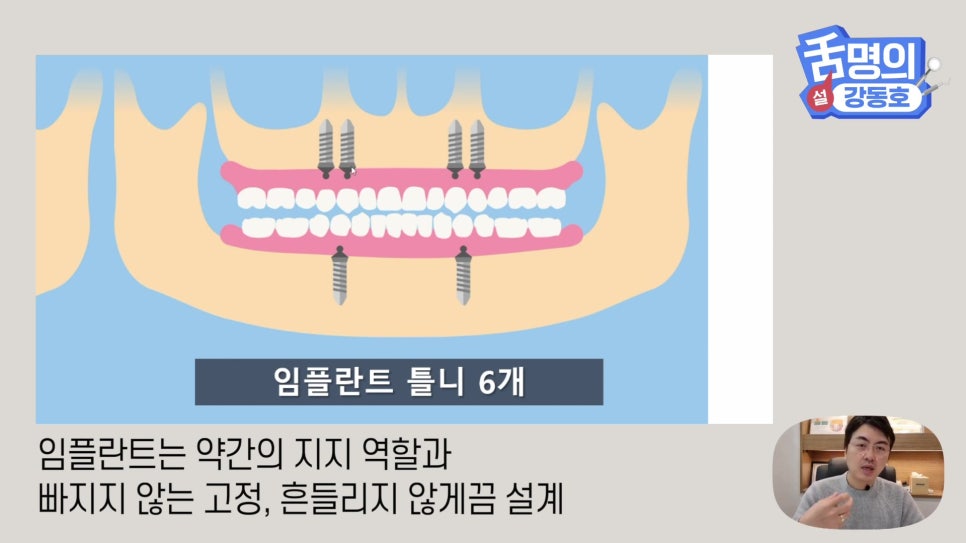
The advantages are clear. Because fewer implants are placed than with full-mouth implant treatment, the cost burden is reduced. Functionally, implant-supported dentures are also much more stable than conventional dentures.
Chewing forces are transmitted much more effectively, and, above all, the dentures do not wobble, making everyday life much more comfortable.



Of course, I am not saying that implant-supported dentures are always better than full-mouth implants.
However, for people who find full-mouth implants too burdensome, as well as those who find their existing dentures very uncomfortable, implant-supported dentures can be a fairly good alternative.
Today, I wanted to explain implant-supported dentures in a little more detail.
If you are considering treatment after losing teeth, it may be a good idea to seek a consultation before too much time passes.