Hello. I am Seung-hwan Shin, director of Yonsei U-Line Dental Clinic, Garak Branch, located in Garak-dong, Songpa-gu, near Garak Market Station.
Some patients are concerned because, although they went through the difficult process of completing implant treatment, they feel that something is moving after the implant has been finished.
If you actually feel this kind of movement, you should not simply ignore it.
This is because implants have a different structure from natural teeth and should never move.
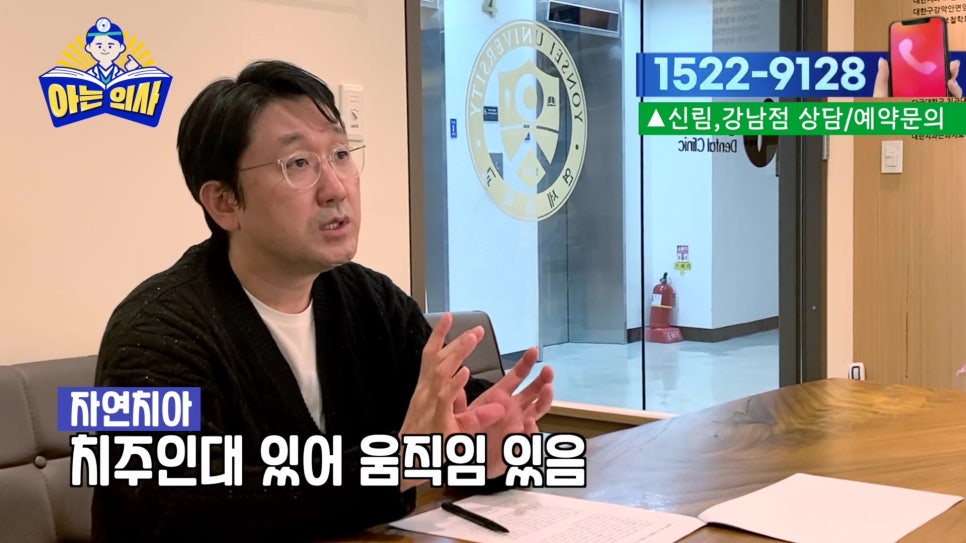
Natural teeth are not directly attached to the jawbone. Instead, they are separated from it by a thin tissue called the “periodontal ligament,” which allows for some movement.
They move slightly when you bite up and down, and they also have a small amount of flexibility from side to side.
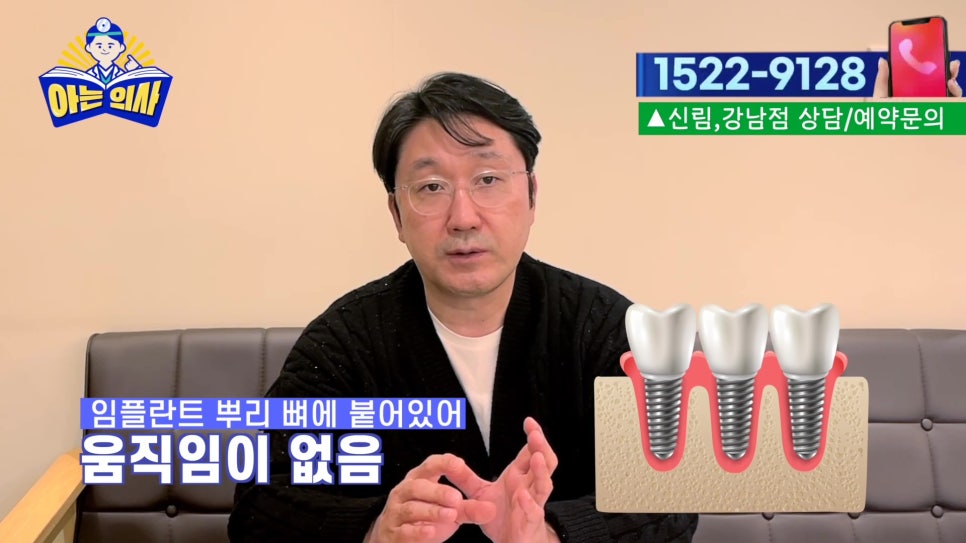
Implants, however, are different.
Because the implant root is firmly fixed to the bone, it should normally have almost no movement if it has properly integrated.
If you feel movement, several possibilities should be considered.
The first is that the prosthesis—in other words, the visible artificial tooth—has become loose or come off.
The post connecting the implant and its root is called an “abutment.” This part or the prosthesis itself may have become loose.
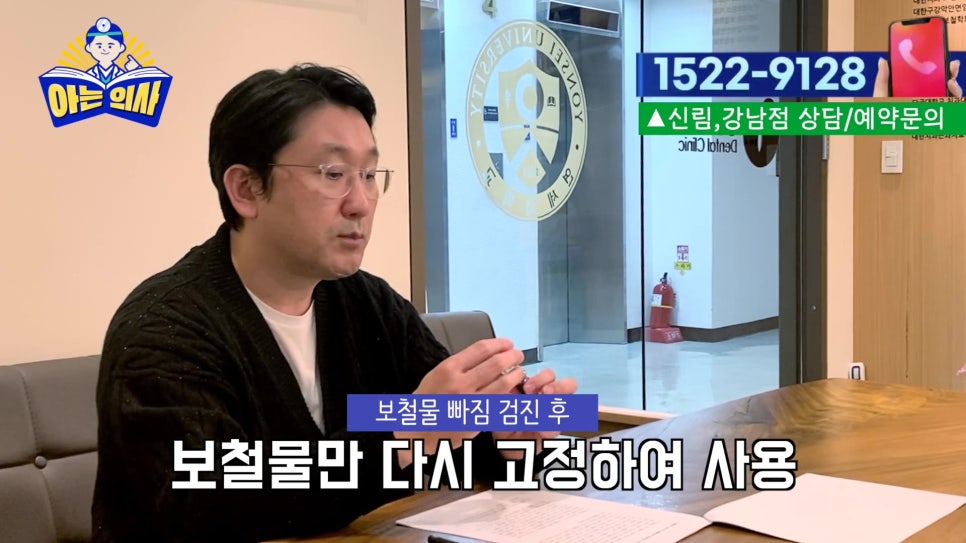
In areas with limited vertical space, such as the back molars, the bonding surface is narrow. As a result, the prosthesis may come off over time, even if it was initially attached firmly.
In this case, you can visit a dental clinic to have the condition checked, and simply reattaching the prosthesis may resolve the issue. It is not necessarily a major problem.
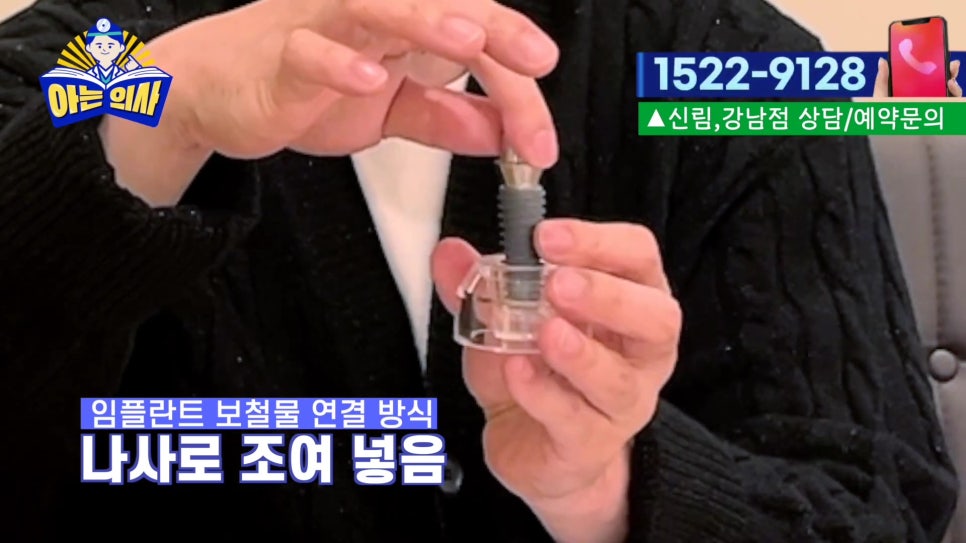
The second possibility is a problem with the intermediate post itself.
These days, two-piece abutments are commonly used. This structure is secured by tightening it to the implant root with a screw.
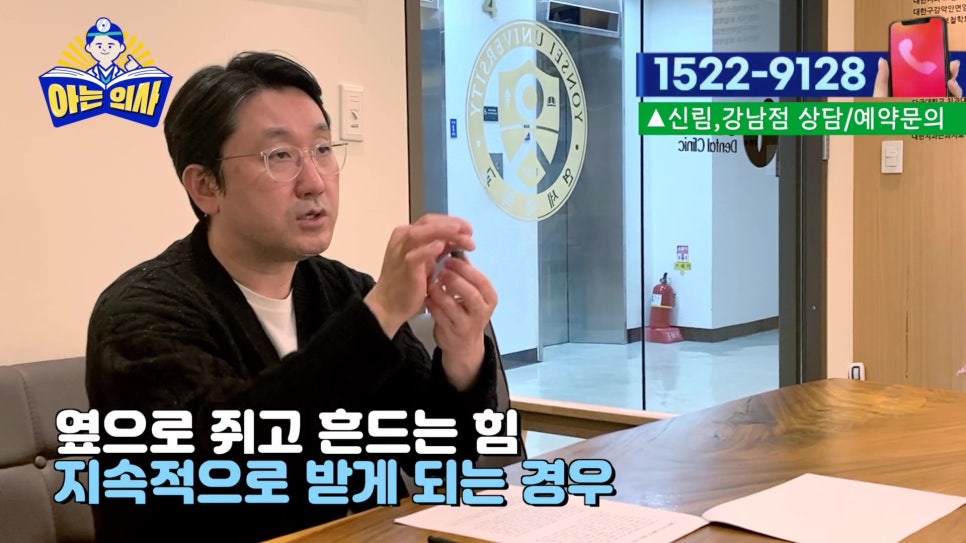
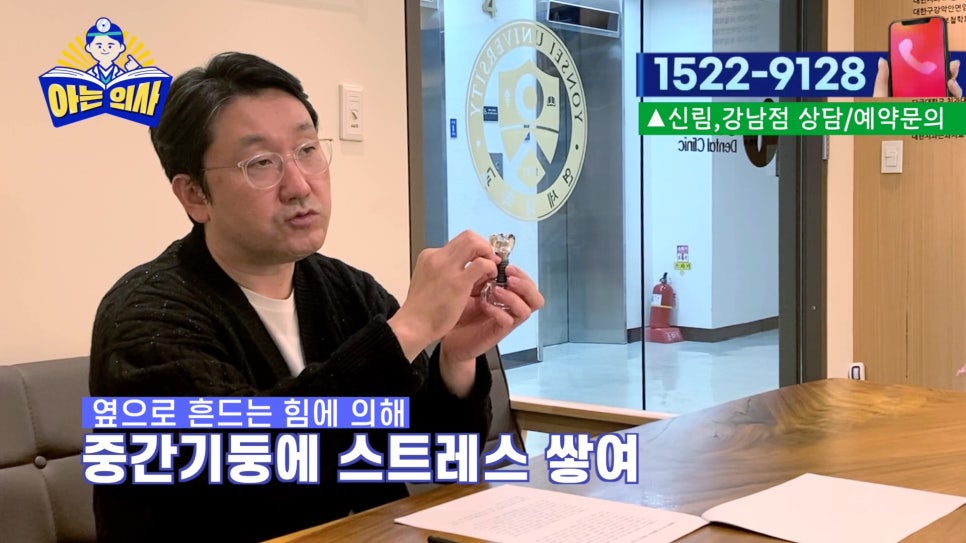
The force applied from above and below while eating is generally not a problem, but repeated twisting forces from the side can cause the screw to loosen or, in severe cases, cause the post to break.
This problem is especially common in people with well-developed jaw muscles or a habit of clenching their teeth.
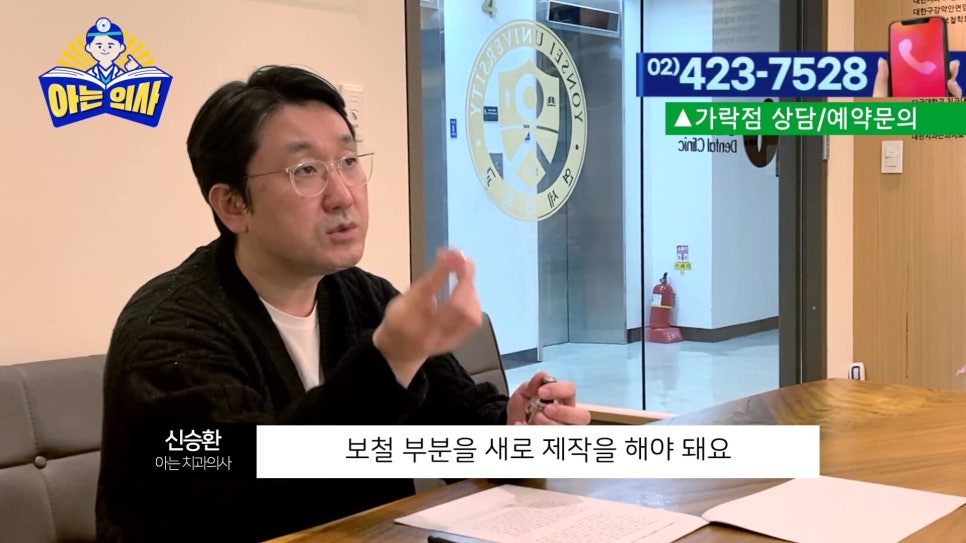
In such cases, simply tightening the screw will not resolve the problem, and the prosthesis itself must be newly fabricated.
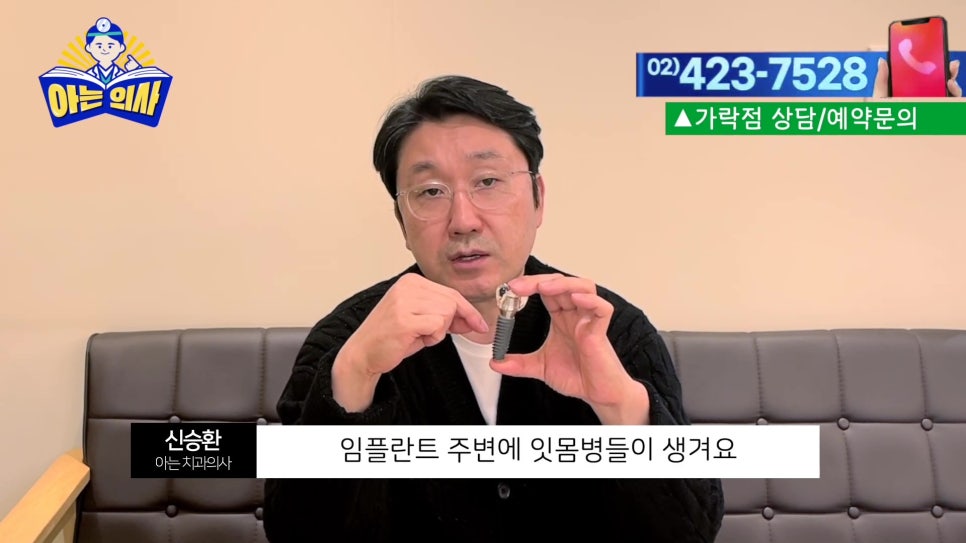
The third possibility is a particularly important one: the implant root itself is moving.
Even if the prosthesis is securely attached, it will not help if the implant that should be firmly fixed in the bone is moving as a whole.
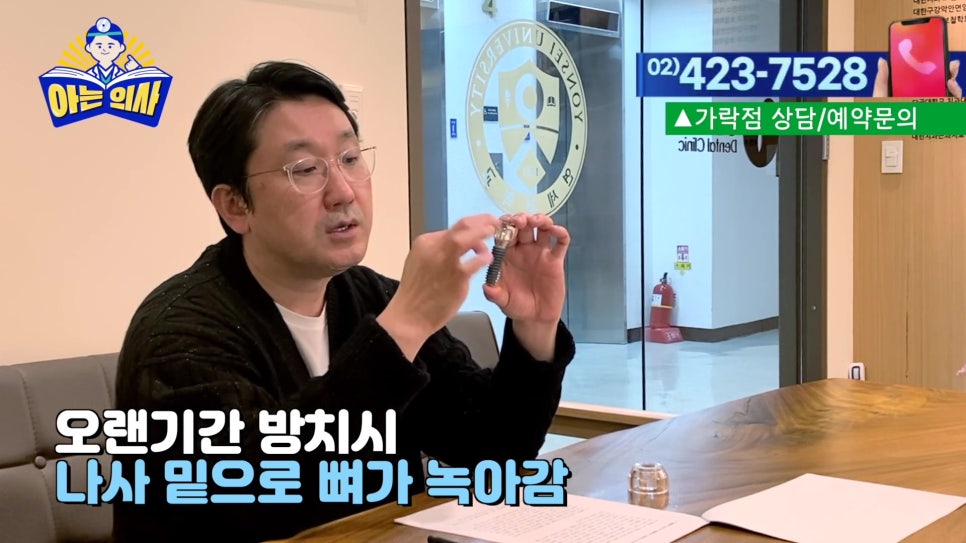
In most cases, the cause is inflammation around the implant, which has led to bone loss.
This is called “peri-implantitis.”
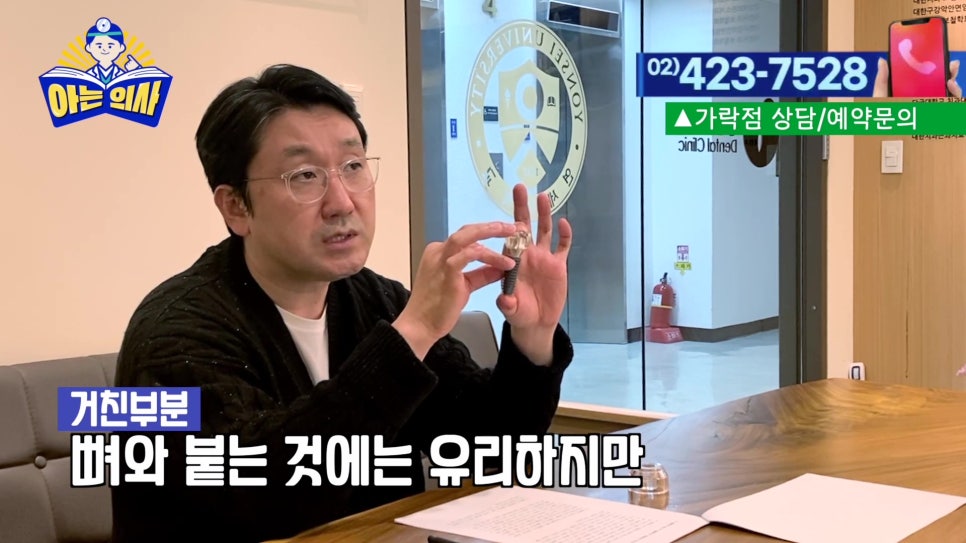
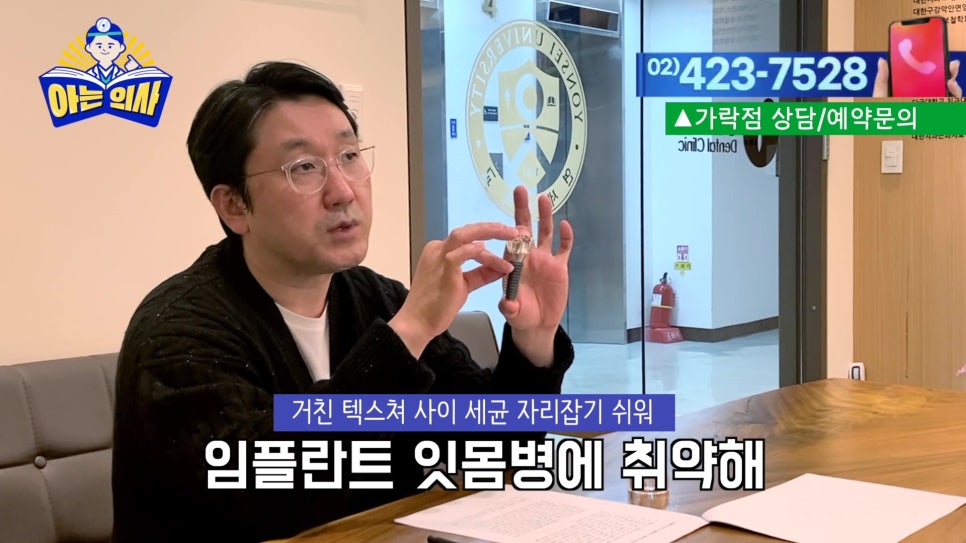
Implants themselves do not decay, but the surrounding gums are vulnerable to inflammation, just like those around natural teeth.
In addition, the surface of an implant is treated to be microscopically rough, so when inflammation develops, bacteria can easily settle into the gaps.
For this reason, you should receive regular scaling and gum care. If you experience bleeding, an odor, or similar symptoms, you should receive treatment without delay.
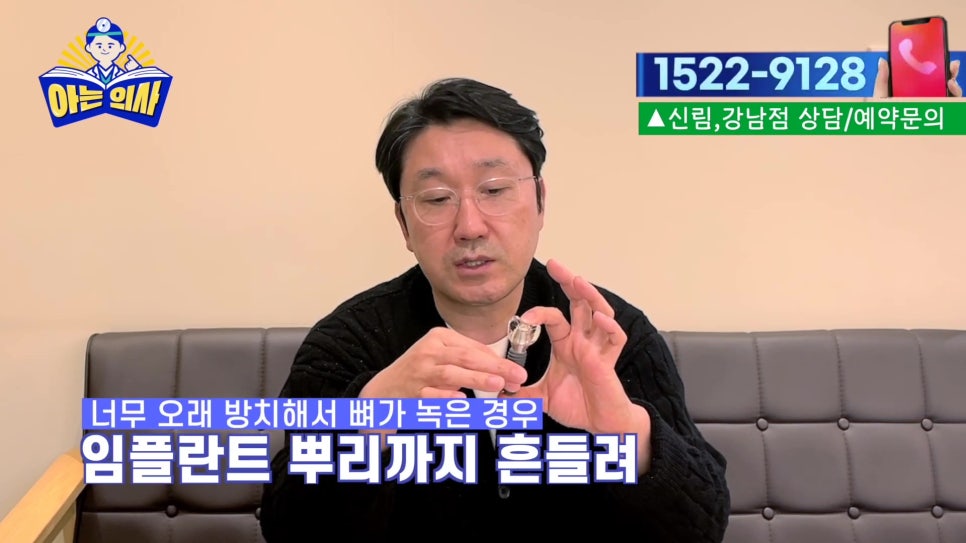
However, if you ignore these warning signs and leave them untreated, the condition may eventually progress to the point where the implant root itself becomes loose.
Once it has progressed this far, it is difficult to recover with gum treatment alone. The existing implant may need to be removed and replaced. In other words, retreatment may be necessary.
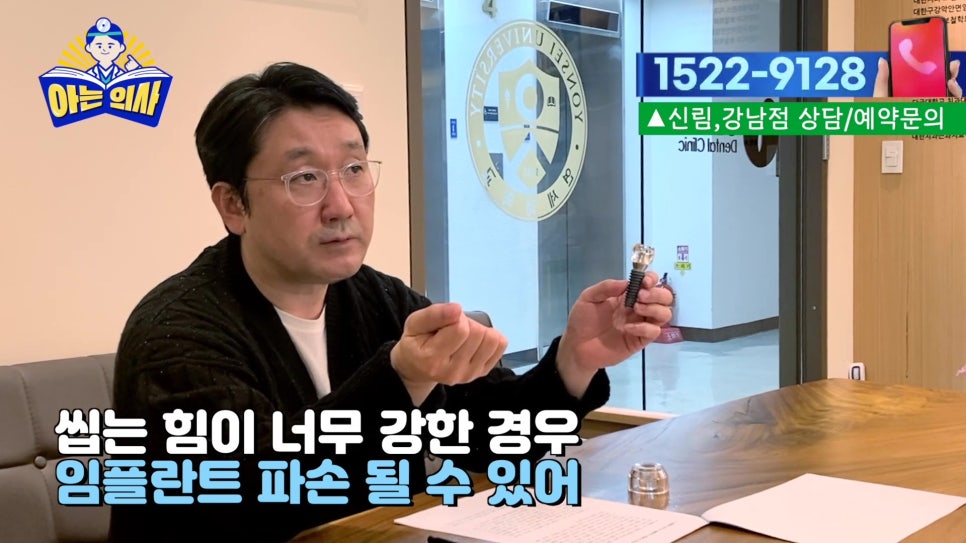
In very rare cases, an implant may become loose even when there has not been extensive bone loss.
This can happen when excessive force is applied while chewing, causing microscopic cracks in the root.
Because this may not be clearly visible even on an X-ray, a detailed examination may be needed if the movement continues to recur.
Ultimately, there can be several causes of implant movement. Some can be resolved simply, while others may lead to additional surgery.

The important point is that it is difficult to determine the exact cause based only on the discomfort you feel. If something feels unusual, be sure to visit a dental clinic for an examination.
Early detection and treatment can make the condition manageable.
If you have noticed movement, do not simply ignore it. Please have it examined by a dentist.