Hello, I am Shin Seung-hwan, the director of Yonsei U-Line Dental Clinic, Garak Branch, located near Garak Market Station in Garak-dong, Songpa-gu.
Today, I would like to answer two questions.
The first question was whether gum grafting can help when the gums recede after implant placement, causing the post or root to become visible.
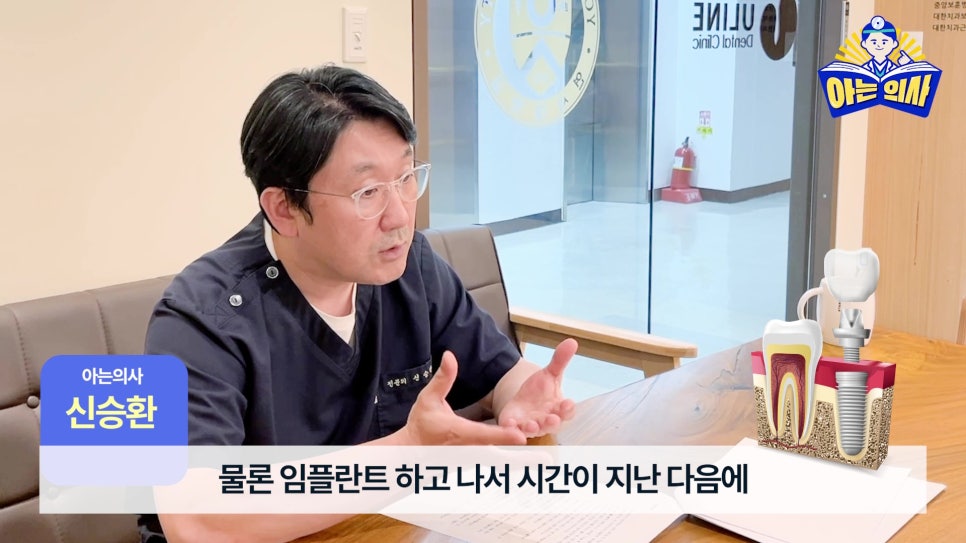
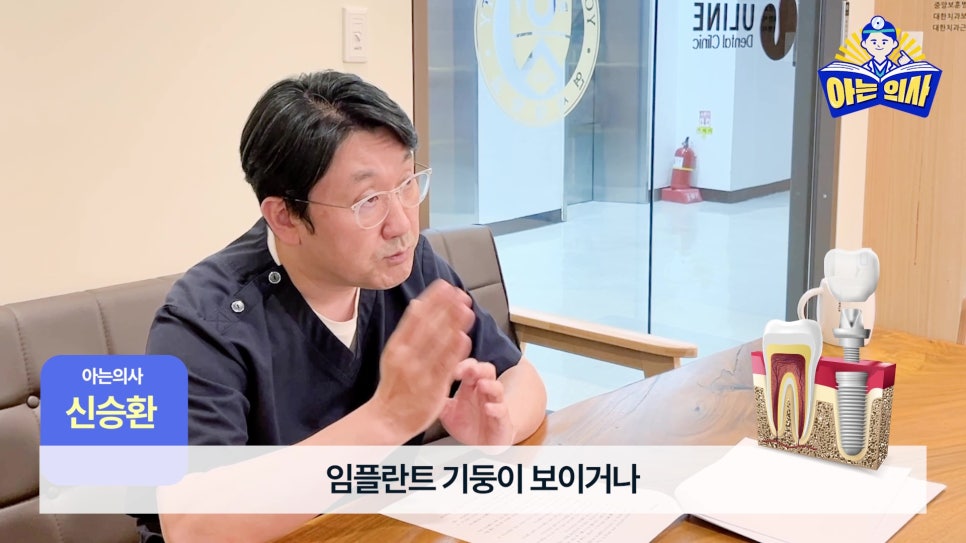
Several years after implant treatment, especially in older adults, the bone may naturally resorb, causing the post or root to become exposed.
In this situation, the most fundamental solution is to remove the implant, perform bone grafting, and place a new implant. However, if replacement is difficult for various reasons, or if the patient is already elderly, gum grafting may be considered to reduce aesthetic discomfort.
However, although gum grafting may help cover an exposed implant and improve its appearance, it is important to understand that it is not a treatment that regenerates lost bone.
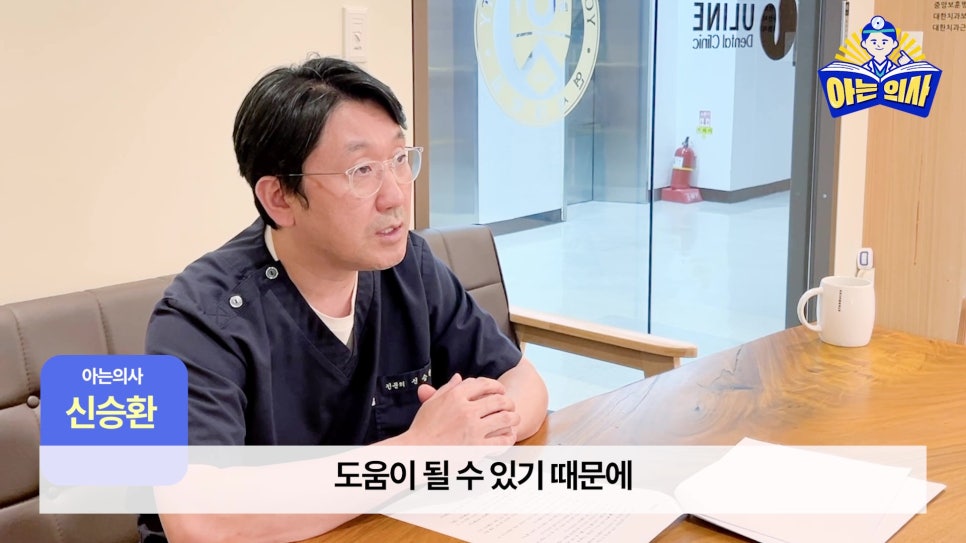
In other words, when the root is extensively exposed, gum grafting may be used as a supplementary measure to “maintain the implant so it can be used for a few more years,” rather than as a complete solution.
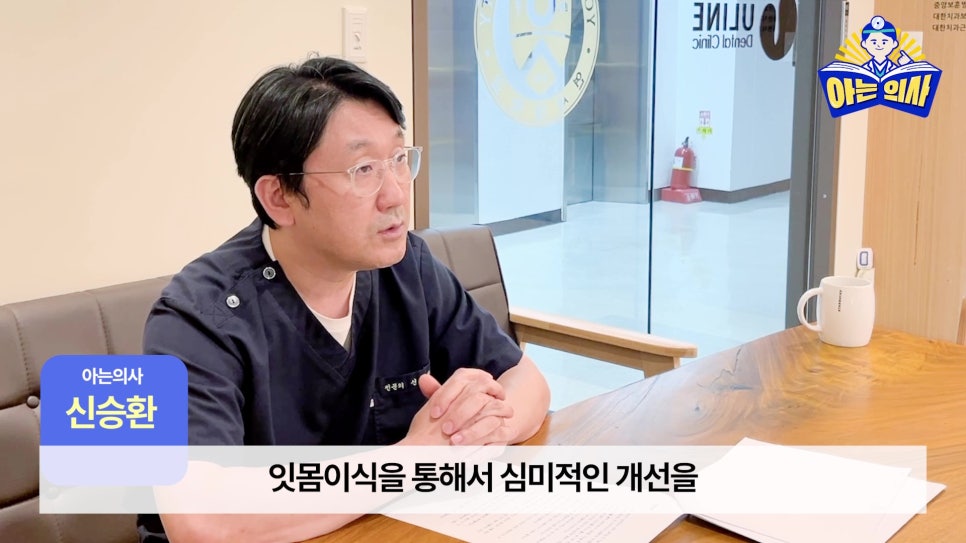
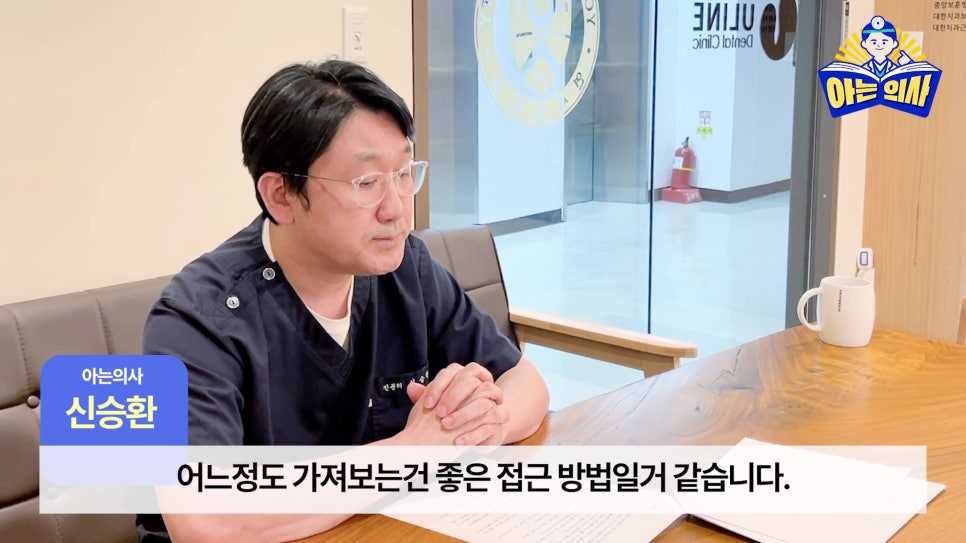
If there is no inflammation and aesthetic improvement and hygiene management are possible, gum grafting may be expected to have a positive effect.
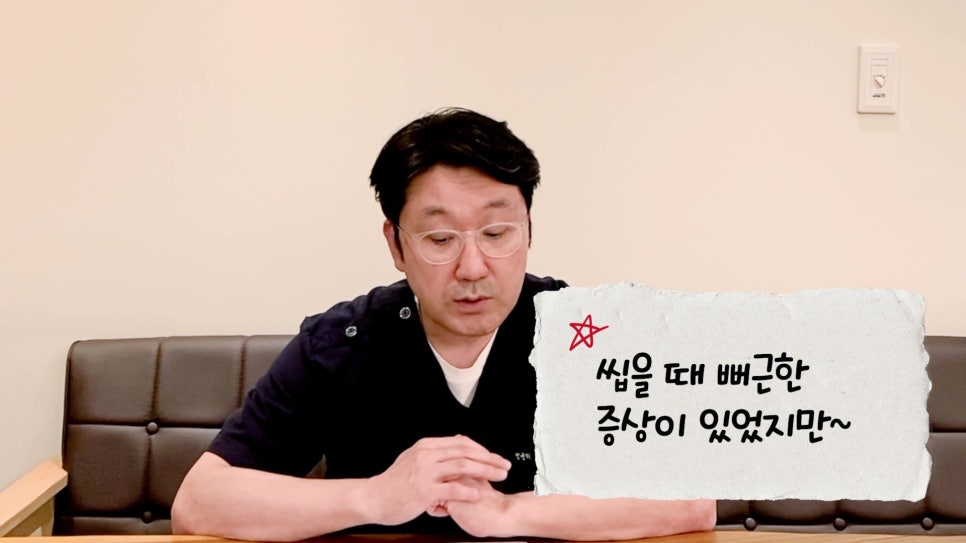
The second question was: “It felt sore when I chewed, but it got better over time. Could my tooth be cracked?”
When a tooth is cracked, it usually causes “a sharp, sudden, electric-like pain.” The symptoms generally do not improve over time and instead tend to gradually worsen.
However, if the discomfort disappeared over time, as it did for the person asking the question, it is more likely that the bite, or the contact between the teeth, was temporarily misaligned rather than that the tooth was cracked.
So, what symptoms can occur when a tooth is actually cracked?
-
In the early stages, slight electric-like sensations or intermittent pain may occur.
-
As it gradually worsens, it becomes more painful each time you chew, and tenderness becomes more noticeable.
-
If the crack progresses further, it can affect the nerve and may eventually lead to extraction.
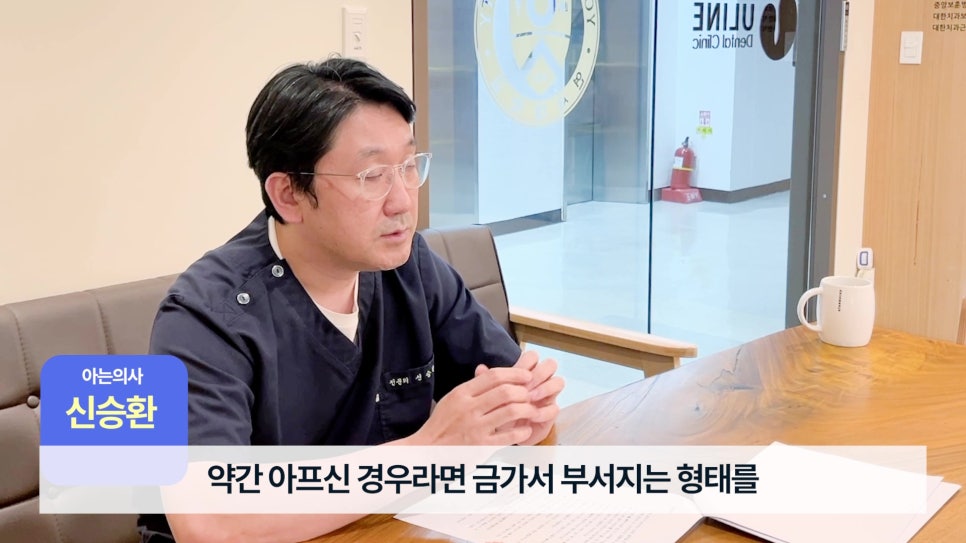
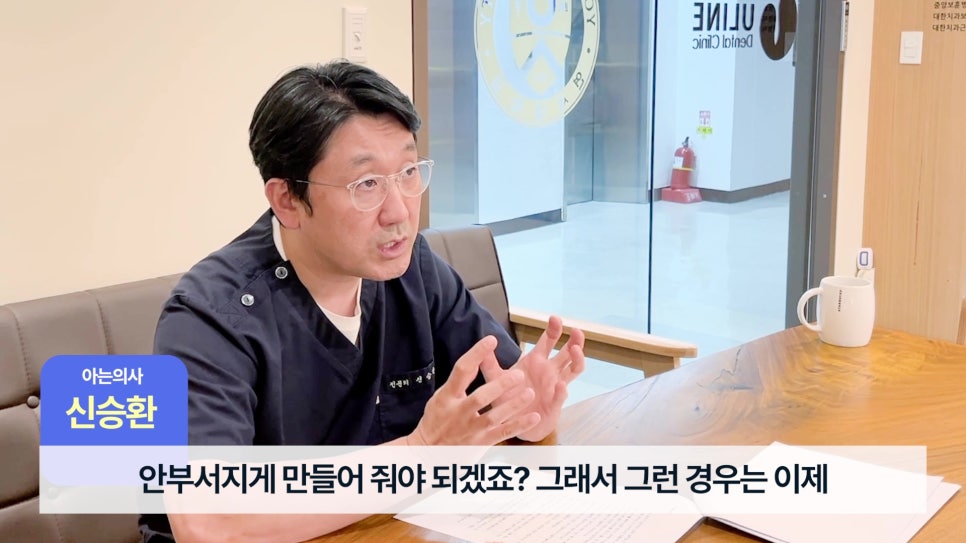
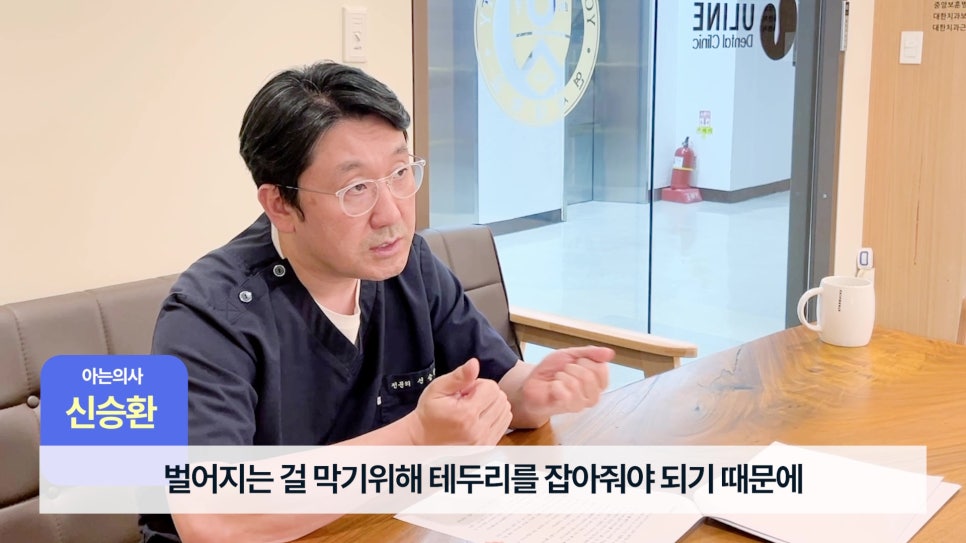
When a crack is suspected, treatment is approached in stages as follows.
-
Mild crack + no symptoms: Observe the tooth initially.
-
Mild pain: Protect the tooth with a crown to prevent the crack from opening further.
-
Severe, persistent pain: Root canal treatment followed by crown treatment.
-
Crack extending to the root: If root canal treatment is not possible, extract the tooth and replace it with an implant.
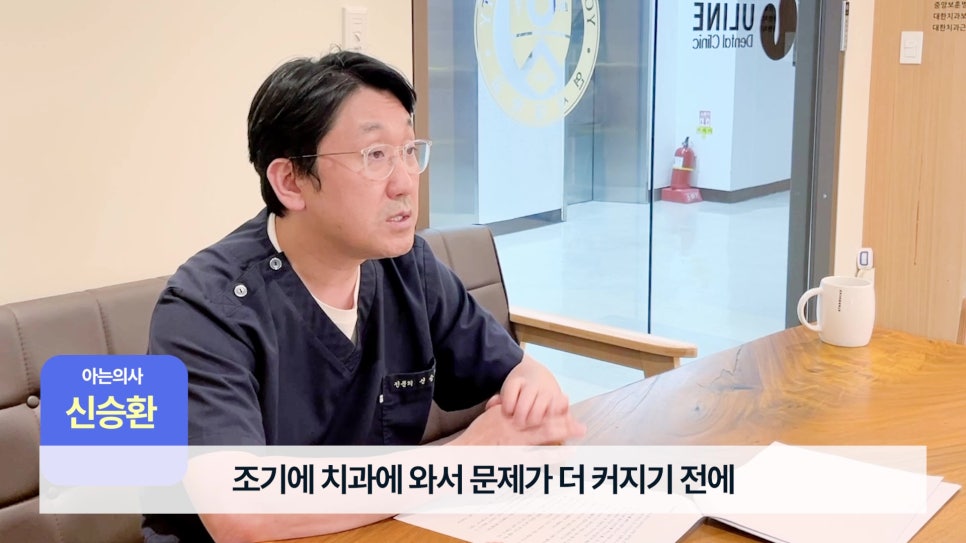
In particular, when a crack is suspected, it is important to receive an early diagnosis and treatment while the symptoms are still mild. The longer treatment is delayed, the less likely it is that the tooth can be saved, and the greater the burden of pain and cost may become.
To summarize, when an implant’s root or post is exposed, gum grafting may provide aesthetic improvement depending on the situation, but regenerating the bone is difficult.
In addition, the treatment approach for a cracked tooth varies depending on how far the symptoms have progressed. If you have symptoms that raise suspicion, the best course of action is to visit a dental clinic early for an examination.