Hello. I am Shin Seung-hwan, the representative director of Yonsei U-Line Dental Clinic, Garak Market Station Branch, located near Garak Market Station in Garak-dong, Songpa-gu.
It is a pleasure to meet you.
Many people wonder whether a tooth must always be extracted if it becomes loose.
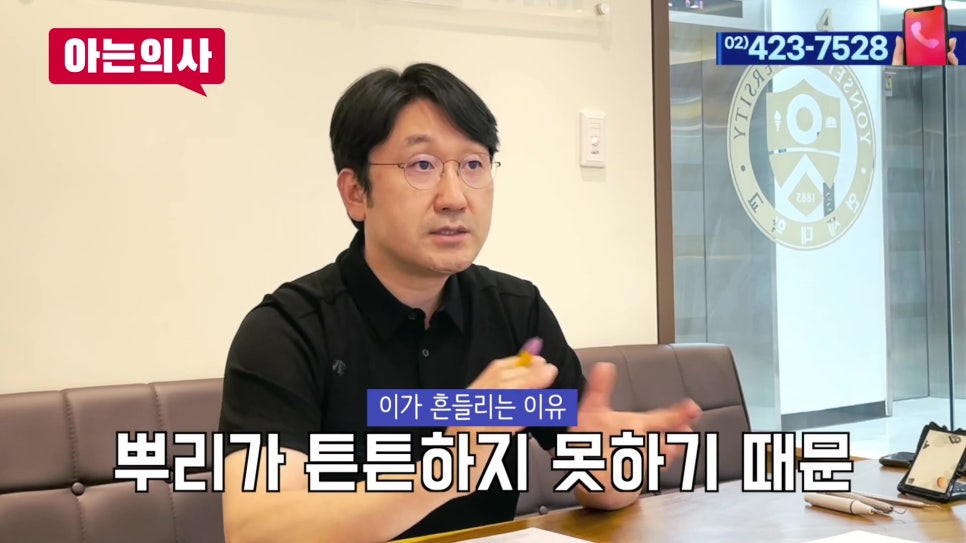
A loose tooth means that its root is not firmly anchored.
Just as a tree will not fall if its roots are strong, a tooth will not become loose when its roots are healthy.
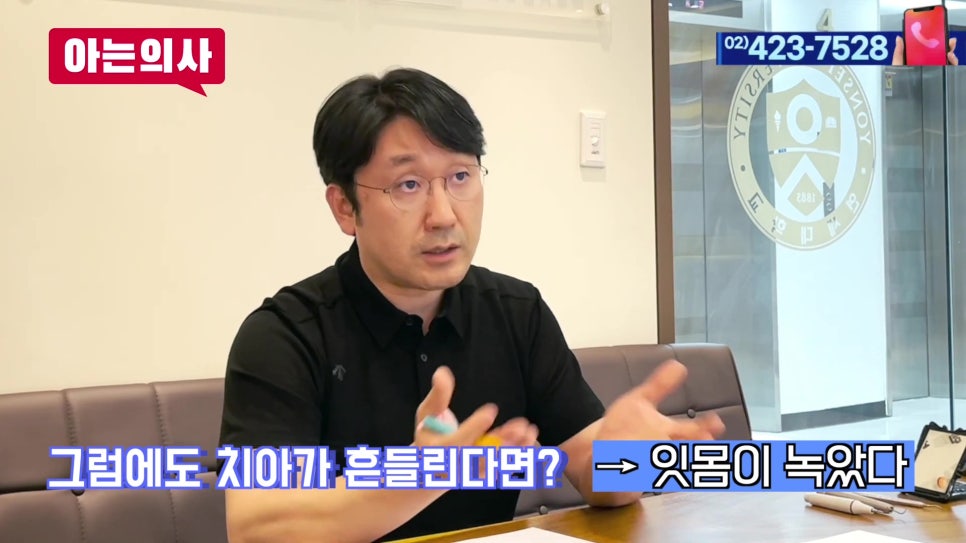
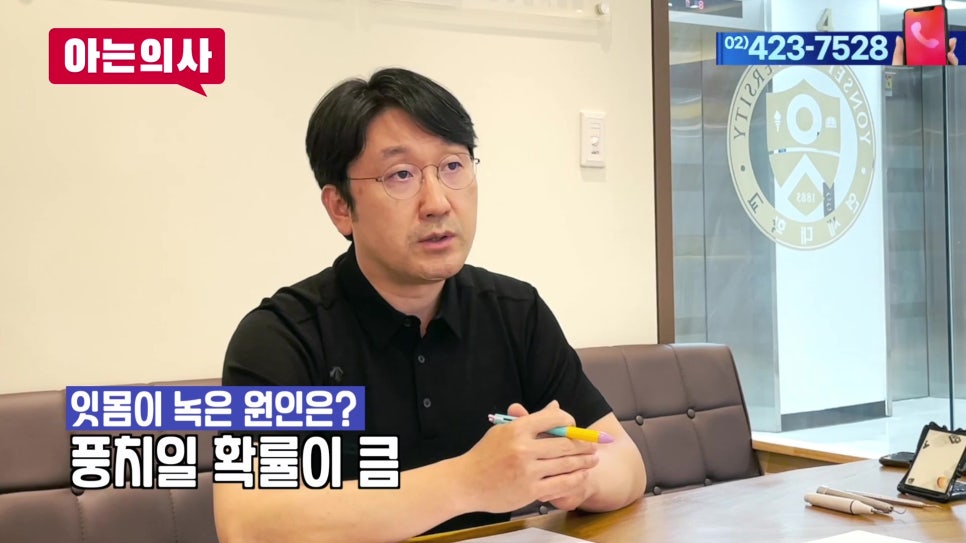
Ultimately, a loose tooth can be viewed as a sign that the bone supporting the gums has already deteriorated significantly.
The most common cause of loose teeth is gum disease, or periodontal disease.
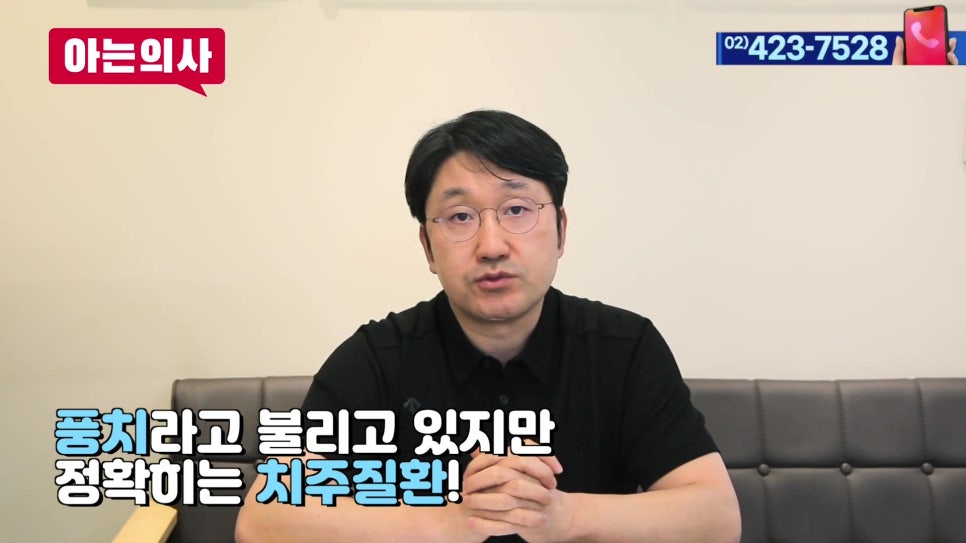
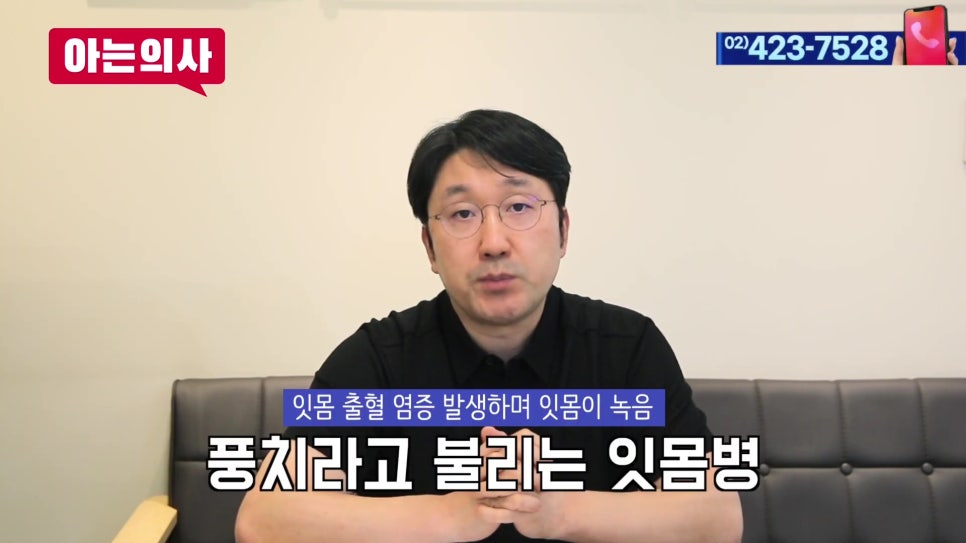
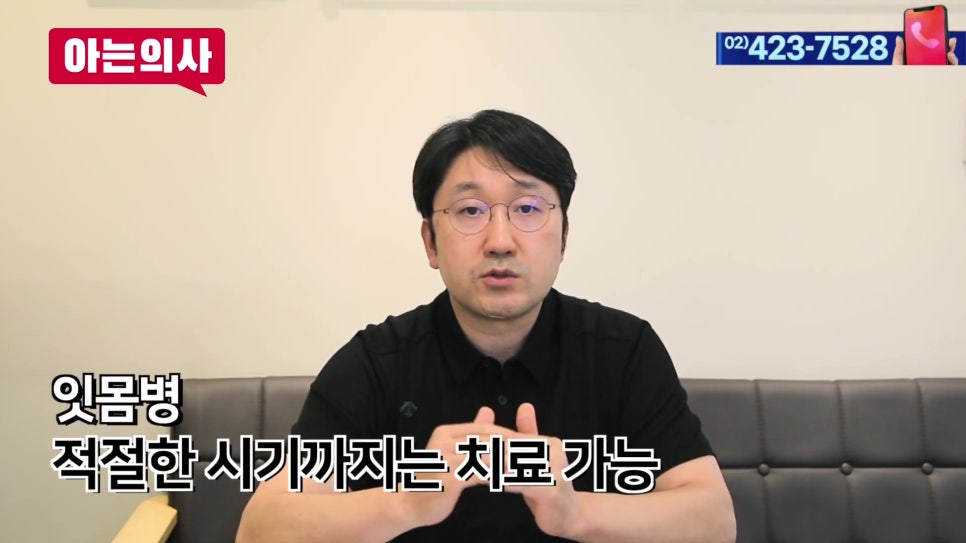
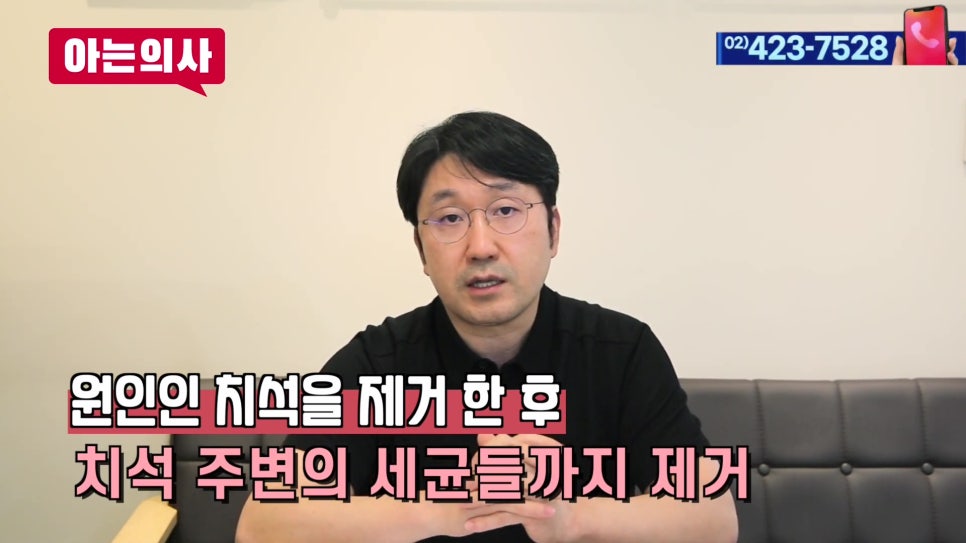
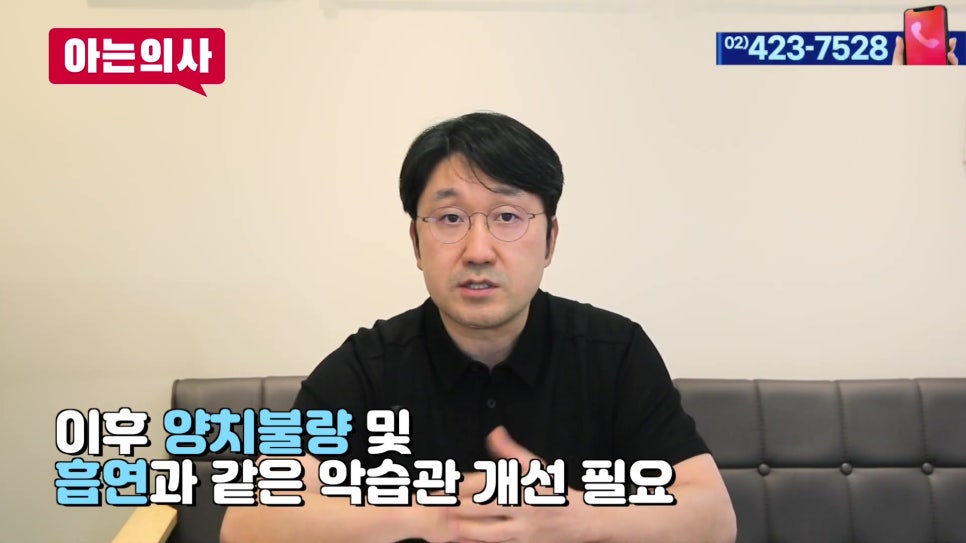
Periodontal disease is a condition in which the gums become inflamed and bleed, and the supporting bone gradually deteriorates over time.
The main causes are tartar and bacteria hidden deep below the gumline. Removing them, along with practicing proper brushing and improving daily habits, can help prevent further progression.
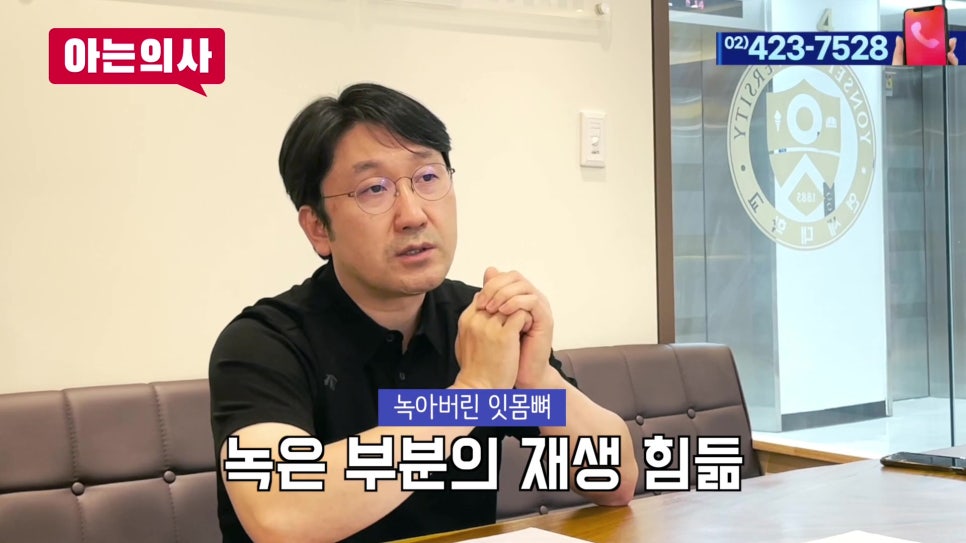
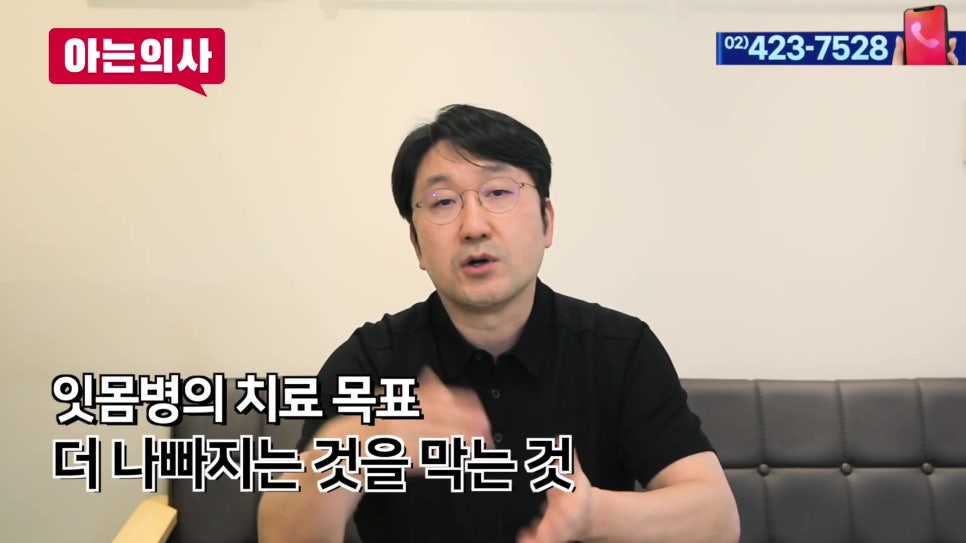
However, it is rare for supporting bone that has once deteriorated to regenerate, so the goal of treatment is to manage the condition so that it does not worsen further.
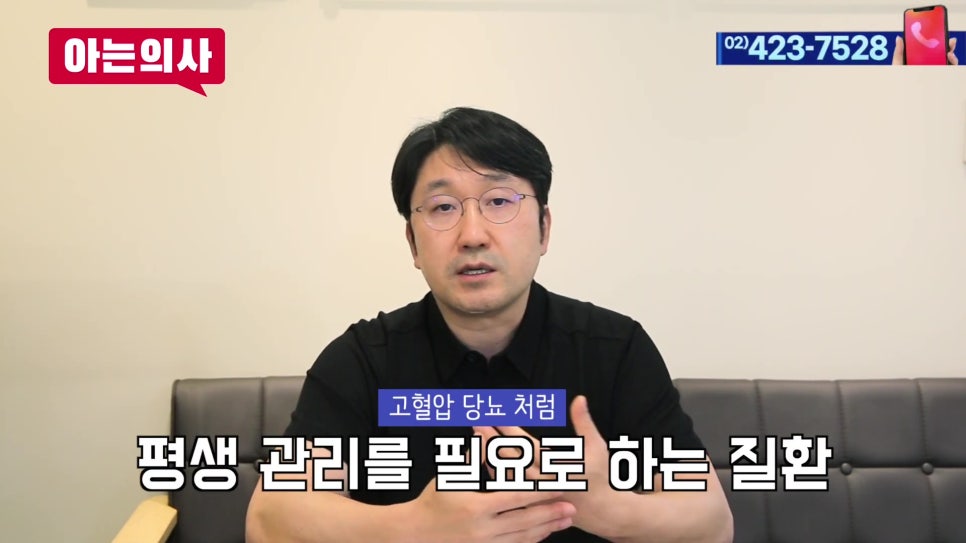
It is appropriate to think of periodontal disease as a condition that requires lifelong management, like high blood pressure or diabetes.
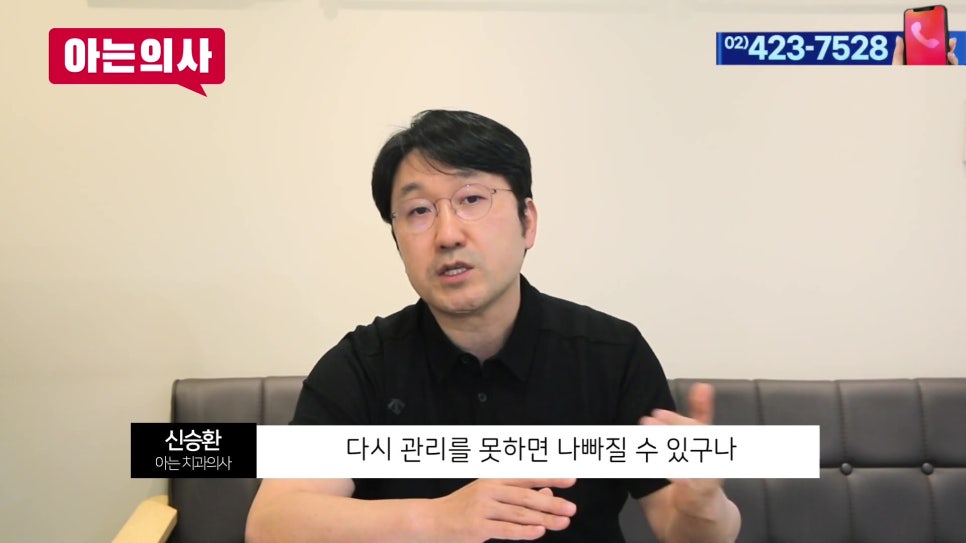
Therefore, even after periodontal disease treatment, it is important to have regular dental checkups and professional cleanings, while consistently practicing proper brushing at home.
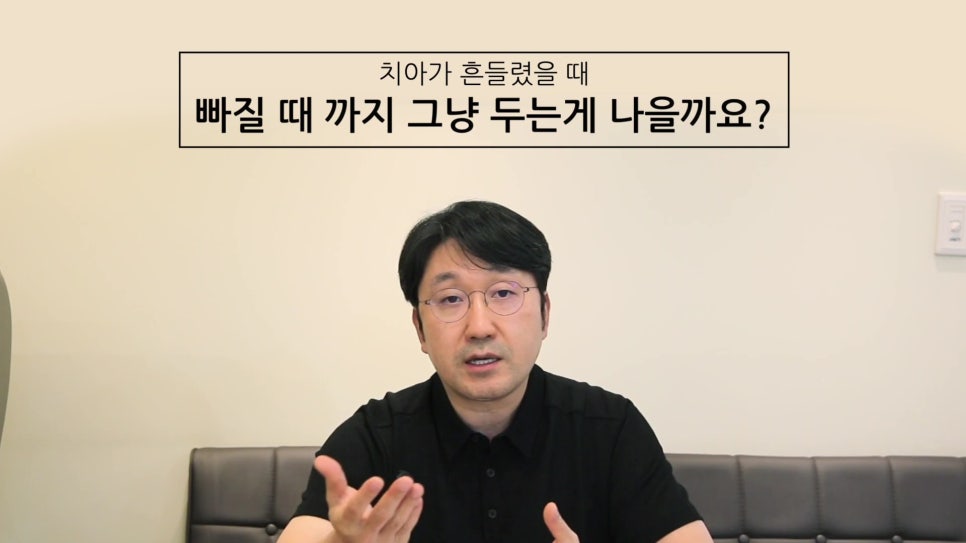
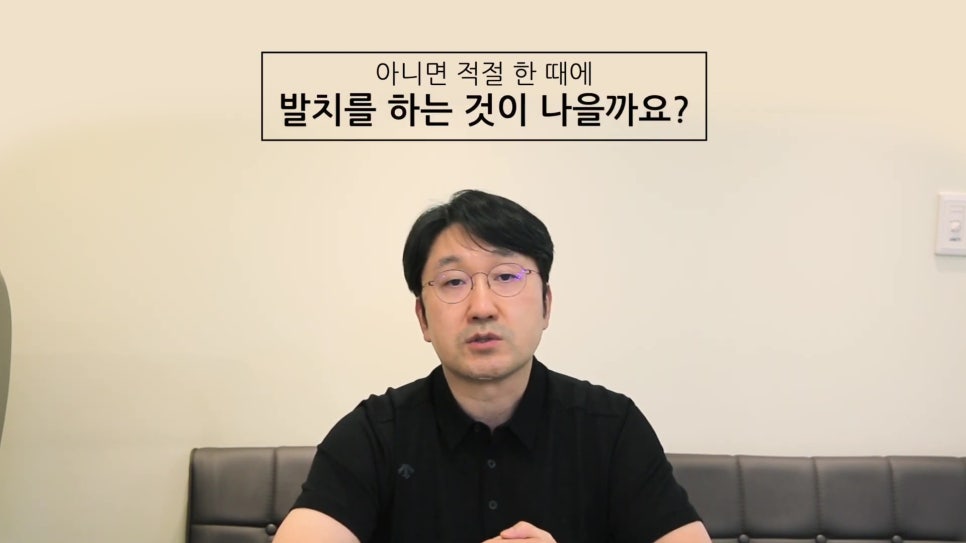
So, how long is it appropriate to leave a loose tooth untreated?
It depends on the circumstances. If an X-ray shows that almost all of the supporting bone has deteriorated and there is no possibility of recovery, extraction before the condition worsens may be advisable.
However, if a certain amount of bone remains and the condition is not progressing quickly, it may be possible to monitor it over time with treatment and ongoing care.
In summary, a loose tooth does not always need to be extracted, but it is not necessarily right to leave it untreated indefinitely either.
The safest approach is to assess the condition of the supporting bone and the rate of progression, then determine the appropriate timing for treatment with a dentist.