Hello. I am Kang Dong-ho, chief director of Yonsei Uline Dental Clinic, Sillim branch, located right in front of Exit 7 of Sillim Station in Sillim-dong, Gwanak-gu.
Many people, when they think of “gum disease,” imagine swollen gums that bleed or advanced periodontitis with loose teeth.
But from a doctor’s point of view,
these symptoms usually mean the inflammation has already progressed quite a bit.
Even if the gums are swollen or painful, if it is an early stage,
treatment can help restore them.
For example, if inflammation develops around the gum bone surrounding a single-rooted tooth,
it is often possible to clean the area thoroughly by curettage, meaning removal of the inflamed tissue,
and if it is properly managed,
it can often be used for a long time.
However, teeth with multiple roots, such as molars,
are a different story.
Because the roots branch out like the legs of a camera tripod,
if inflammation develops deep between them,
it is difficult to remove it completely.
If inflammation remains or food becomes trapped,
allowing bacteria to live there, the gums may look fine on the surface,
but chronic inflammation will eventually recur,
and in many cases, tooth extraction becomes necessary
even if the tooth is not loose.
When should a tooth be pulled?
The decision to extract a tooth depends on how deeply the inflammation has spread,
and how much of the gum bone has already been lost.
It is also important to consider whether the gum bone will fill in well after the tooth is removed.
If the inflammation is severe or the bone is thin,
new bone does not form well,
so if the tooth already needs to be extracted,
it is best to do so as soon as possible.
However, even if the inflammation is removed,
a dental implant cannot be placed right away.
For good results, implants need to be placed into healthy gum bone,
so it is important to proceed only after the inflammation has subsided
and the shape of the bone has stabilized.
If you go through this preparation process thoroughly,
the implant position becomes more accurate,
and its lifespan also gets longer.
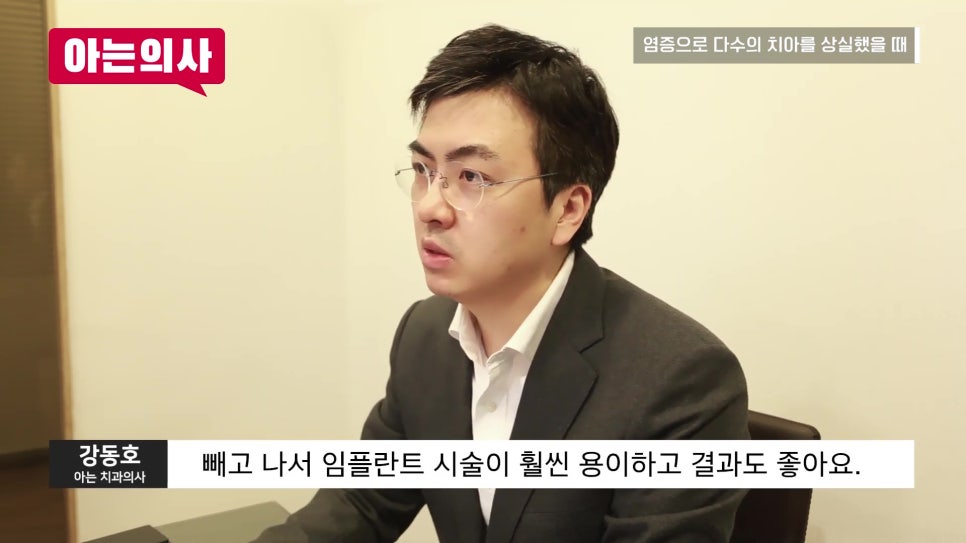
Differences in gum bone recovery from person to person
The thickness and shape of the gum bone vary from person to person,
and innate genetic factors also play a major role.
Some people have thick, strong gum bone that recovers well
even when inflammation is severe,
while others have thin bone and find recovery difficult even with the same inflammation.
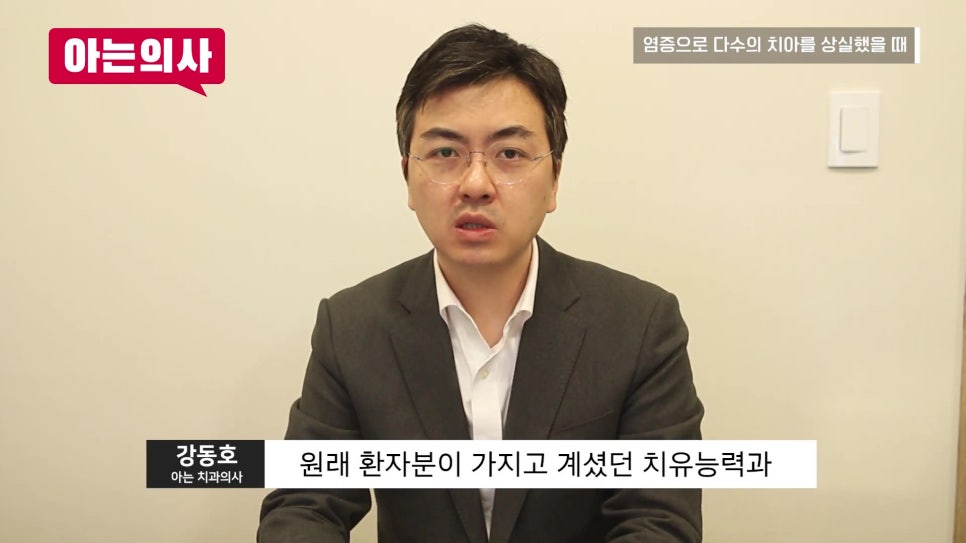
That is why the results of an implant also differ depending on the patient’s
original bone condition and healing ability.
However, even if your natural condition is not ideal, you can still achieve good results
depending on how well you manage things afterward.
Management determines the prognosis
In the end, treatment for inflammation or implant procedures
is a battle of “time” and “management.”
If you consistently manage things and maintain strict hygiene,
implants can also be used firmly for a long time.
Yonsei Uline Dental Clinic, 8th Floor, Renaissance Shopping Mall, Sillim-dong, Gwanak-gu
tel:02-889-2822