Hello. I am Kang Dong-ho, the chief director of the Sillim branch of Yonsei U-Line Dental Clinic, near Sillim Station in Sillim-dong, Gwanak-gu.
Sometimes, there are cases where an implant has to be removed after being placed.
About 3 to 4 weeks after surgery, some people come in saying, “The area is swelling,”
or “The pain keeps going.”
Overall, if about 100 implants are placed,
around three or four of them are removed for these reasons.
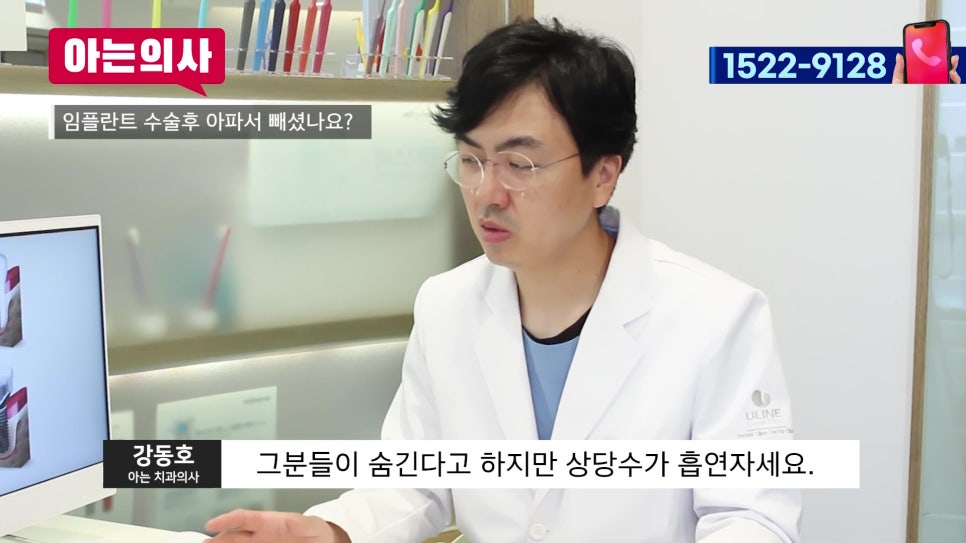
However, if you look closely at these cases, they have one thing in common.
Most are male patients in their 40s and 50s,
and they are smokers.
These days, implants are performed often regardless of age or gender,
but smoking is still one of the main causes of a higher failure rate.
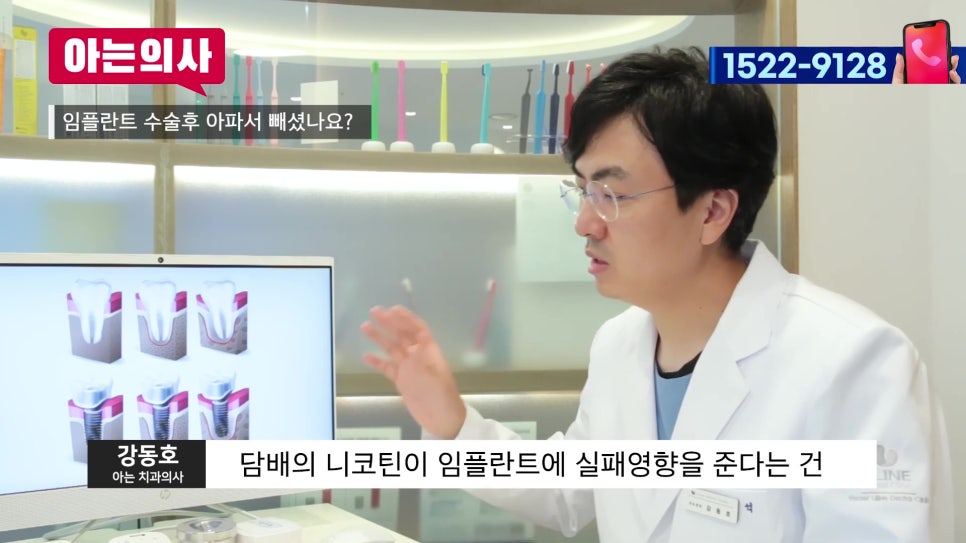
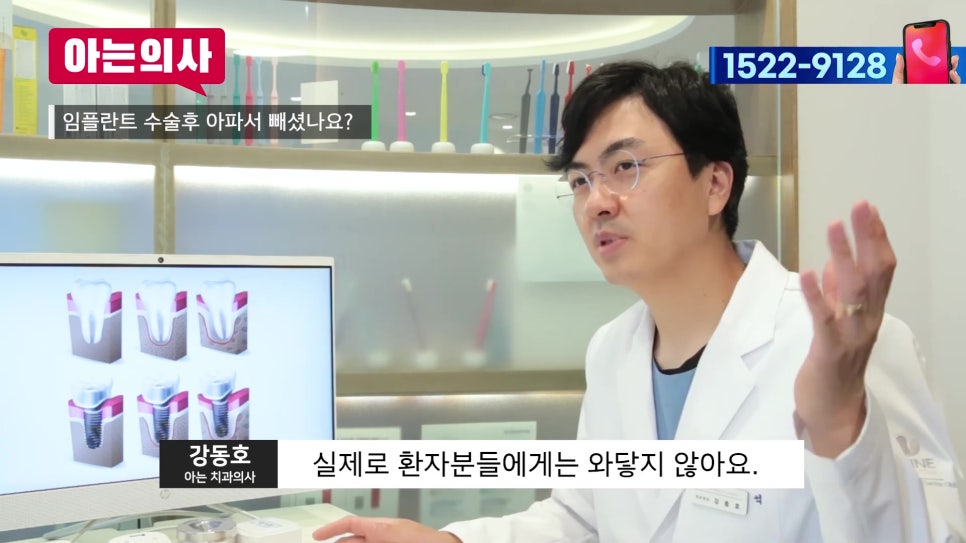
In fact, it has already been proven in several studies that nicotine in cigarettes affects implant failure.
But in practice, patients often have trouble feeling that connection.
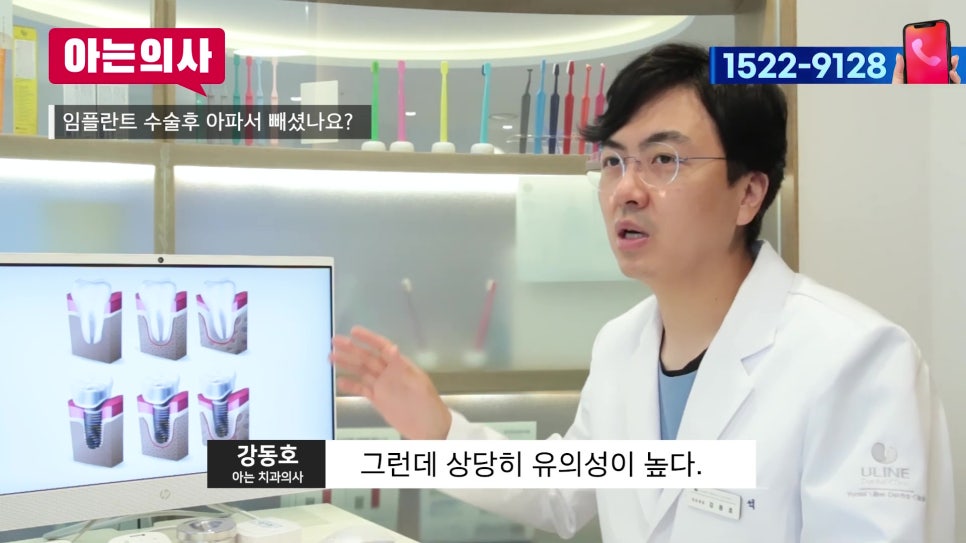
“Surely smoking a little wouldn’t make an implant come loose, right?”
Many people think this way.
But in reality, that is not the case.
From my experience, the implant failure rate in smokers
is much higher than in non-smokers.
It is not an exact figure, but based on what I have seen, it would not be an exaggeration to say that nearly half of smokers experience problems.
In severe cases, when 10 implants are placed,
about 3 may come loose.
That is how much smoking affects implant success.
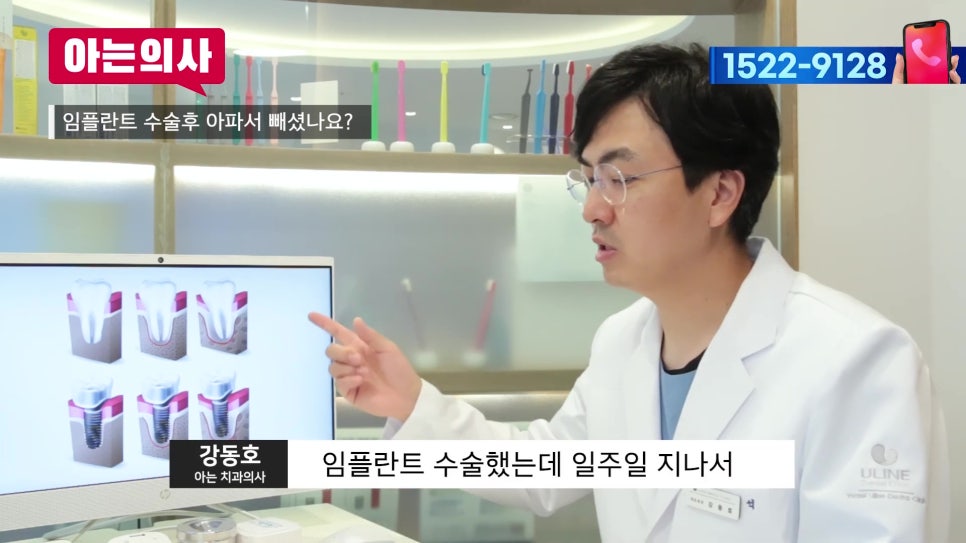
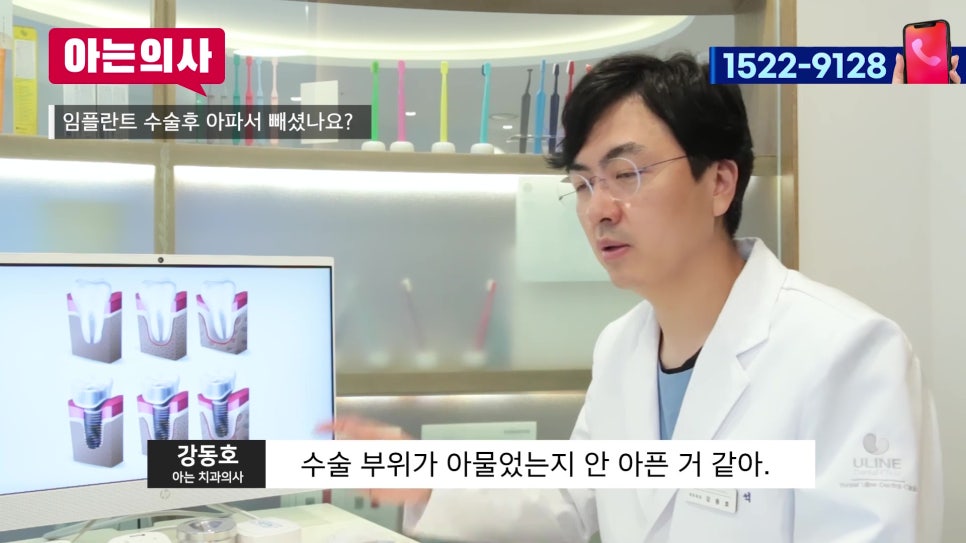
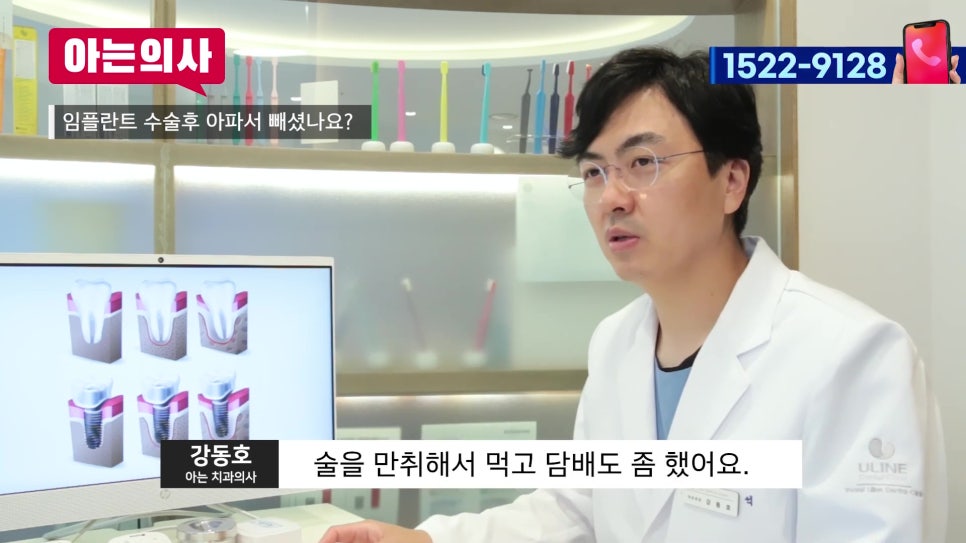
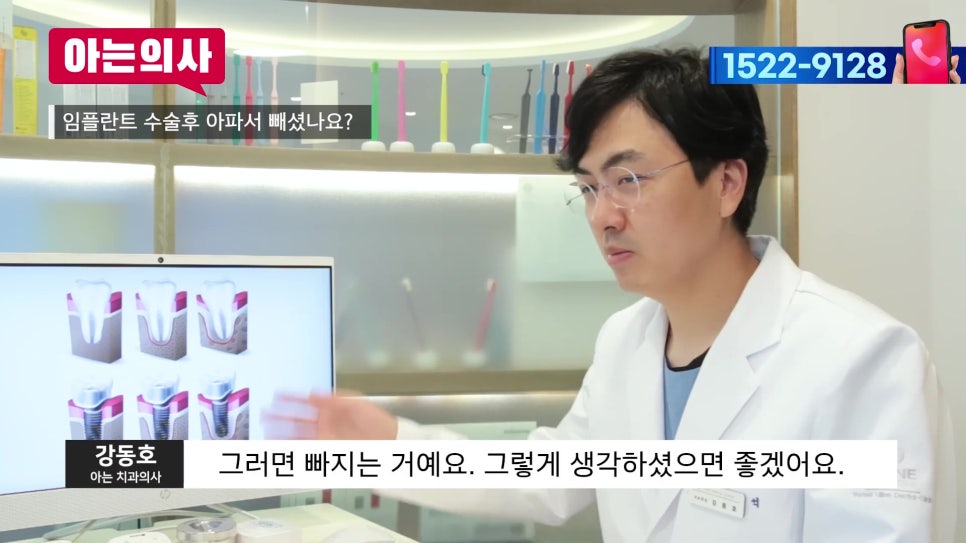
The period right after surgery is especially important.
People who drank alcohol or smoked just a few days after surgery
almost always develop inflammation,
or the grafted area does not heal properly.
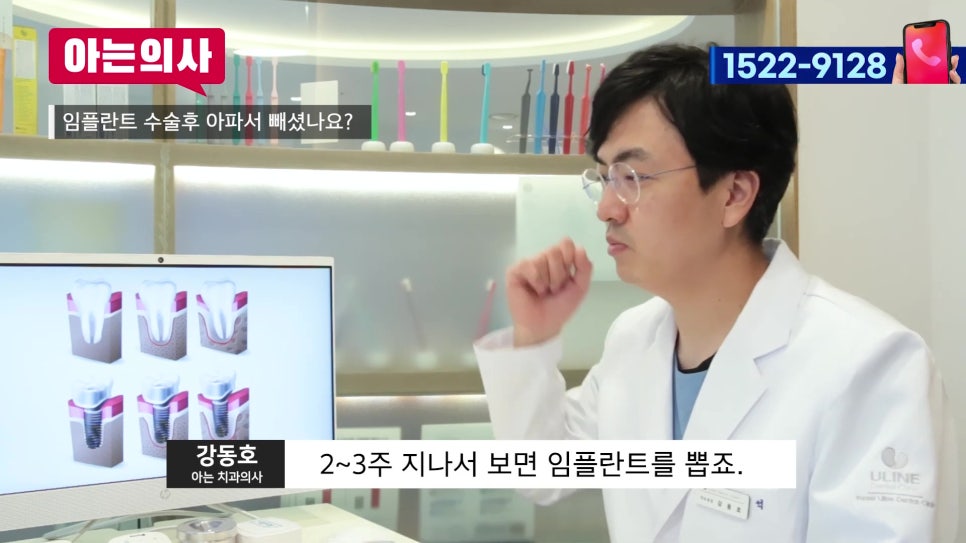
In the end, the implant fails to settle in place
and becomes loose or falls out.
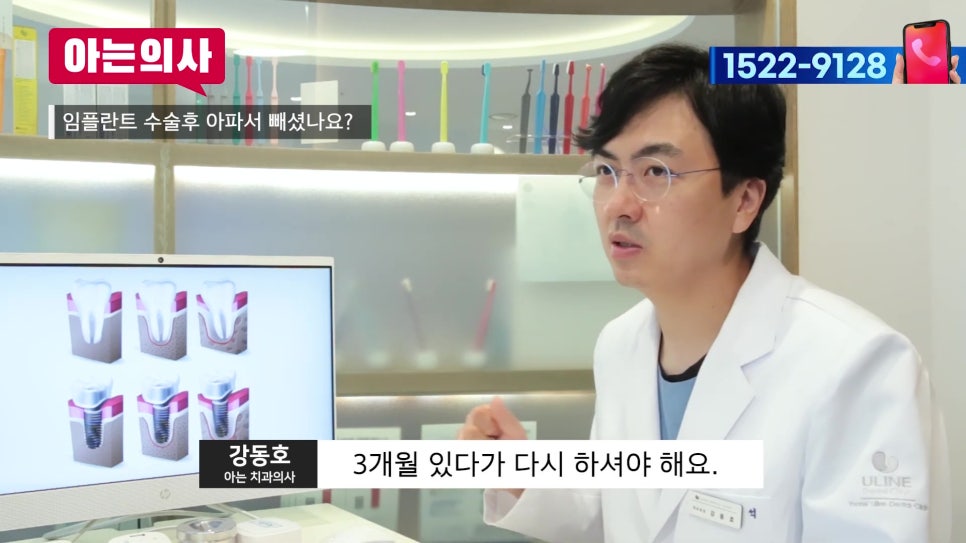
In such cases, you have to wait for the bone to recover again
and then undergo another surgery after at least 3 months.
So how long should you quit smoking?
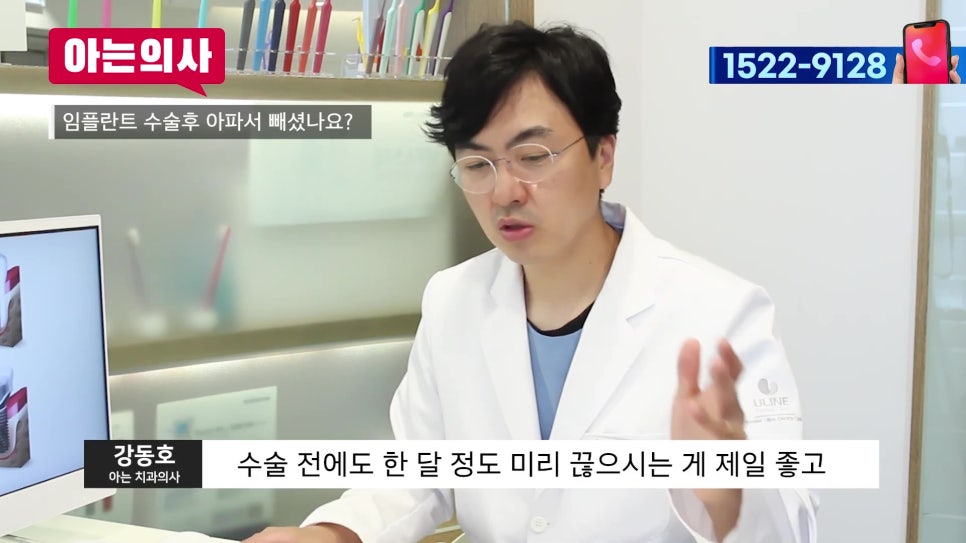
I usually recommend quitting at least one month before surgery,
and at least one month after surgery.
This is because the period during which the implant undergoes a process called “osseointegration,”
in which it firmly bonds with the bone, is roughly
3 to 4 weeks after surgery.
During this period, reduced blood flow caused by smoking and
the inflammatory response can interfere with recovery,
so if possible, you should definitely refrain from smoking during this time.
In the end, whether an implant succeeds depends more than on surgical technique
on the patient’s care habits, especially whether they smoke.
If you are a smoker, I recommend first making a smoking cessation plan
before proceeding with the procedure.
That one month of not smoking can become an important period
that determines the lifespan and success of the implant.
This has been Yonsei U-Line Dental Clinic, Sillim branch.