Hello. I am Kang Dong-ho, the chief director of Yonsei Uline Dental Clinic, Gwanak-gu Sillim-dong branch, near Sillim Station in Sillim-dong, Gwanak-gu.
Today, I’ll explain the symptom that patients often describe as acne or a pus sac on the gums.
This is often described as “something swells up next to the tooth and then bursts” or “pus comes out like acne.”
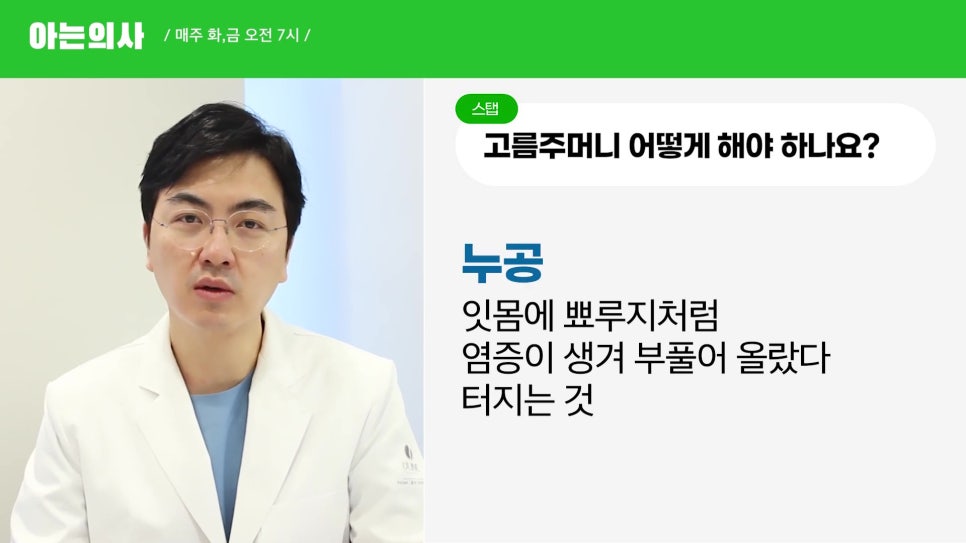
In dentistry, this phenomenon is usually called a fistula.
Many people experience it more often than you might think,
but in many cases, they do not know the exact cause.
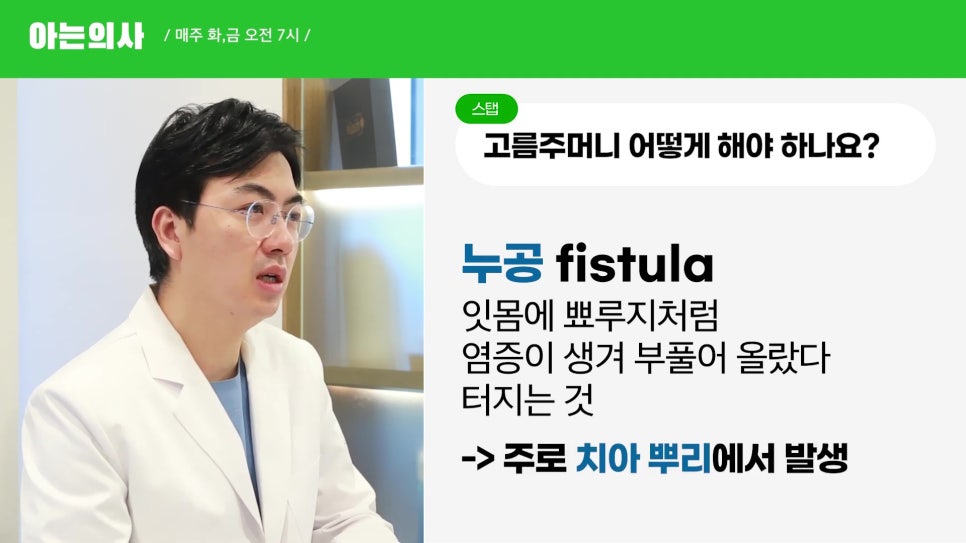
This kind of pus almost never forms in areas where there is no tooth at all.
It usually starts around the root of a tooth,
and the most common cause is a problem with the nerve inside the tooth.
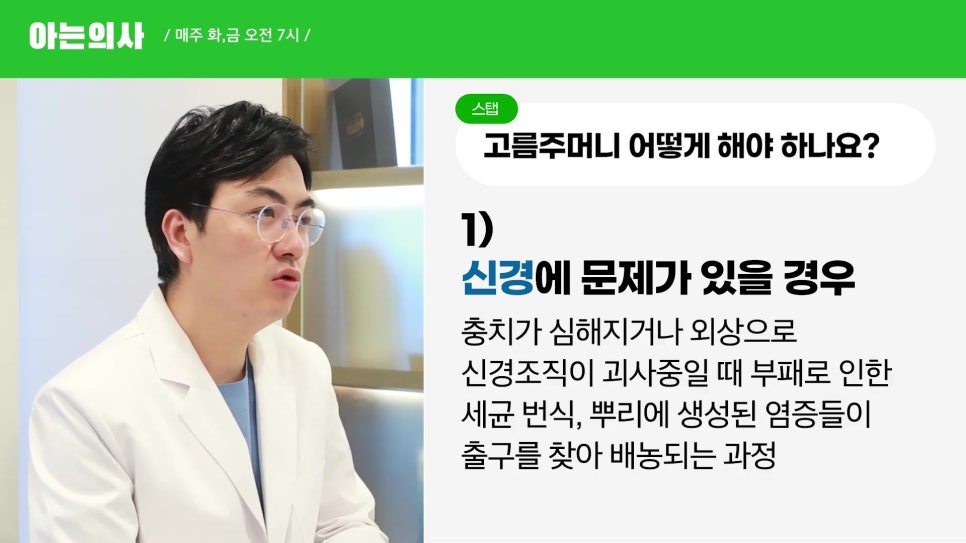
When tooth decay has progressed very deeply,
or if there has been trauma,
or if the nerve has been damaged after previous treatment,
the nerve and blood vessel tissue inside the tooth die and necrosis begins.
During this process, bacteria multiply,
and inflammation develops as a result.
As the inflammation grows, it gradually dissolves the surrounding bone,
and eventually the inflammation finds an exit path,
making its way toward the gums and draining pus.
At this point, it appears externally as if it swells up like acne and then bursts.
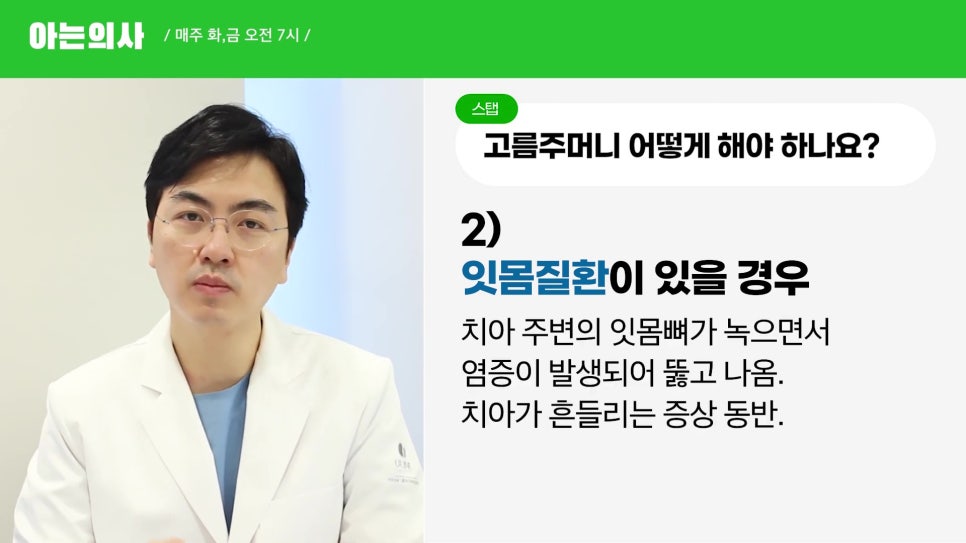
Another cause is gum disease.
When periodontal disease is severe, the gum bone around the tooth melts away,
causing inflammation in that area,
and this inflammation may break through toward the tooth root
or to the outside of the gums.
In such cases, tooth mobility often appears along with it.
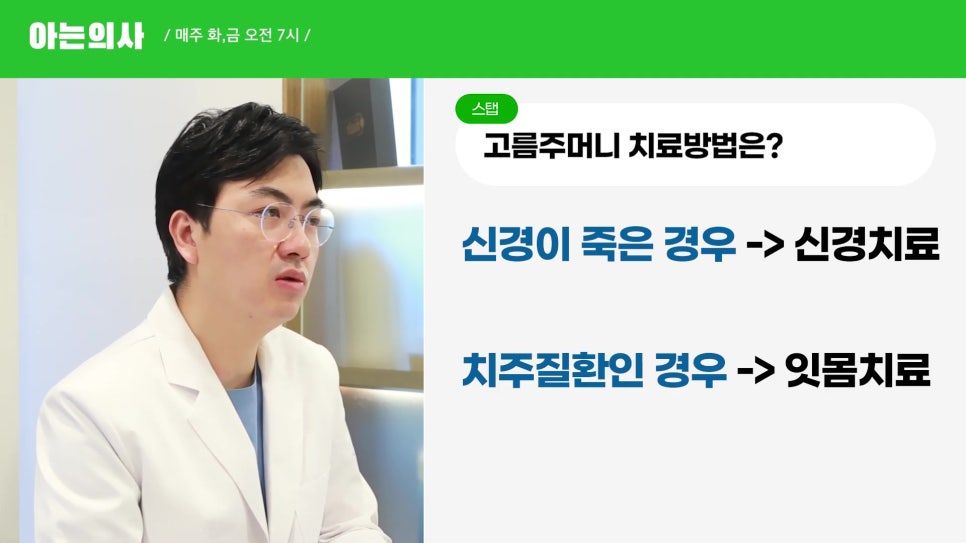
Treatment depends on the cause.
If the pus is caused by a dead tooth nerve,
then in most cases, root canal treatment can calm the inflammation and lead to recovery.
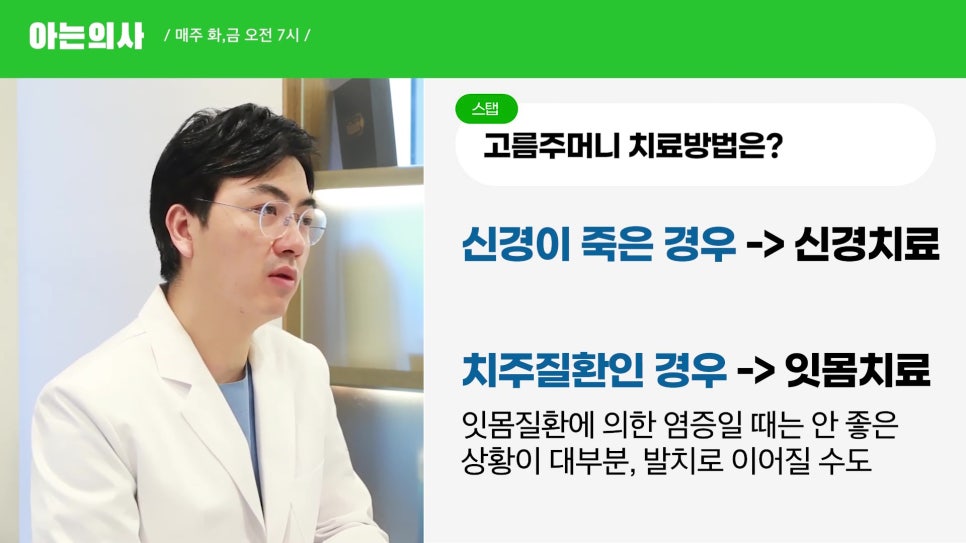
On the other hand, if the cause is gum disease,
the bone supporting the tooth is often already significantly damaged,
so unfortunately, extraction is relatively more often necessary.
I also often get this question.
“Even after root canal treatment, why does pus form again near the root?”
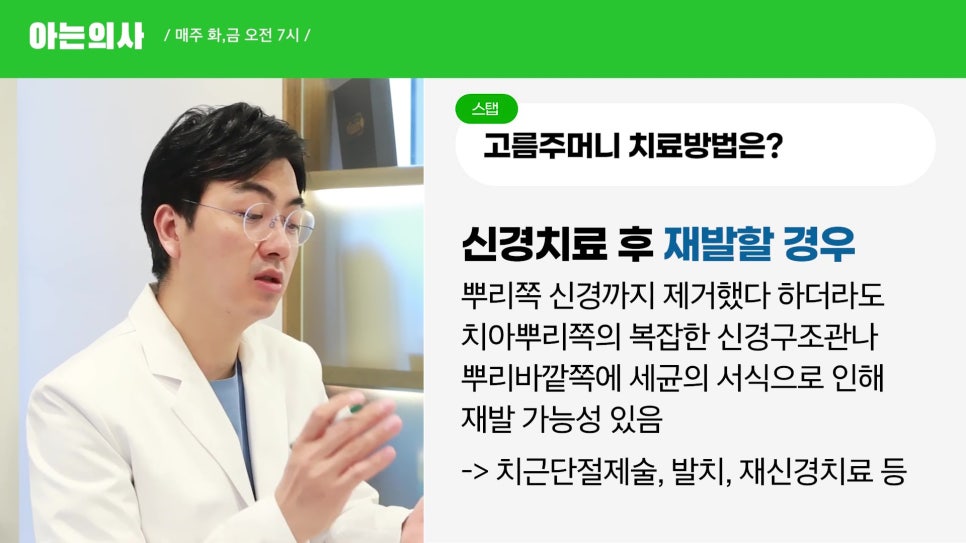
In this case, the situation is a little more complicated.
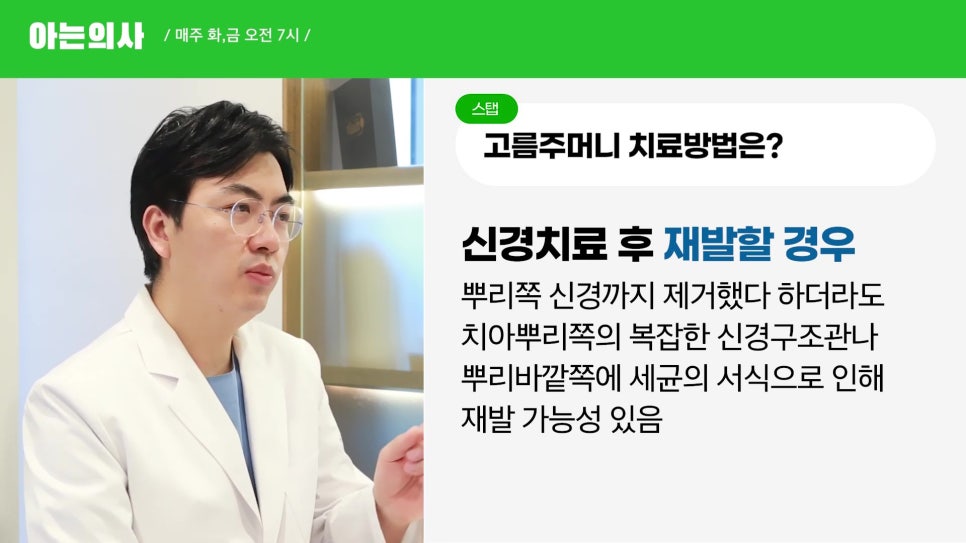
If the structure of the nerve canals inside the tooth root is very complex,
or if bacteria remain on the outer surface of the root,
inflammation can recur even if the root canal treatment was properly performed.
At times like this, retreatment of the root canal may be attempted,
and in some cases, a surgical procedure called apicoectomy may be necessary.
If inflammation keeps recurring even after all possible treatments have been tried,
there are situations where extraction must ultimately be considered.
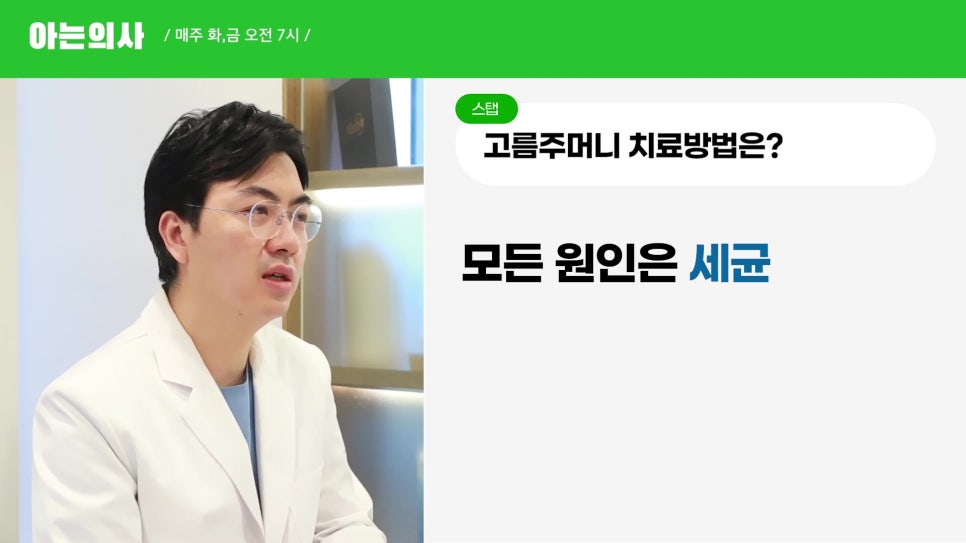
To summarize, the phenomenon of pus coming out from the gums or next to a tooth is not simply a skin problem,
but is usually the result of a tooth nerve problem, gum disease,
or a combination of the two.
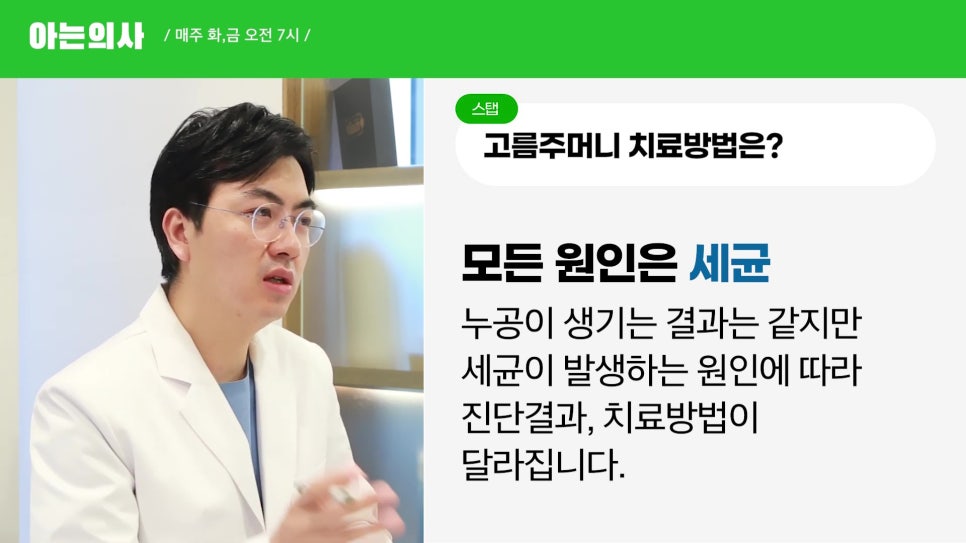
Because the treatment method and outcome are completely different depending on the cause,
it is more important than anything else to receive an accurate diagnosis rather than judge based only on the visible symptoms.
This has been Yonsei Uline Dental Clinic, Sillim-dong branch.