송파구치과 - 이 시림, 그냥 넘기면 안 된다?!
Hello. I’m Shin Seung-hwan, chief director of Yonsei Uline Dental Clinic, Garak Branch, located near Garak Market Station in Garak-dong, Songpa-gu.
One of the discomforts patients complain about most often at the dental clinic is the symptom of “teeth being sensitive.”
Some people feel sensitivity when brushing their teeth, eating cold foods,
or even just by breathing.
This sensitive feeling can be more than a simple inconvenience;
it may be an important sign about the condition of your teeth.
Today, I’ll organize the reasons why teeth become sensitive
and the treatment directions according to each cause.
First of all, the symptom of sensitivity itself can be a somewhat normal reaction.
For example, if you eat ice cream or drink cold water
and feel a brief sharp sensation that disappears within a few seconds,
it can be considered a normal sensitivity response.
However, if pain lasts a long time after it becomes sensitive,
or if it feels strong,
there is a high chance that it is more than simple sensitivity
and that treatment is needed.
One of the most common causes is tooth decay.
Cavities begin in the outermost layer of the tooth, the enamel.
At this stage, people often hardly feel any pain or sensitivity.
But as the cavity gets deeper and passes through the enamel
into the dentin, the situation changes.
Because dentin has tiny channels connected to the nerves inside the tooth,
from this stage onward the tooth may react sensitively to cold foods
or sweet foods, causing sensitivity.
In this case, if it is early, the cavity area is removed
and properly restored with treatment, and over time
the sensitivity often gradually eases.
However, if the pain lasts a long time or is severe,
it may already have progressed to inflammation in the nerve.
In such cases, treatment may not end with simple cavity treatment
and root canal treatment may be necessary.
Next, another commonly confused cause is cervical abrasion.
Many people think it is caused by brushing too hard side to side,
but more than that, abnormal force applied to the teeth,
that is, traumatic occlusion, is a bigger cause.
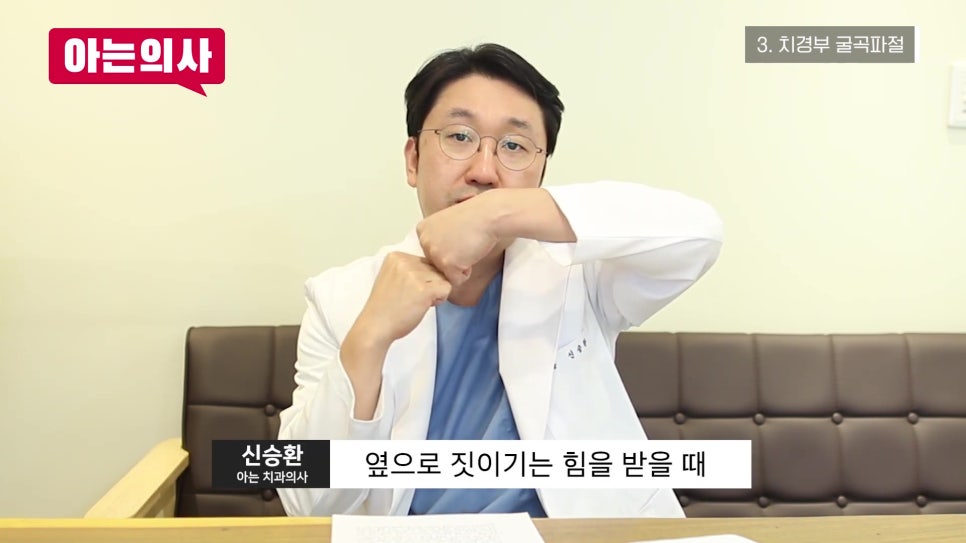
If you clench your teeth, grind them,
or often chew tough and hard foods,
lateral force is repeatedly applied to the teeth.
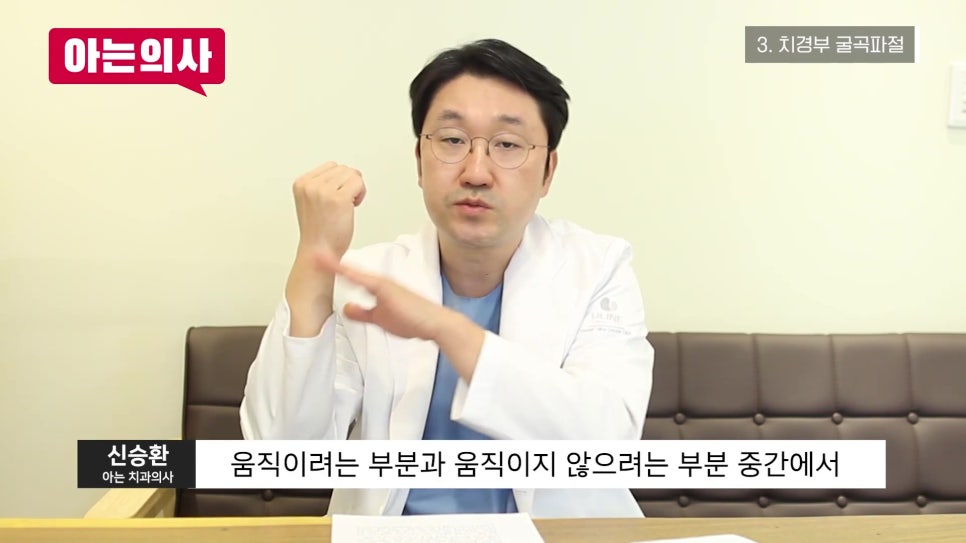
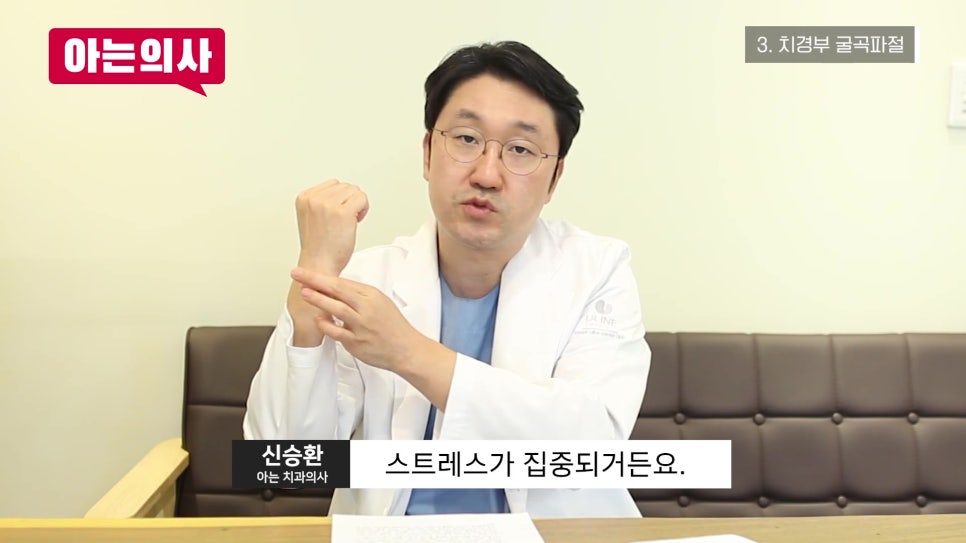
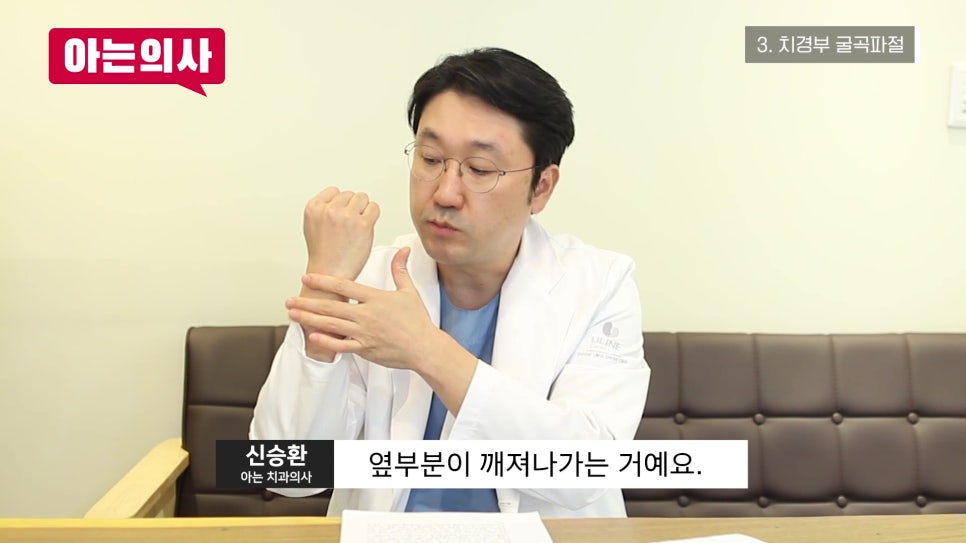
At this time, stress concentrates on a specific part of the tooth,
causing the tooth to chip away as if it has cracked microscopically,
which is called a cervical fracture.
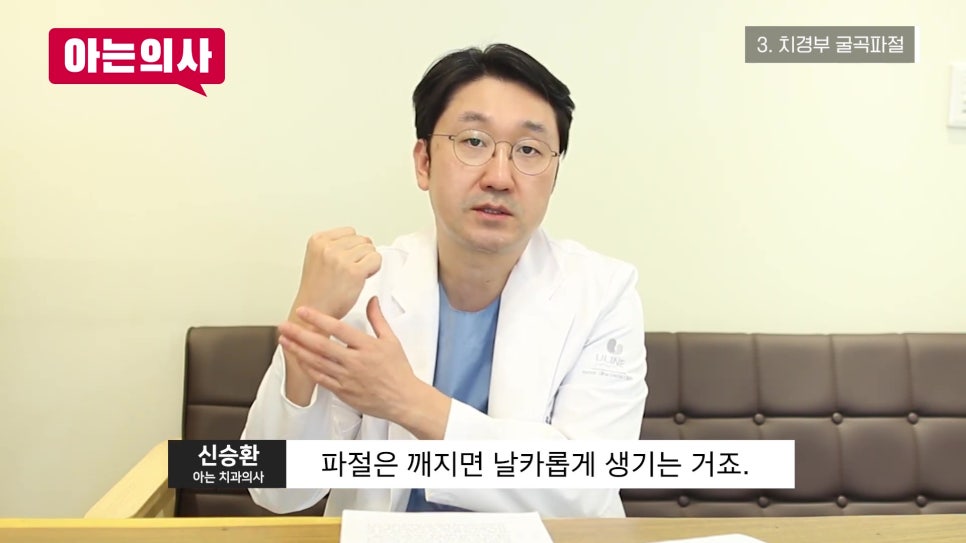
This area appears as a sharply worn notch,
and as the enamel is damaged and the inner tissue is exposed,
sensitivity occurs. If poor brushing habits are added here,
abrasion can also progress, and the symptoms may become more severe.
Another cause is damage to the chewing surface of the tooth.
When chewing hard food, part of the tooth may break off
or wear down, or even if it looks fine on the outside,
fine cracks may form inside.
This is called a crack, and through these tiny gaps,
stimuli can be transmitted inward,
causing sensitivity.
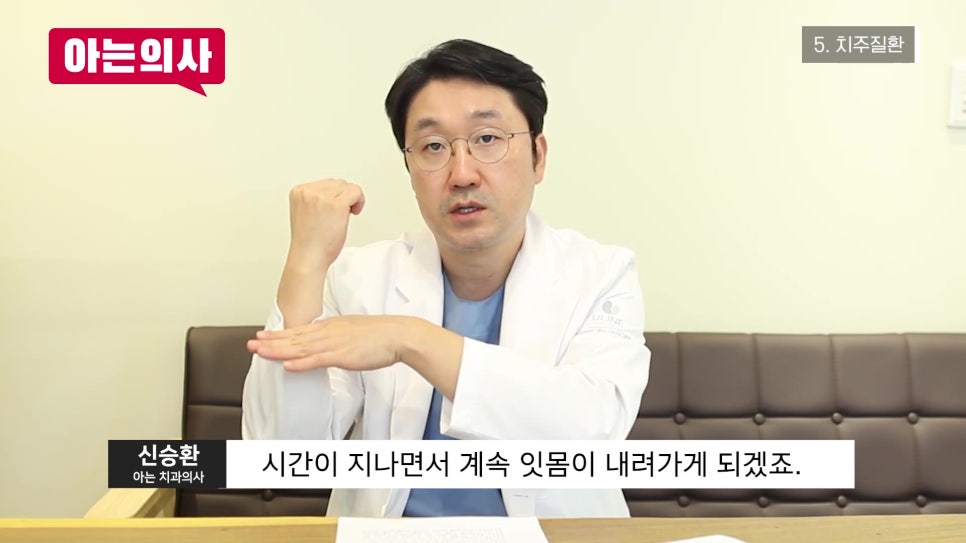
Lastly, gum disease is also an important cause.
As people age, the gums naturally recede,
and when that happens, the tooth roots become exposed.
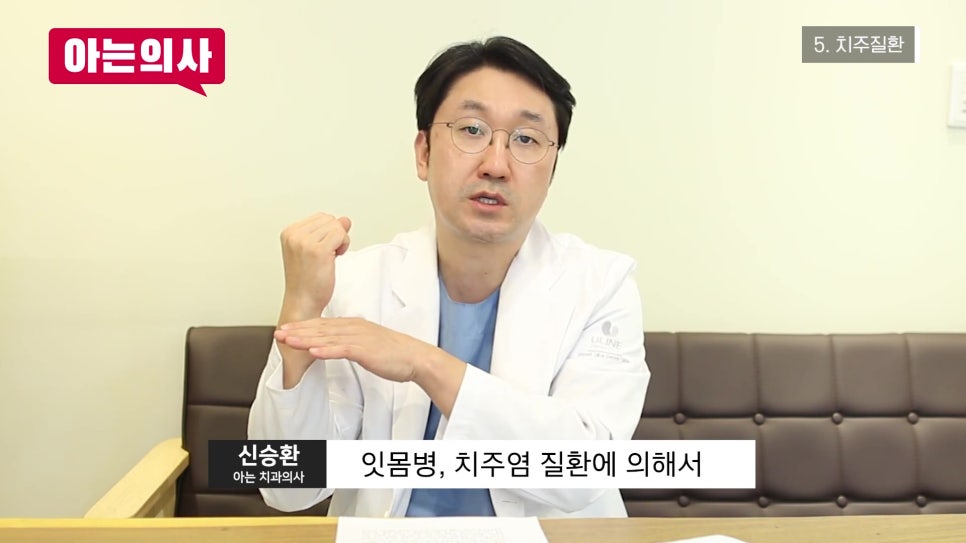
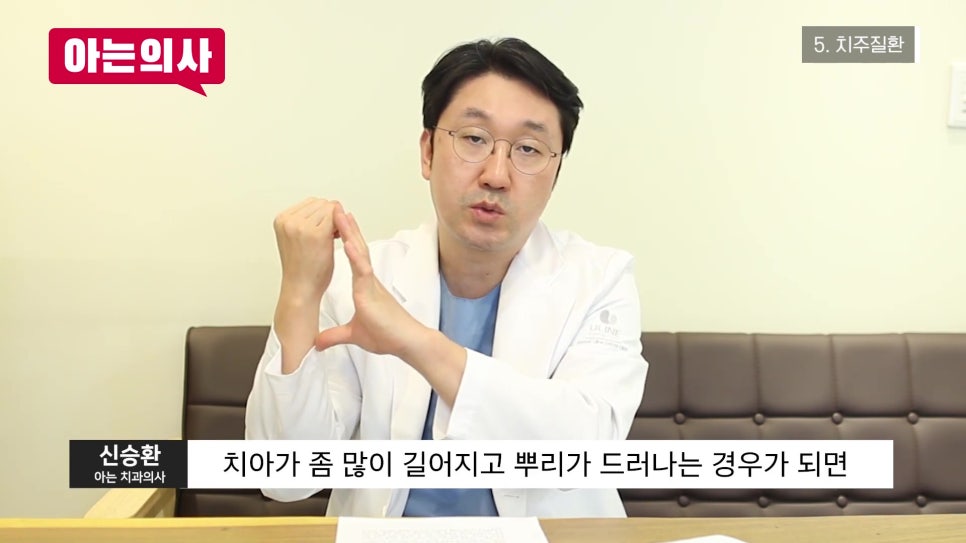
The crown part of the tooth is protected by hard enamel,
but the root part is covered by relatively thin tissue,
so it is much more sensitive to external stimuli. If gum disease is also
present and the gums have receded further,
overall sensitivity will appear.
In summary, tooth sensitivity is not a simple issue,
but can occur due to various causes such as cavities,
cervical fractures, tooth cracks, and gum disease.
Therefore, even if the symptoms seem similar,
the same treatment should not be applied.
It is important to identify the exact cause and then provide
the appropriate treatment for it.
If sensitivity keeps recurring or gradually gets worse,
rather than simply putting up with it,
I recommend getting an accurate diagnosis.
In the early stages, it may be resolved with simple treatment,
but the longer it is left untreated, the greater the scope of treatment may become.
This has been Yonsei Uline Dental Clinic, Garak Branch, located in Garak-dong, Songpa-gu.