Hello. I am Kang Dong-ho, the chief director of Yonsei U-Line Dental Clinic, Sillim-dong branch, near Sillim Station in Sillim-dong, Gwanak-gu.
After starting or finishing orthodontic treatment,
many people complain that their teeth feel sensitive.
This is actually one of the questions we hear often in the clinic.
This sensitivity has slightly different causes depending on the stage,
and the approach also differs,
so it is important to understand it separately.
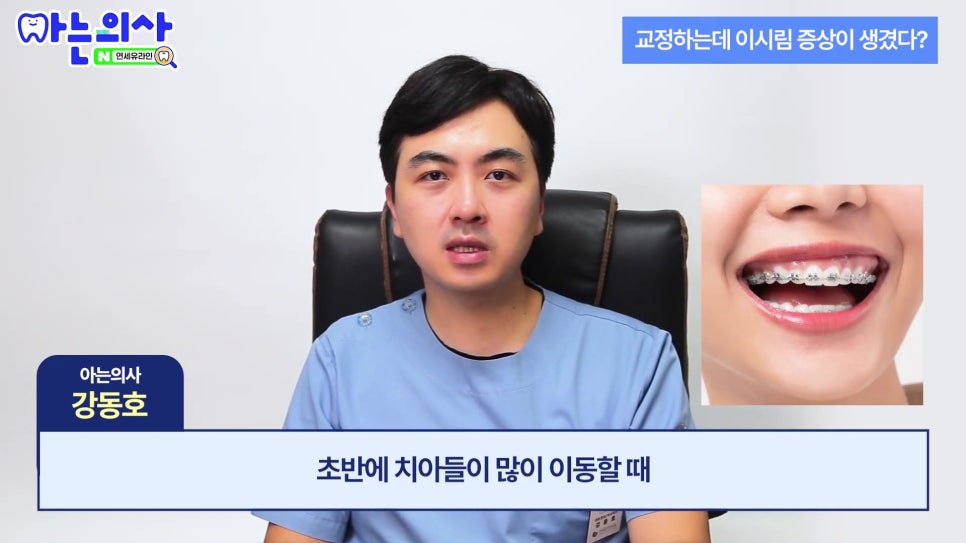
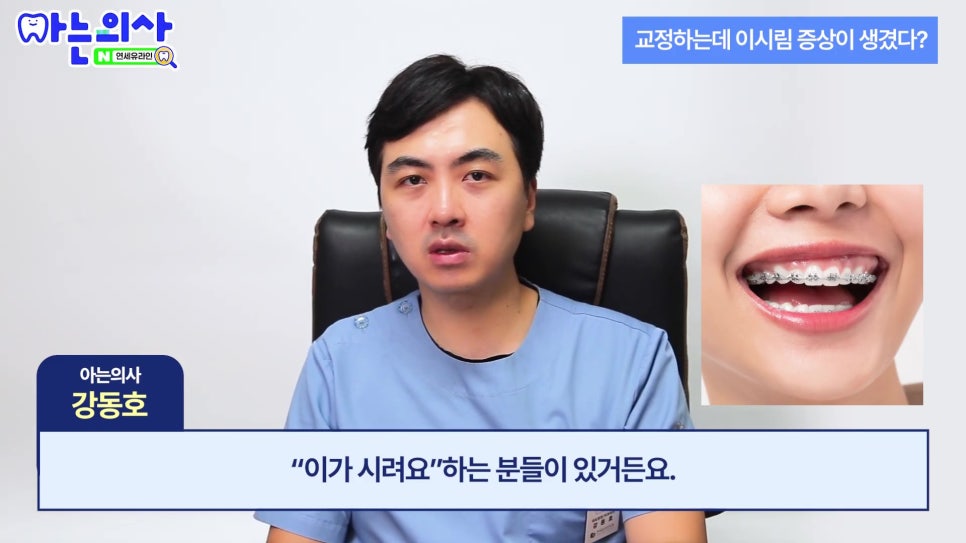
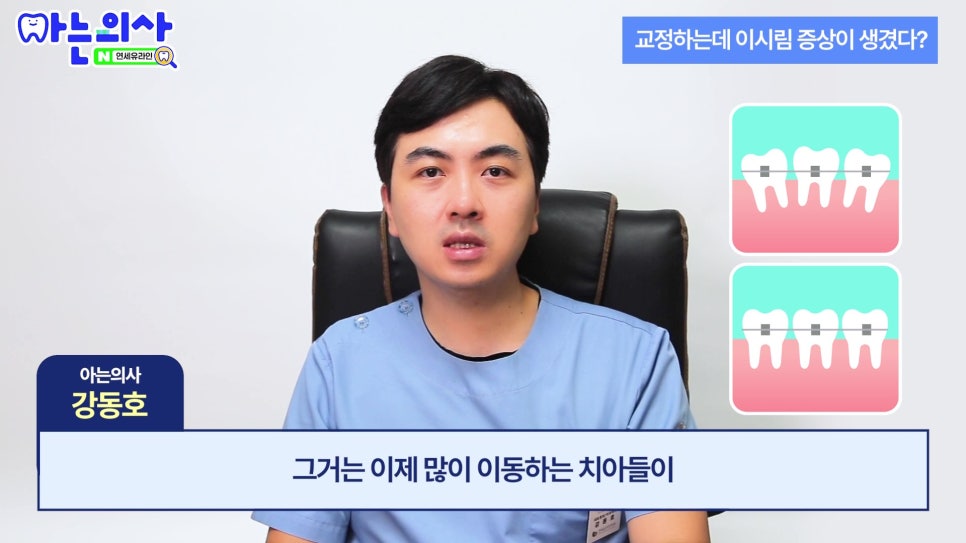
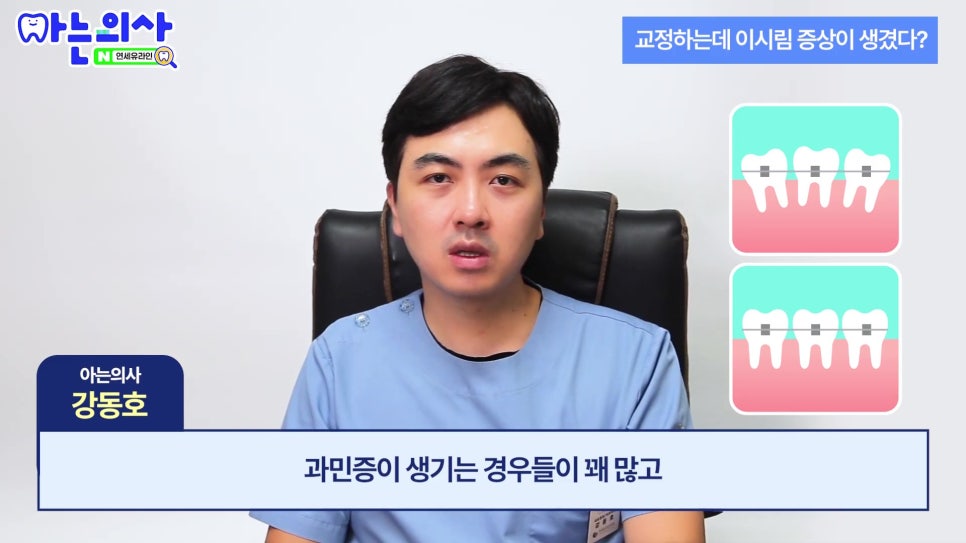
First, sensitivity that appears at the beginning after starting orthodontic treatment
is a relatively common reaction.
When braces are attached and the teeth begin to move,
the nerves inside the teeth are stimulated,
which can cause temporary hypersensitivity.
Especially during periods when tooth movement is active,
many people complain that their teeth ache or feel sensitive to cold.
In most cases like this,
the symptoms gradually ease over time.
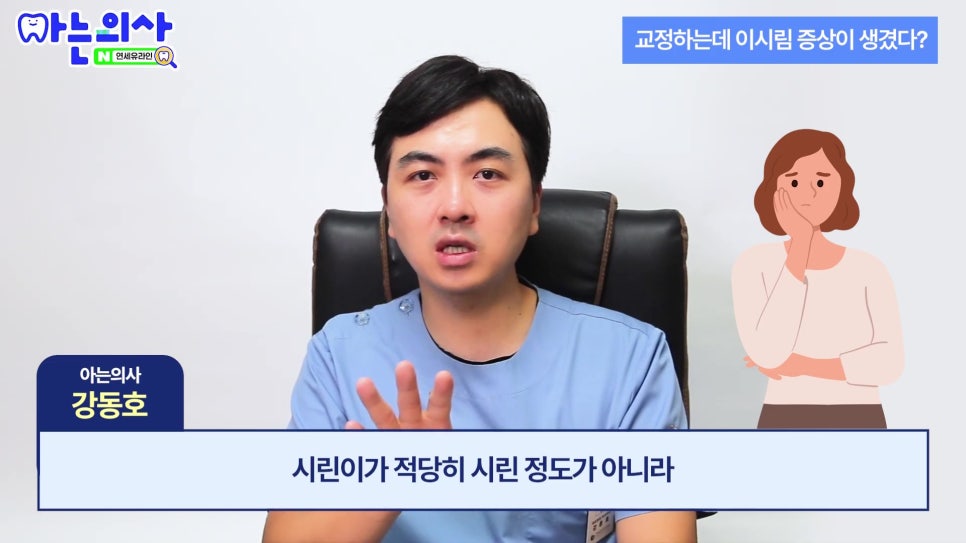
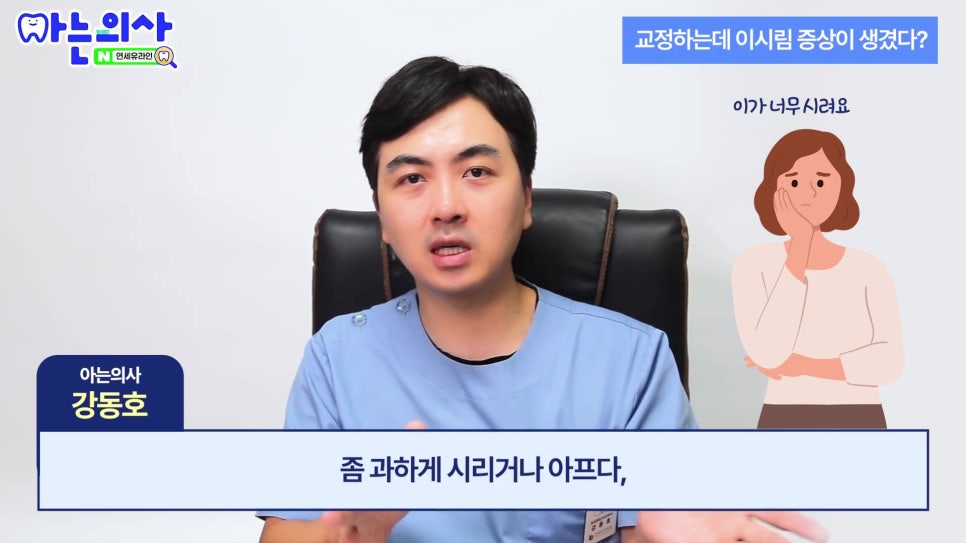
However, if the degree of sensitivity goes beyond simple discomfort
and becomes more like pain, or if it becomes progressively worse,
caution is needed.
In such cases, we may temporarily reduce the force of the orthodontic appliance,
or remove the wire and allow time for recovery.
Although rare, if excessive stimulation continues,
there is also a possibility that it may affect the dental nerve,
so if the pain is severe, it is important to
let the treating dental clinic know.
Meanwhile, if tooth sensitivity continues even after orthodontic treatment is finished,
the cause may be somewhat different.
In this case, it is often related not to simple nerve stimulation,
but to changes in the gums and tooth structure.
A typical example is gum recession,
that is, gingival recession.
When the gums recede and the root surface of the tooth becomes exposed,
it becomes more sensitive to external stimuli,
which can cause sensitivity.
Another common cause is cervical abrasion.
This is when the area where the tooth meets the gum wears down and becomes notched,
making that area more sensitive to external stimuli.
Even if it is not directly related to orthodontic treatment,
this is a problem many people experience,
but after orthodontic treatment, it can be felt more strongly
along with changes in tooth position.
In particular, for people whose teeth were protruded outward before orthodontic treatment,
some of the tooth roots may still be relatively exposed even after treatment.
In such cases, sensitivity can also occur,
and it may not completely disappear even as time passes.
So how can this sensitivity be treated?
In most cases, simple treatment can help relieve the symptoms.
Applying medication to the sensitive area,
or covering the worn area with resin to block external stimuli,
are typical methods.
If the gums have receded severely, treatment such as gum grafting may be considered,
but in fact, such cases are not common.
The important thing is to accurately distinguish
what is causing the tooth sensitivity.
This is because the approach differs depending on whether it is
a temporary sensitivity that appears early in orthodontic treatment,
or persistent sensitivity due to structural changes after orthodontic treatment.
Even though it is all called “tooth sensitivity,” the causes can vary,
and the treatment methods can also differ accordingly.
Therefore, if the symptoms continue or the discomfort is significant,
rather than simply enduring it, the safest approach is to
receive an accurate diagnosis at a dental clinic.
This has been Yonsei U-Line Dental Clinic, near Sillim Station in Sillim-dong, Gwanak-gu.