�a0
Hello. I am Shin Seung-hwan, chief dentist at Yonsei Uline Dental Clinic, Garak Branch, located near Exit 4 of Garak Market Station in Garak-dong, Songpa-gu.
These days, many people try to solve everything on their own.
From home repairs to simple interior design and car maintenance,
more and more people are doing things themselves, and some even try
scaling at home, which is normally done at a dental clinic.
If you search online, you can easily find products sold as
“self-scaling devices.”
That is why many people wonder whether it is okay to use such products.
To give the conclusion first, self-scaling at home carries
more risk than you might think, and its effectiveness is limited.
First of all, the devices sold on the market are not the same as the equipment
used in dental clinics.
They are simply products made to look similar in shape,
and in many cases their power and sharpness are intentionally reduced.
In other words, rather than being equipment for professional treatment,
they are closer to “tools that imitate a similar shape.”
People also often wonder about the legal side.
Using such a device on your own body yourself is
not generally a major issue.
However, the moment you use that device to remove
another person's calculus,
it becomes a medical procedure, so it can cause
legal problems. This is something you must clearly distinguish.

Another important point is that these products are
hard to consider as having undergone strict certification
like medical devices.
The equipment used in hospitals has been verified for safety and
effectiveness, but products purchased and used by individuals
are hard to enjoy such protection.
So when a problem occurs during use,
the person who ends up being responsible is the user.
In fact, there are many kinds of scaling tools used in dental clinics.
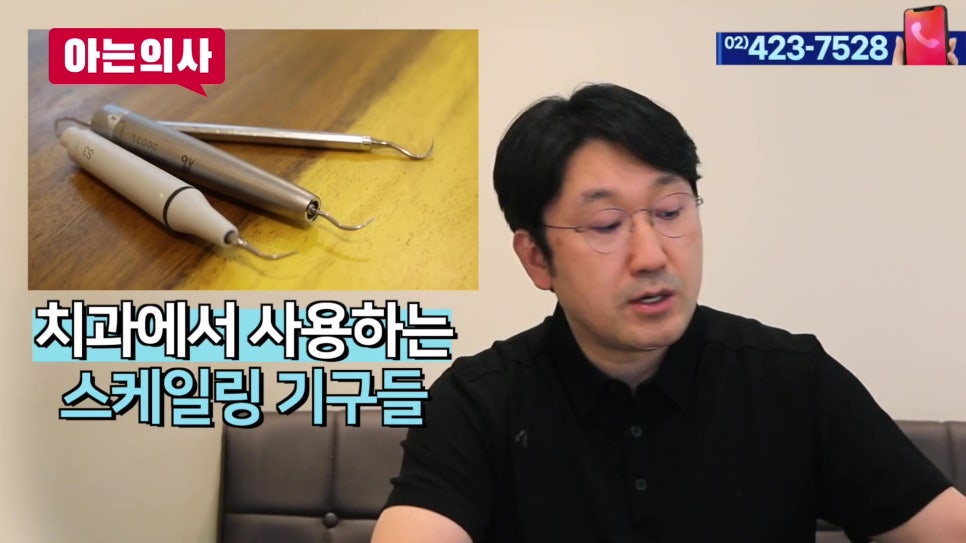
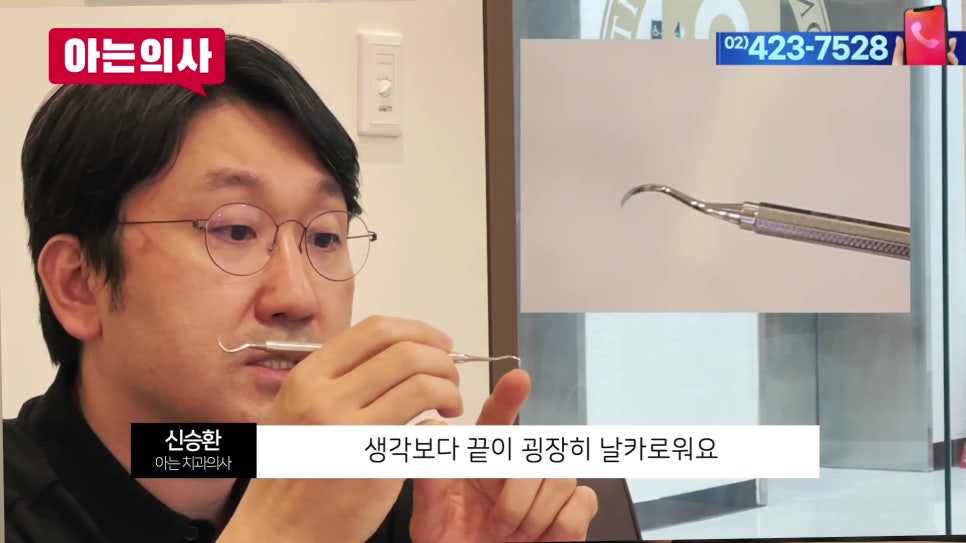
There are devices that remove calculus with ultrasound,
and there are also tools that are used by hand to scrape it off directly.
In particular, hand instruments have very sharp tips,
so if used incorrectly, they can easily damage the tooth surface or gums.
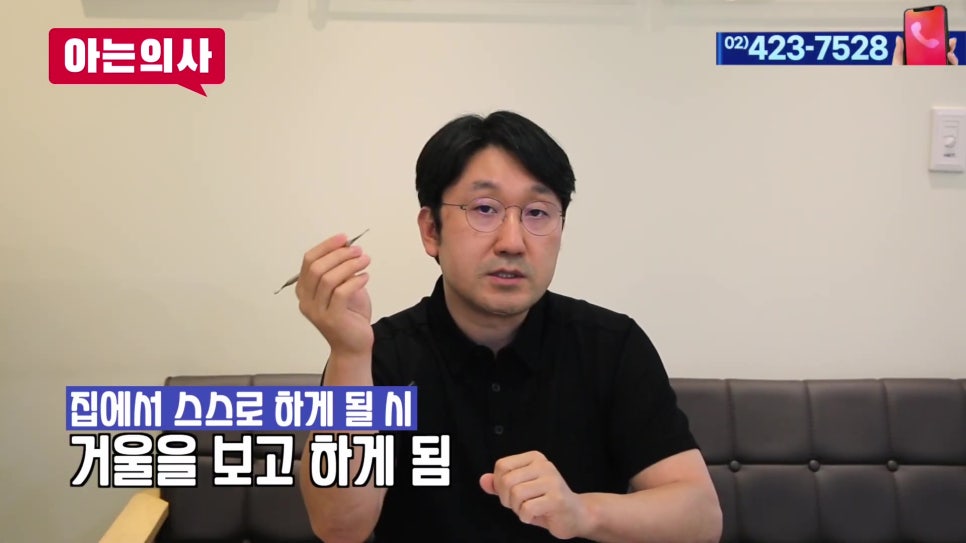
If you imagine doing scaling at home while looking in a mirror,
the areas you can actually reach are very limited.
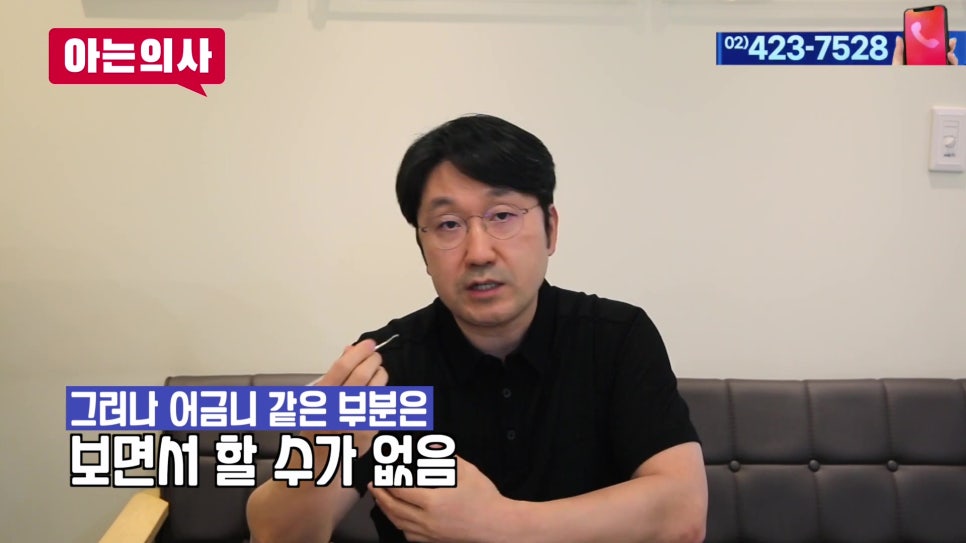
The front outer surfaces or the inner side of the lower front teeth
may be visible enough to try,
but it is difficult to even secure a view of the inner side of the back molars
or deeper areas.
At a dental clinic, treatment is carried out while looking accurately
using lighting and mirrors,
but at home, you can think of that as almost impossible.
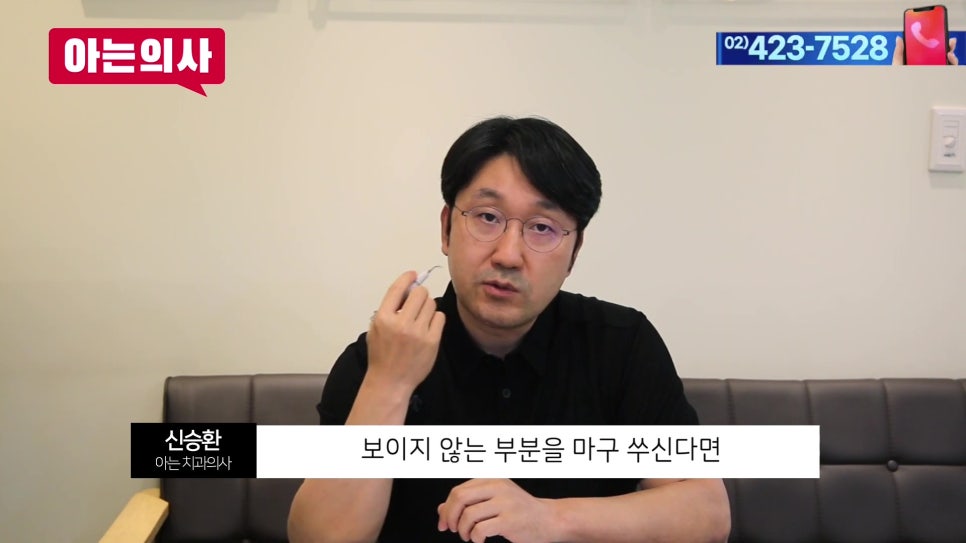
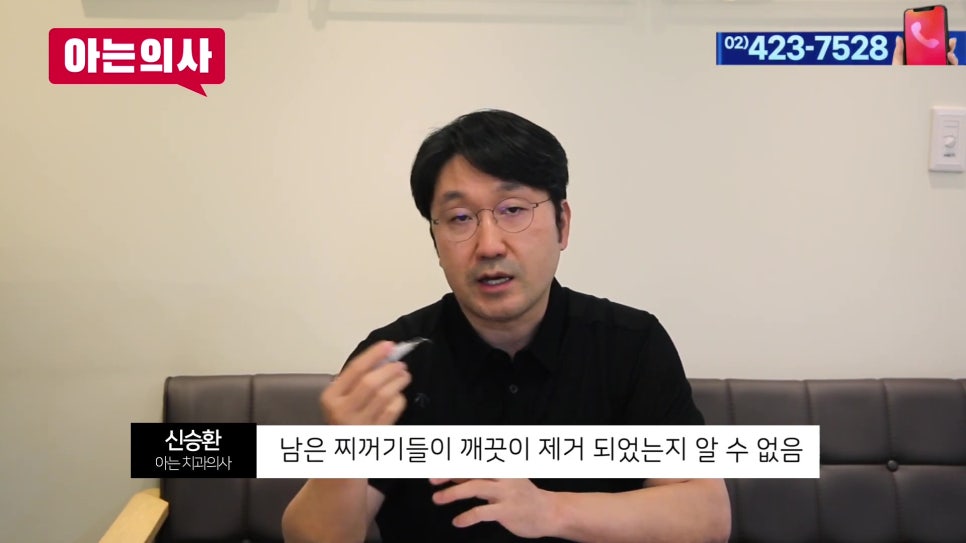
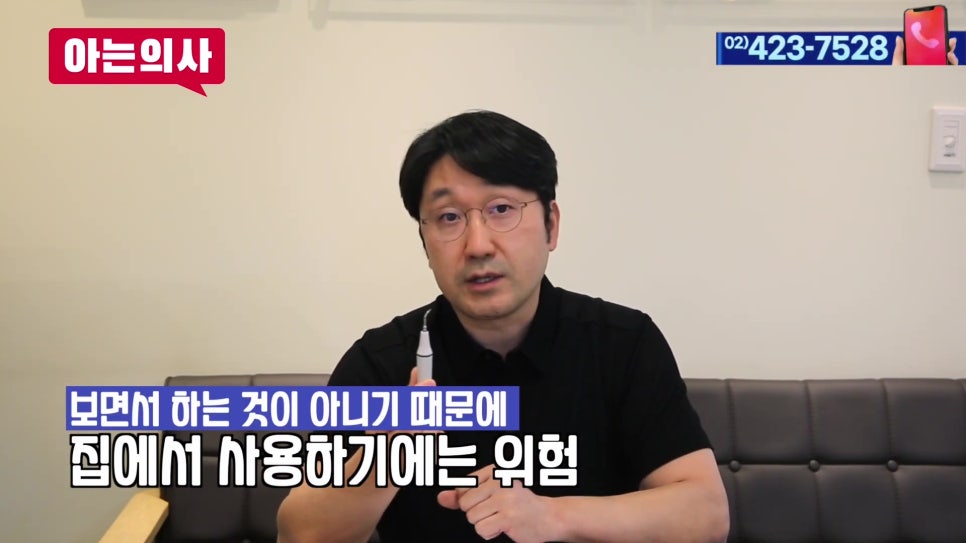
The same applies to ultrasonic devices.
If you use them without being able to see clearly,
you cannot tell whether the calculus has actually been removed properly,
and there is also a risk that only part of it will be removed while the rest is left behind.
It may feel refreshing for a moment,
but in reality the remaining calculus can continue to cause problems.
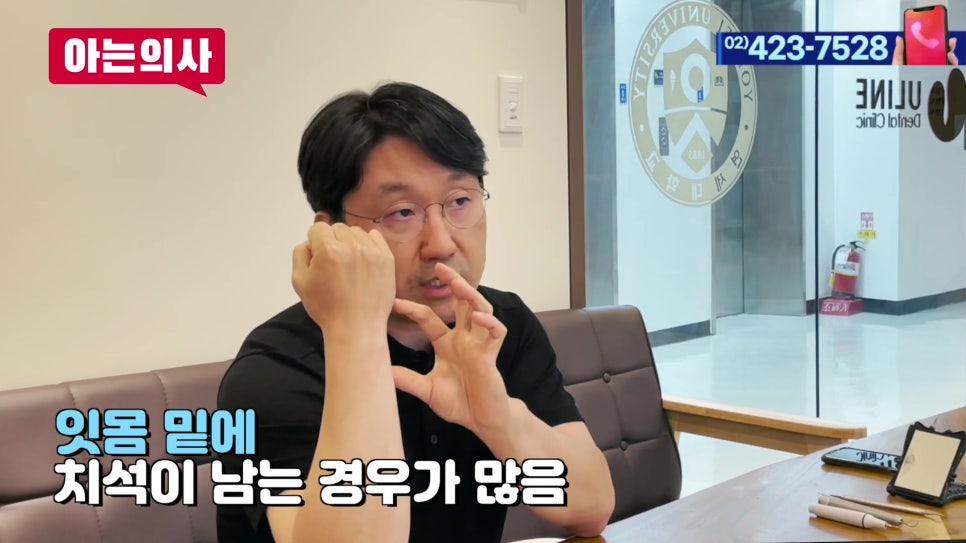
And there is one thing many people overlook.
Calculus does not form only on the outside of the teeth.
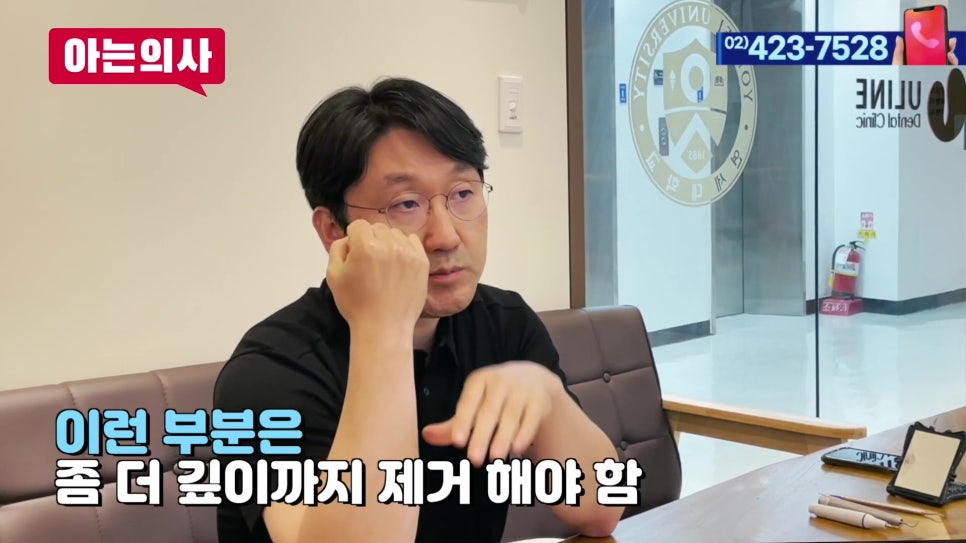
It often forms inside the gums, in deeper areas as well.
In such cases, it is not enough to end with ordinary scaling;
additional gum treatment is needed to remove the calculus deep inside the gums.
This is especially true for people whose gums bleed often
or who have inflammation.
In the end, self-scaling at home may be something you try once out of curiosity,
but it is unrealistic to think that this alone can replace dental treatment.
Rather, because incorrect use is more likely to damage the teeth or gums,
care is needed.
Receiving an accurate diagnosis regularly at a dental clinic,
and, if necessary, getting professional scaling and gum treatment,
is a much safer and more effective method.
This has been Yonsei Uline Dental Clinic, Garak Branch in Garak-dong, Songpa-gu.
�a0