Some people become concerned when they notice one day while looking in the mirror that their teeth appear
to have black spaces between them.
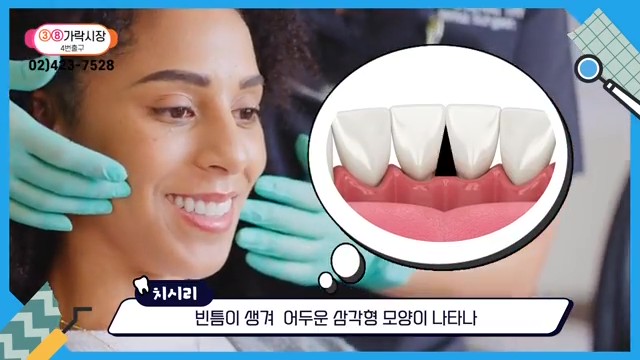
When the spaces between the teeth are tightly filled,
they give a bright and healthy impression. However, at some point,
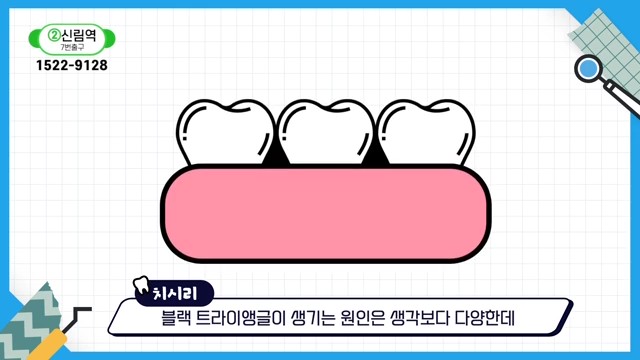
triangular gaps may develop and appear black.
These are called black triangles.


Black triangles are not simply
an aesthetic concern.
They can create the impression that your teeth are unhealthy,
and may actually affect your oral health,
so it is important to identify the cause and manage them appropriately.

The most common cause of black triangles
is gum recession.
When gum inflammation continues for a long time
or periodontal disease progresses, the gums gradually recede,
revealing the spaces between the teeth.
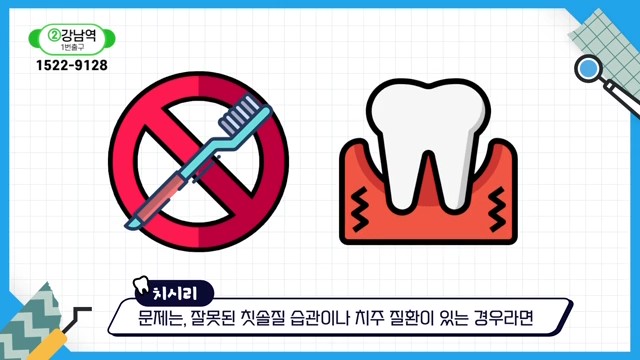
The gums may also naturally recede
during the aging process,
and improper toothbrushing habits
can accelerate these changes.
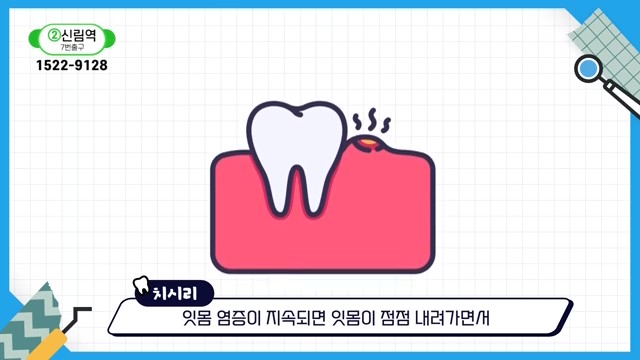
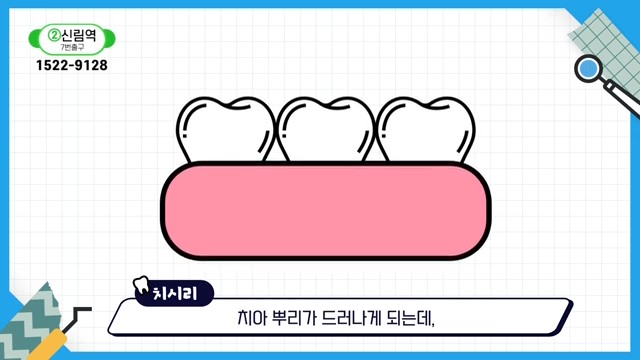
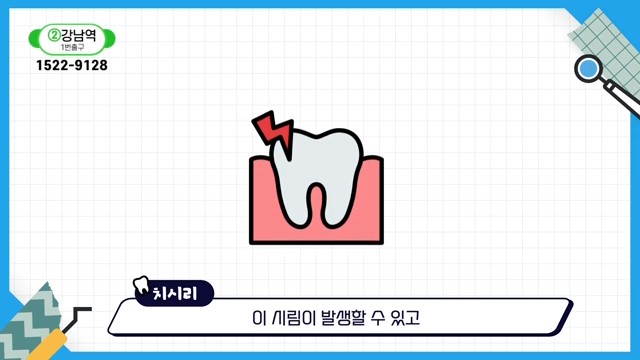
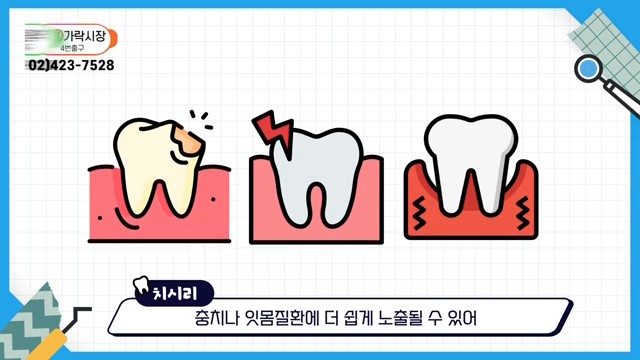
When the gums recede, this can cause more than an aesthetic issue;
it may also lead to tooth sensitivity,
and increase the likelihood of cavities or gum disease.
Particular care is needed because areas where the tooth roots are exposed
are more difficult to manage.
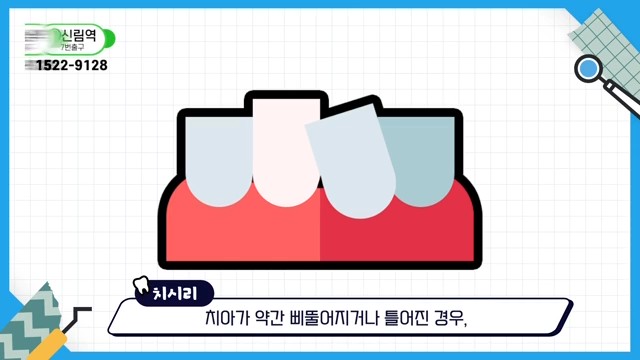
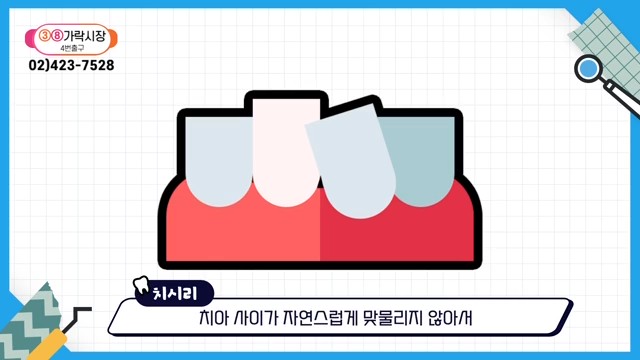
Black triangles can also develop
when the teeth are not properly aligned.
If the teeth are rotated or irregularly arranged,
they may not come into natural contact,
leaving spaces between them.
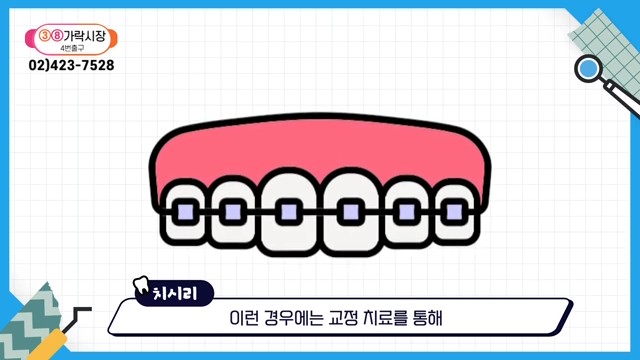

In such cases, orthodontic treatment can improve the alignment,
while also taking the bite into consideration
for a more stable result.
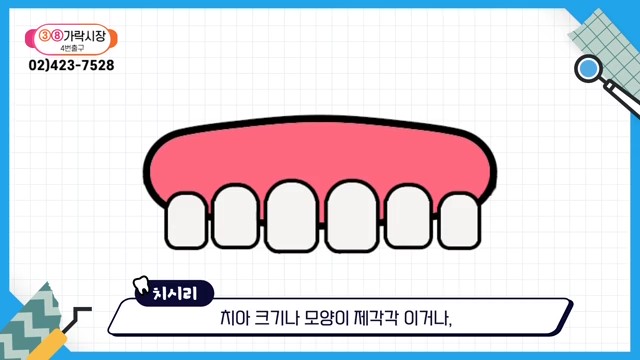
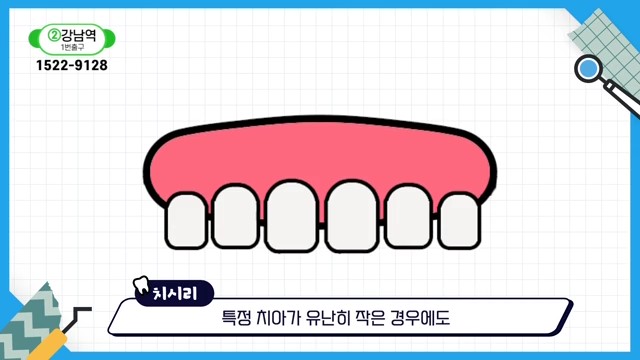
The size and shape of the teeth can also have an effect.
If the front teeth are relatively small or become narrower
toward the gums,
spaces can develop more easily.
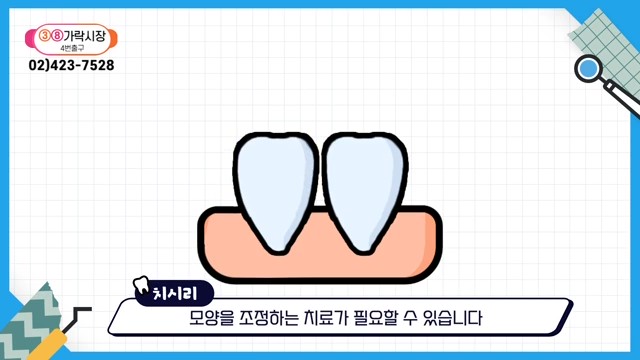
In these cases, treatment that
補補ments the shape of the teeth may be helpful.

The concern is that black triangles do not end
as a simple change in appearance.
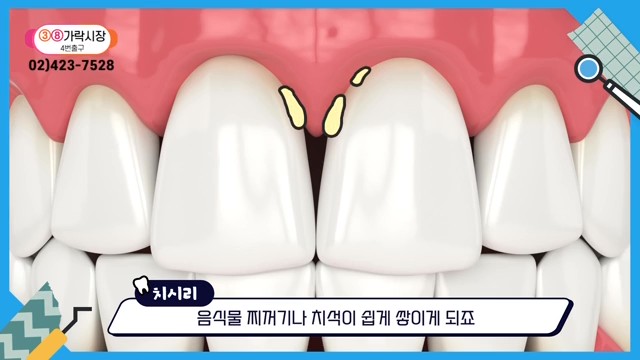
Food can easily become trapped in the gaps,
where plaque and tartar can accumulate,
increasing the risk of cavities and gum disease.
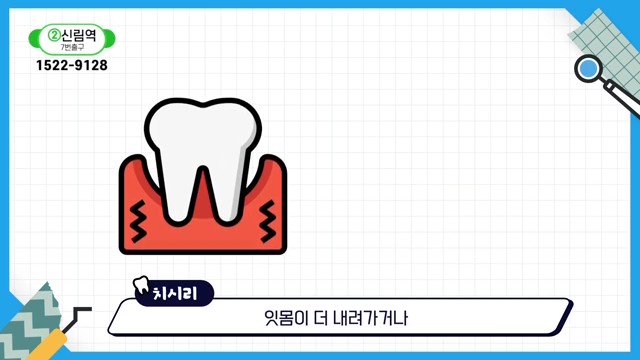
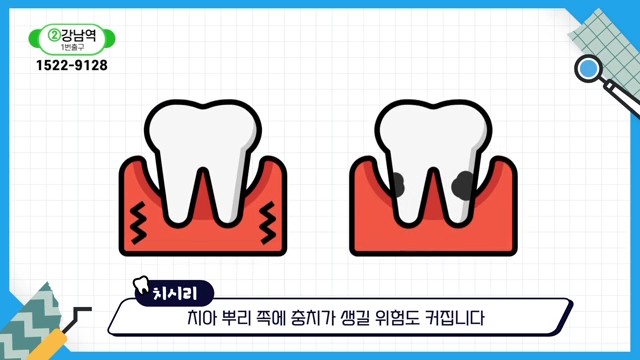
If they are not properly managed, gum recession
may progress further,
and the likelihood of cavities developing
on the tooth root area may also increase.

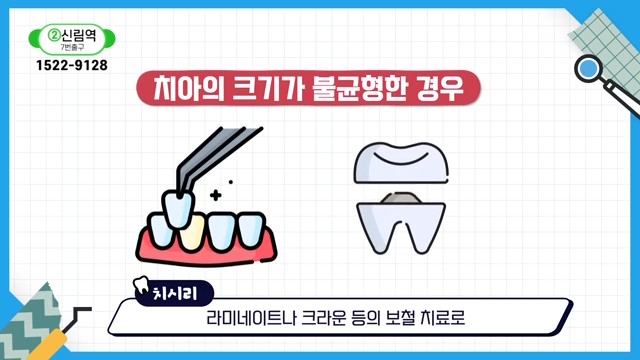
The treatment method depends on the cause.
Small spaces can be filled with composite resin,
while veneers or prosthetic treatment
may be considered when the issue involves the size or shape of the teeth.
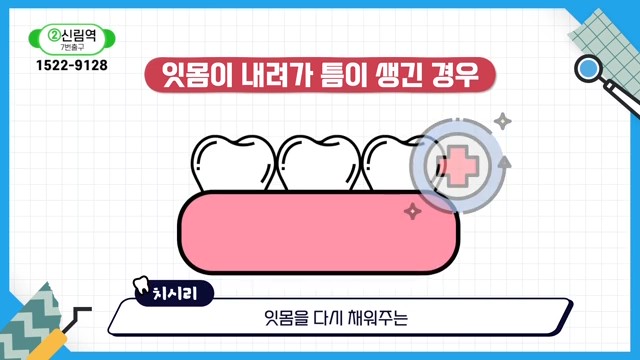
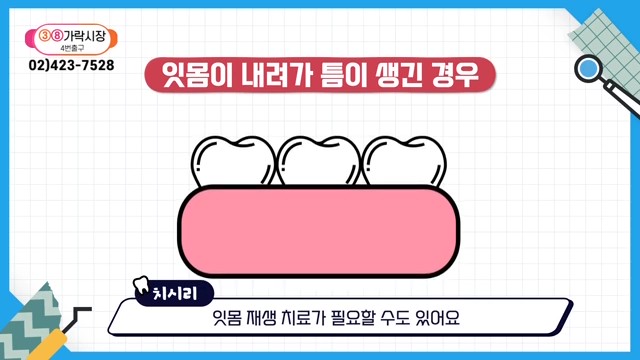


If gum recession is the cause, gum regeneration treatment
may be necessary.
Therefore, the most important step is to identify the cause
through an accurate diagnosis
and establish a treatment plan suited to it.
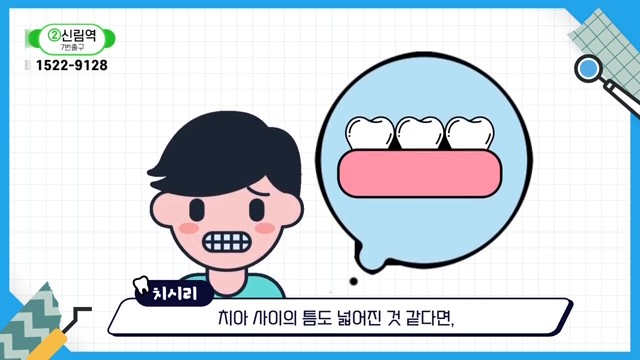
If your teeth have recently begun to look longer than before
or the spaces between them seem wider,
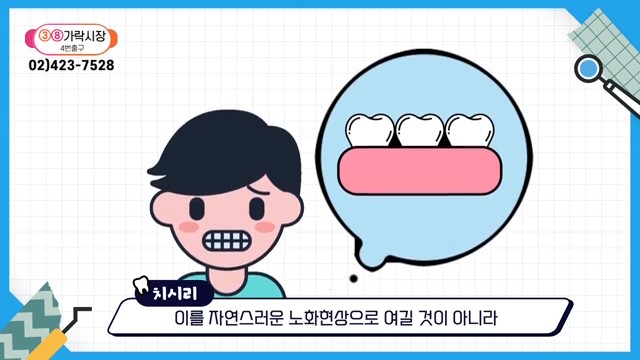
it is advisable to have them examined
rather than dismissing it as a simple sign of aging.
Identifying the cause early and managing it appropriately
may help you maintain healthy teeth and gums
for longer.