Hello, this is Yonsei U-Line Dental Clinic, located near Sinlim Station in Sinlim-dong, Gwanak-gu. 😊
Once you decide to undergo orthodontic treatment,
there is something you are bound to hear at least once.
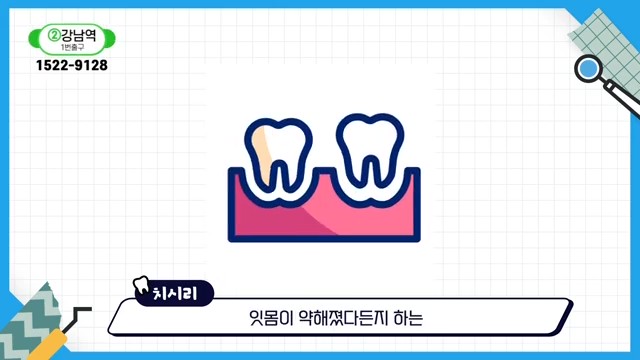
"My gums became much weaker after getting braces."
"I heard that some people develop nasolabial folds after finishing orthodontic treatment. Is that okay?"
Even when you are preparing for a consultation with excitement,
hearing stories like these can make you hesitate for no particular reason.


So today, we would like to clearly explain
whether orthodontic treatment really weakens the gums,
and, if so, why.
What Effect Does Orthodontic Treatment Have on the Gums?
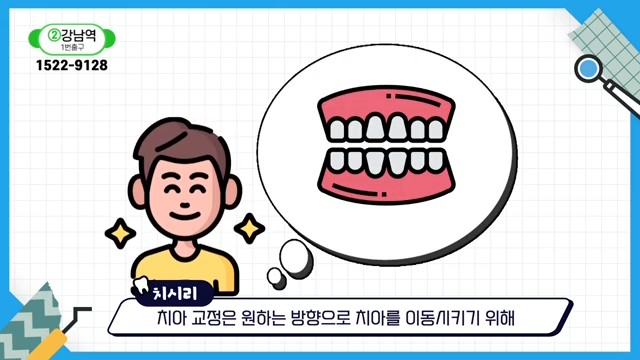
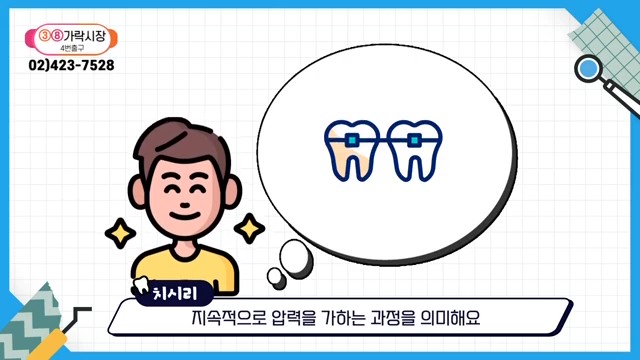
Orthodontic treatment gradually moves the teeth
in the desired direction through continuous pressure.
During this process, the gums and
periodontal tissues surrounding the teeth are also stimulated.


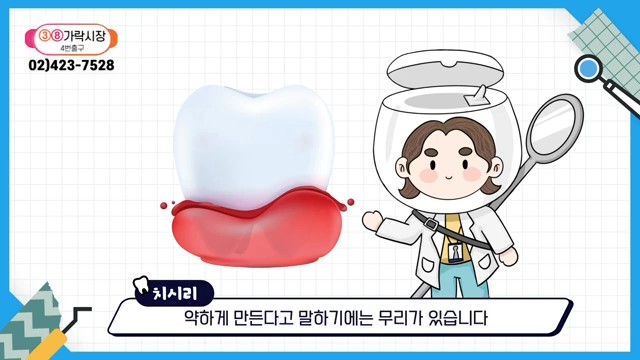
However, this stimulation is not necessarily bad.
Just as new tissue forms when a wound heals,
the surrounding bone and gum tissue
naturally remodel as the teeth move.
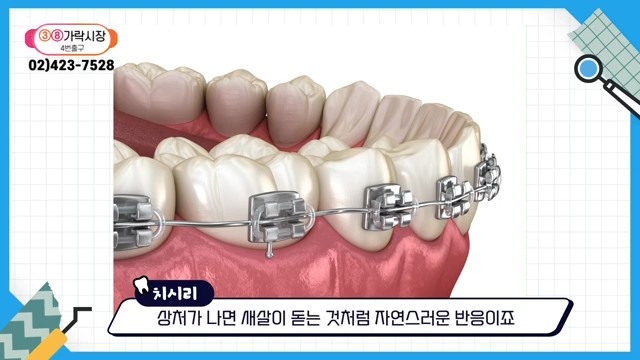
When they are healthy, our bodies can
adequately adapt to these changes.
To give you the conclusion first, orthodontic treatment itself
does not directly weaken the gums.

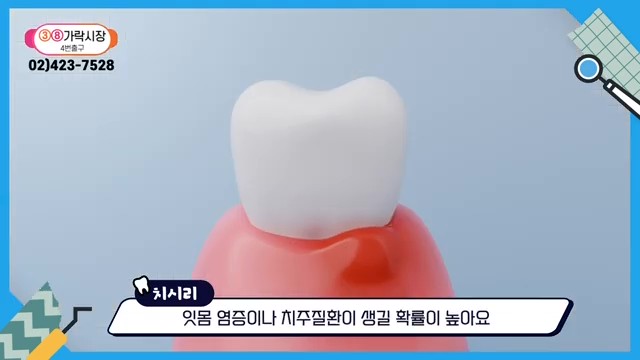
However, orthodontic treatment can create an environment
where gum disease is more likely to develop,
so more thorough care than usual is necessary.
3 Real Reasons Gum Problems Develop
First, Difficulty Maintaining Oral Hygiene
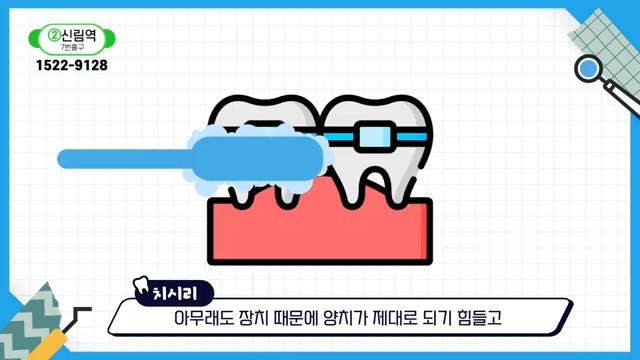
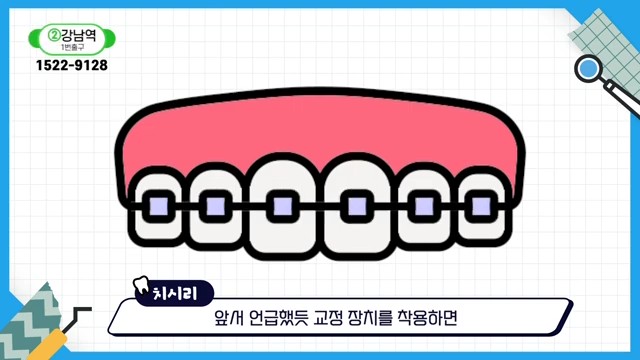
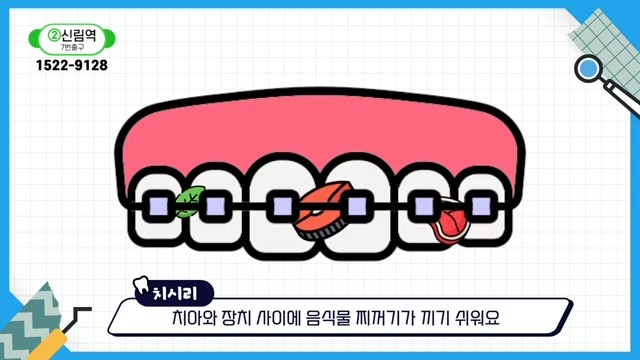
When orthodontic appliances are attached,
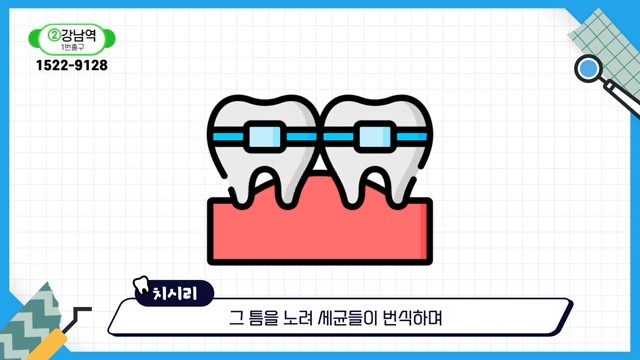
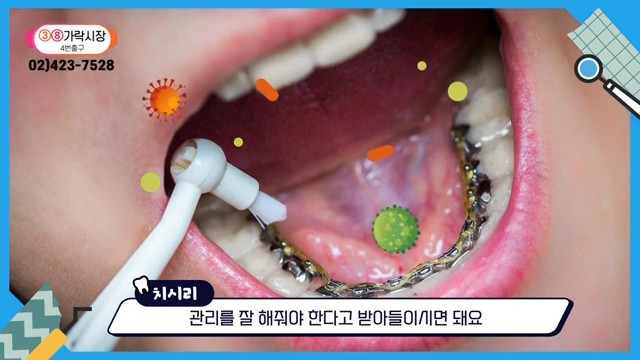
food can easily become trapped between the teeth and the appliances,
and it is difficult to clean everything thoroughly
with an ordinary toothbrush alone.
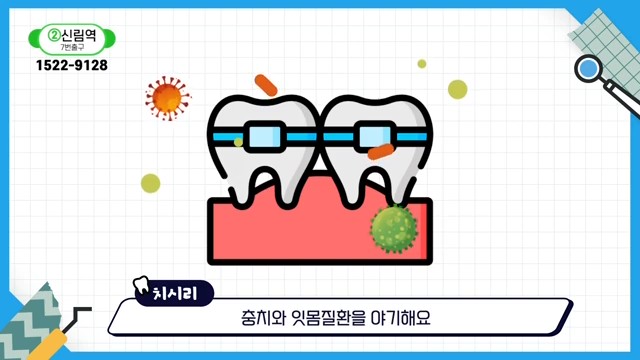
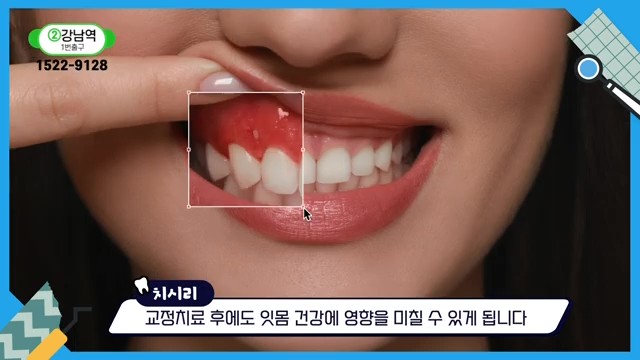
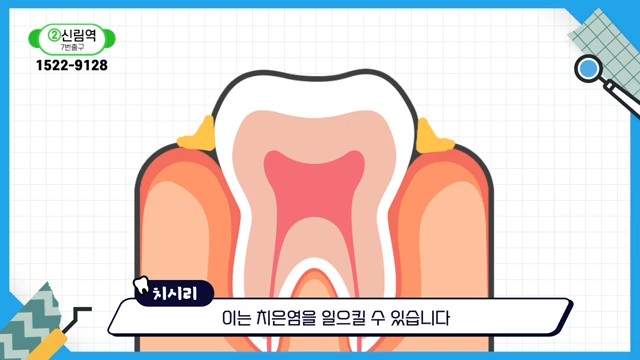
As bacteria multiply, plaque builds up,
which can lead to gingivitis.
If it becomes more severe, it can progress to periodontitis,
so we recommend using supplementary tools
such as a Waterpik or interdental brush.
Second, Ongoing Irritation from the Appliances
If an orthodontic appliance continuously touches the gums,
the area may swell or become inflamed.
When this inflammation repeatedly occurs,
the gum tissue can be damaged, making the gums feel weaker.


If you notice swelling or pain,
do not endure it; it is best to visit the clinic right away.
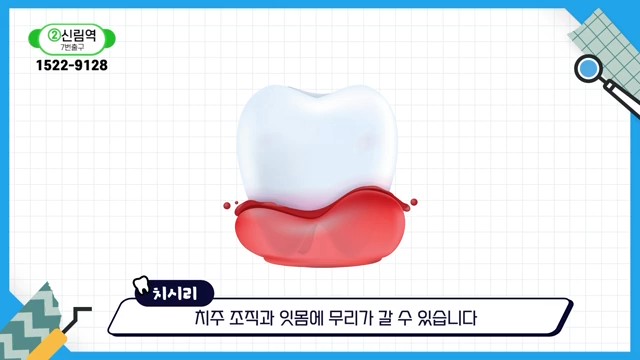
Third, Excessive Speed and Pressure
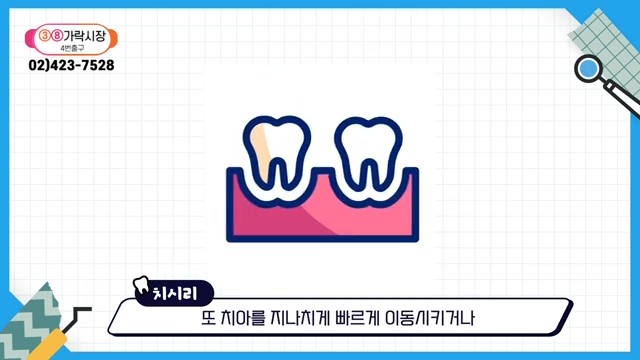
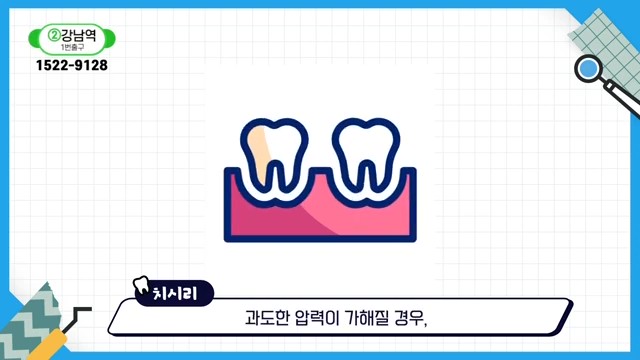
Moving the teeth too quickly or with excessive pressure
can place stress on the periodontal tissues.
If this condition continues, it can lead to gum recession
or loss of alveolar bone.

This is why orthodontic treatment
must be carried out in a planned and safe manner.
Be Sure to Check These Points Before Orthodontic Treatment
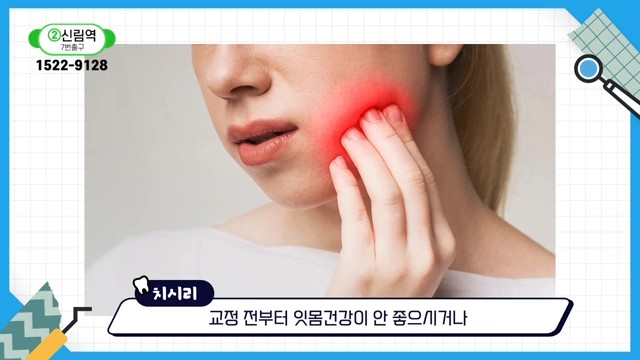
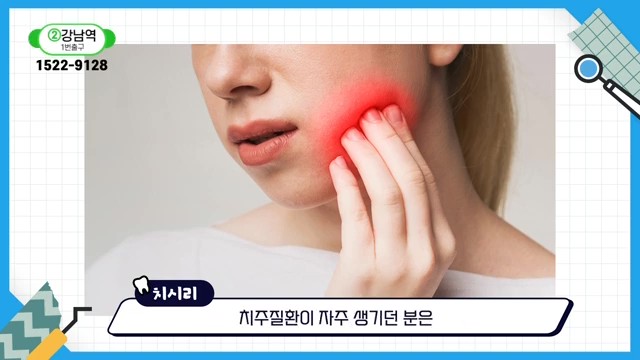
People whose gums frequently swell or bleed,
or who have a history of periodontal disease,
may experience worsening symptoms during orthodontic treatment.
In such cases,
the proper sequence is to undergo gum treatment
before starting orthodontic treatment.


Even during orthodontic treatment, please visit regularly once a month
to have plaque and tartar removed
and to keep checking the condition of your gums.
Checklist for Protecting Gum Health During Orthodontic Treatment
※ Brushing: After every meal, using an orthodontic toothbrush
※ Supplementary tools: Use a Waterpik and interdental brush together
※ Regular checkups: Monthly visits are essential
※ Scaling: Regularly remove plaque and tartar
※ Unusual symptoms: Visit the clinic immediately if swelling or pain occurs


In Closing
The statement that gums become weaker after orthodontic treatment
is not entirely wrong.
However, in most cases, the cause is not
orthodontic treatment itself, but inadequate oral hygiene
or periodontal disease.
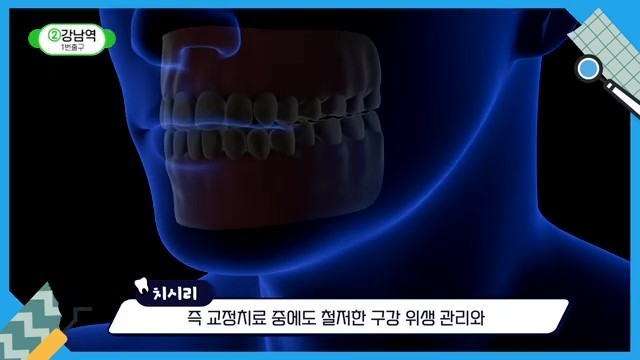

Thorough brushing habits, regular checkups,
and promptly responding to unusual symptoms.
Even following these three things carefully
can be enough to protect your gum health during orthodontic treatment.
If you are considering orthodontic treatment or are concerned about
the condition of your gums, please feel free to contact Yonsei U-Line Dental Clinic in Sinlim-dong, Gwanak-gu.
We will first carefully check your oral condition
before beginning treatment.