"My teeth tingle when I drink cold water."
"It only hurts when I chew. Could it be a cavity?"
These are the questions most frequently asked by patients who visit Yonsei Uline Dental Clinic.

Today, we will summarize the most common causes and symptoms of toothache, as well as when you should visit a dentist.
When many people think of toothache, they tend to think only of cavities.
In reality, toothache can result from various causes, including not only cavities but also inflammation of the dental pulp, trauma to the teeth, gum disease, and even sinusitis.
Even when the toothache feels the same, the treatment method can be completely different depending on the cause, so it is important to identify the exact cause.

The Most Common Cause of Toothache: Cavities
These are the symptoms most commonly reported by patients visiting a dentist:
·Sensitivity when drinking cold water
·A sharp, tingling sensation when eating ice cream
·Pain when eating sweet foods
·Pain when chewing
·Discomfort when eating hot foods
The most common cause of these symptoms is cavities, also known as dental caries.
The enamel on the outermost surface of the tooth and the dentin beneath it protect the nerve.
As a cavity progresses, these protective layers become damaged, allowing external stimuli to reach the nerve inside the tooth directly.
That is why cold or sweet foods can easily cause pain.
At first, the discomfort may last only briefly, but if a cavity is left untreated, the pain may gradually worsen, so it is best to have it checked in its early stages.
Why Your Teeth Feel Particularly Sensitive When Drinking Cold Water
Inside the tooth are nerves that sense temperature and stimulation.
This is normally a protective function, but when the tooth is damaged by cavities, wear, cracks, or other causes, the nerves become sensitive even to small changes in temperature.
That is why a brief, sharp tingling sensation may occur when you drink cold water or eat ice cream.
If the pain appears briefly and disappears right away, it may be an early-stage problem, but if the symptoms recur, it is best to have a dental examination.

Pulpitis: The Pattern of Pain Changes
The nerve tissue inside the tooth is called the dental pulp.
Pulpitis refers to a condition in which this pulp becomes inflamed.
In the early stages of pulpitis, the tooth may feel sensitive briefly after drinking cold water, then return to normal within a few seconds.
However, as the inflammation progresses, the symptoms clearly change.
·Pain from hot foods as well as cold foods
·Pain whenever you chew
·Pain when the tooth is tapped
·Pain that persists for a long time
In such cases, simple cavity treatment may not be enough, and root canal treatment is often required.


Not Every Toothache Requires Root Canal Treatment
Sometimes, a tooth may become temporarily sensitive after experiencing a strong impact.
If you bite down hard on a solid food, accidentally bite into a hard object, or hit your tooth in a fall, the nerve may be temporarily irritated and cause pain.
In such cases, the tooth may recover naturally if you monitor its progress for several days or, in some cases, a few weeks.
However, if the pain gradually worsens or persists for a long time, you should be sure to have the tooth examined by a dentist.
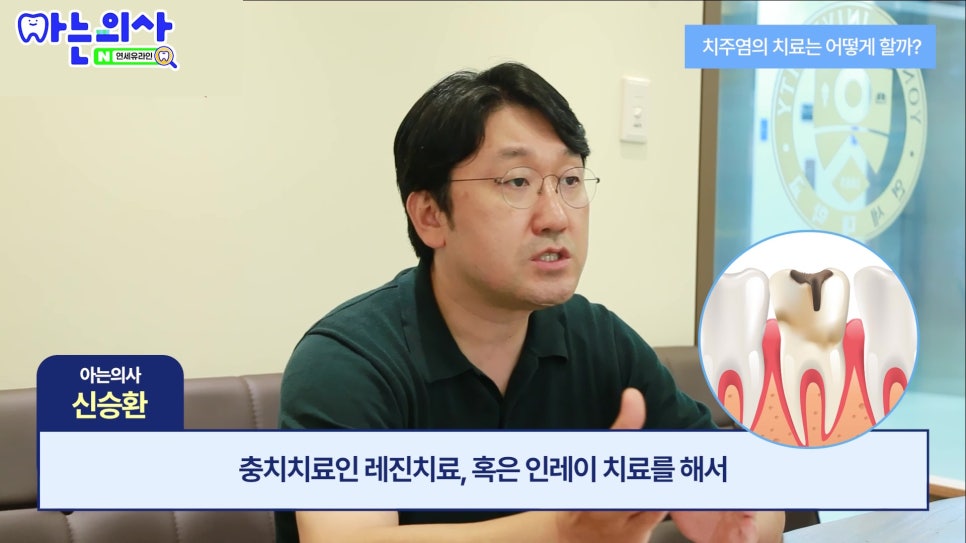
Many Cases Can Be Resolved with Cavity Treatment Alone
If the cavity has not progressed to the nerve, it can be treated relatively simply.
After removing the decayed area, restoring the damaged tooth with a composite resin filling or an inlay usually improves the symptoms.
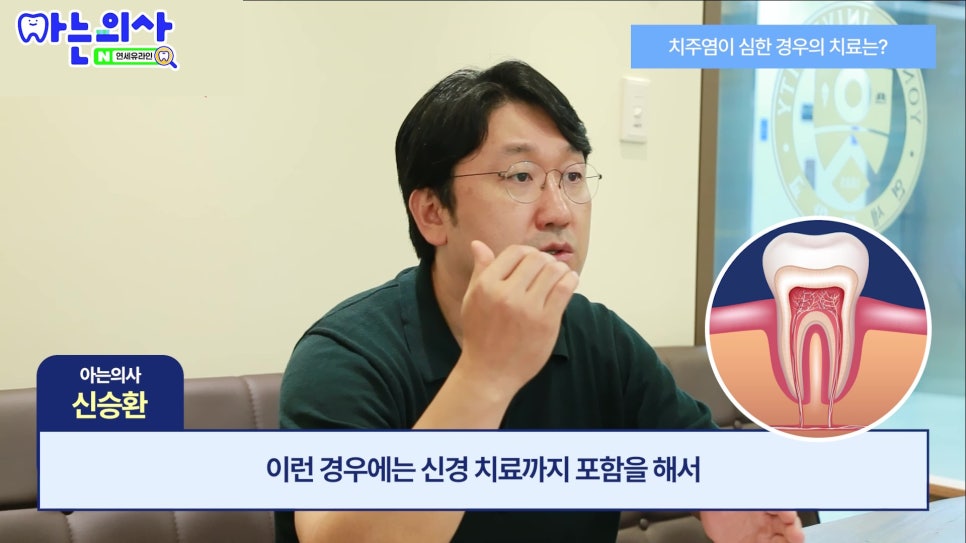
On the other hand, if a cavity is left untreated for a long time and the inflammation reaches the nerve, root canal treatment and crown treatment may be necessary.
The earlier treatment begins, the greater the chance of preserving the natural tooth, while also reducing the treatment period and financial burden.

If Several Upper Molars Hurt at the Same Time: Consider Sinusitis
Sometimes, people feel pain in several upper molars at the same time even though there is no particular problem with the teeth.
In such cases, inflammation of the maxillary sinus, or sinusitis, may be suspected.
The roots of the upper molars are located very close to a space called the maxillary sinus.
If the maxillary sinus becomes inflamed due to a cold or sinusitis, the teeth themselves may be normal, but chewing may feel uncomfortable or all of the upper molars may feel sensitive.
If a dental examination finds no abnormalities in the teeth, treatment for sinusitis at an ear, nose, and throat clinic may be necessary.
Do Not Delay a Dental Visit for This Type of Toothache
If you have any of the symptoms below, we recommend receiving dental care as soon as possible.
·Pain from both cold and hot foods
·Pain that lasts for more than a few seconds
·Pain whenever you chew
·Pain when the tooth is tapped
·Difficulty sleeping at night because of the pain
·Swelling beginning in the face or gums
These symptoms may indicate that inflammation has progressed to the nerve, so an accurate diagnosis and treatment are necessary.
Identifying the Exact Cause Is Most Important When You Have a Toothache
Toothache may feel like the same symptom in every case, but the causes can vary widely, including cavities, pulpitis, tooth damage, gum disease, and inflammation of the maxillary sinus.
Because it is difficult to determine the exact cause based on symptoms alone, if the pain recurs or gradually worsens, do not try to endure it; it is best to have your teeth examined by a dentist.
When detected early, many cases can be resolved with simple cavity treatment, but if treatment is delayed, root canal treatment or more extensive treatment may be required.
Toothache is not a problem that will be resolved simply by enduring it.
Identifying the exact cause and receiving appropriate treatment at the right time is the best way to keep your natural teeth healthy for as long as possible.
This has been Yonsei Uline Dental Clinic, located near Exit 1 of Gangnam Station, Exit 4 of Garak Market Station, and Exit 7 of Sillim Station.