Summer, when temperatures rise and humidity increases, is a time when the skin environment can change easily. During this period, increased sweat and sebum secretion can clog pores, making skin problems more likely to occur. In some cases, this may also lead to acne.
In addition, various external factors such as ultraviolet rays, air pollution, and wearing a mask can also affect skin condition. In this post, let’s look at the causes and development process of acne, along with methods that may help with skin care.
What Is Acne?
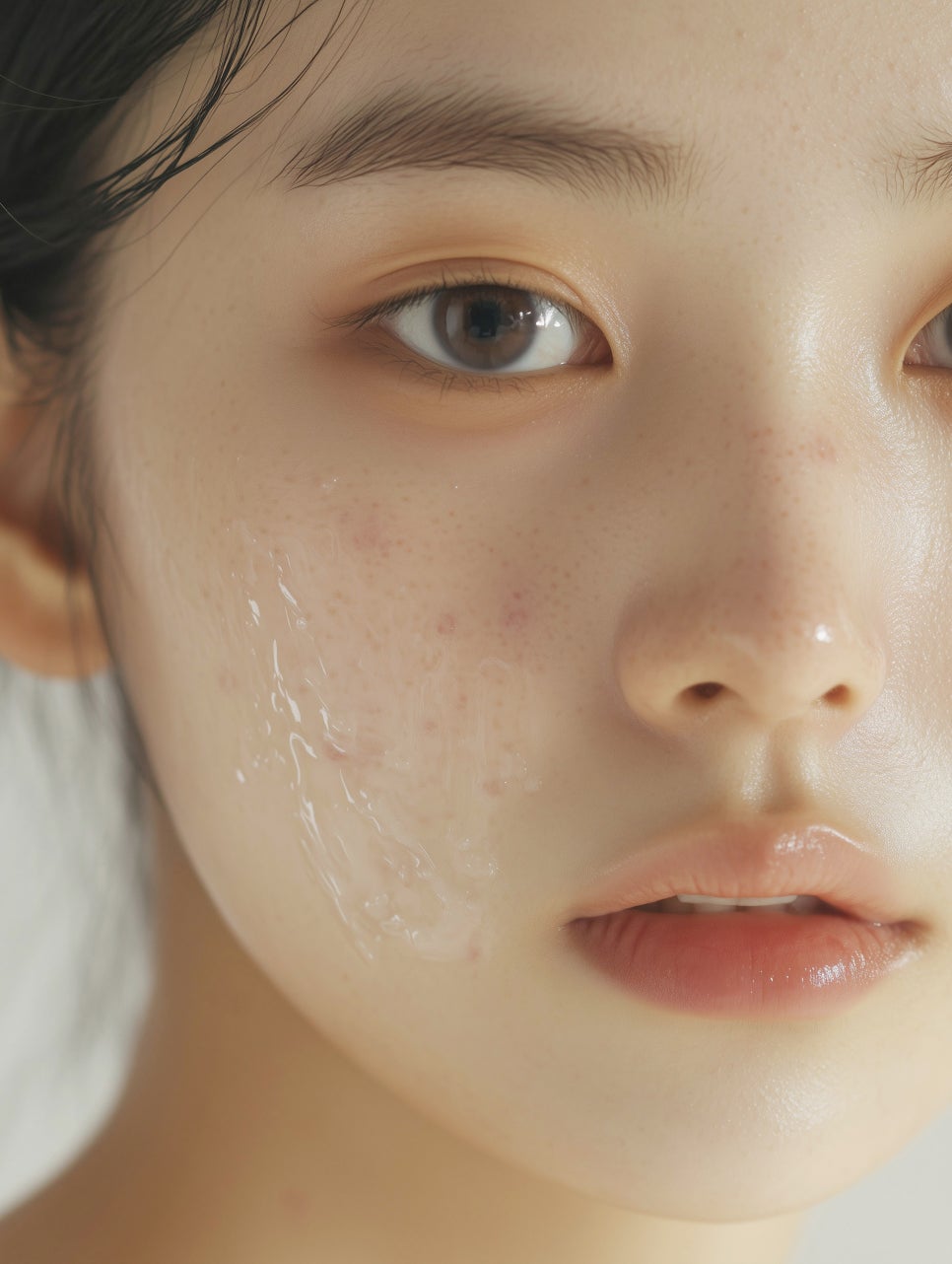
Acne is a chronic inflammatory skin condition that can occur due to abnormalities in the sebaceous glands within hair follicles. When sebum is produced excessively beneath the skin’s surface but is not properly discharged and accumulates in pores, bacteria can multiply and cause inflammation.
Acne commonly appears in teenagers during puberty, but it can also recur in adulthood depending on stress, hormonal changes, environmental factors, and more. It is mainly observed in areas with active sebum secretion, such as the forehead, nose, and chin, and symptoms or forms may vary depending on an individual’s skin characteristics.
Causes of Acne Worsening
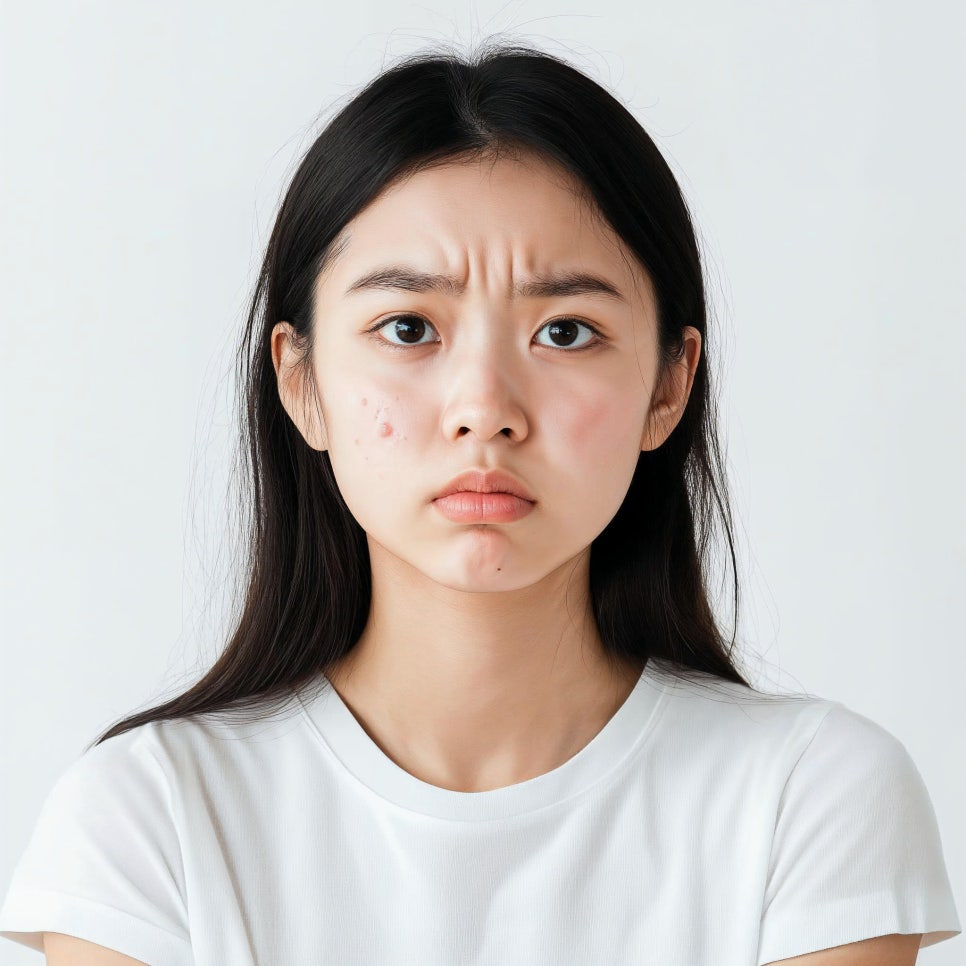
A major cause of acne is increased sebum secretion. In summer, higher temperatures and humidity increase sebaceous gland activity, making the skin surface oily and creating an environment in which pores can easily become clogged.
Hormonal changes are also an important factor. Puberty, the menstrual cycle, lack of sleep, and stress can increase androgen secretion, promote sebum production, and raise the likelihood of acne.
In addition, residue from cosmetics or cleansing products, friction from wearing masks, and lifestyle habits that expose the skin to sweat for long periods can irritate the skin and worsen inflammation. It may also be related to food intake, and high-carbohydrate diets, excessive dairy intake, and spicy foods may worsen acne in some people.
Ways to Improve Acne
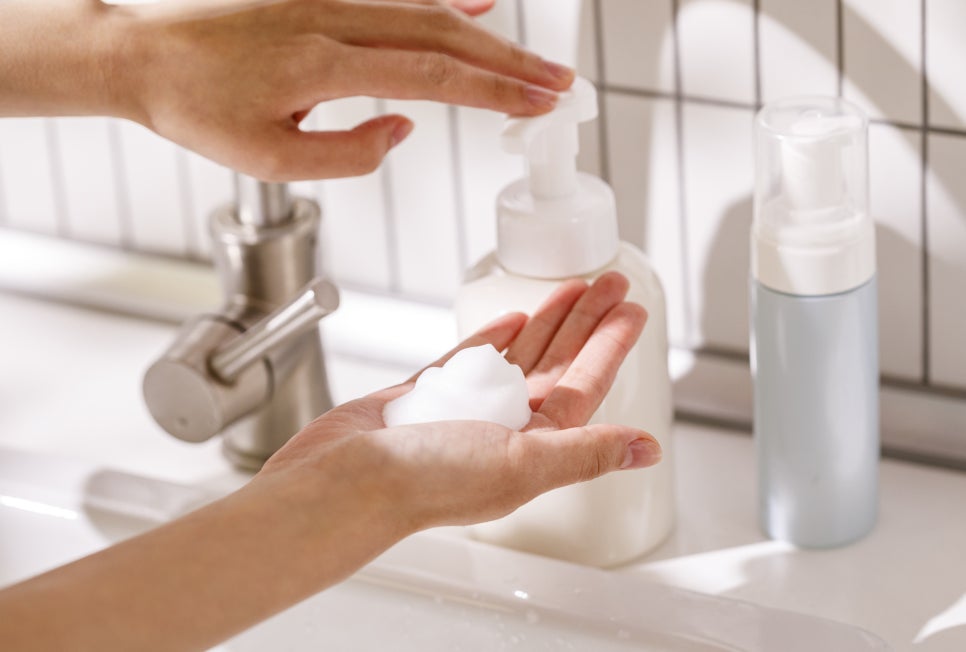
The key to acne care is reducing factors that can trigger inflammation and maintaining a healthy skin barrier. Excessive washing or frequent exfoliation can make the skin more sensitive and may worsen acne symptoms, so it is recommended to keep cleansing gentle and limit it to about twice a day. After heavy sweating or increased sebum secretion, lightly washing with lukewarm water or gently patting the skin dry with a clean towel may help.
Diet, sleep, and stress management may also be related to skin condition. Adequate hydration, a balanced diet that includes vegetables, and regular sleep habits can have a positive effect on skin health. Also, the habit of touching the face frequently with your hands can irritate pores and trigger inflammation, so it is advisable to maintain hand hygiene and reduce face contact.

Acne is classified as more than a simple skin problem and is considered a skin disease, so caution is needed because environmental changes and external irritation can act together in complex ways. Adjusting lifestyle habits and practicing basic care methods may help improve skin condition, and rather than using products excessively, it is important to manage the skin in a way that suits its characteristics.
However, if symptoms recur or worsen, self-care alone may have limitations, so it may be helpful to have your skin condition checked through a medical consultation and receive advice on methods suited to your individual situation.